Trip to England, part 1

After Portugal a trip to my home country, for a few days of birdwatching. The Sedge Warbler image above was from that trip, at our first stop in Norfolk, as are all the photos in this post.
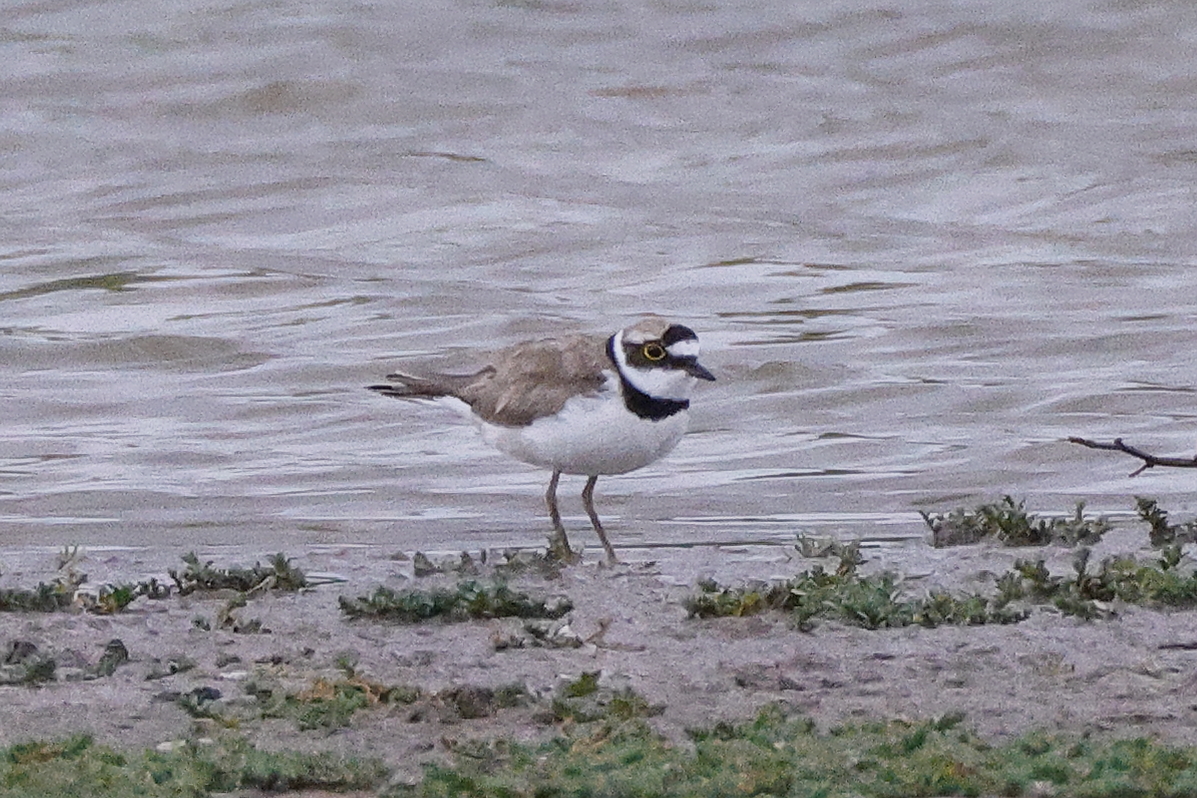
Little Ringed Plover
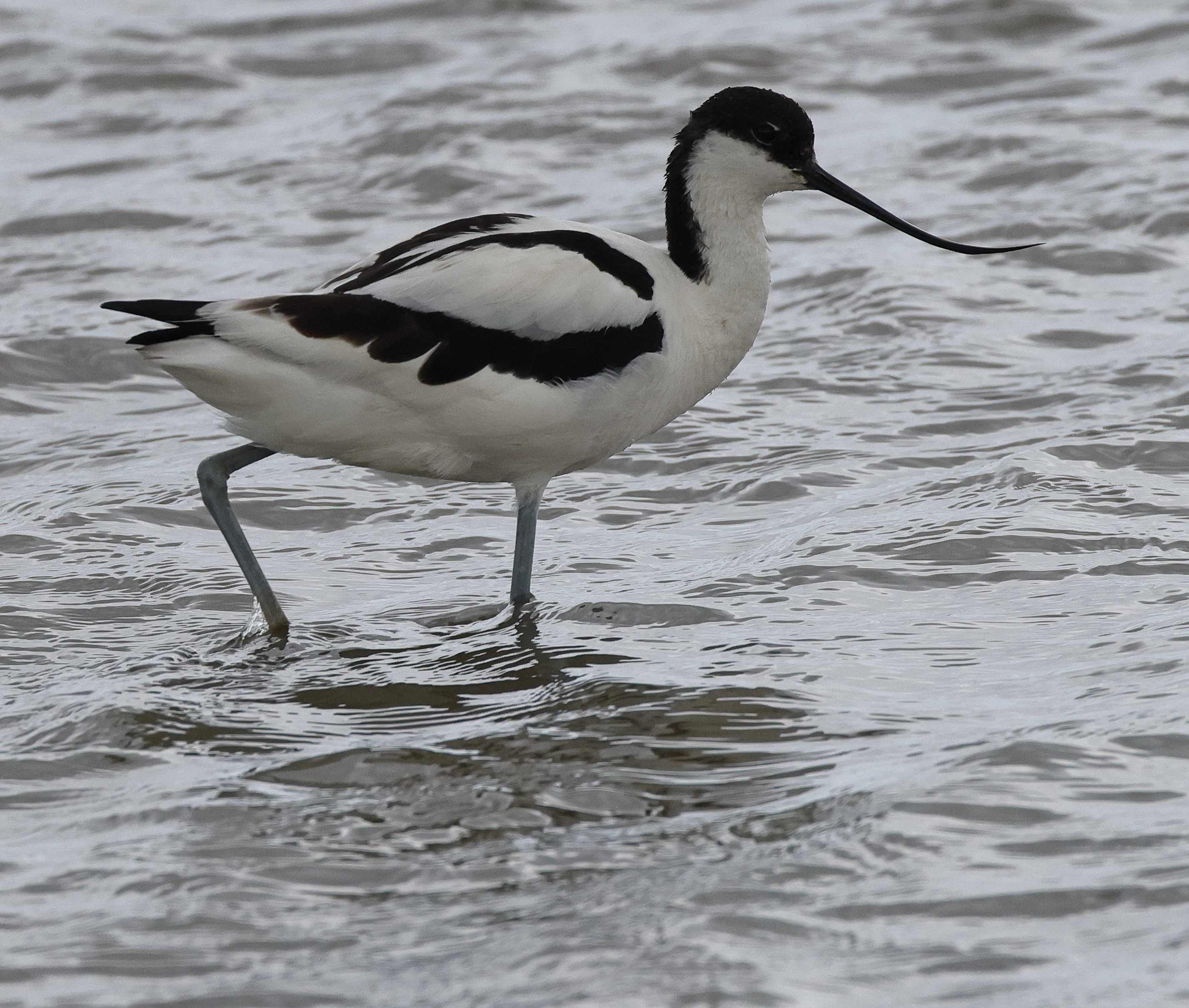
Pied Avocet

The Spoonbill on the left, with the yellow on the beak, is the adult who was being bugged by the juvenile to cough up some food.
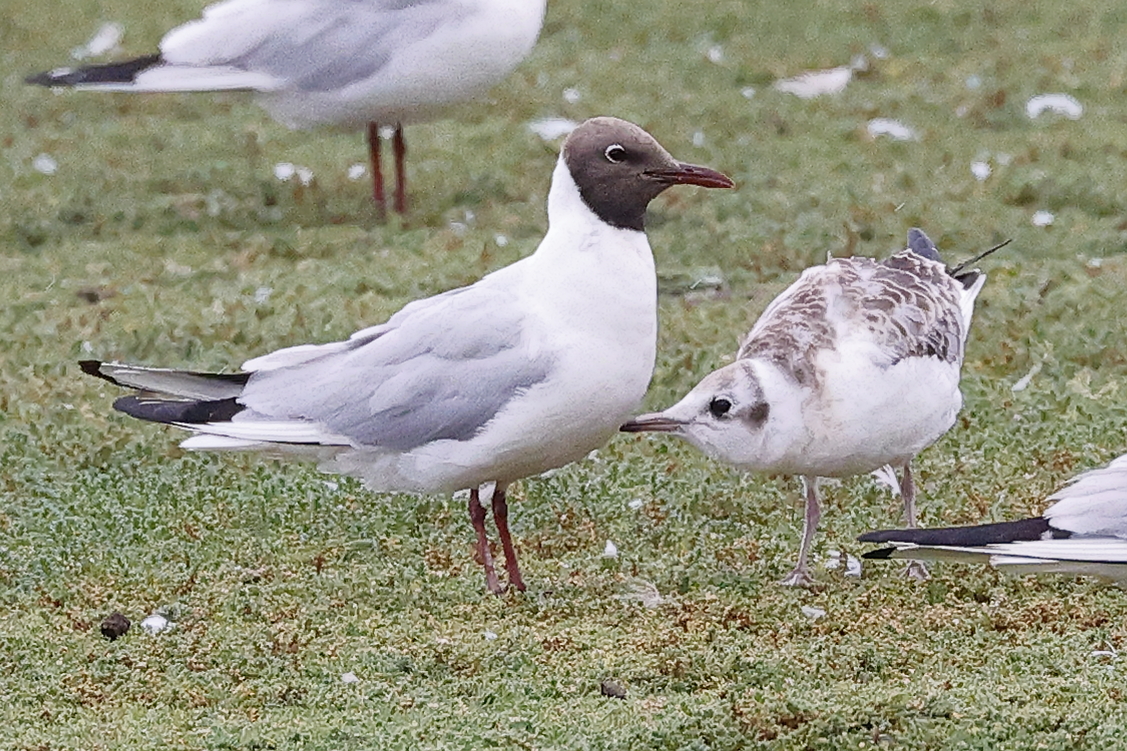
This Black-headed Gull was having the same kind of attention from their chick.

These House Martins were collecting mud to build a nest

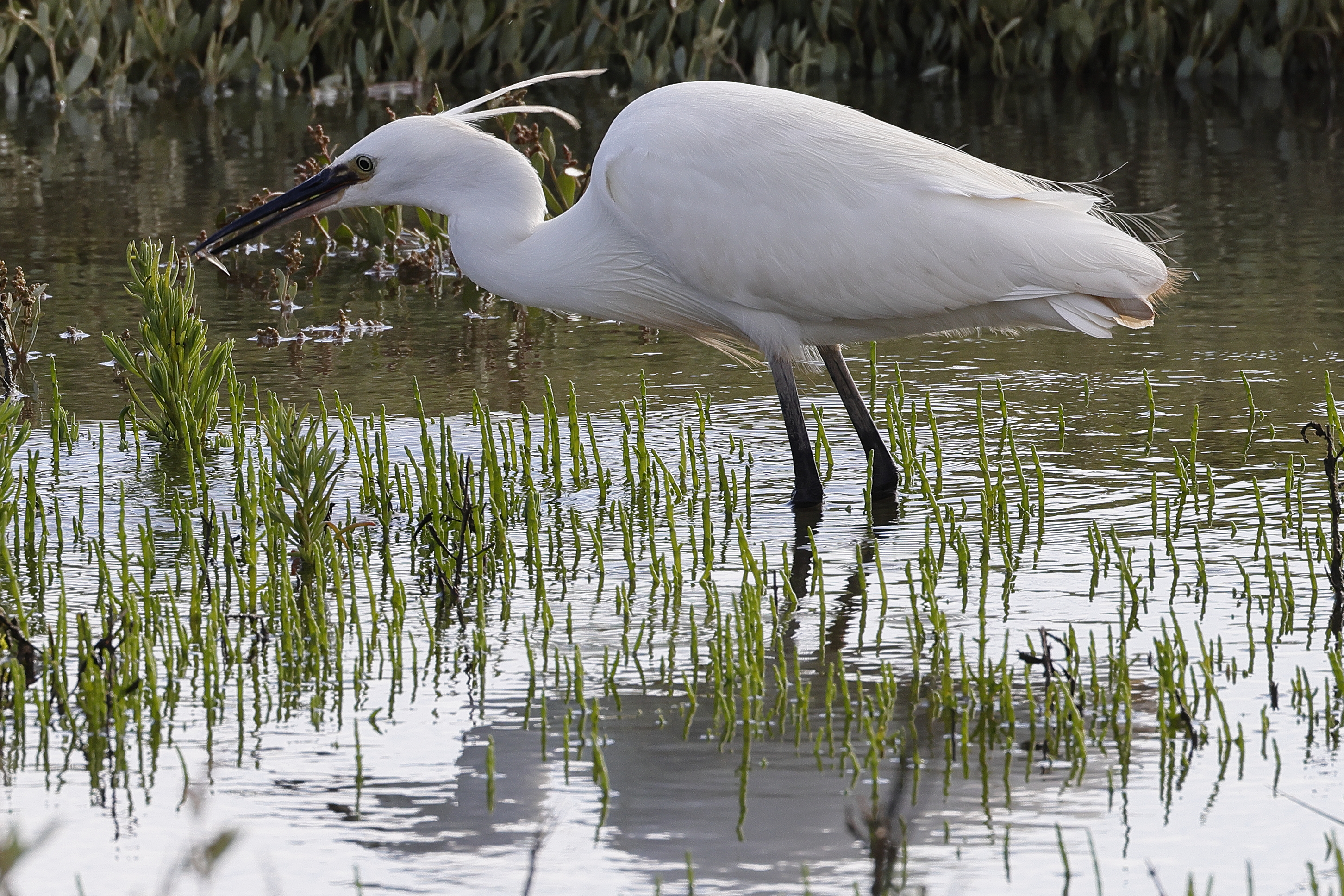
The Little Egret has a catch in its beak.
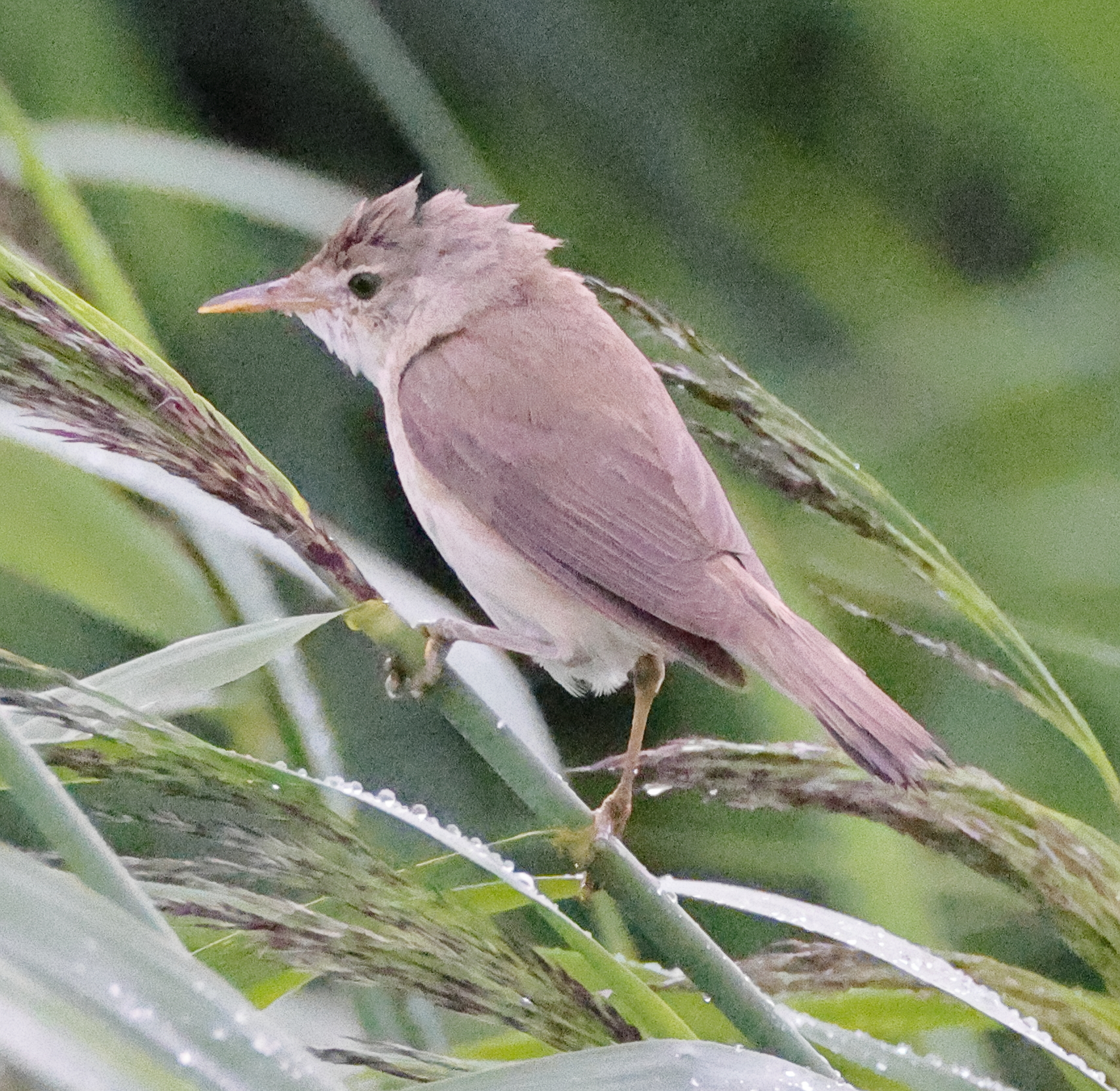
Common Reed Warbler

Stone-Curlew. Also known as the Eurasian Thick-knee by the American Ornithological Society. Quite a rare bird, but with one or two sites where they return each year.

Portugal

This summer our family vacation was in Portugal, which we all loved. There were a few birds observed over the first couple of weeks, and then I had a day trip to the Nature Reserve of the Tejo estuary (also known as the Tagus in English). The header image of Black-winged Stilt and Black-tailed Godwit was taken there, as were several of those which follow.

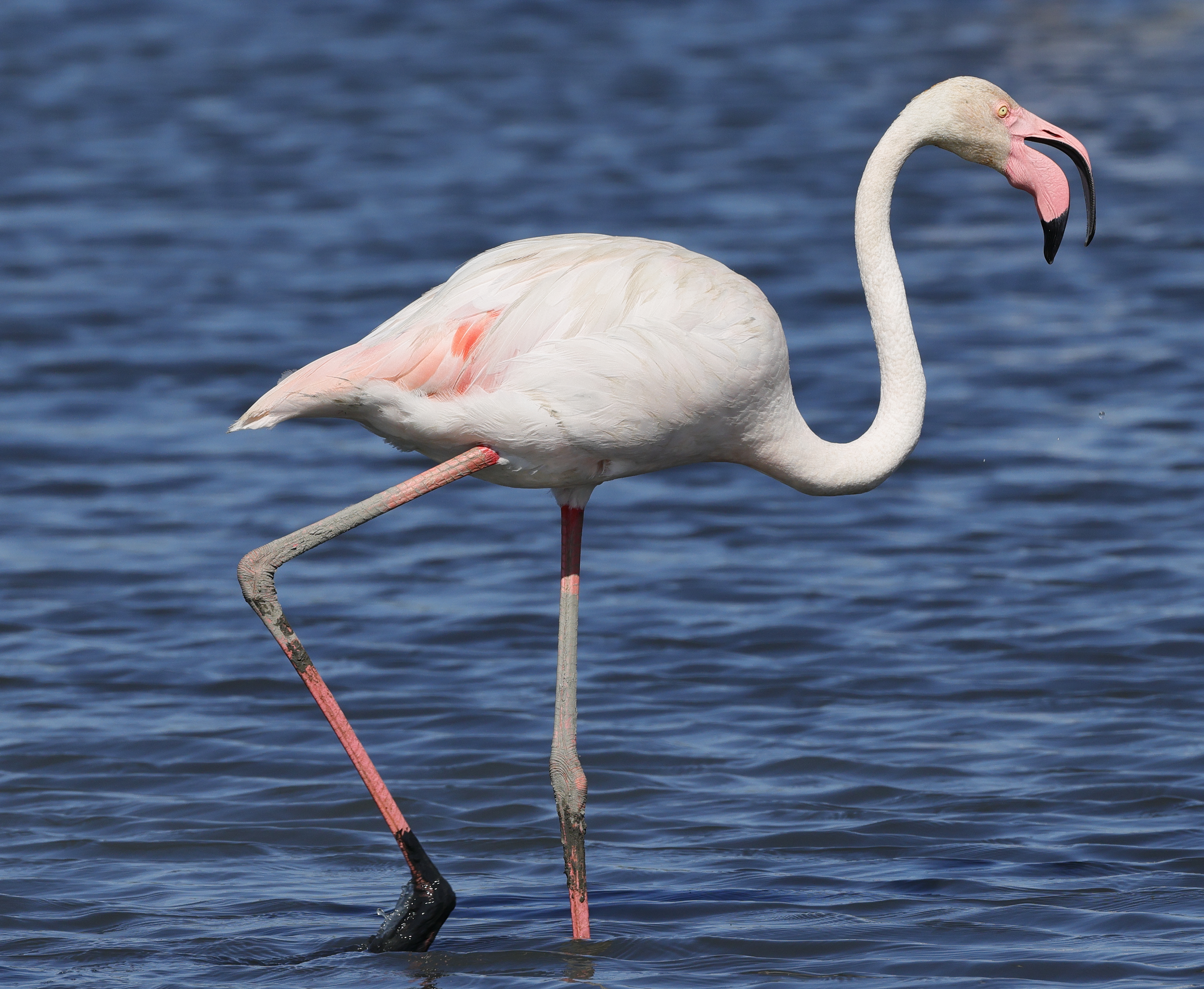
Greater Flamingo

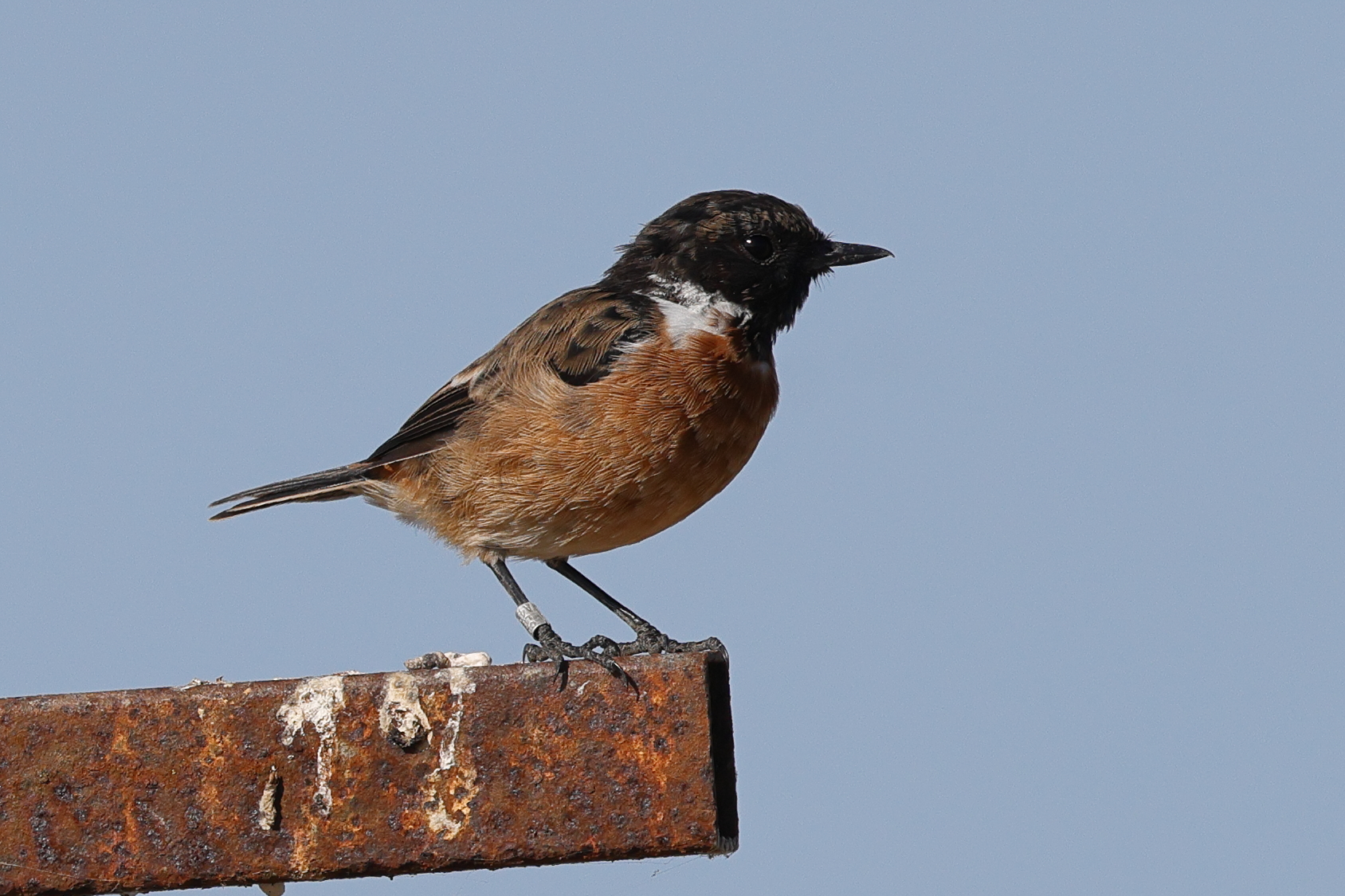
Stonechat

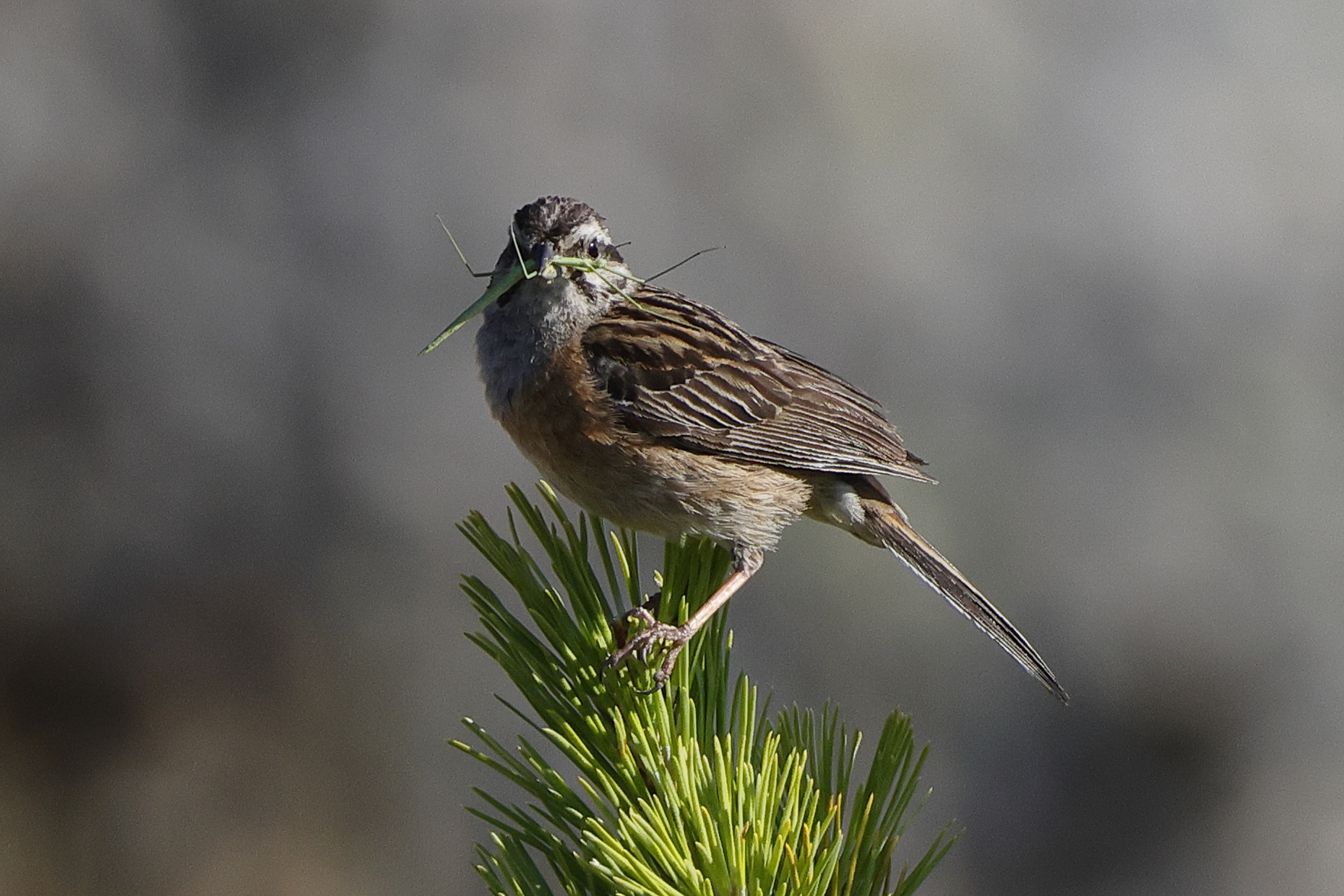
Rock Bunting, eating cricket

Crag-martin with insect in mouth

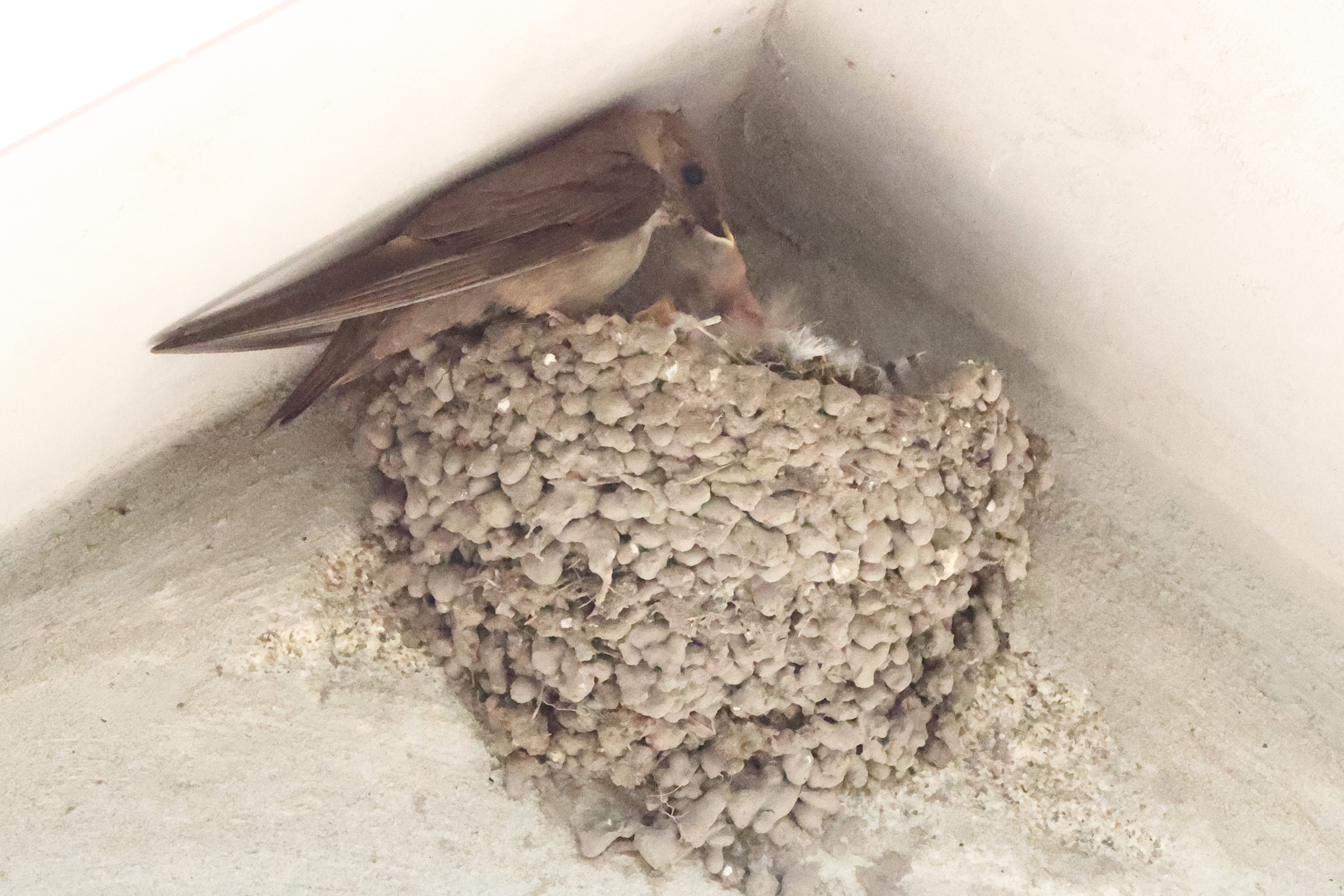
Crag-Martin on nest feeding chick

Ruff and Common Redshank

Yellow Wagtail

Crested Lark

New Jersey

I was invited to speak at a great conference in New Jersey, NeoForum, and, as I now often do, I added on a couple of overnights to do some exploring. On this occasion I drove down to Cape May which is a birding hotspot, especially during migration, unfortunately the spring migration was largely finished, I also stopped at the Edwin B Forsythe wildlife refuge, where there were an impressive number of Ospreys, many of whom had young chicks in their nests.

The header image is a Glossy Ibis, which were quite common there, but I had not seen since I was in Africa.

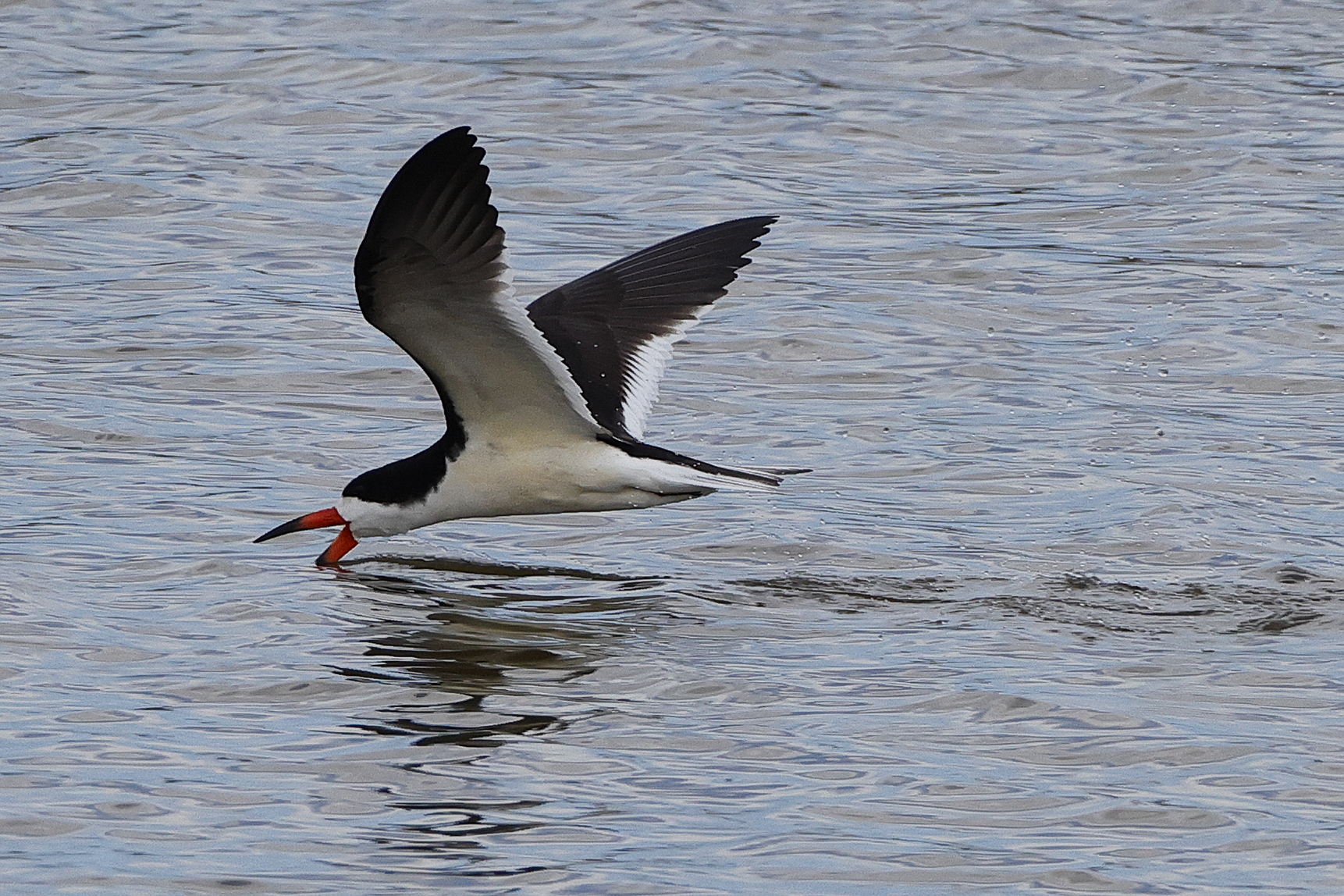
The Black Skimmer was living up to its name, and was another first for me.

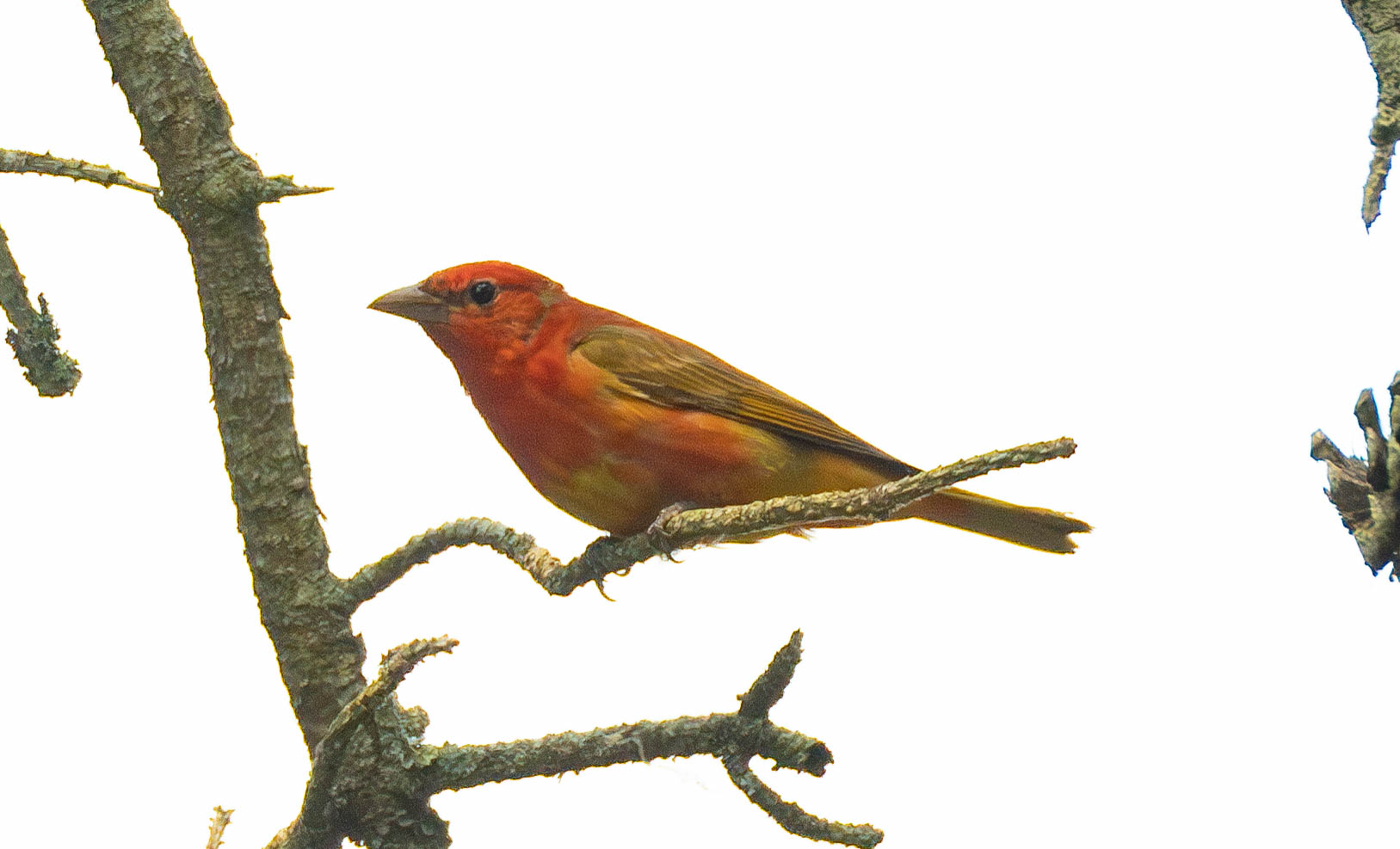
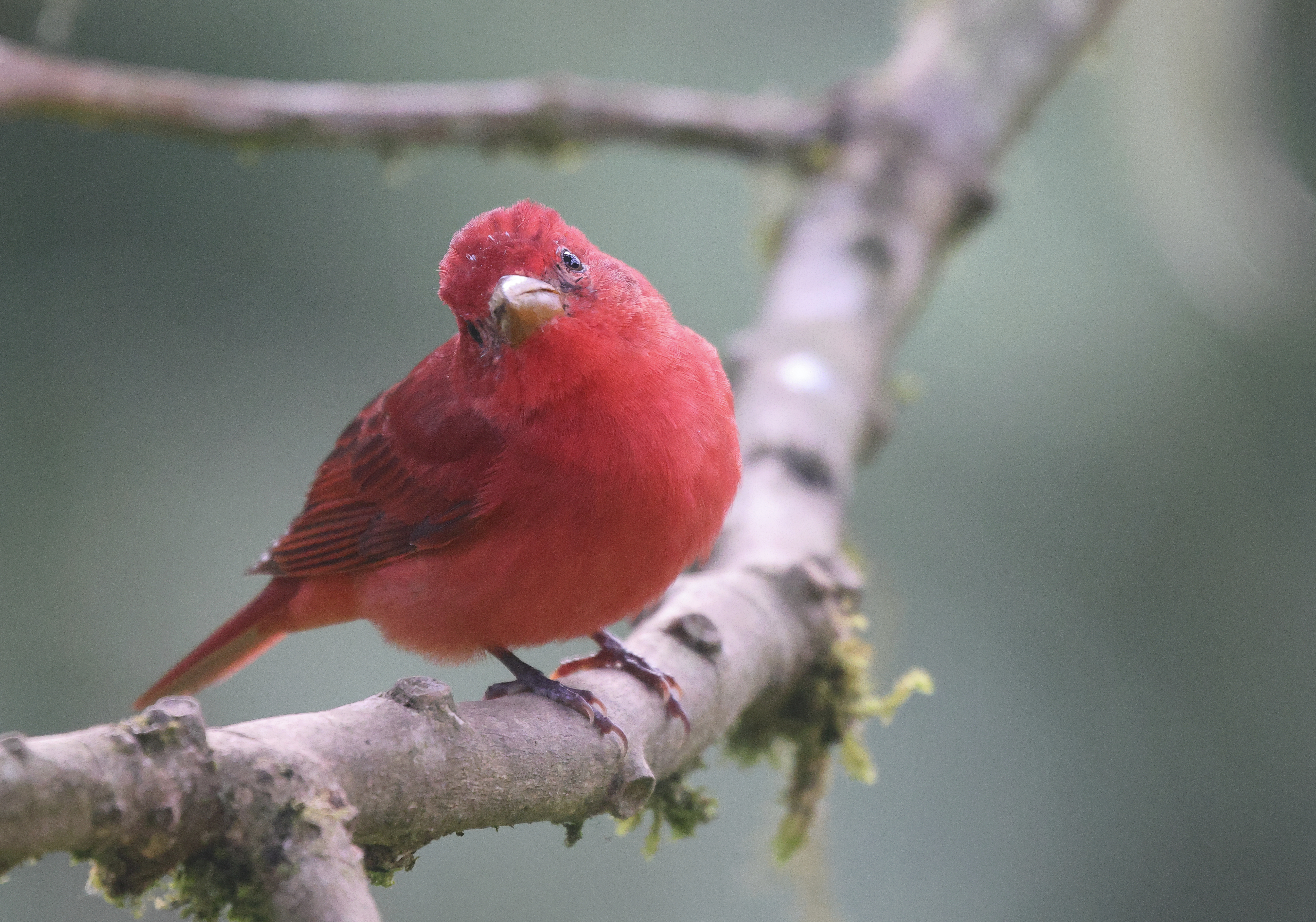
I could only get a picture of this Summer Tanager backlit, but I was able to overexpose, then adjust the lighting in production.

I love the colours of the Indigo Bunting, this male is in breeding plumage.

The Carolina Wren has a very loud song, like many wrens, it is more easily heard than seen.

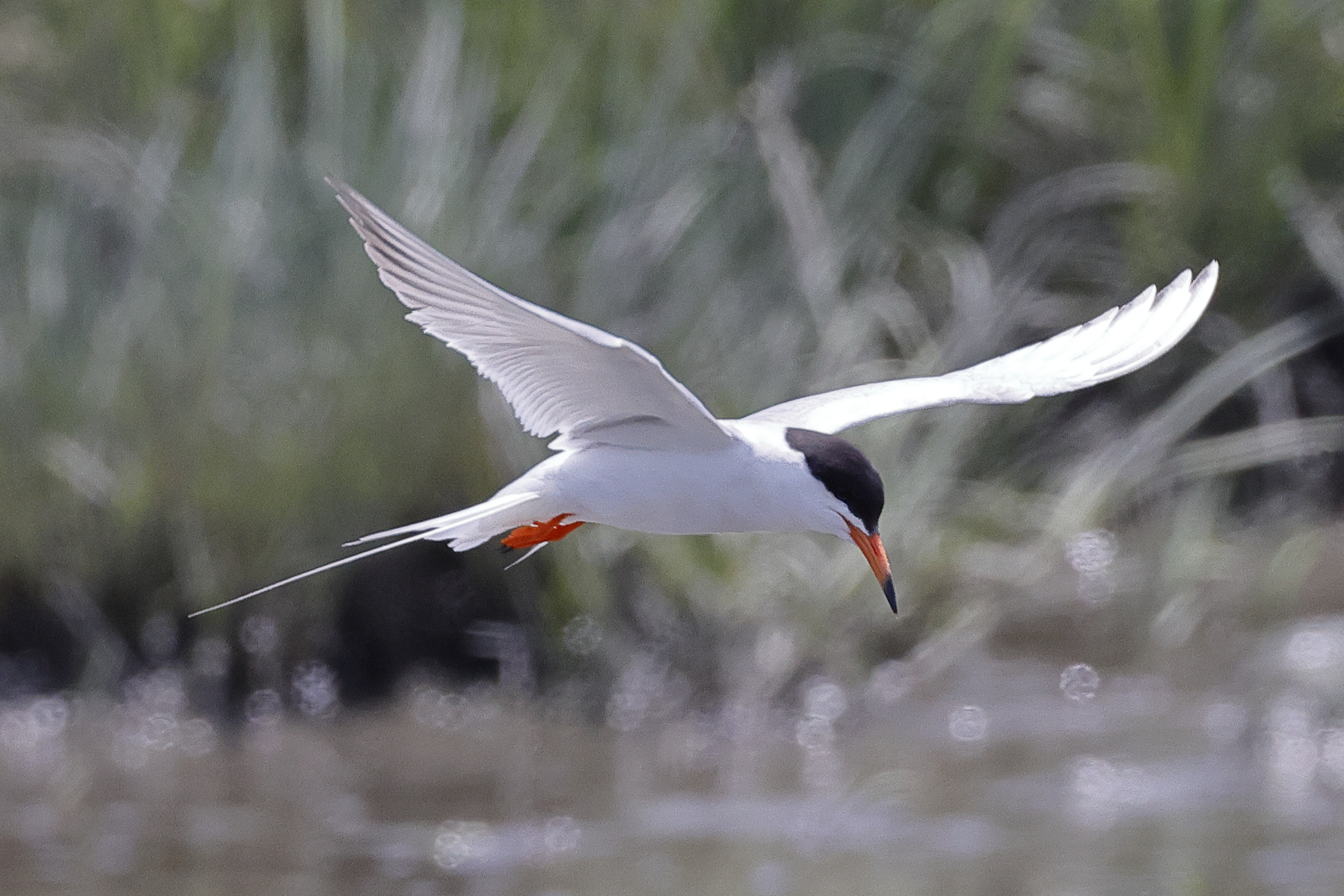
The Forster’s Terns were abundant.

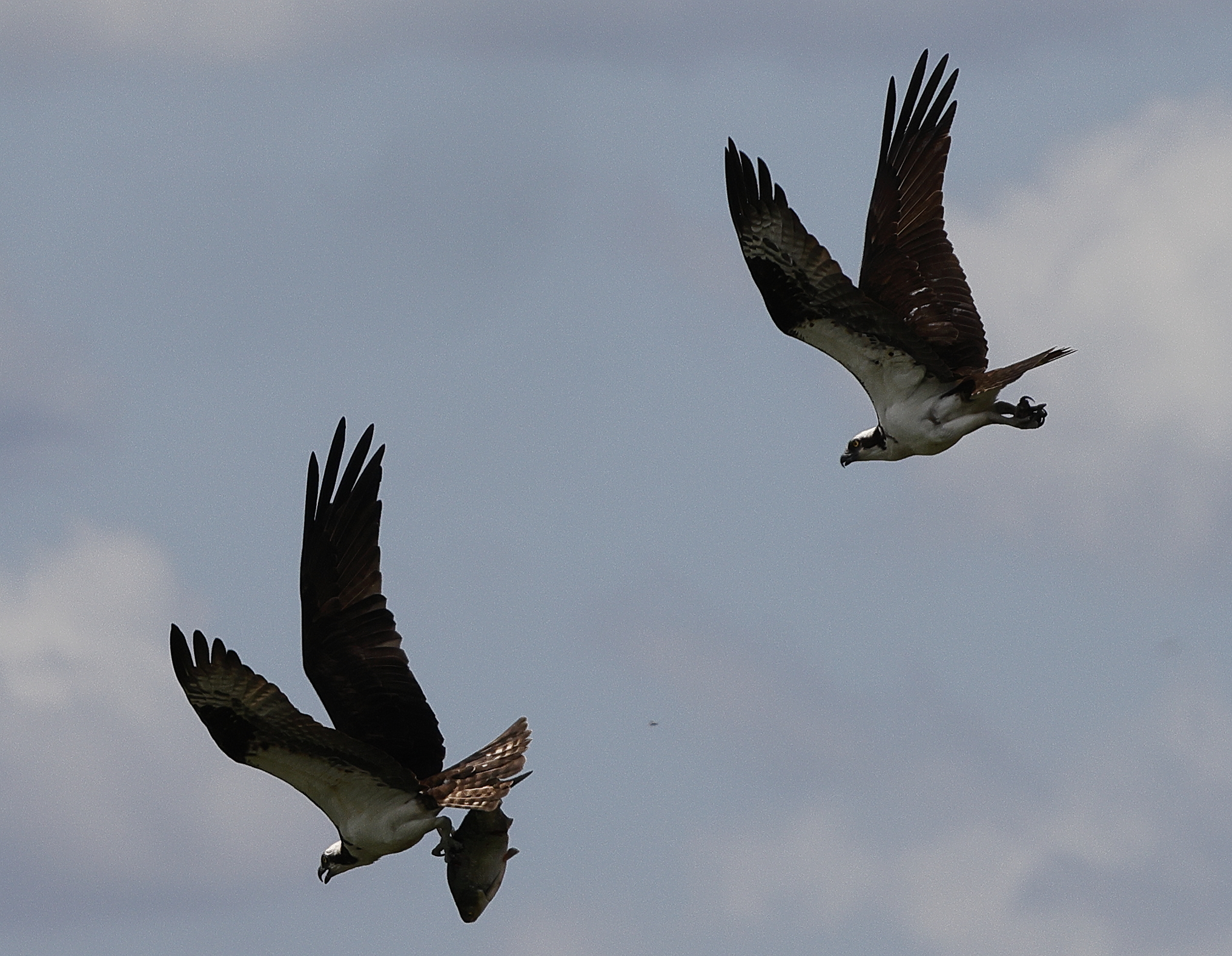
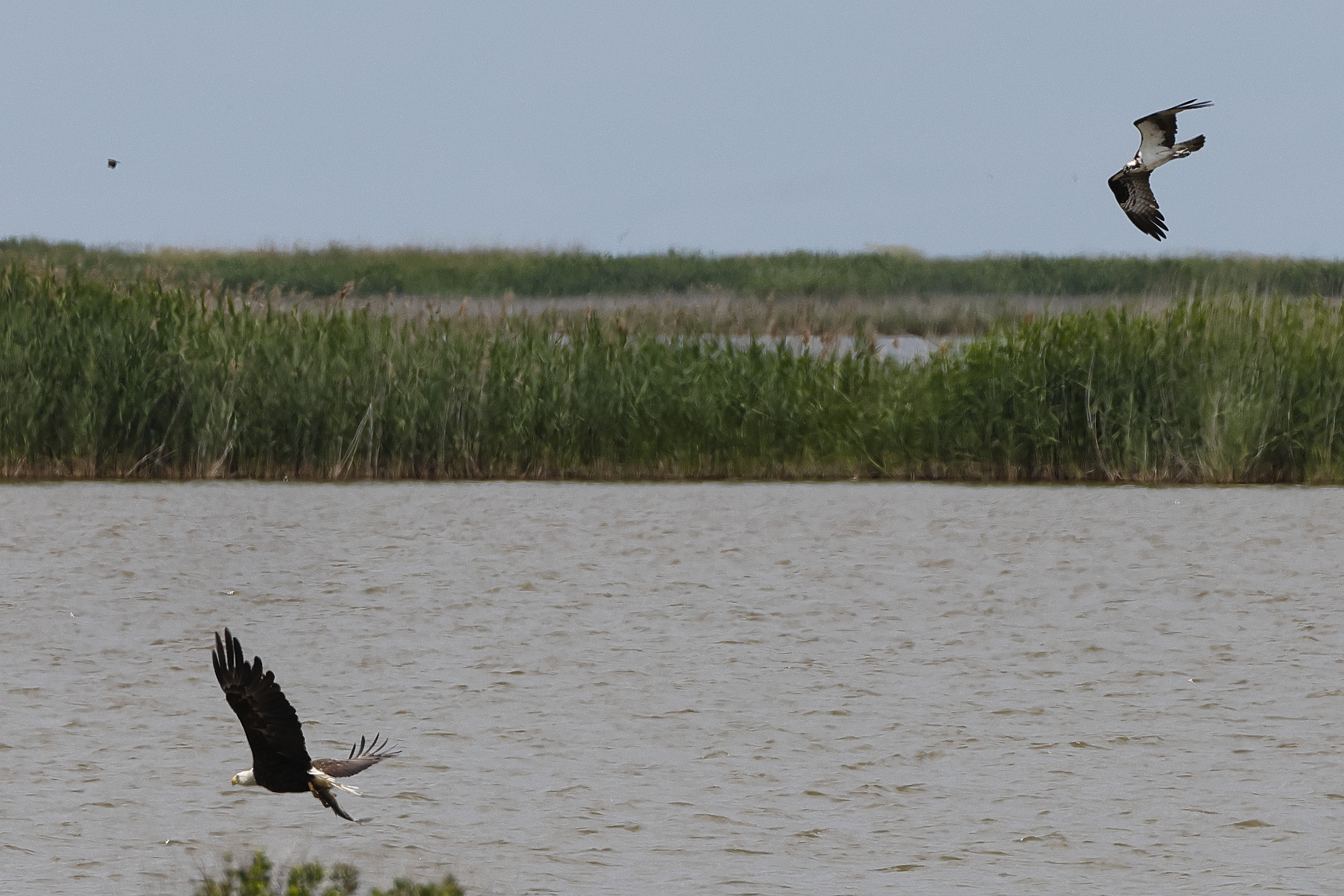
These Ospreys were chasing each other, the one at the back trying to snatch the fish.

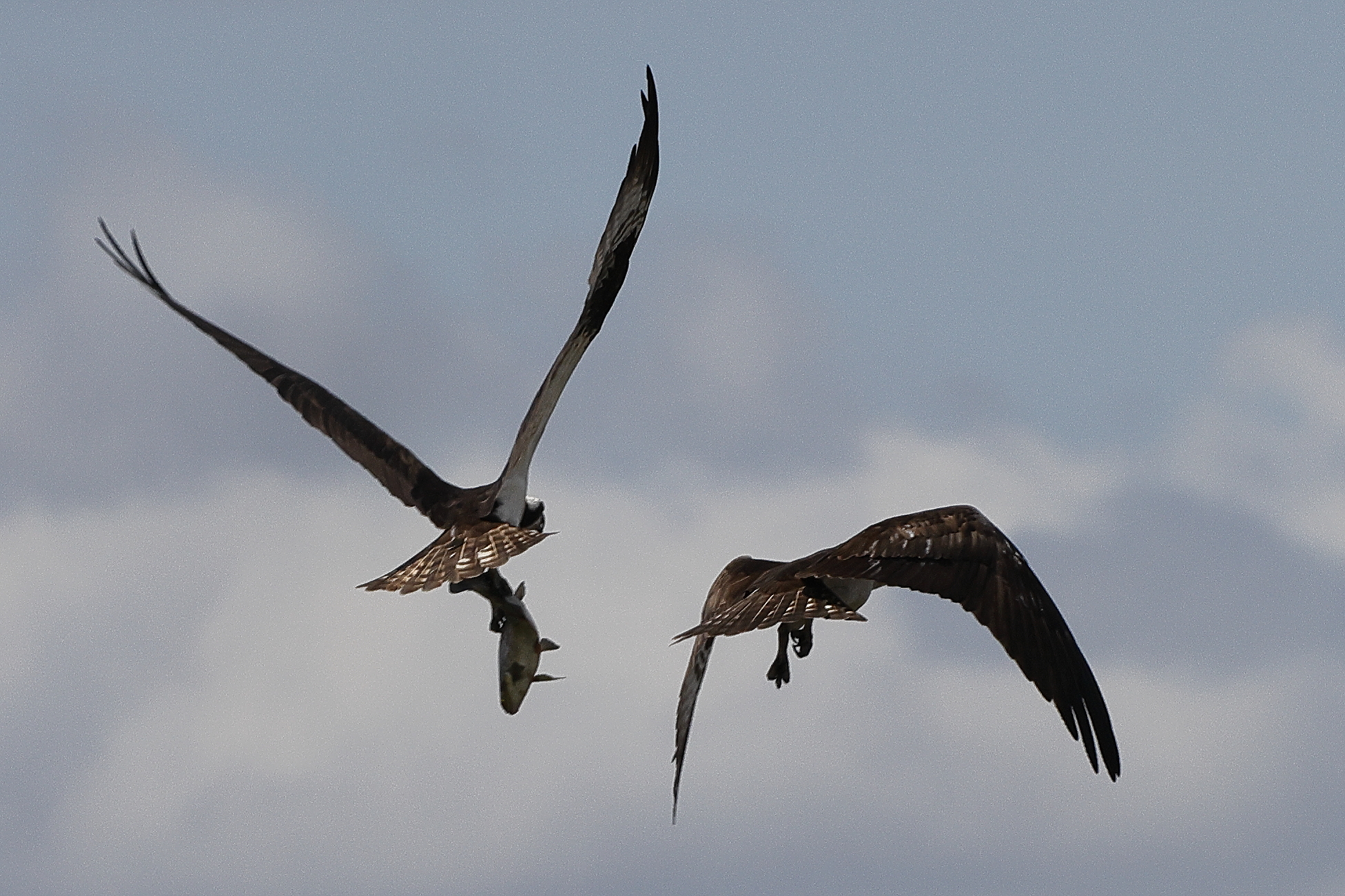
Finally the fish was snatched from the claws of the first bird, but dropped it

And a Bald Eagle Swooped in and snatched the fish as it hit the water, escaping with the stolen prey. The Osprey didn’t seem to want to take on the eagle!

Australia Trip: Queensland day 3

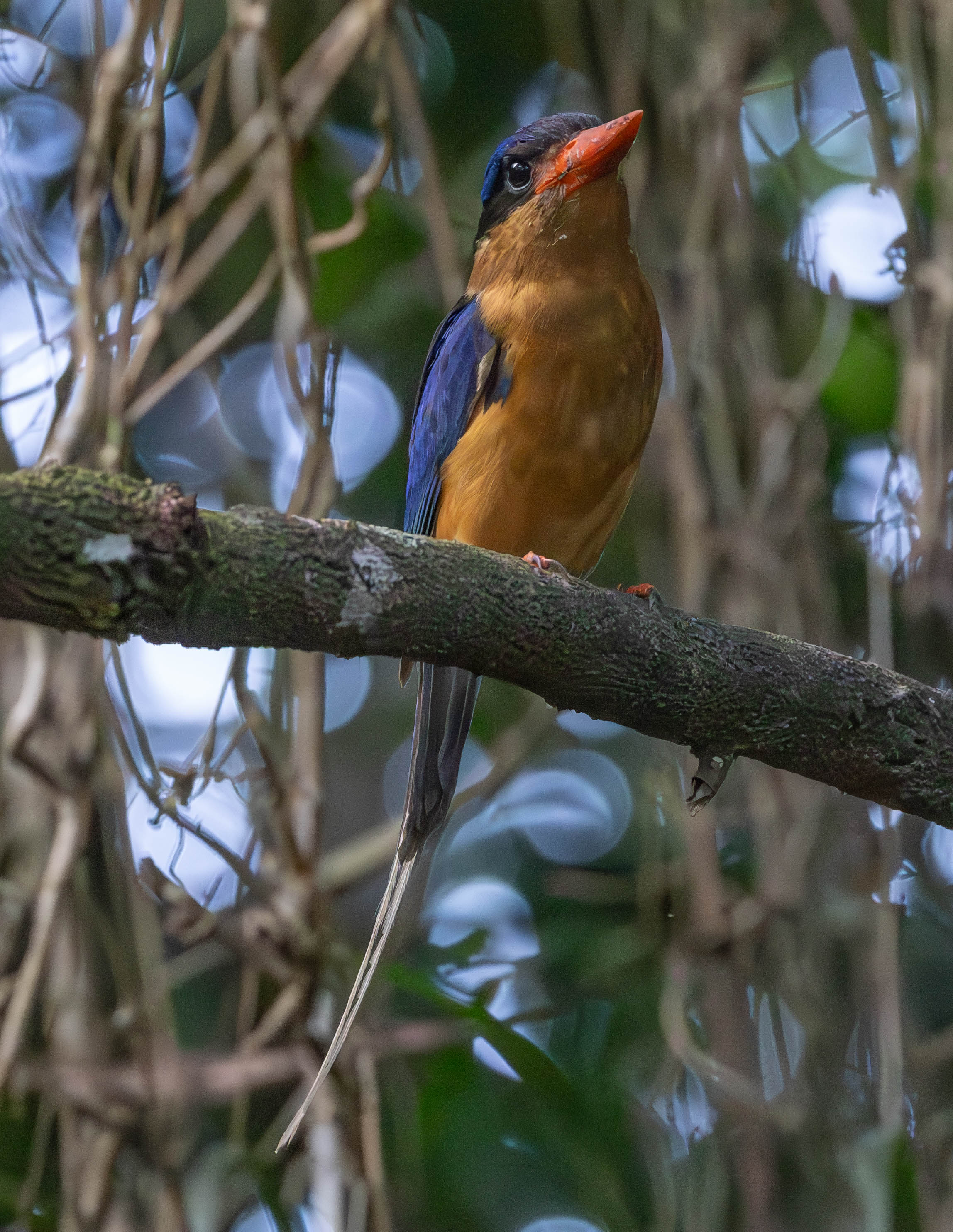
The header image is a Buff-breasted Paradise Kingfisher one of the last birds we saw in the Atherton tablelands before we started the return journey to Cairns.

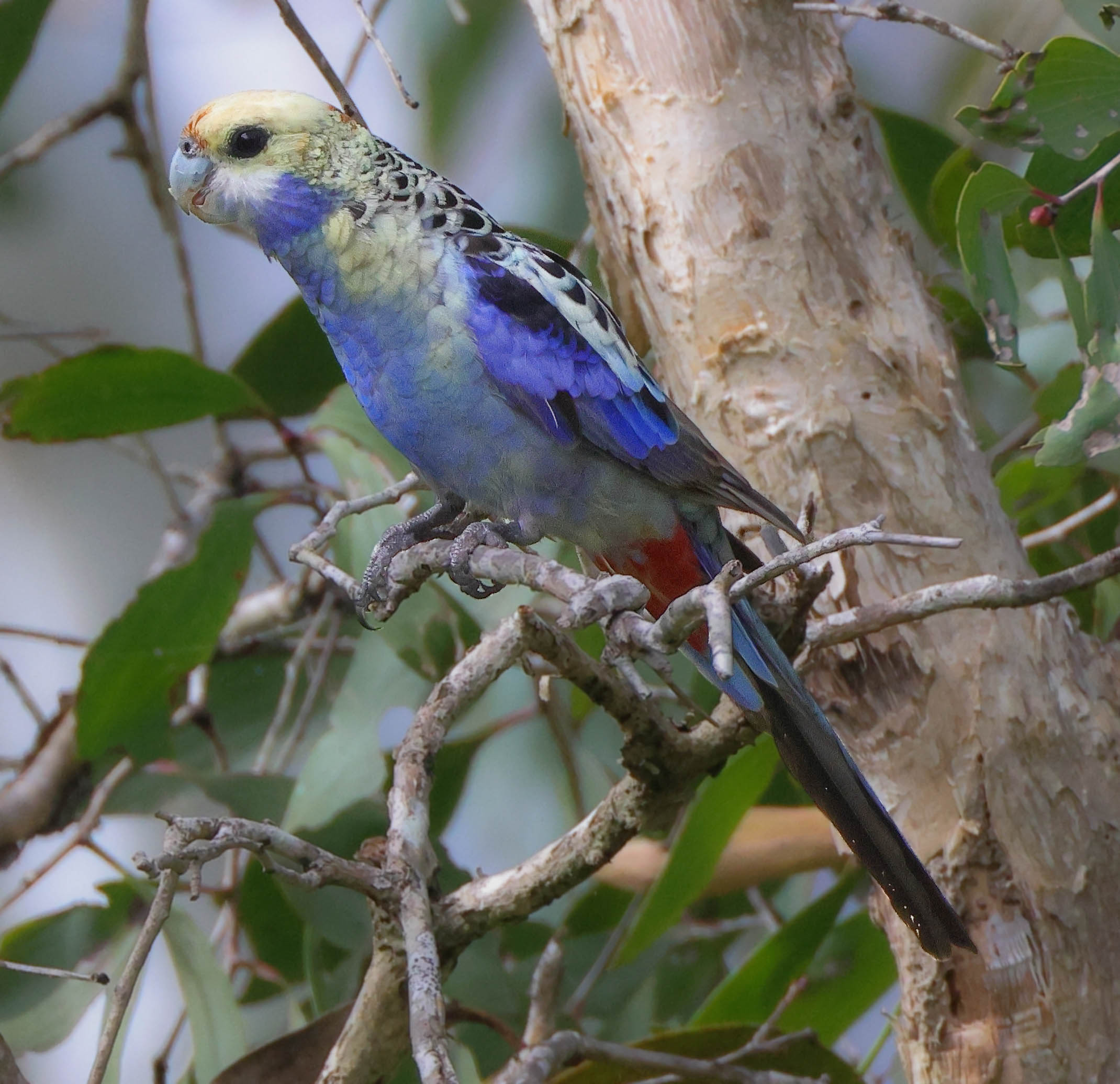
Pale-headed Rosella

Oriental Dollarbird

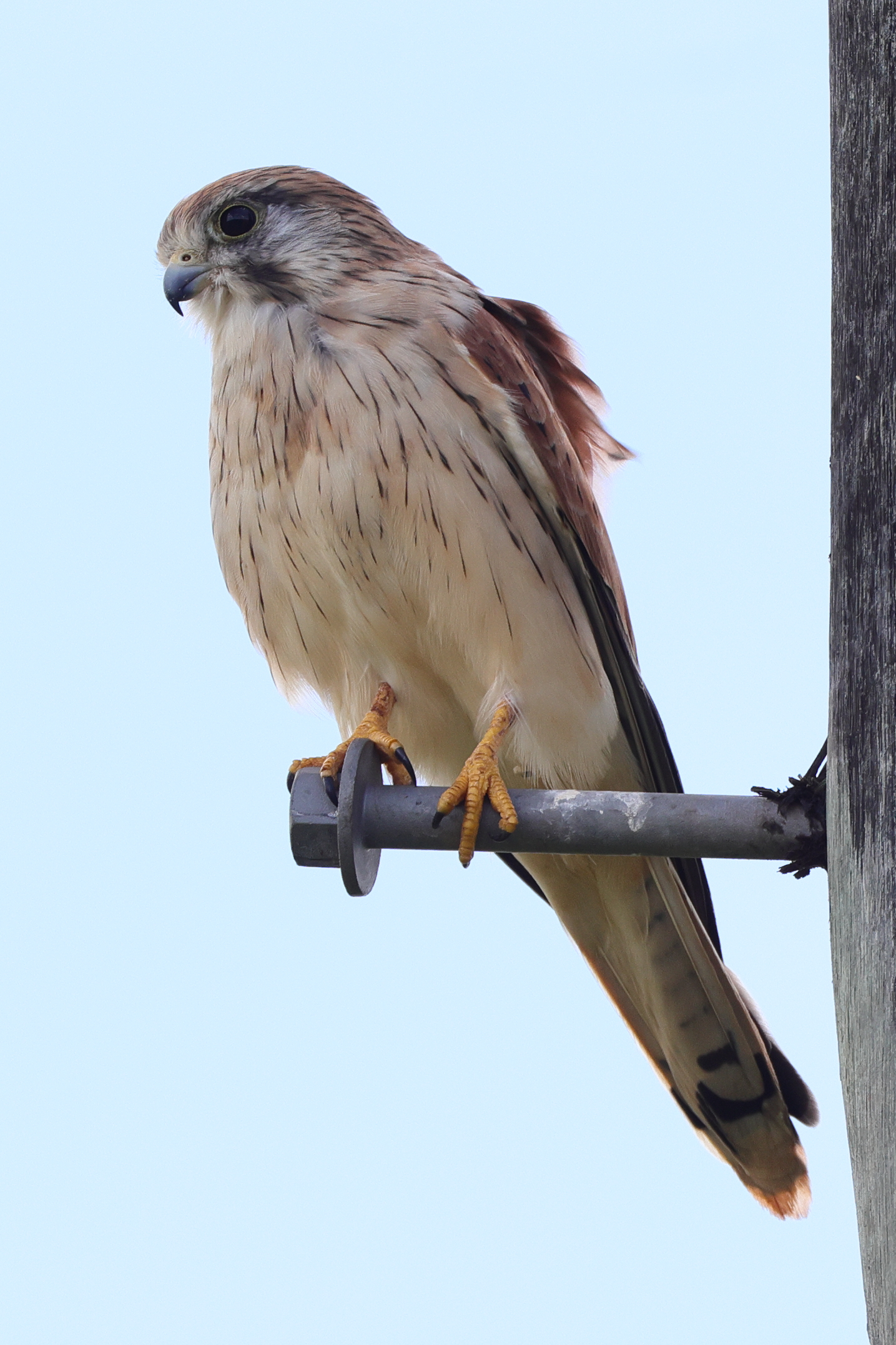
Nankeen Kestrel

Australasian Bustard

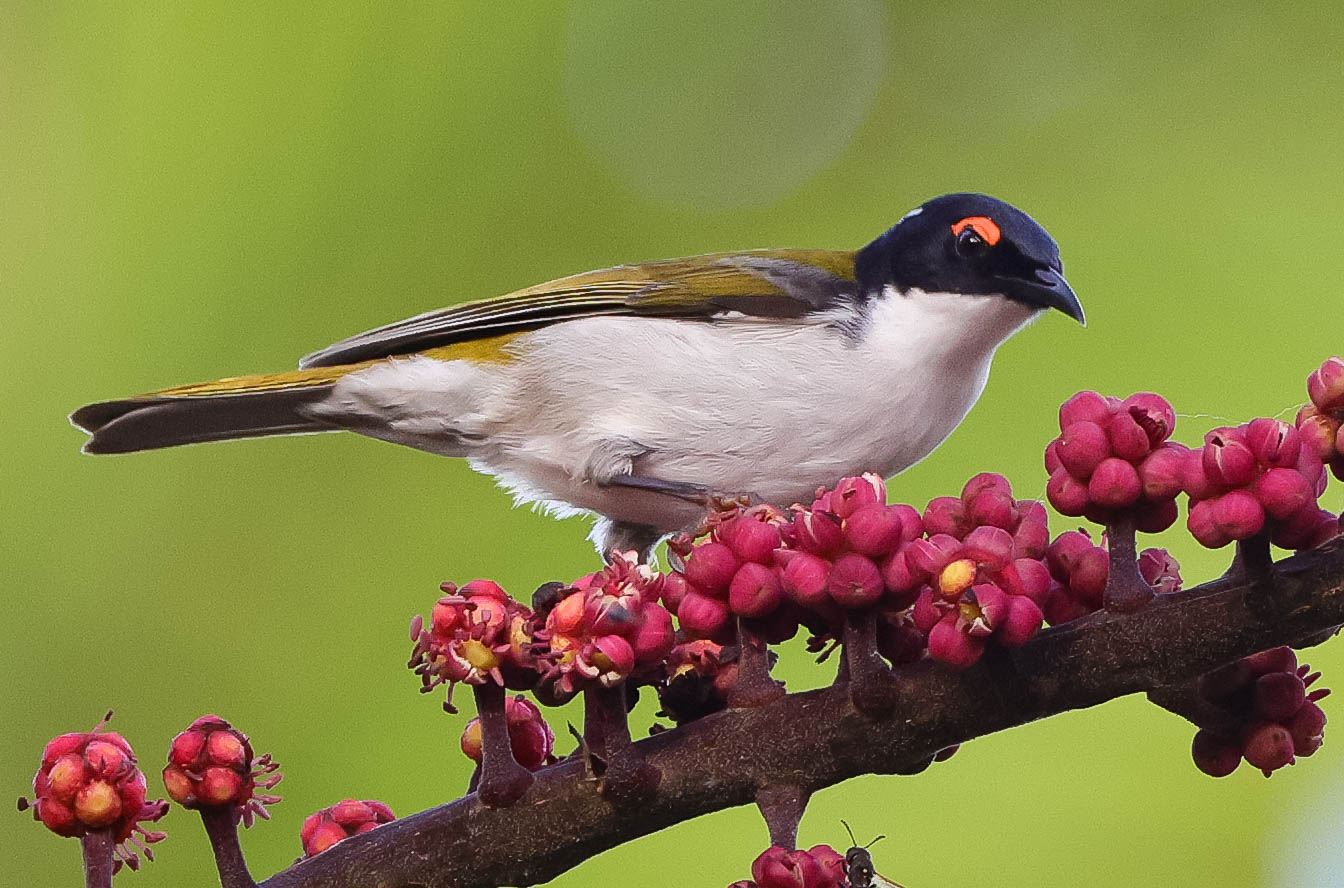
White-naped Honeyeater

A front view of the Buff-breasted Paradise Kingfisher

Australia trip: Queensland, day 2, nocturnal tour

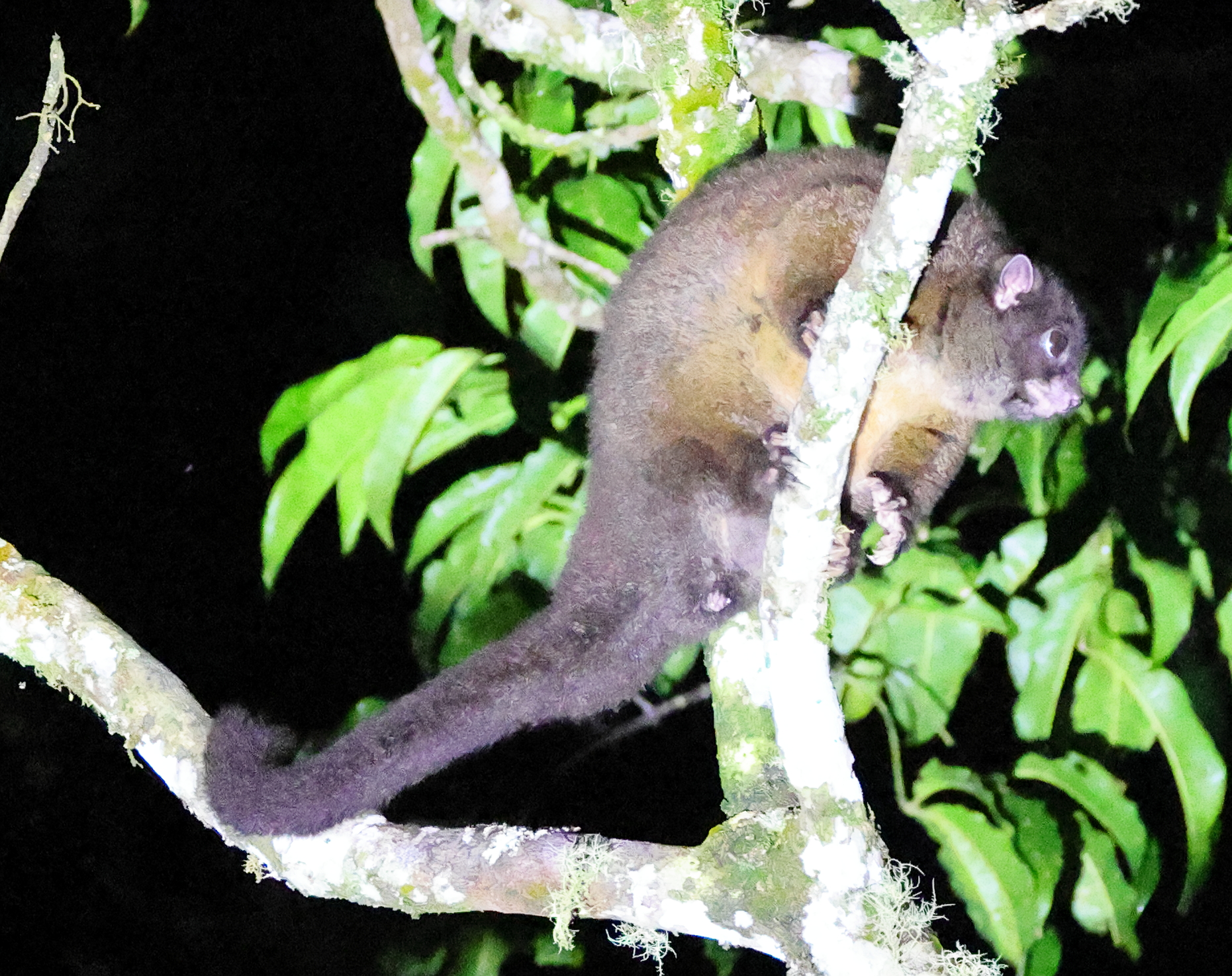
I had never before tried to go wildlife watching in the dark, but with Patrick De Geest as my guide, it was a great experience. The header image is a Lumholz’s Tree Kangaroo

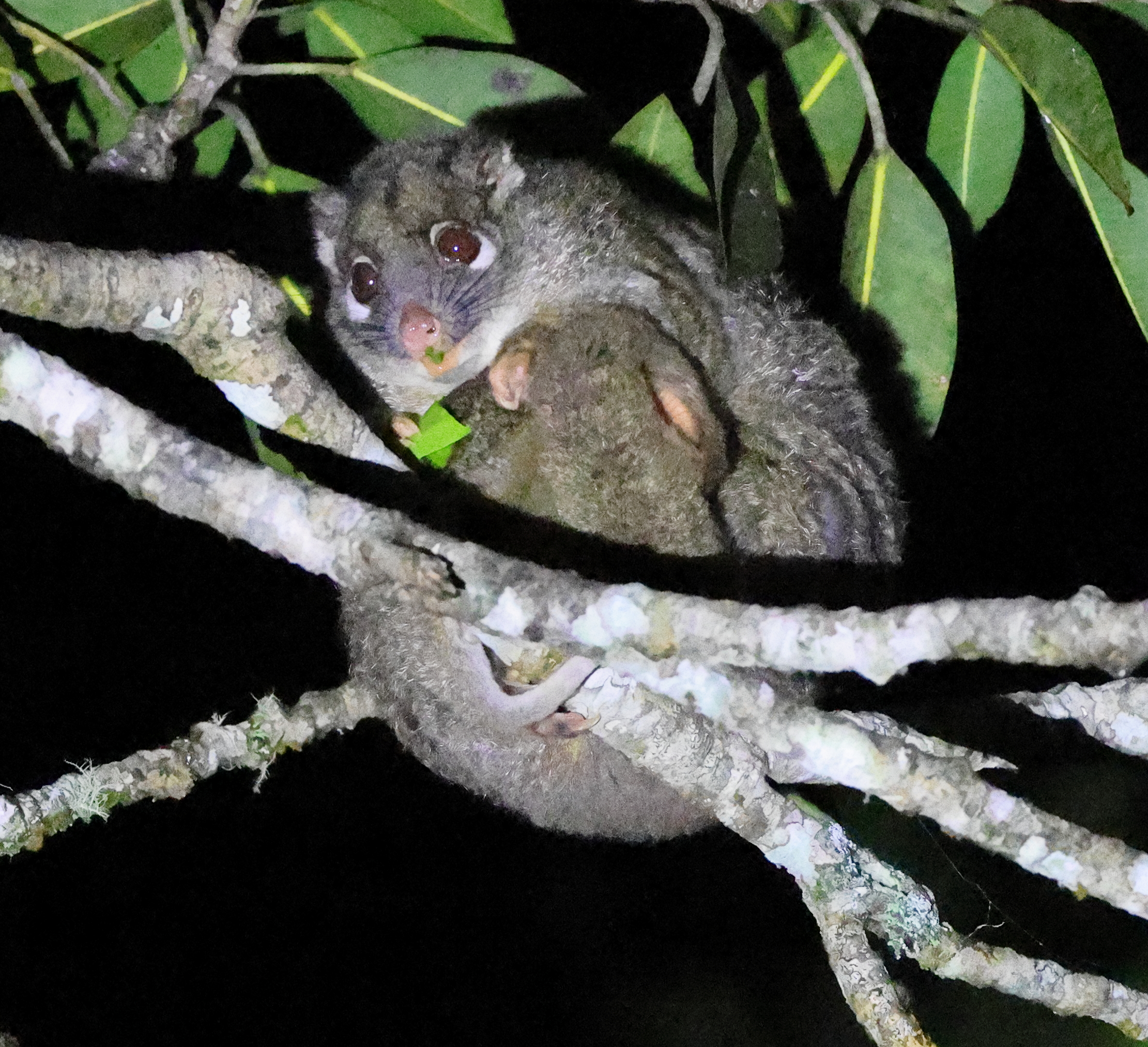
Green Ring-tailed Possum, carrying a baby

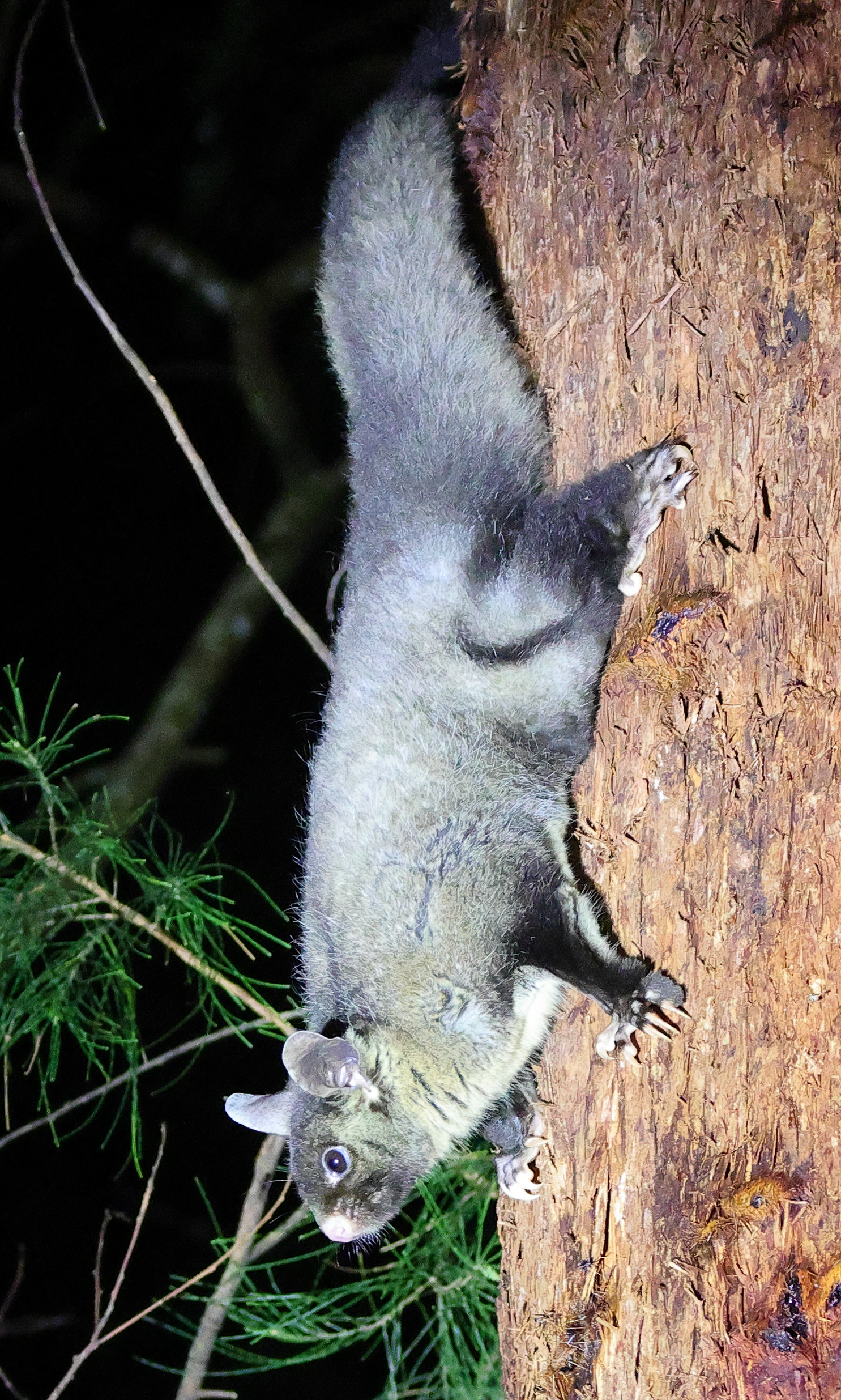
Striped Possum

Yellow-bellied Glider

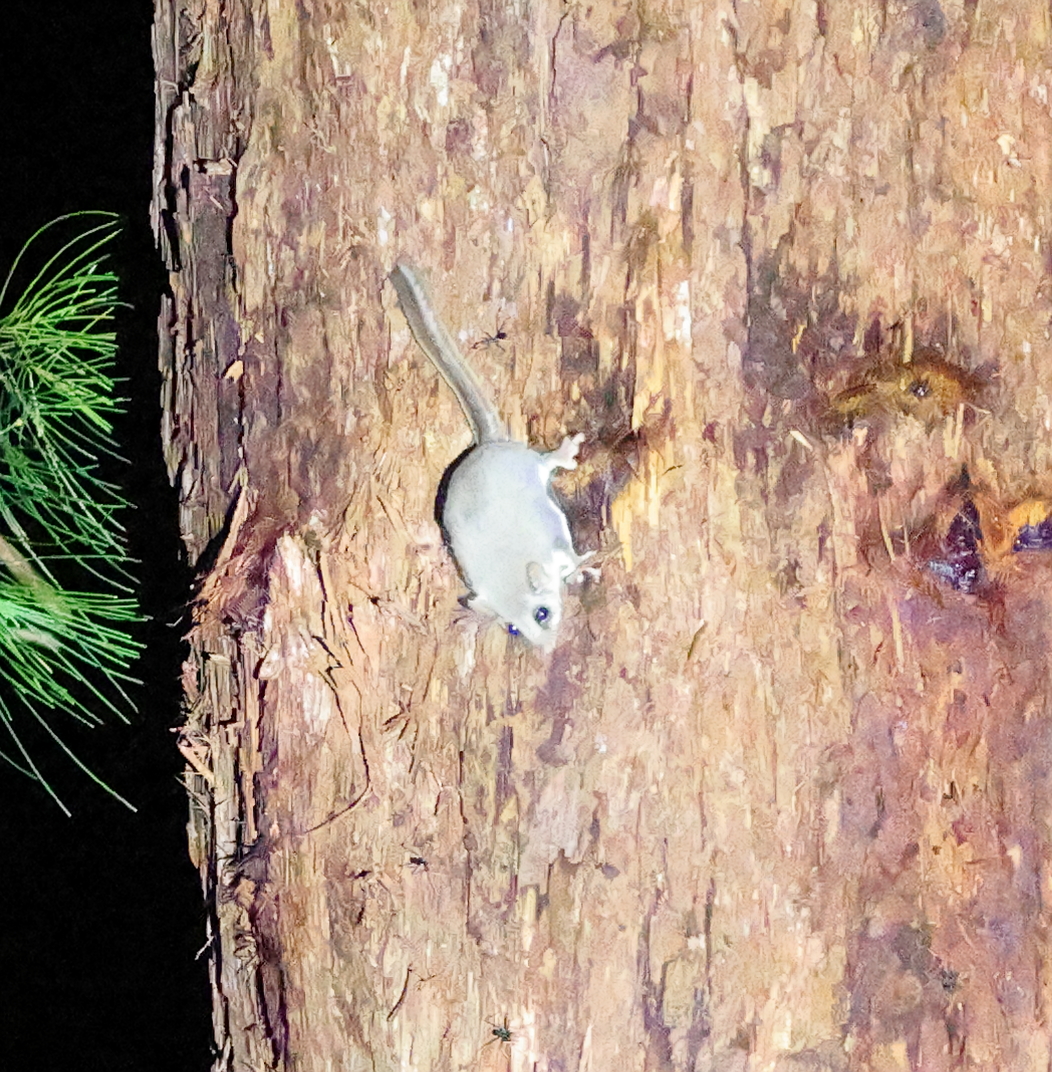
This is the smallest gliding mammal (a marsupial), the Broad-toed Feathertailed Glider

Lumholz’s Tree Kangaroo

Australia trip: Queensland, day 2

The next two days I was guided by Patrick De Geest from Eyes on Wildlife, who was an excellent guide and good company, with an extensive knowledge of all the wildlife, birds, mammals, reptiles, amphibians and of the plants also. We had a great day starting in Cairns then heading to Atherton, and finished the day with a nocturnal trip during which we saw possums, gliders, lizards, bats, and a kangaroo that lives in trees.

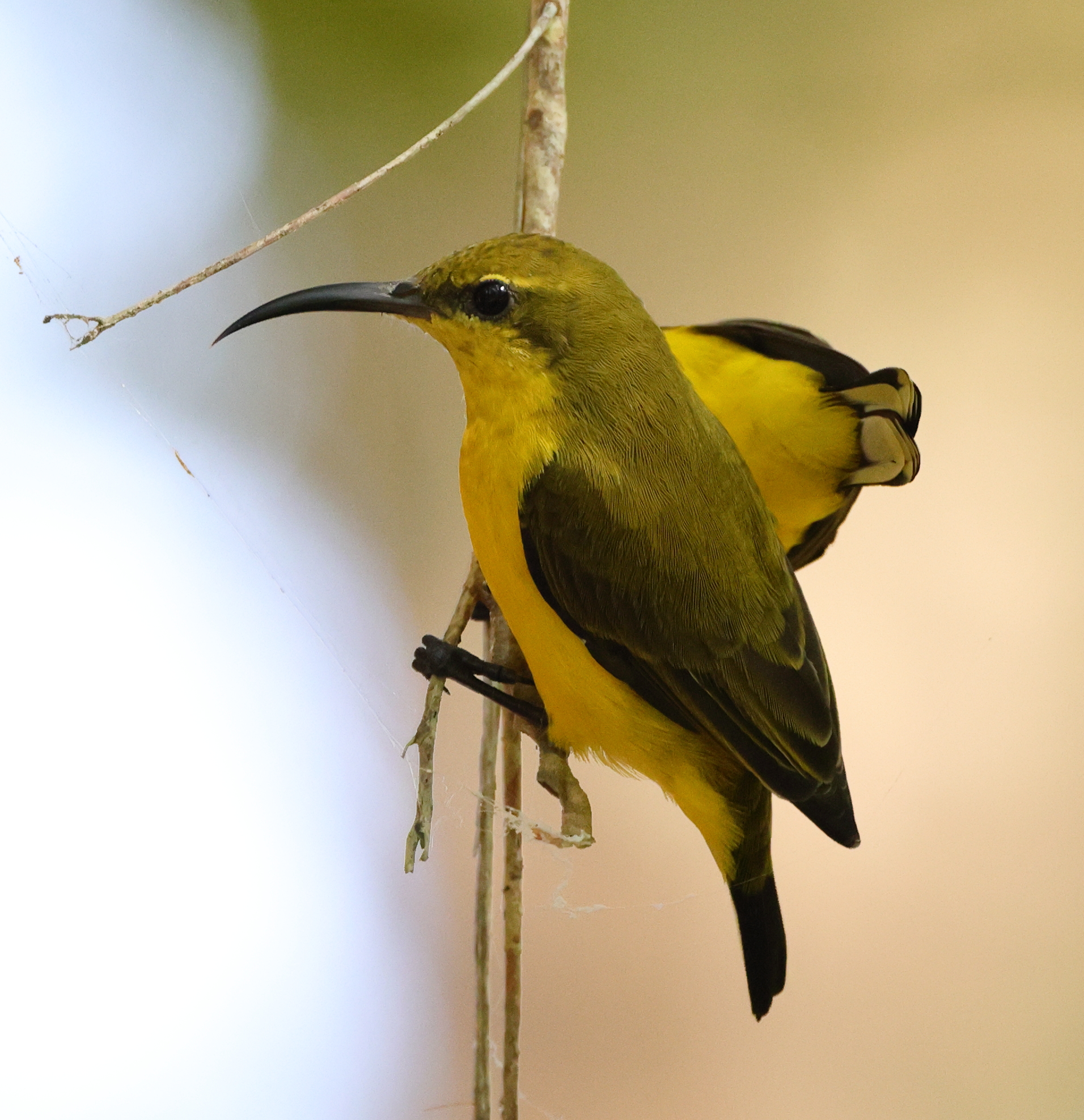
Olive-backed Sunbirds, the header image is a male Olive-backed Sunbird, the closer one in this image is a female, without the blue throat.

This Scarlet Myzomela is one of a large group of birds known as the Honeyeaters, who all gorge on nectar whenever the trees (or other plants) are producing.

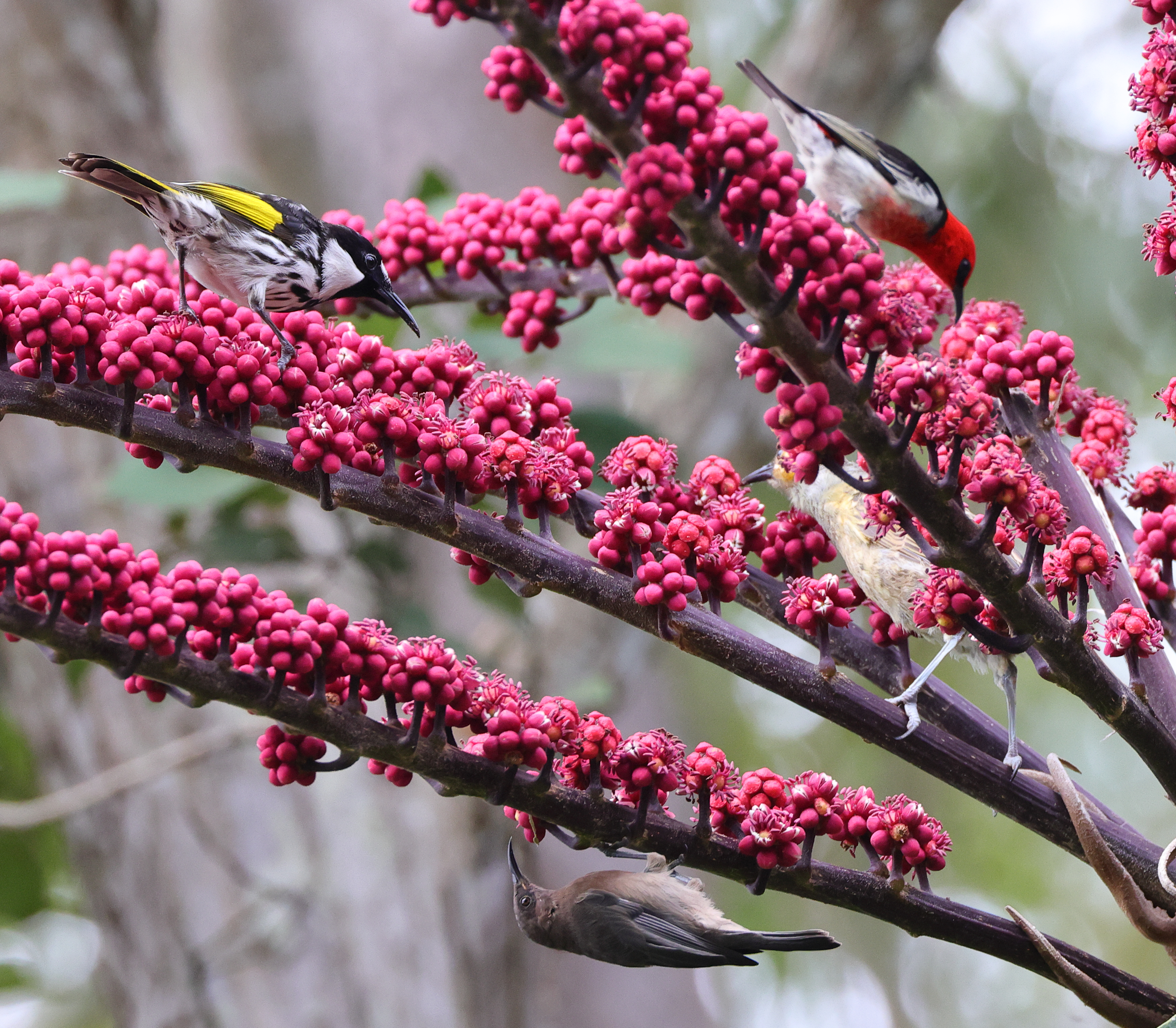
This Umbrella tree was full of many different species of Honeyeater, including White-Cheeked, Scarlet, MacLeay’s and Brown (clockwise from top left)

A better view of the MacLeay’s Honeyeater

Chestnut-breasted Mannikin

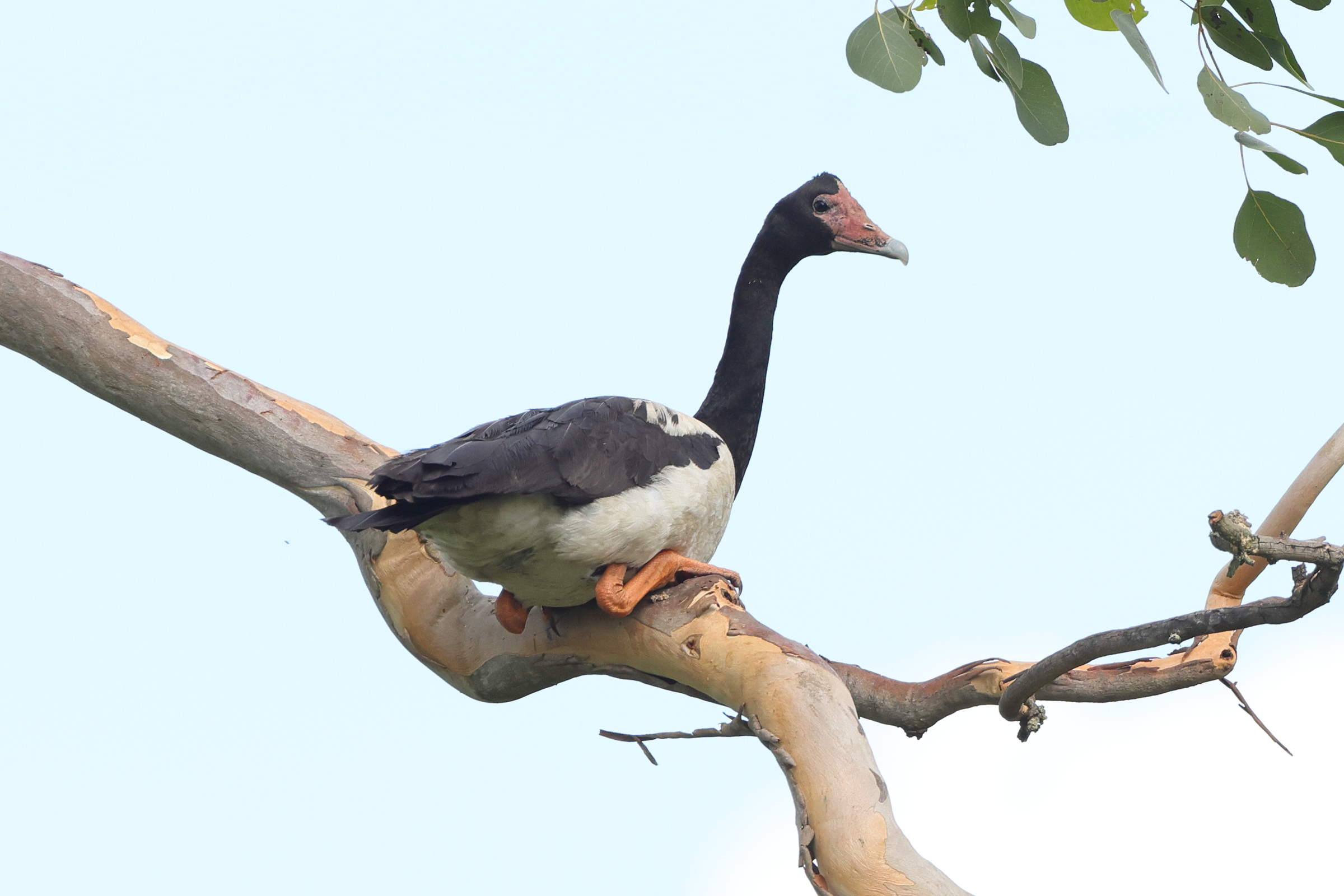
I had never before seen a Goose sitting in a tree! This is a Magpie Goose.

Australia trip: Queensland, day 1

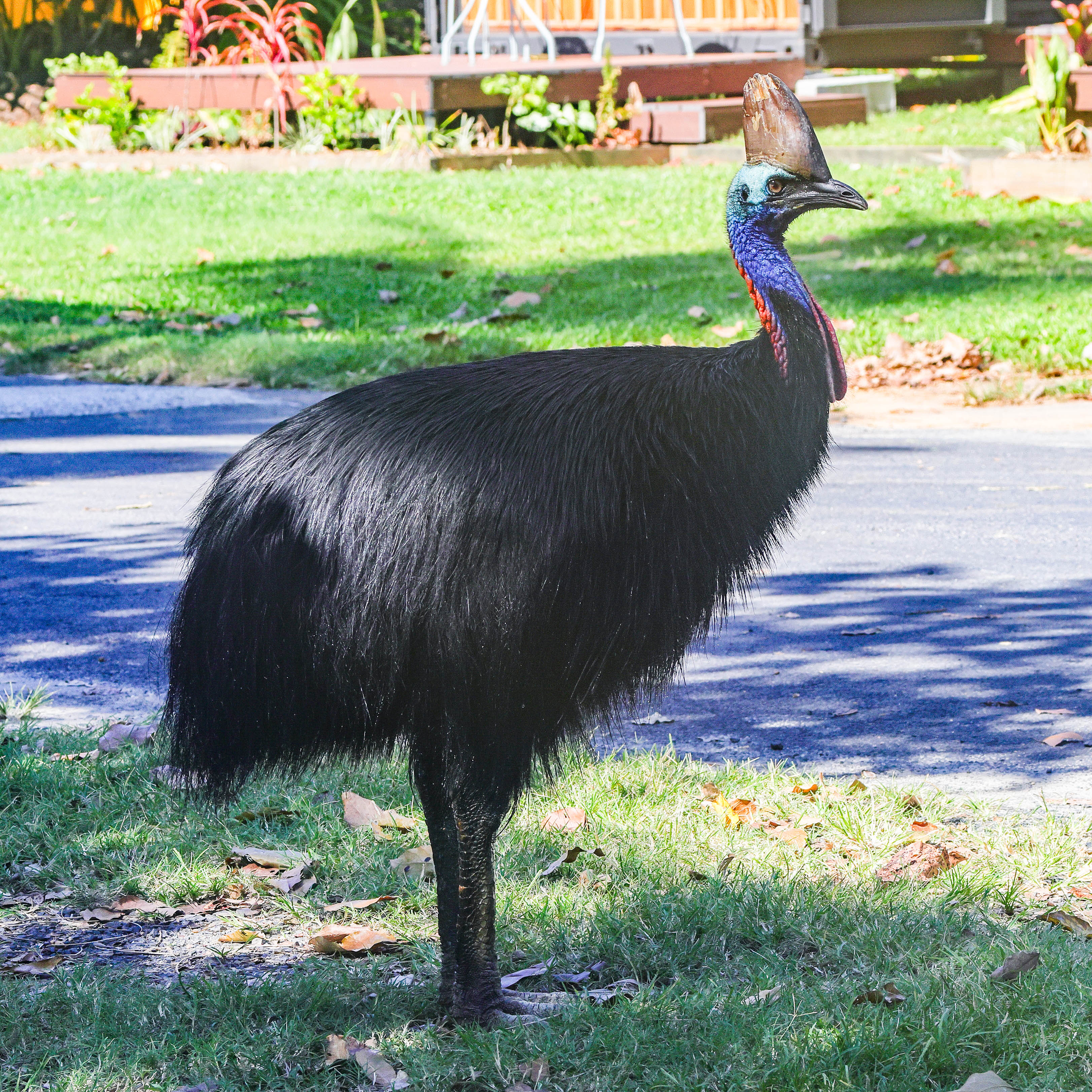
I decided to extend the Australia trip with a visit to Cairns and the Atherton tablelands. The first day in Cairns I was on my own, but with the advice of a guide I searched out the Southern Cassowary shown in the header image.

Southern Cassowary

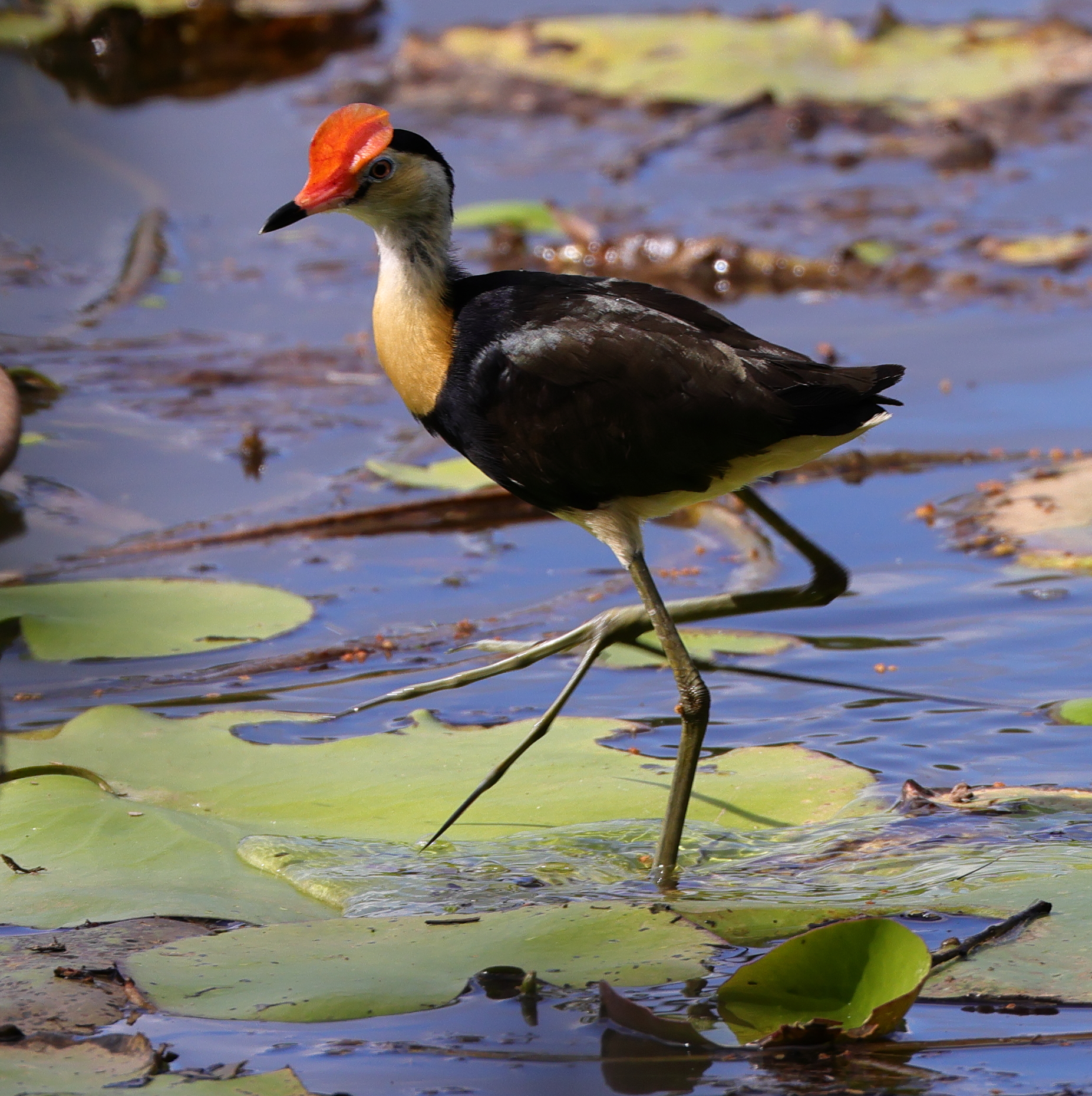
The feet on this Comb-crested Jacara are amazing

The Bar-Tailed Godwit has the longest non-stop flight of any bird, with the south-bound migration being about 12,000 km from Alaska to Australia or New Zealand. Before the flight they pack on fat, reaching more than 50% of their body weight being fat, and they shrink their digestive organs just before taking off. 12,000 km and about 8 days later they land with little body fat left, and then spend the next months eating.

Little Kingfisher

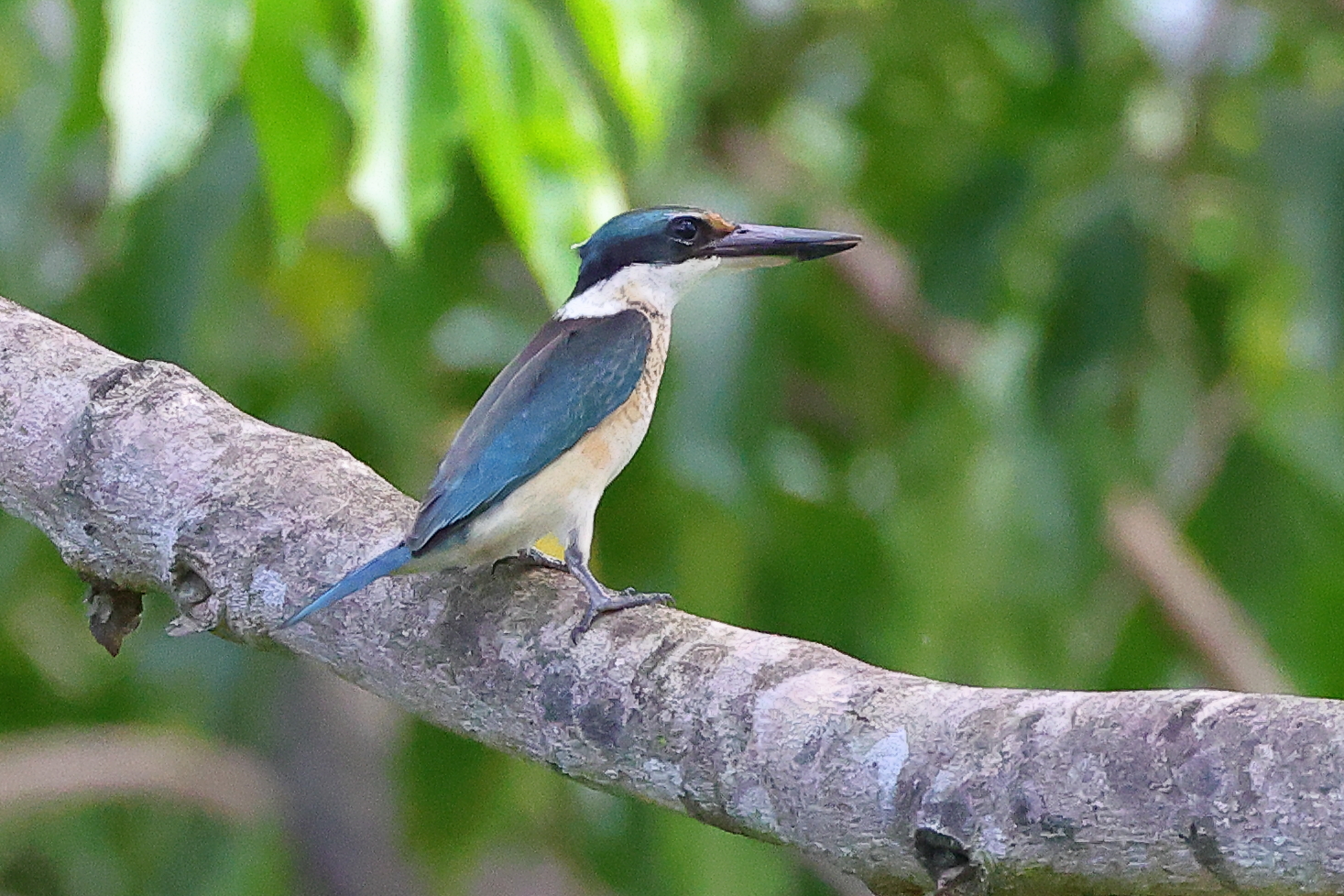
Sacred Kingfisher

Australia trip: Victoria

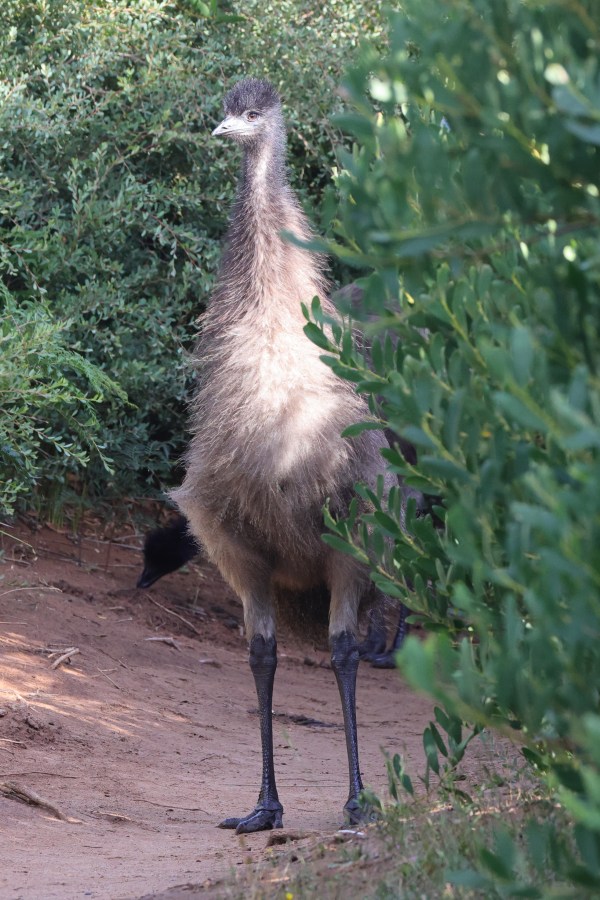
I was fortunate enough to take a trip to Australia very recently, with a few days in Victoria, mostly spent in Melbourne and at Wilson’s Promontory. The header image is a juvenile Emu that we saw there.

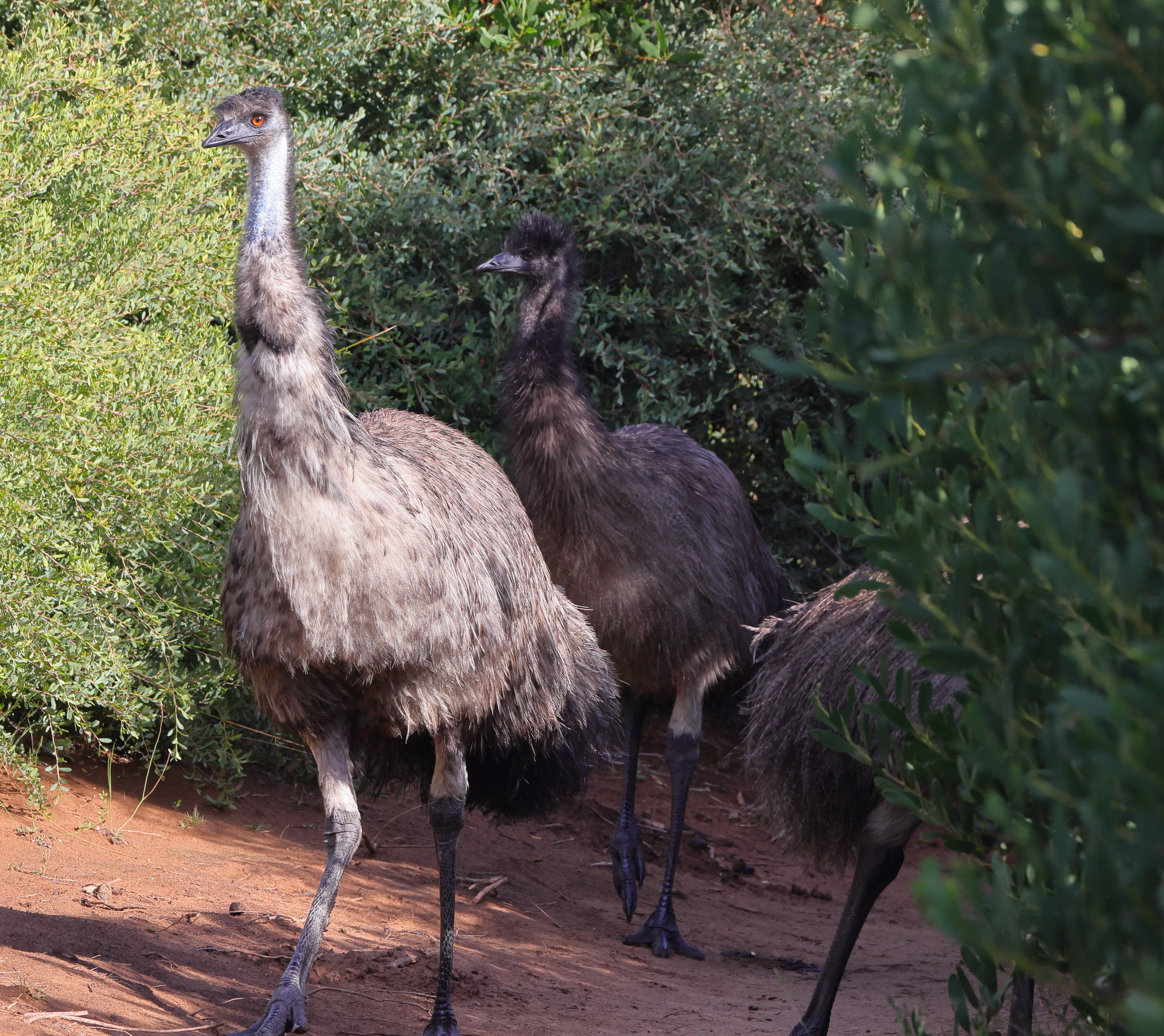
This family of Emus confronted us at Wilson’s Prom, they are huge, the adult’s head being somewhat higher than mine.

Crested Dove

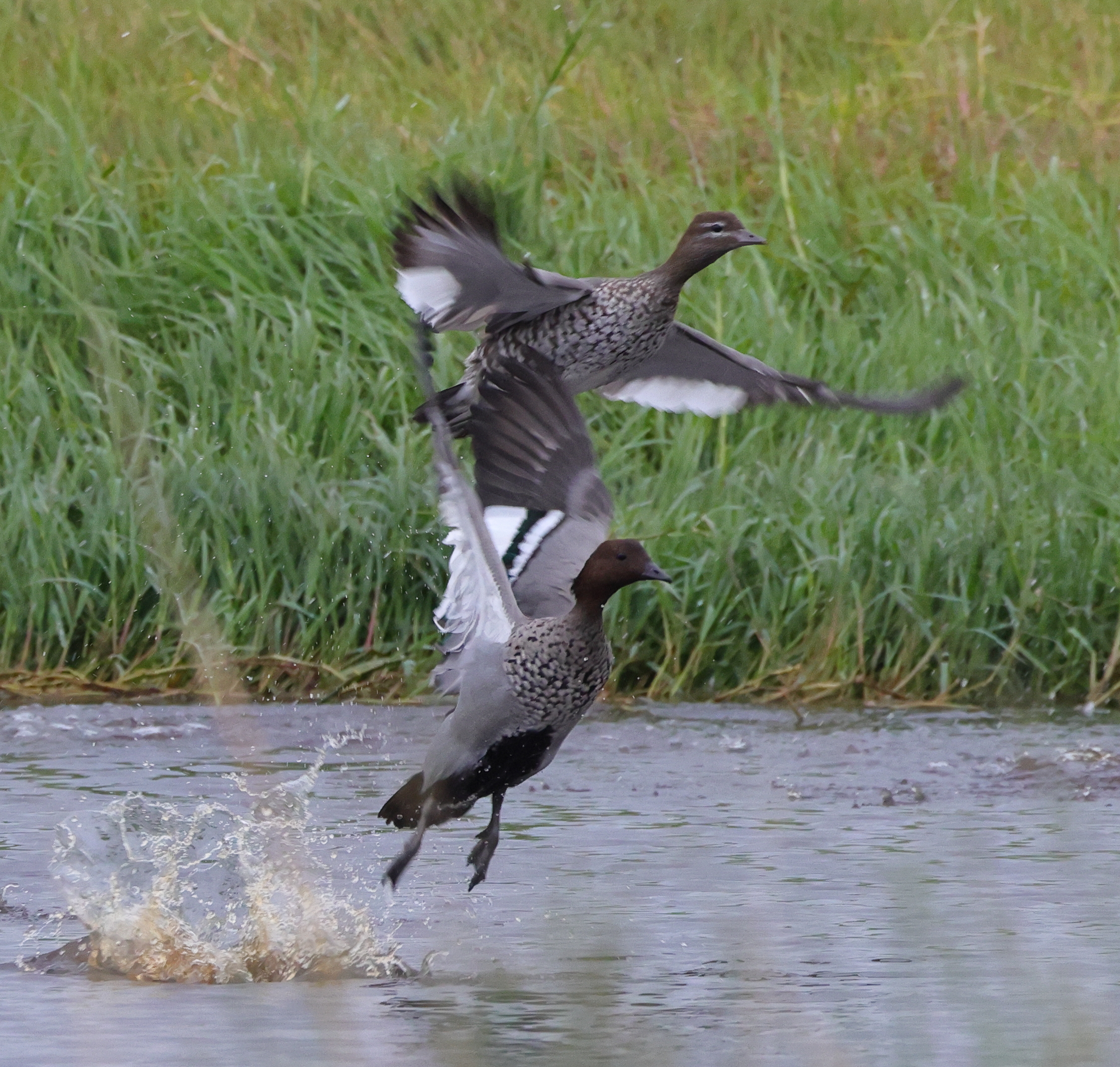
Male and female Maned Ducks taking flight

South-east Arizona Day 3

Cactus Wren, the Arizona state bird

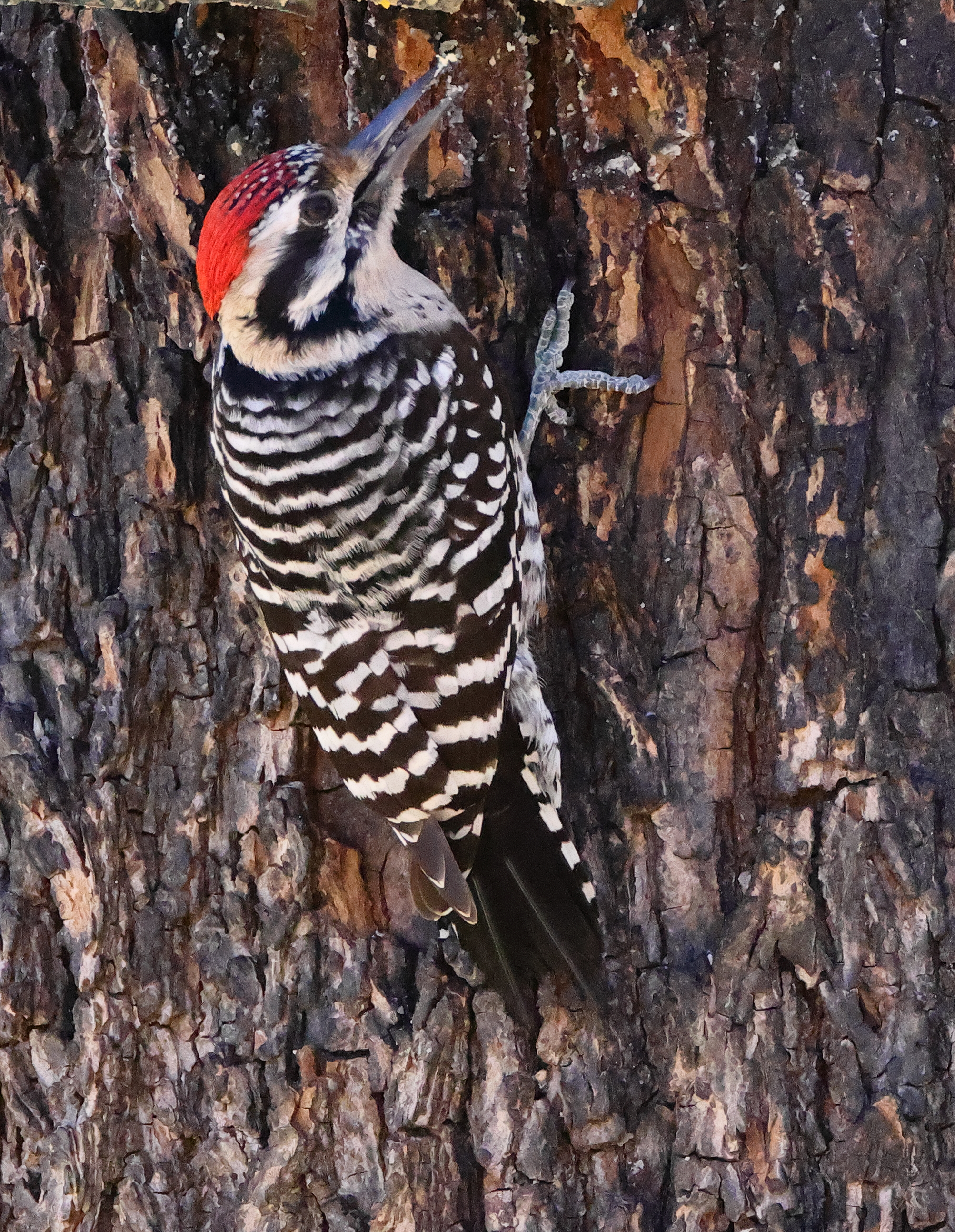
Ladder-backed Woodpecker

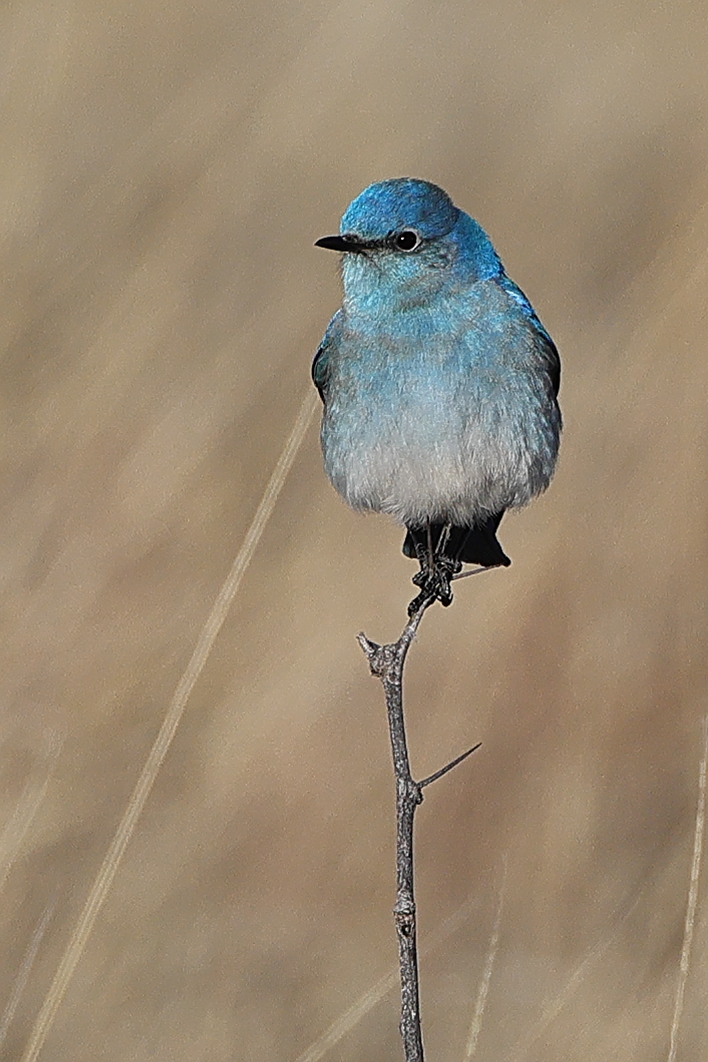
Mountain Bluebird

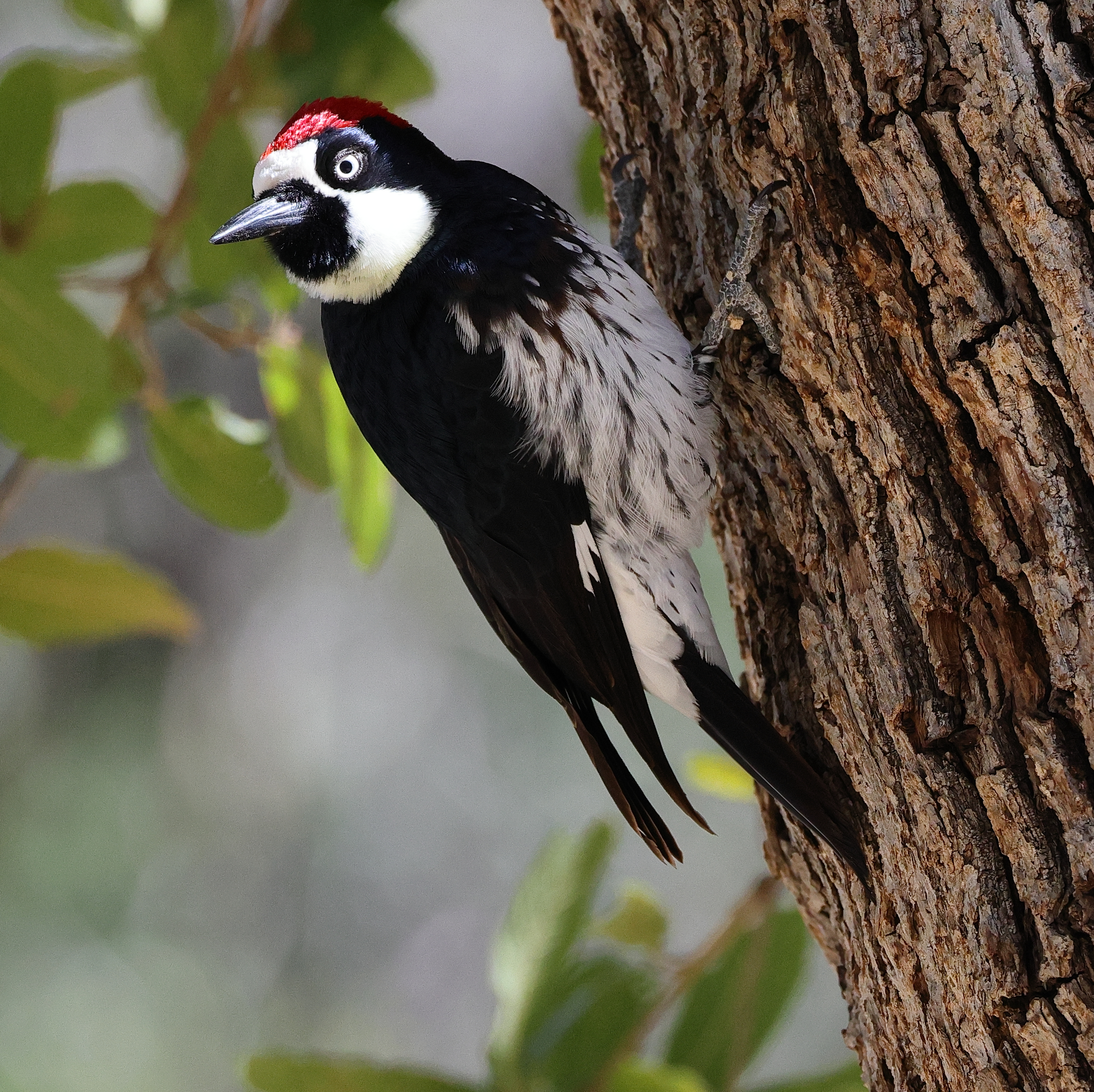
Acorn Woodpecker

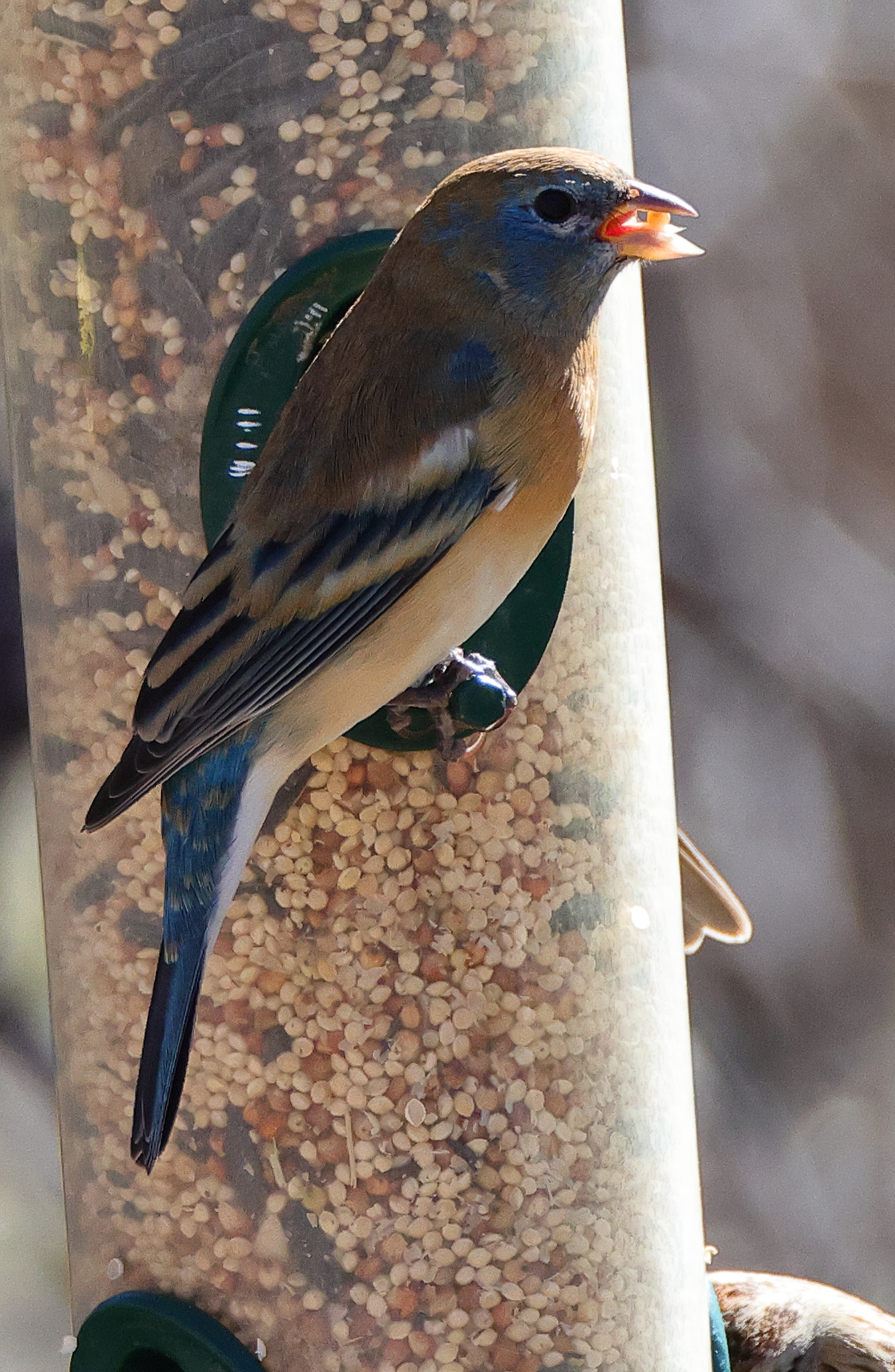
Lazuli Bunting

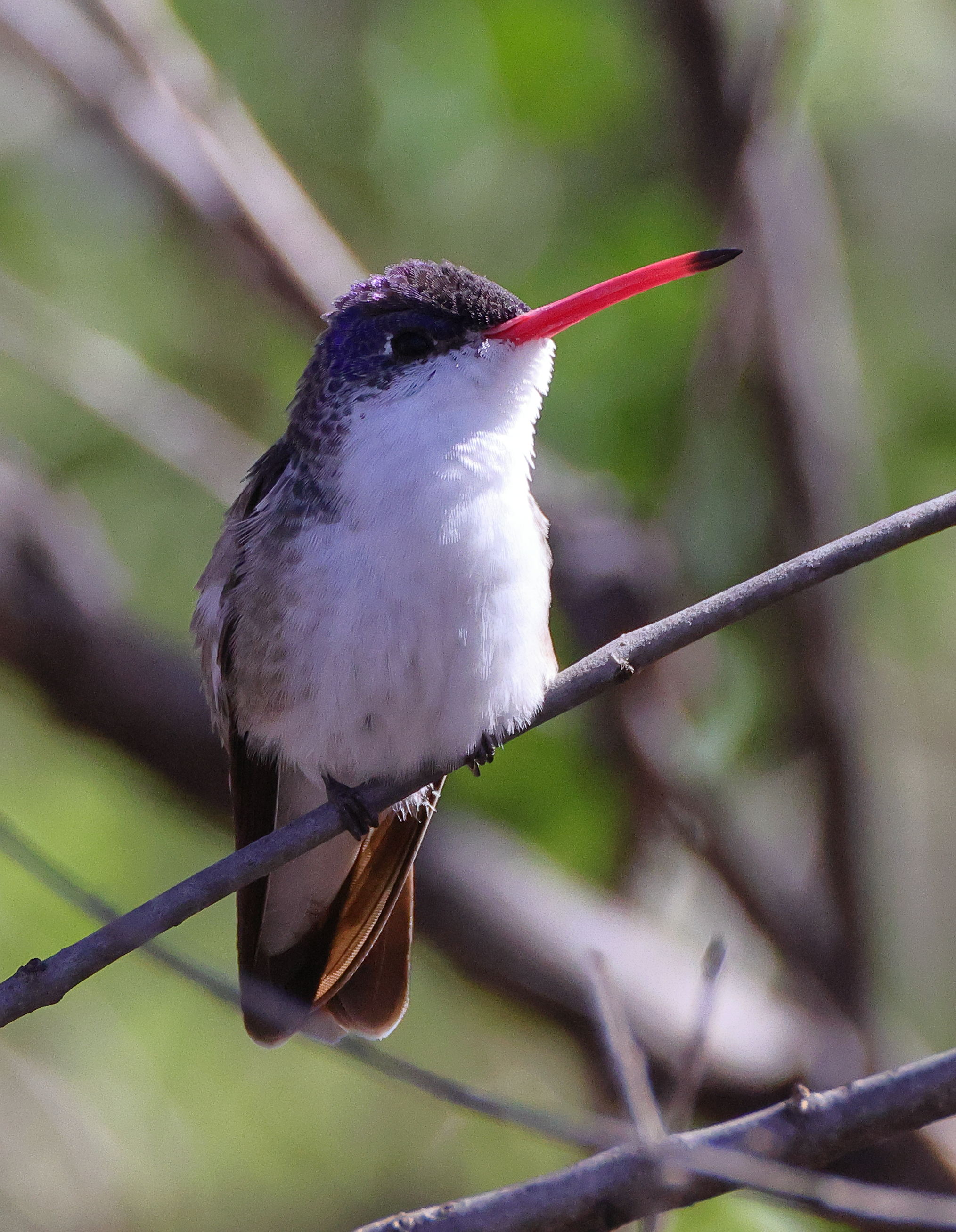
Violet-crowned Hummingbird

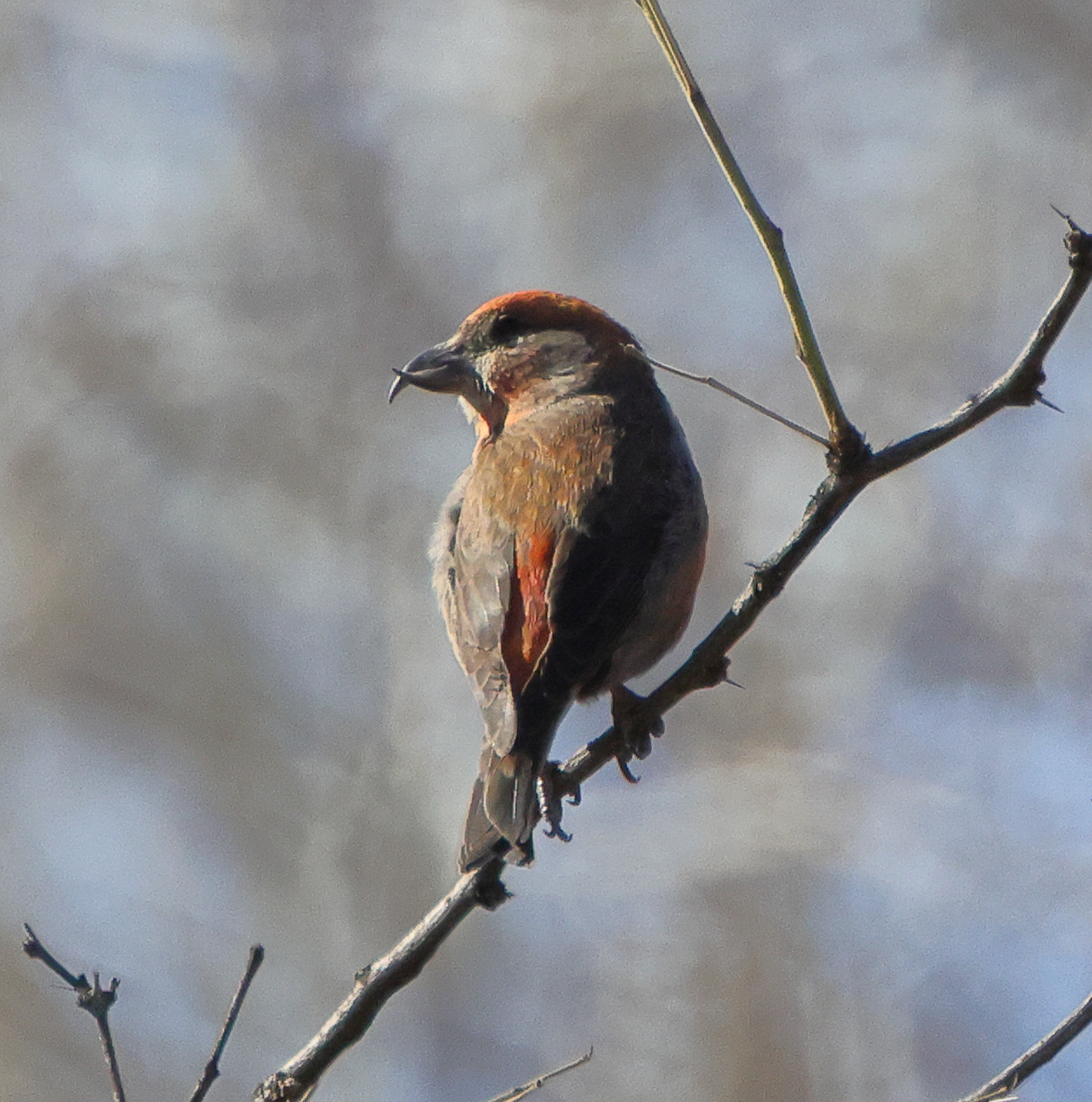
Red Crosbill

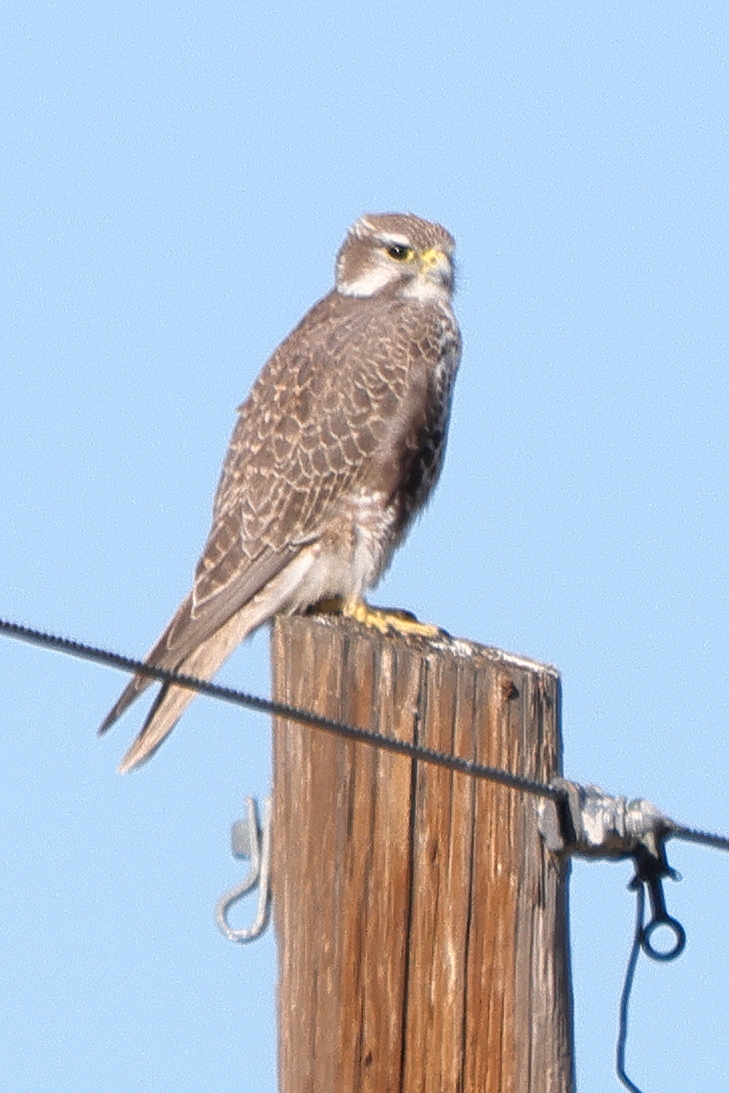
Prairie Falcon

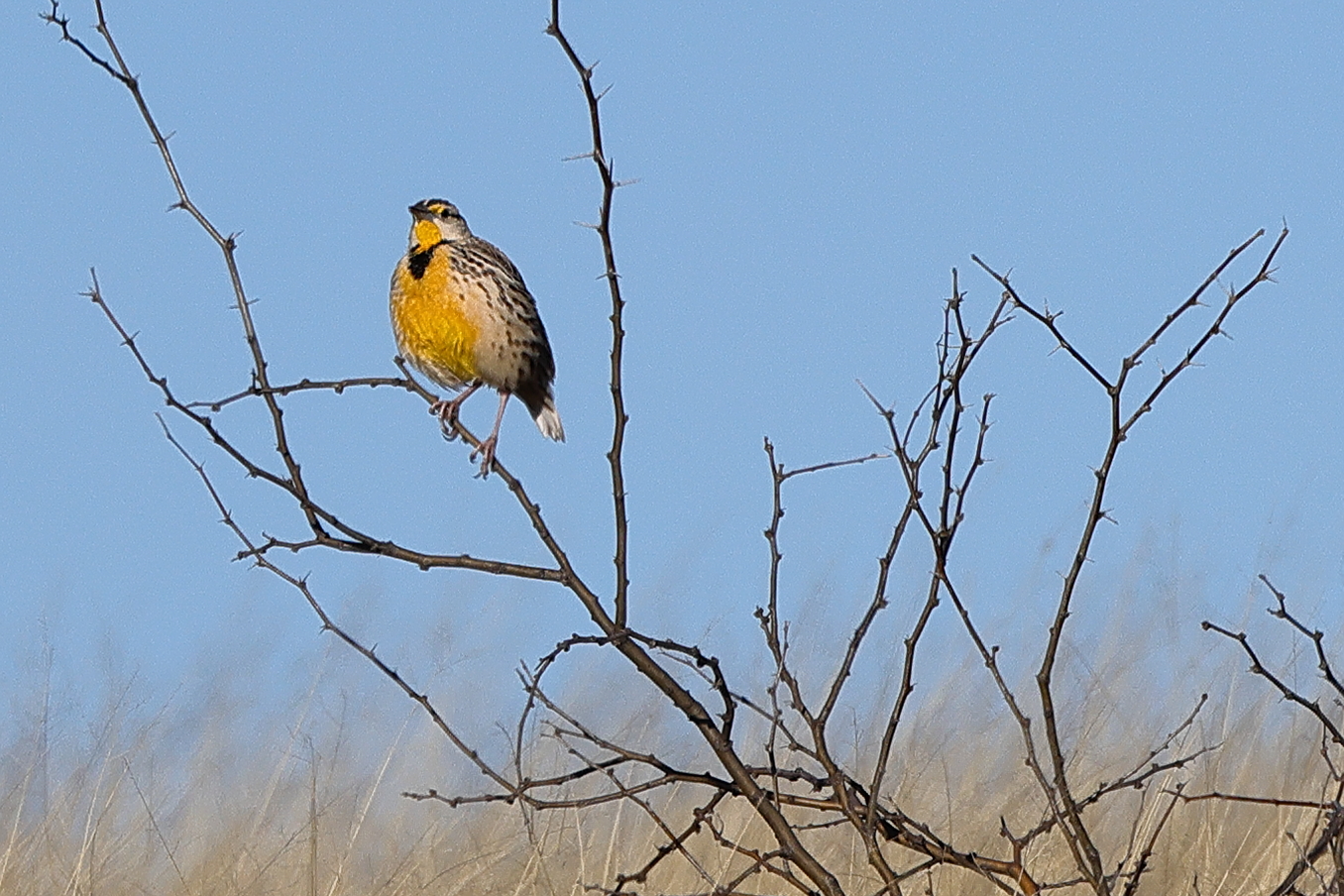
Western Meadowlark

South-East Arizona, Day 2

Black-throated Gray Warbler

The drive down from Phoenix took me to a few kilometres from Mexico at the Casa de San Pedro, a very pleasant B&B that caters for Birders. The two days I spent there were accompanied by the excellent Nolan from Arizona birding tours, who knew a great deal about bird behaviour, and was able to find almost all the target species on our list.

Pyrrhuloxia

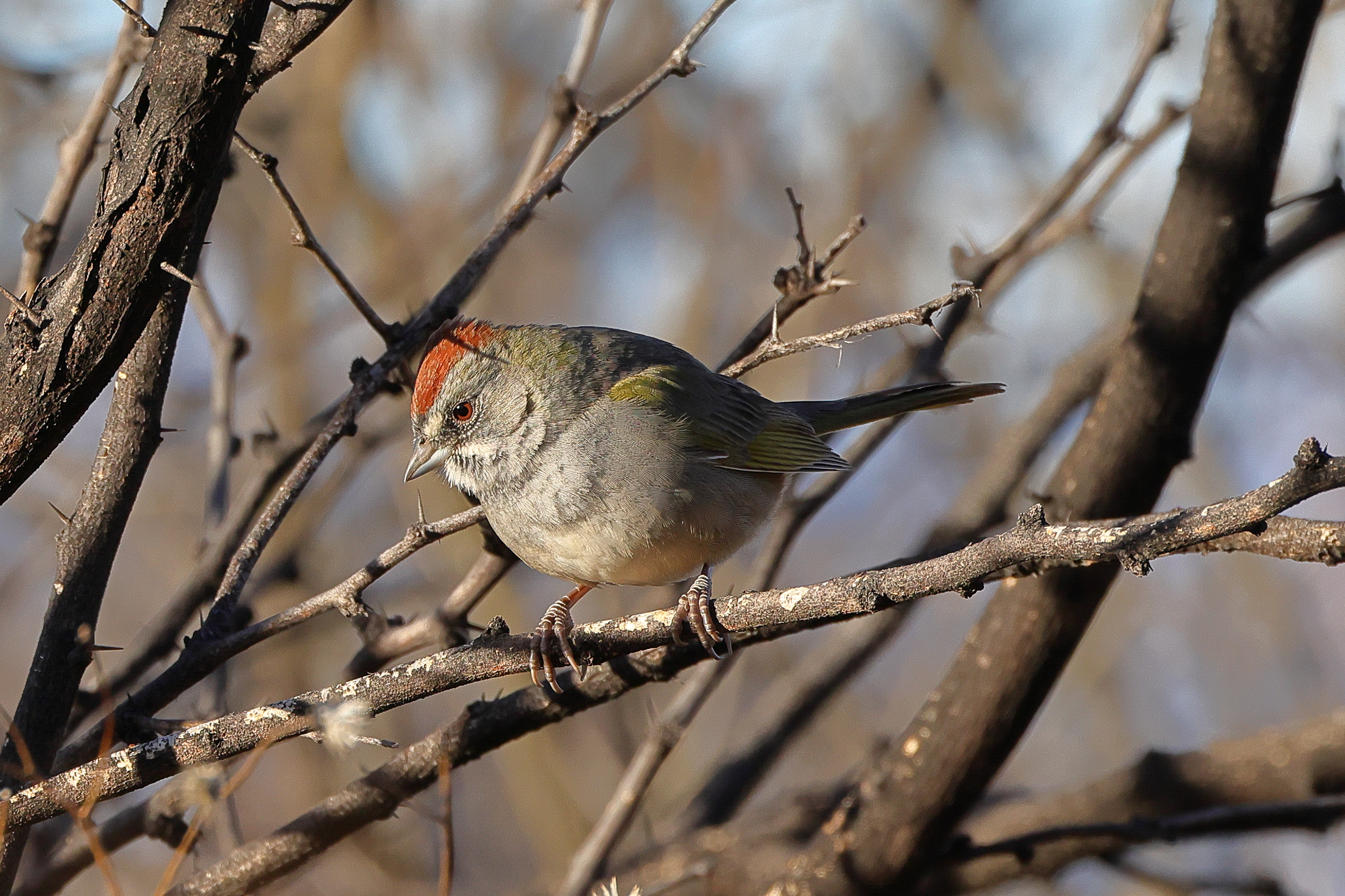
Green-tailed Towhee

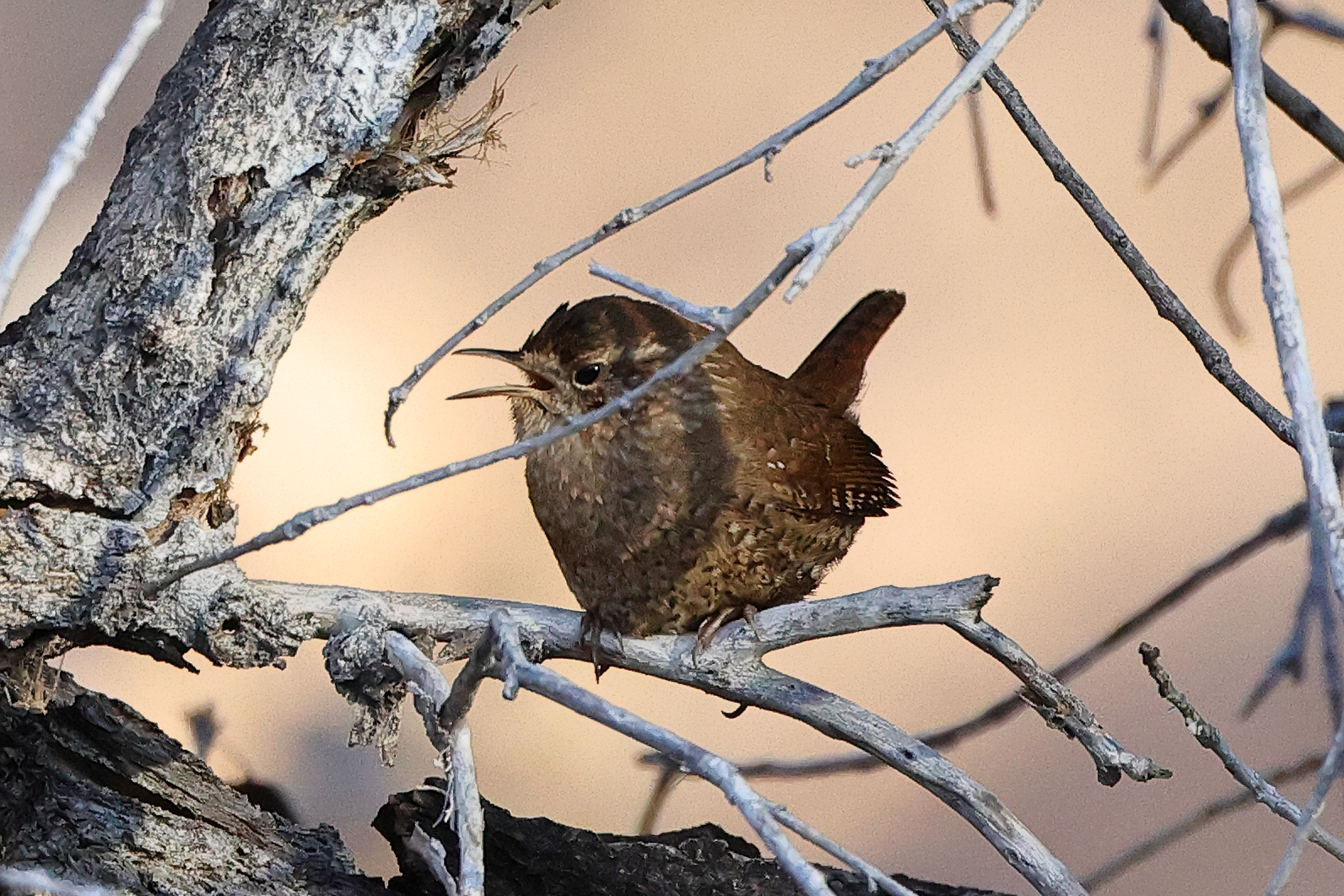
Winter wren

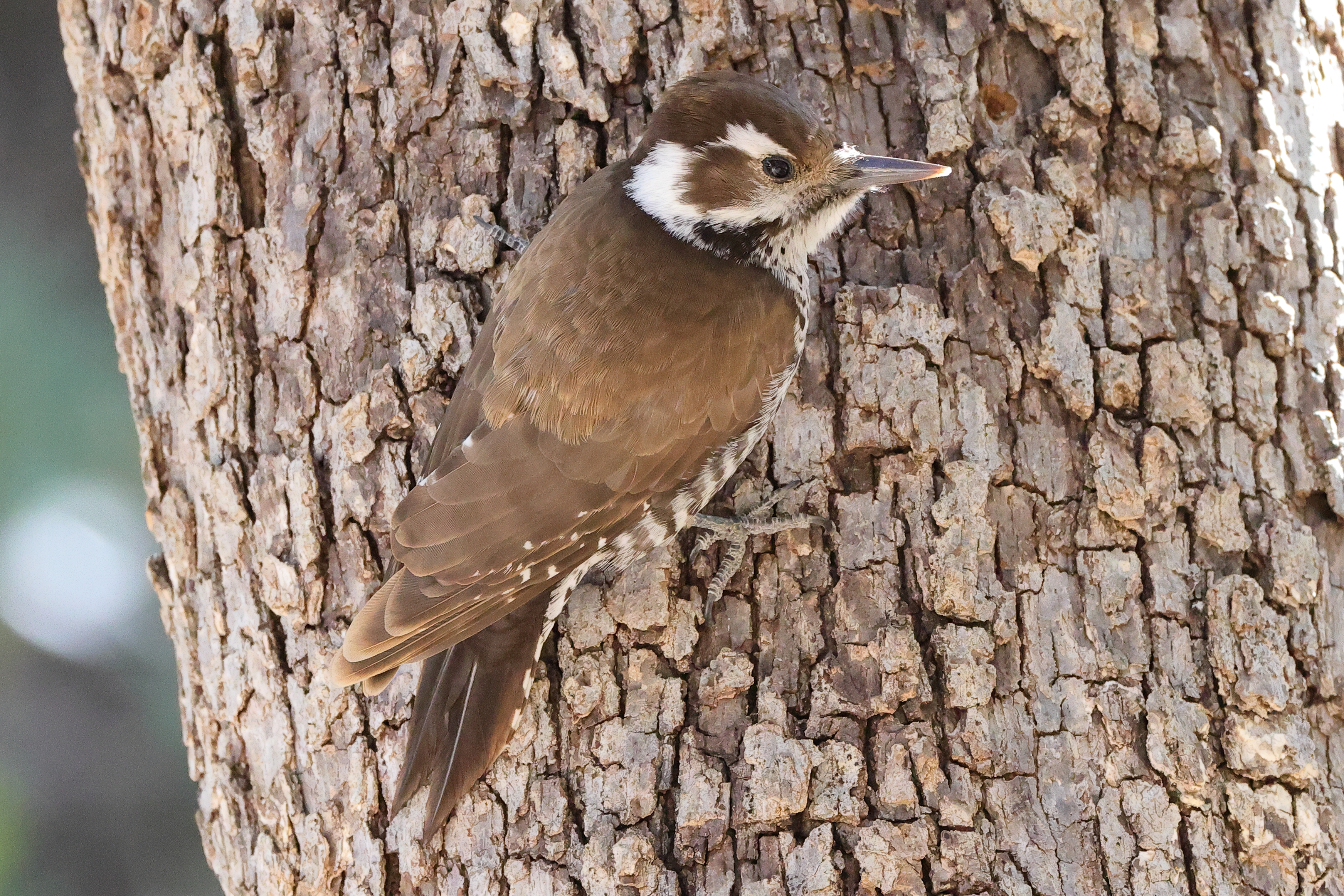
Arizona Woodpecker

Spotted Towhee

Broad-billed Hummingbird

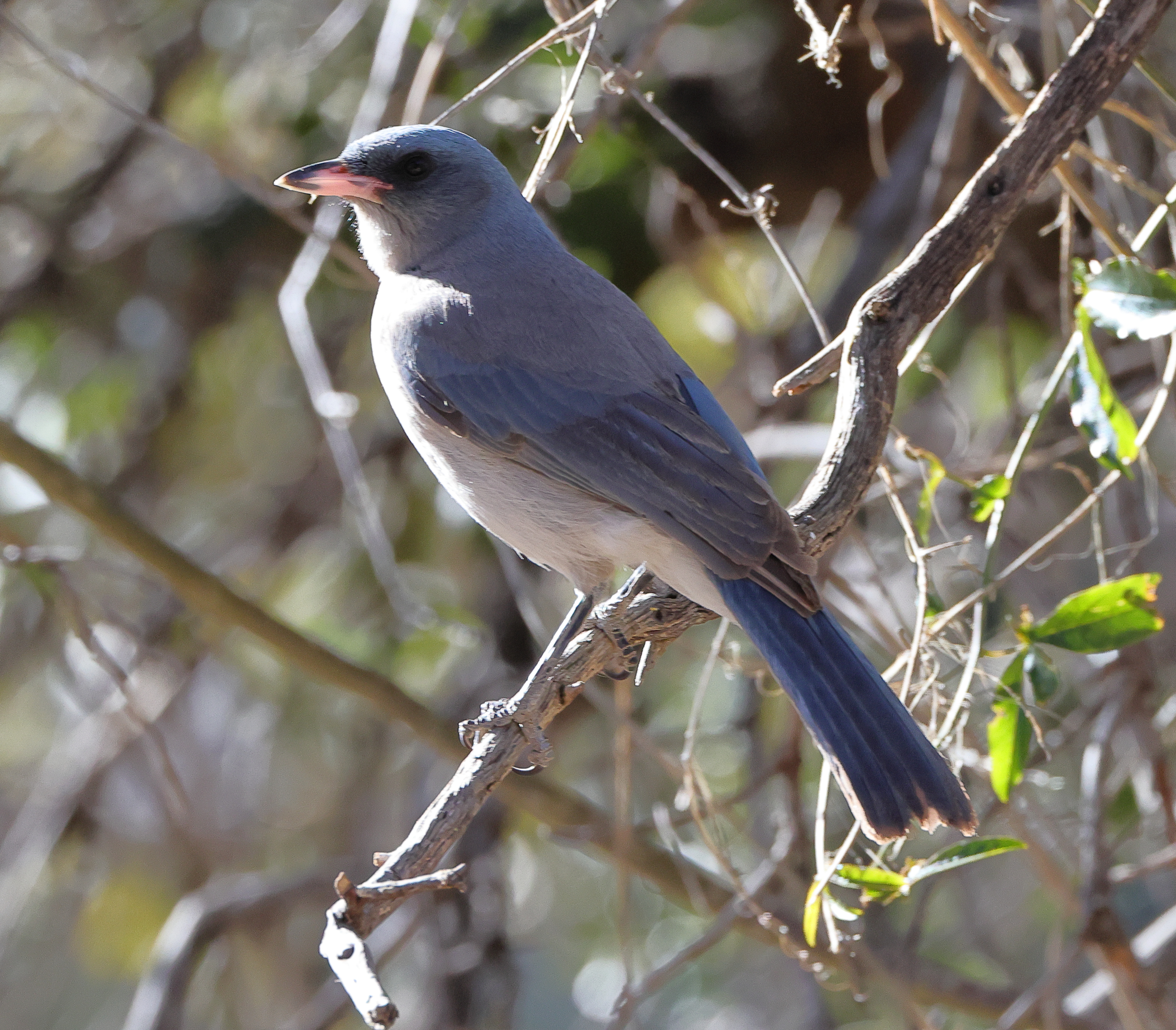
Mexican Jay

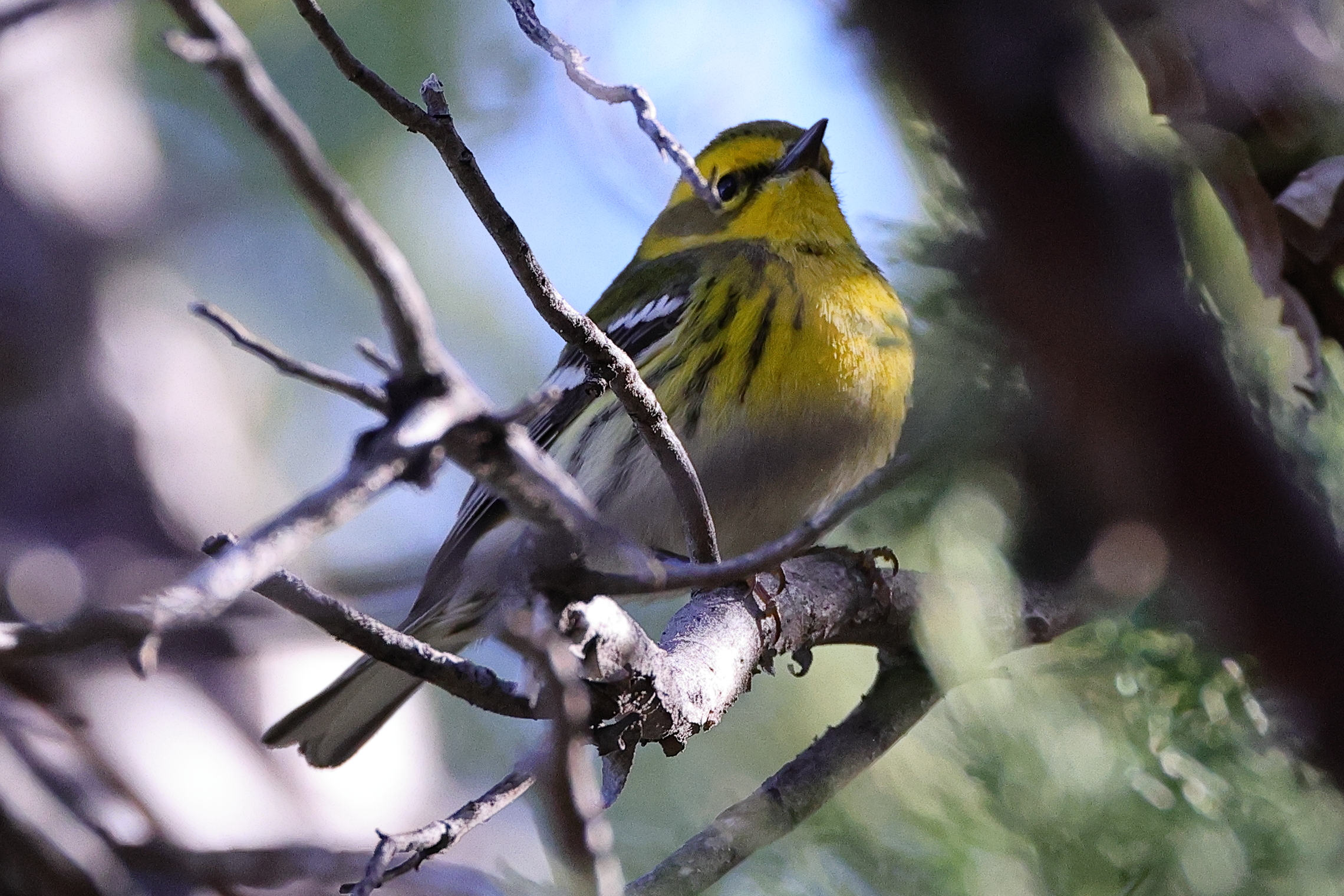
Townsend’s Warbler

South-East Arizona, Day 1

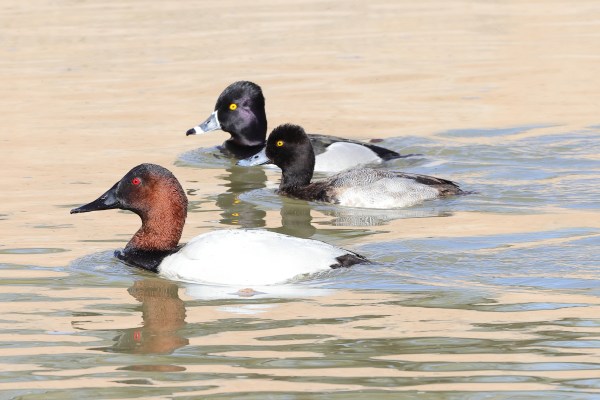
Header image shows a Canvasback. Lesser Scaup, and Ring-necked Duck.

After a really well organized AAP perinatal workshop, in Scottsdale AZ, where I presented a couple of things, I took a couple of days in the far southeast of Arizona. On the way there I stopped off at Chaparral Park and at Gilbert Water Ranch.

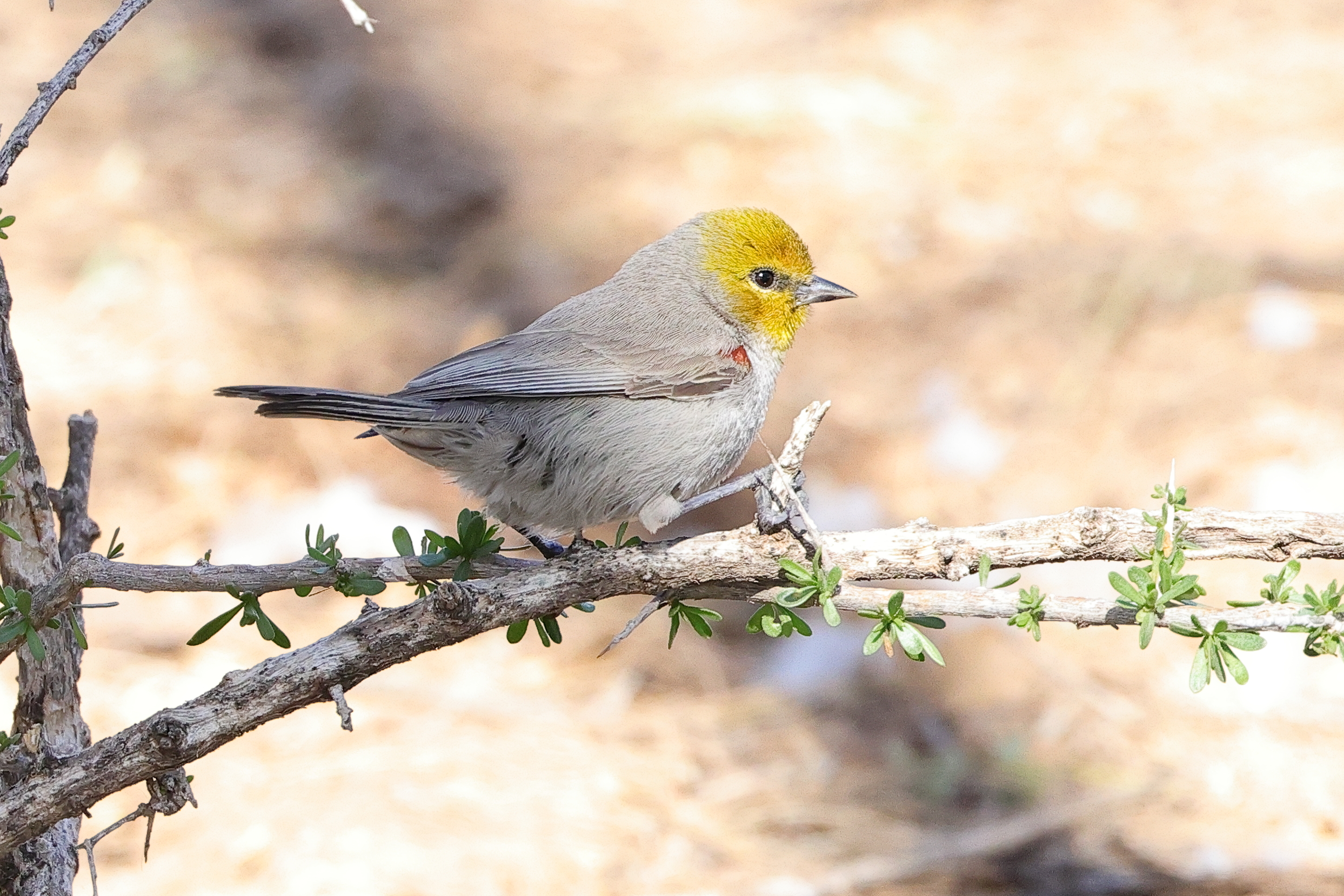
Verdin

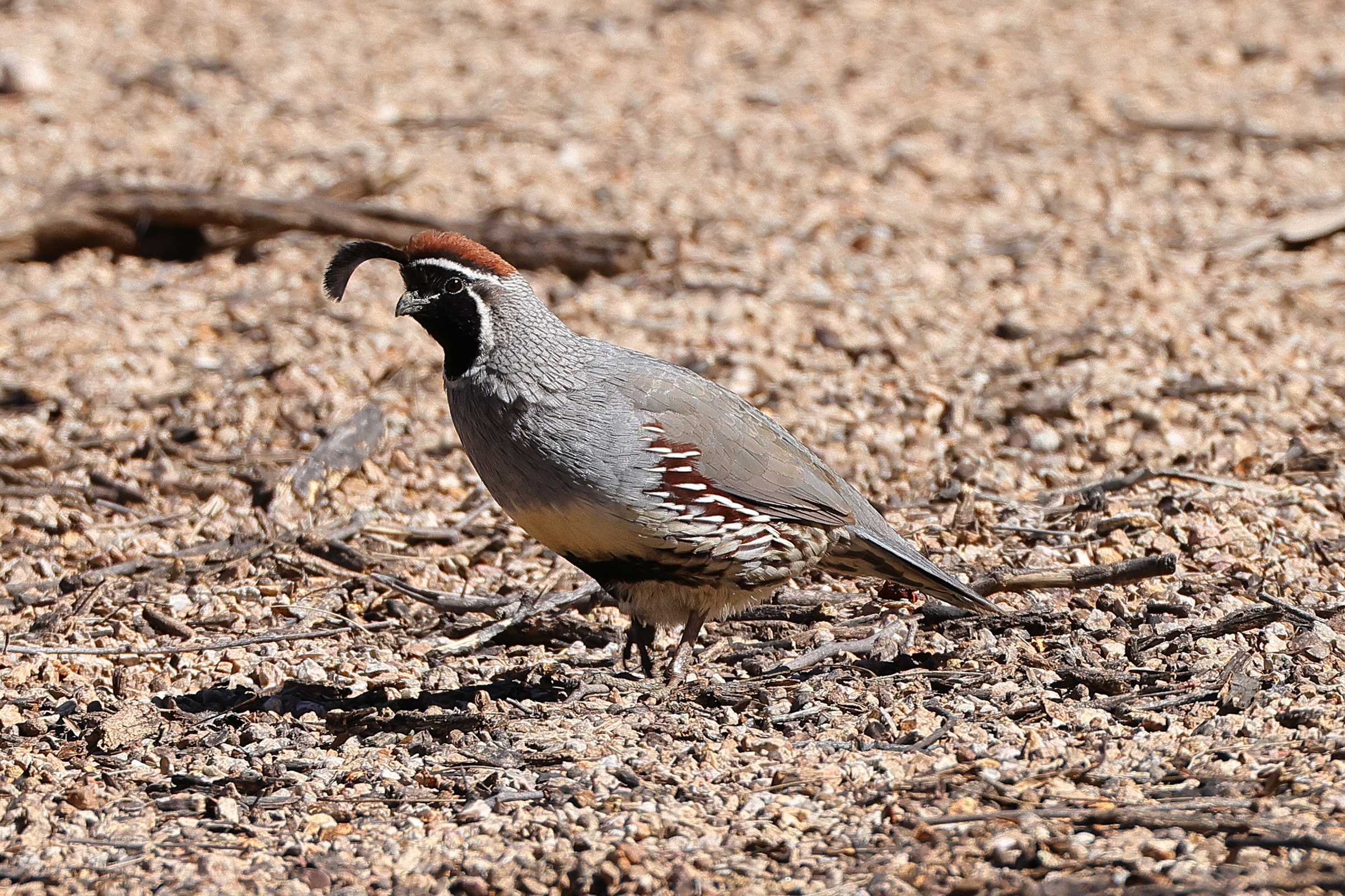
Gambel’s Quail

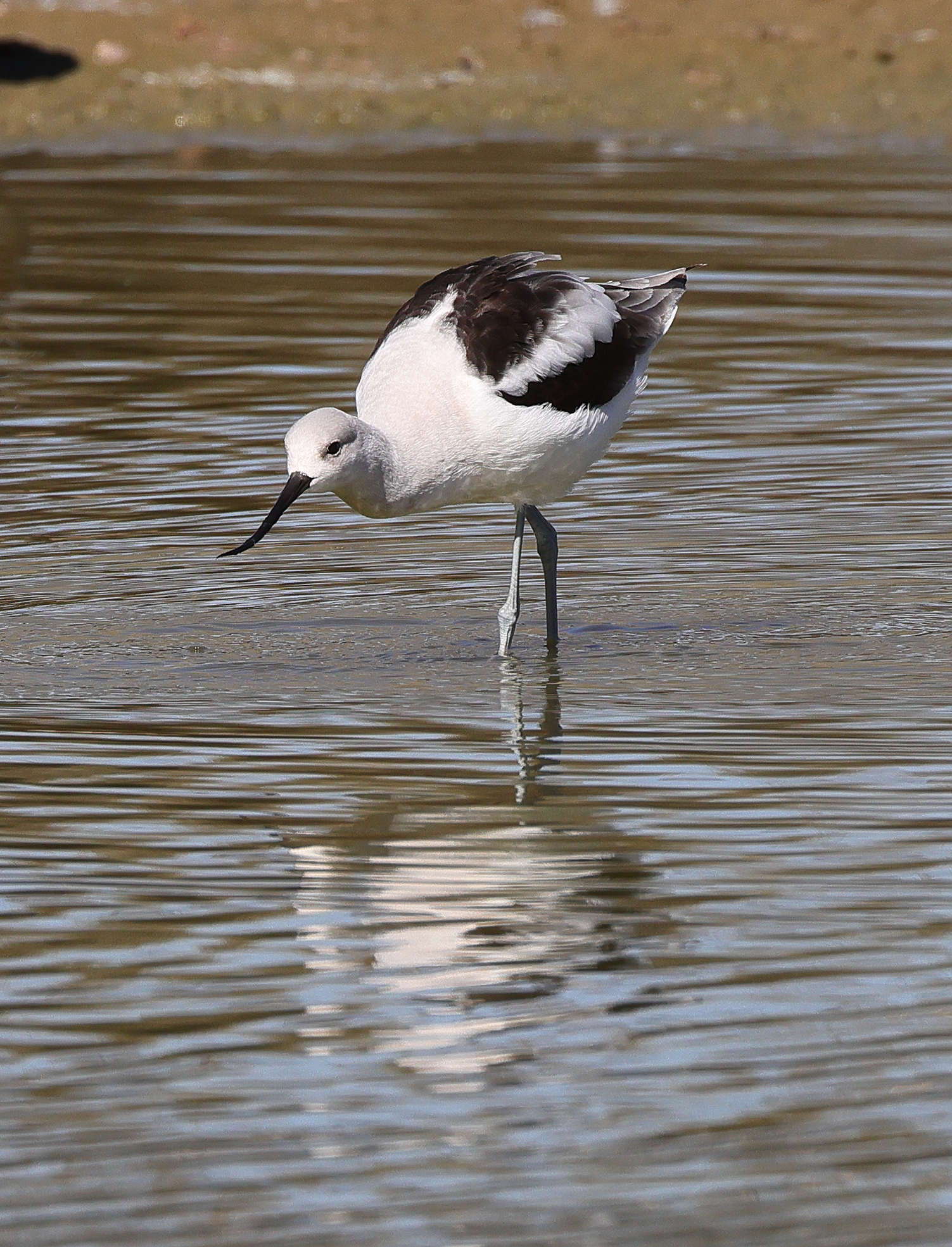
American Avocet

Black-necked Stilt

End of the trip

This was the first time I have done a trip like this, dedicated to viewing, and photographing, birds, as well as whatever other wildlife came our way.

Many thanks to Birding Ecotours for the organisation of the trip, and most especially to Galo Real, our most excellent guide, who was able to find birds when no-one else could, even some that were at great distances and almost hidden. 17% of the worlds bird species are found within the borders of this tiny country, that is about 1,700 different species, Galo was able to identify all of the ones we saw almost without hesitation. He was also able to identify an incredible number of birds by their songs and calls, several hundred at least, he thinks maybe 900! Galo also really saved my trip by lending me his camera lens when mine was dropped (actually I dropped it!), he also has his own travel/wildlife viewing company based in Ecuador.
My final tally was over 270 different species seen, with about 260 of them being the first time I had encountered them. There are a few I had seen before in the USA, and 5 that also visit Quebec in the summer.

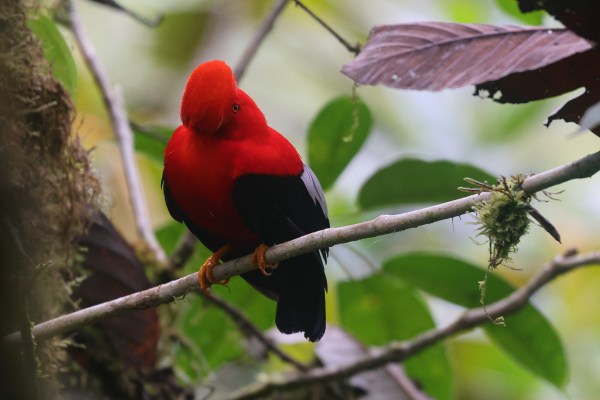
Here are a few highlights that I haven’t yet featured on other posts, starting with a video I made of the mating display of the male Andean Cock-of-the-rock, the screeching you can hear is the noise of the other males.

Andean Cock-of-the-rock mating dance

Blackburnian Warbler, this is one of the species that migrates to Canada in the spring.

Southern Lapwing

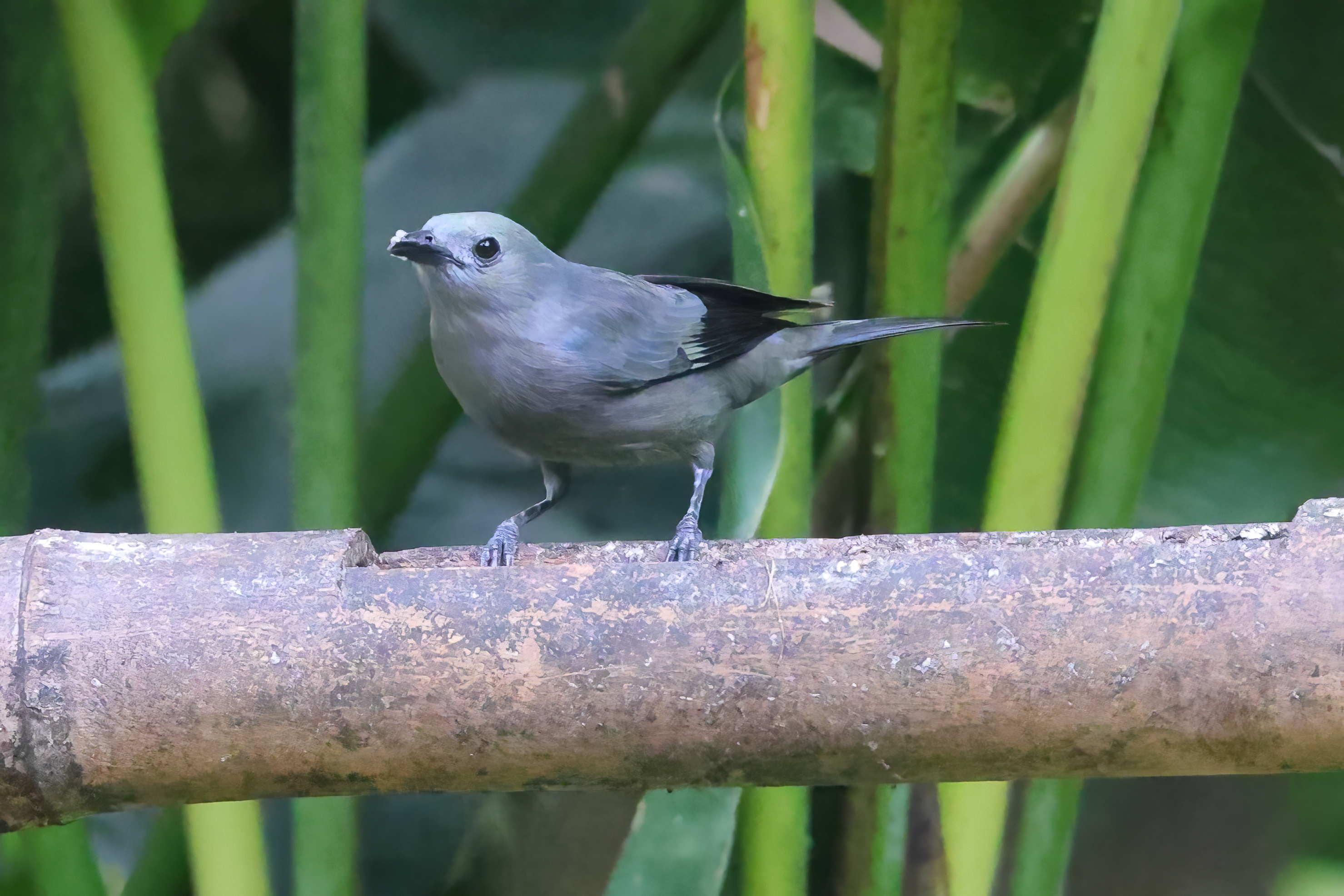
Palm Tanager, this beautiful bird was the plainest of the Tanagers that we saw.

Silver-throated Tanager, we only saw one of these, an uncommon bird with a restricted range.

Summer Tanager

Blog at WordPress.com.

Up ↑