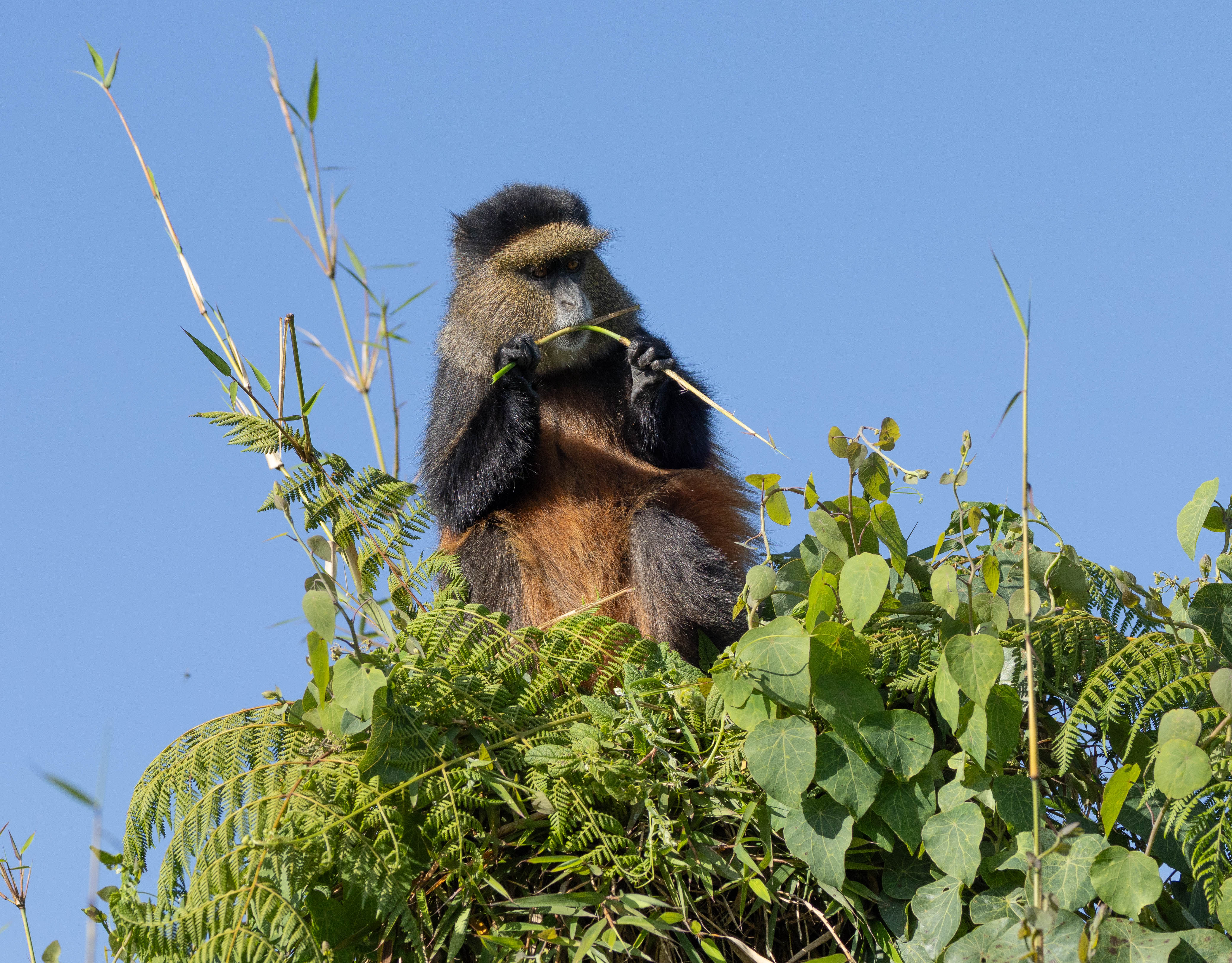
In the morning we went to Volcanoes national park, well known as a place to view the mountain gorillas. I decided not to do that but to have a walking, birding tour of the park. We did still get to see the Golden Monkeys, though.
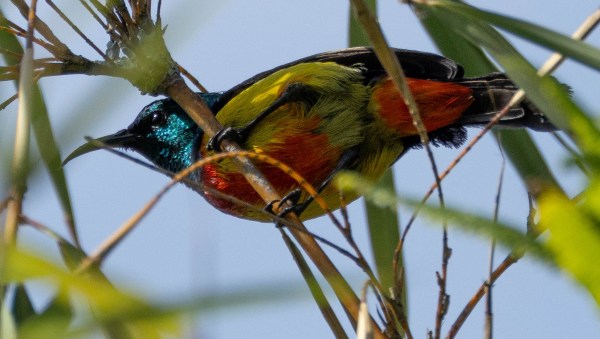
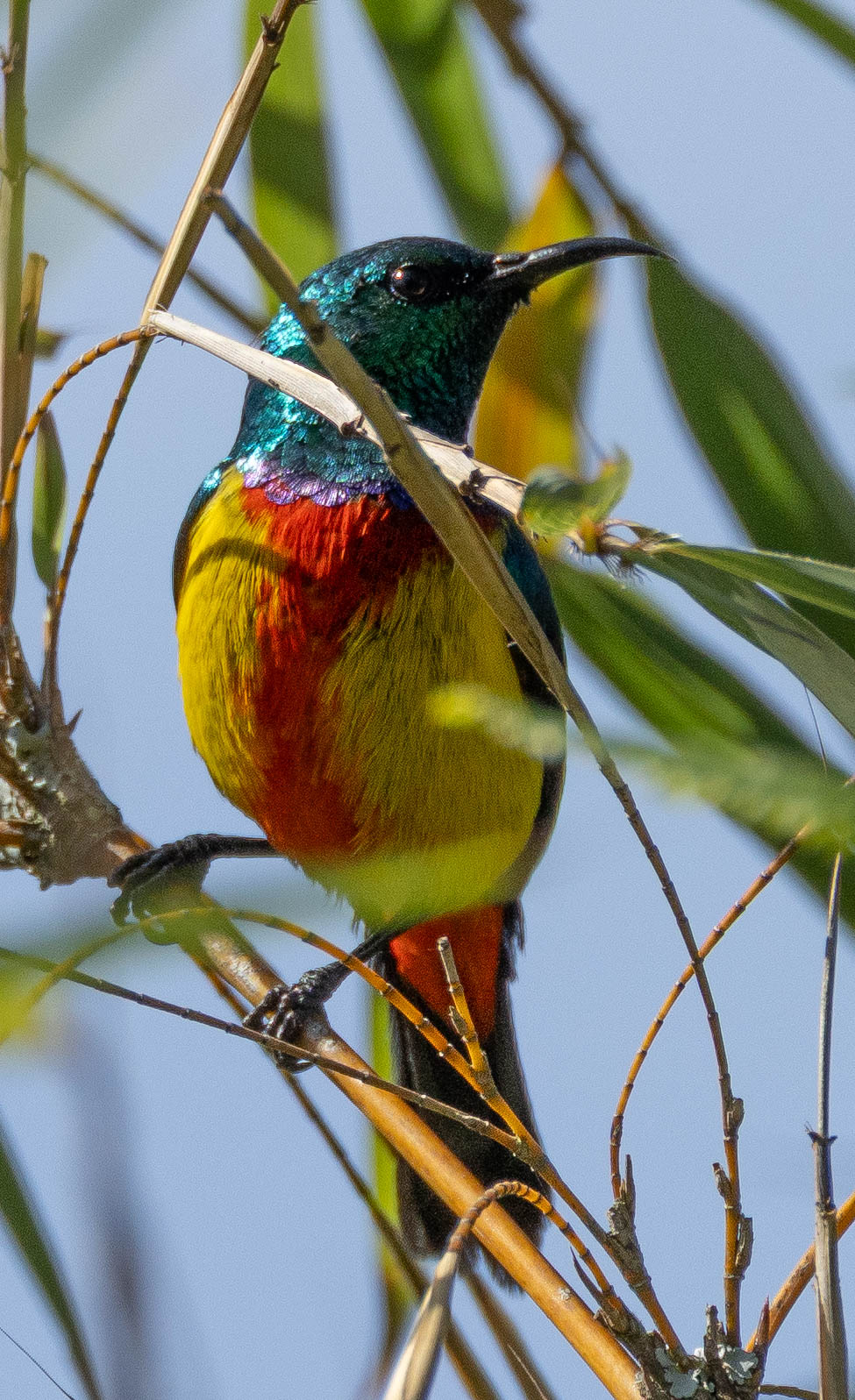
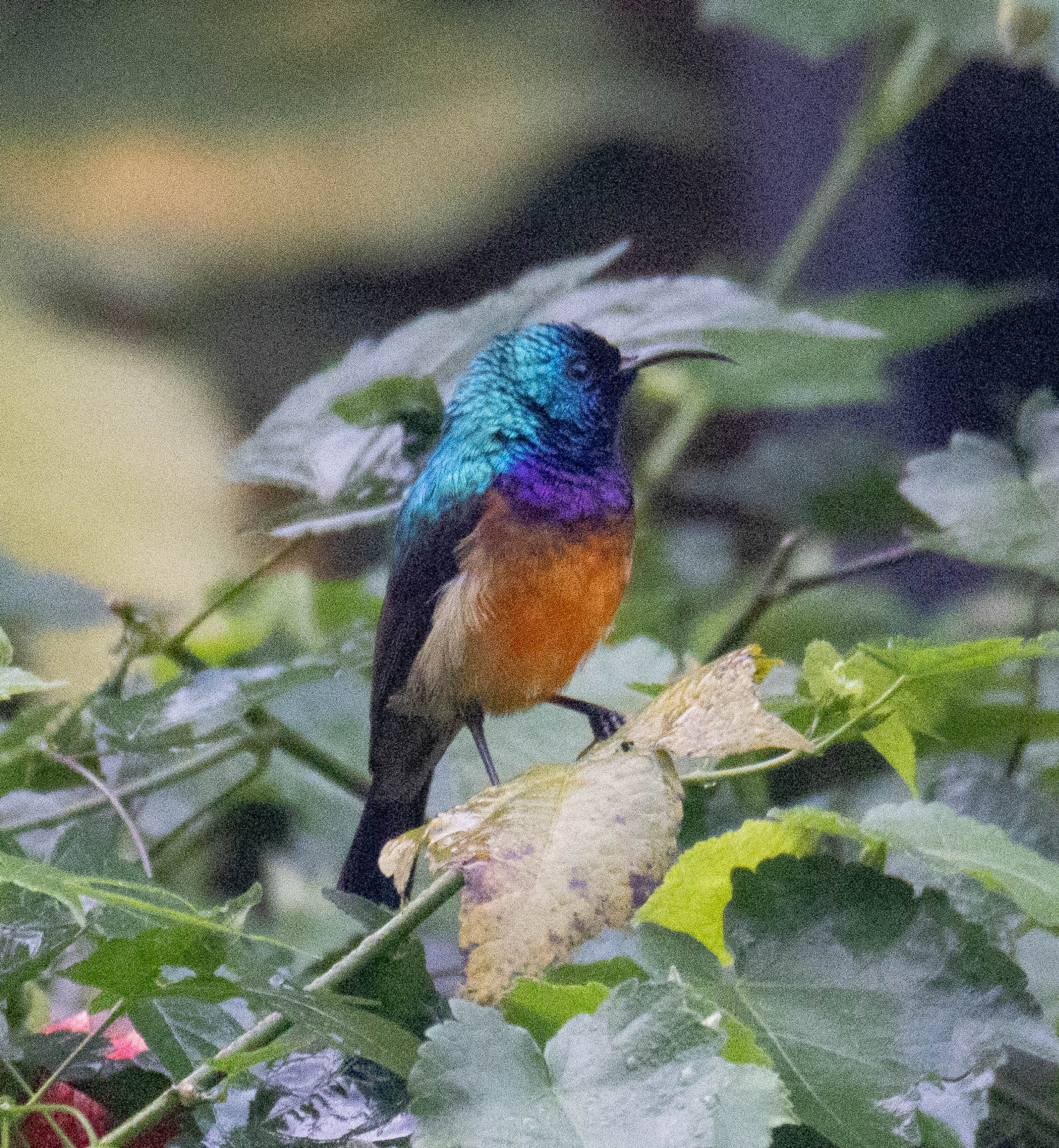
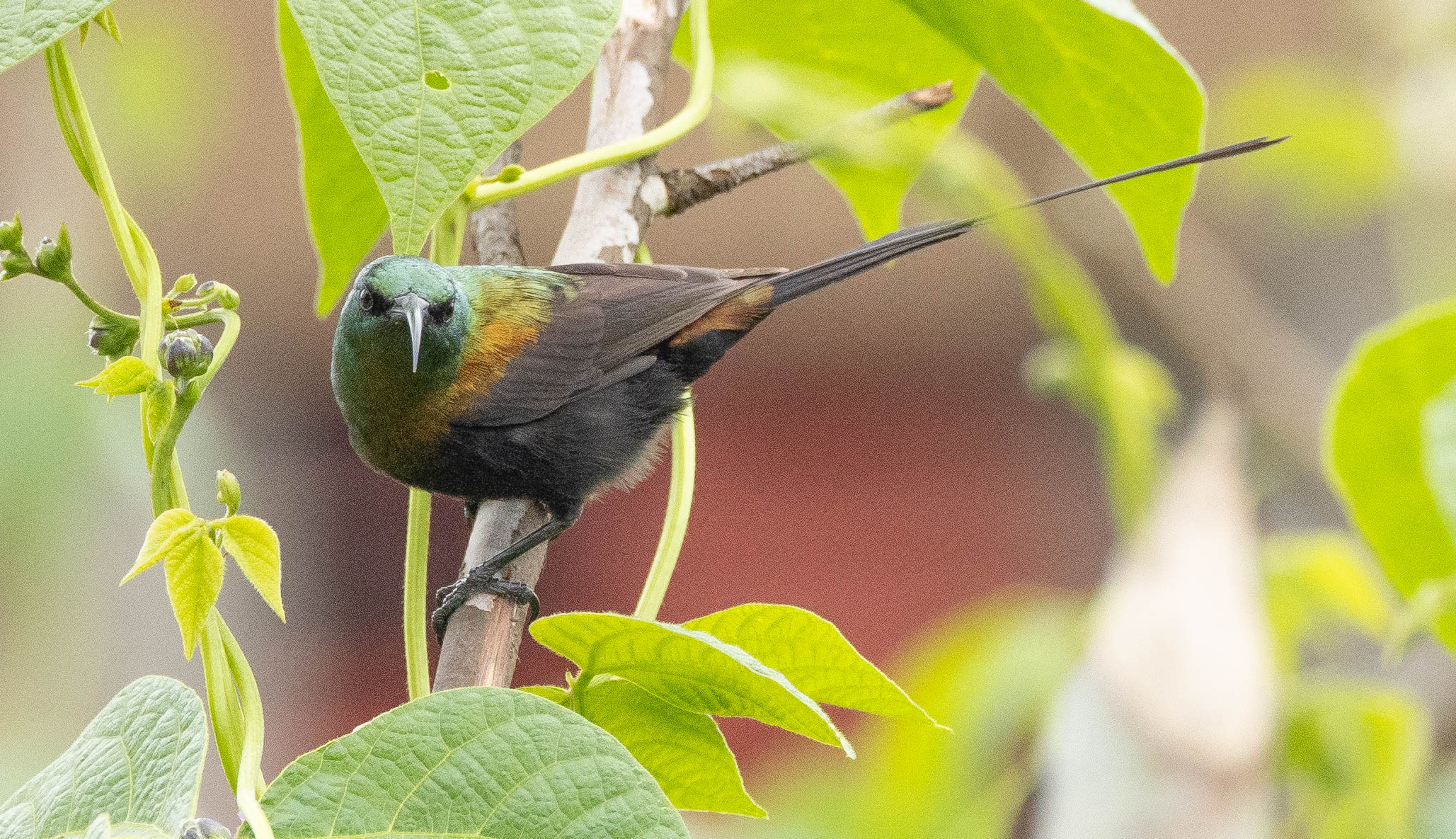
Also, many new bird species, the header image is a Regal Sunbird.
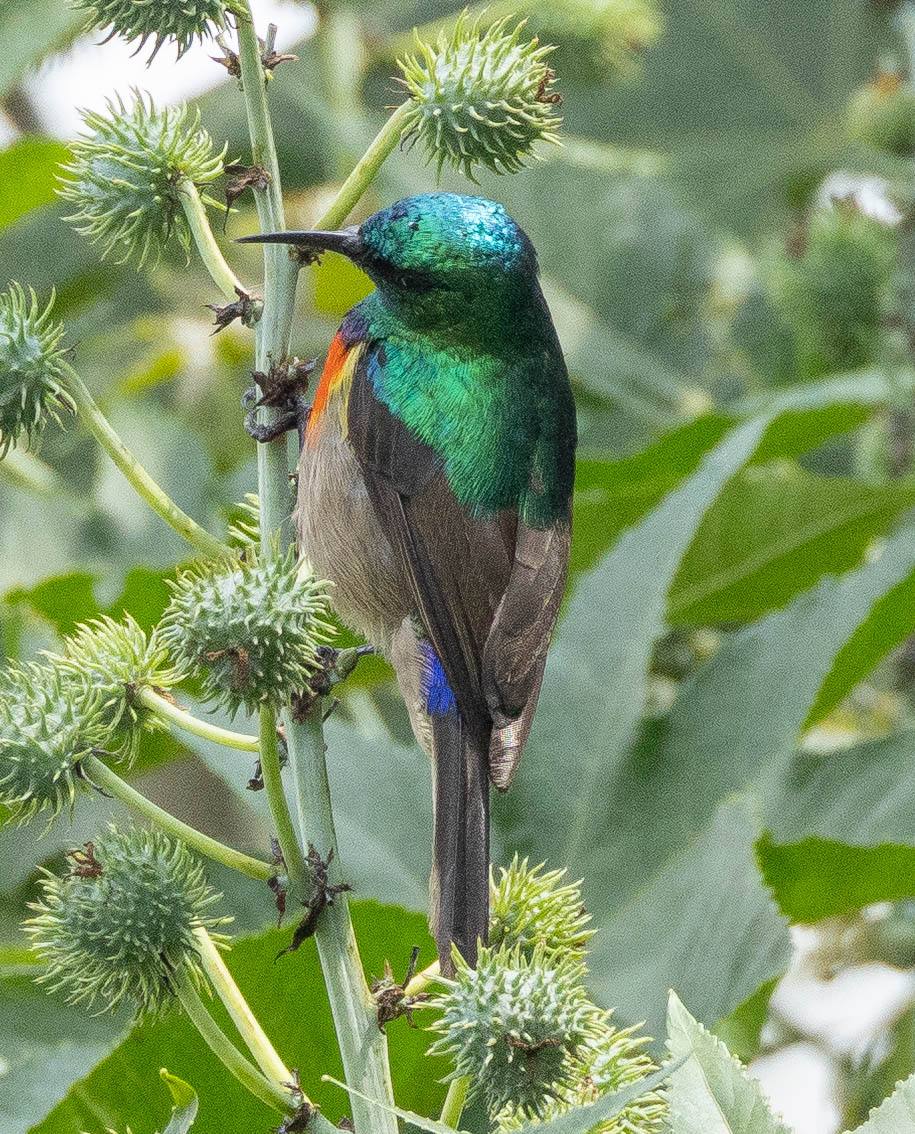
As mentioned on day 1, Sunbirds are a large group of birds, they feed on nectar, and the females are often drab and brown, but the males are spectacularly colourful. The one above is a Northern Double-collared Sunbird.
African Stonechat. Very similar to the European Stonechat.
The Regal Sunbird is one of my favourites, so incredibly colourful.
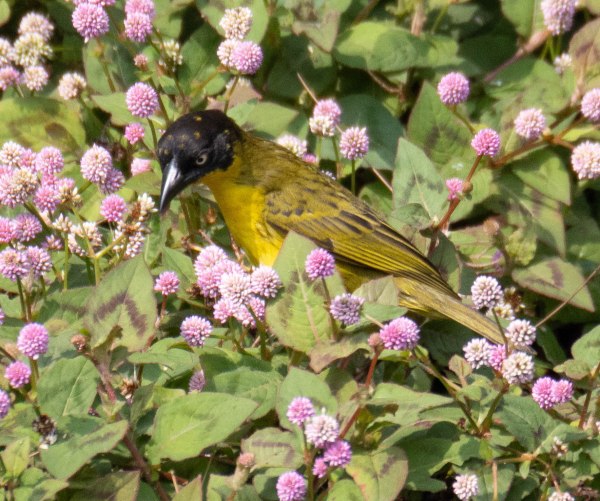
This Weaver is strange… really, the Strange Weaver.
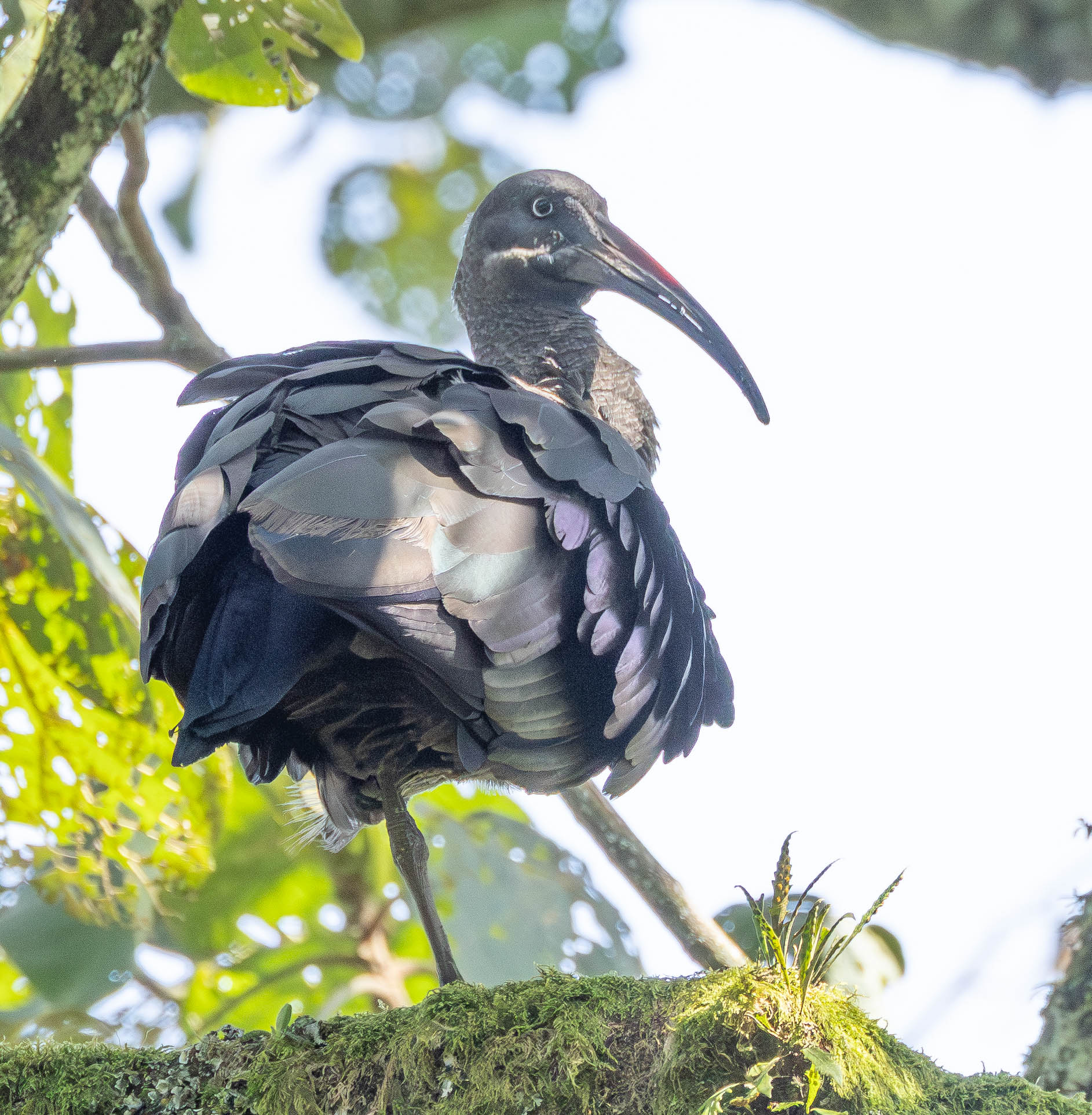
An Ibis, the Hadada Ibis, apparently named for the call, which ebird describes as the sound of Africa.
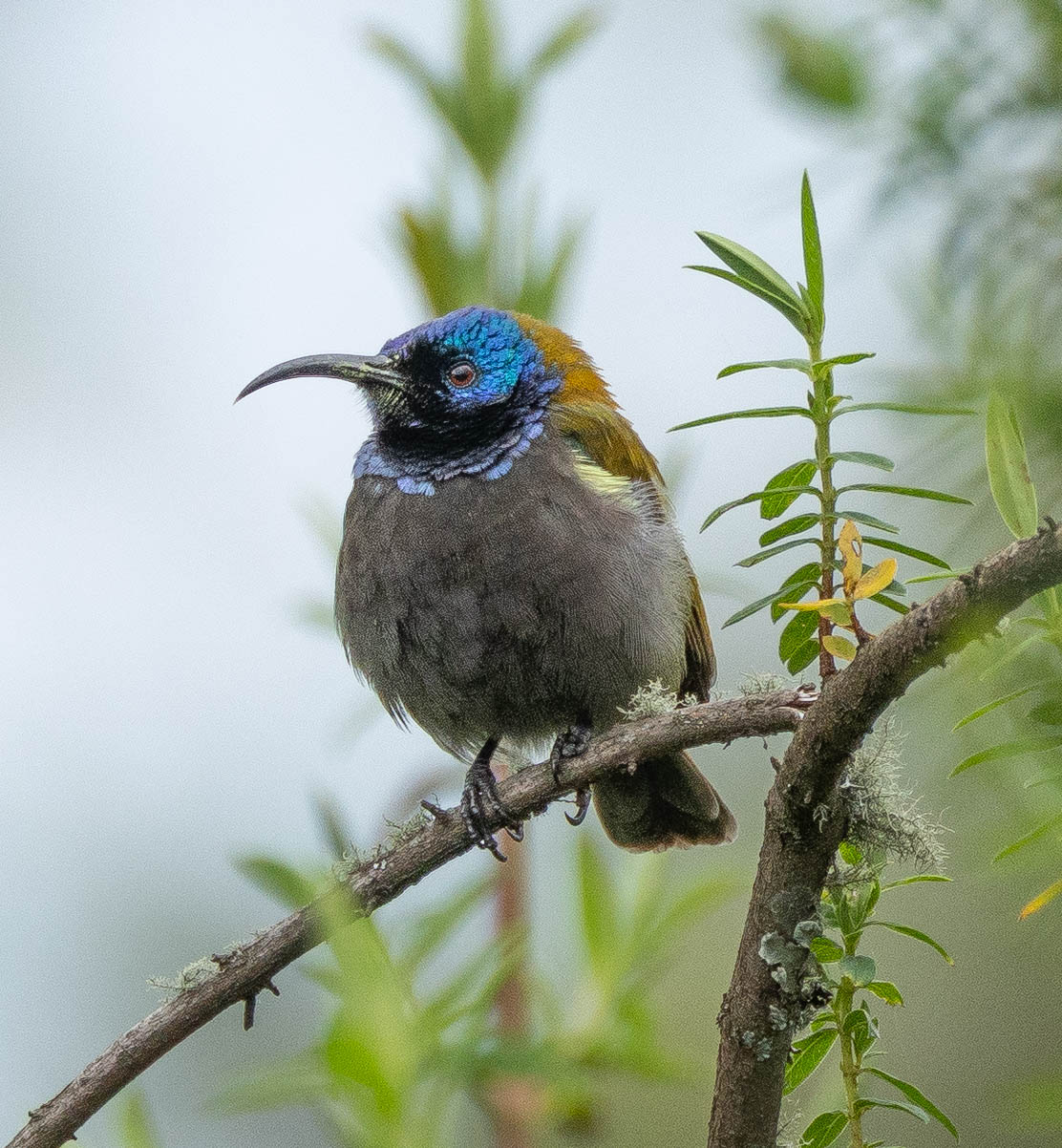
This Sunbird is the Green-headed Sunbird.
Leaving Volcanoes park behind we headed south and a little west, aiming for Nyungwe national park.
I was invited to Rwanda, to assist in teaching their fellows in their newly developed training program. I was delighted to try to help out, and in the days before my teaching commitments I decided to take a few days to tour Rwanda, to visit several national parks, and to do some serious birding.
On day 1 we left Kigali, went north west towards the Volcanoes national Park, stopping at a lake (lake Bihinga) on the way. After a couple of hours in various locations around the lake (over 55 species), we then set off for the lodge (Karisimbi Cave Resort) in a town called Musanze. I then settled into a lodge close to Volcanoes park, and looked around the grounds for some birds. I saw many birds on the way, and at the lake, almost all of which were entirely new to me, and then many more new species around the lodge.
The header image is a Baglafecht Weaver, one of a large number of Weaver bird species, many of which are similar and difficult to separate for an amateur. I have no idea what “Baglafecht” means.
There are also a large variety of Sunbirds, which have long down-curved beaks, used to extract nectar from various flowers. This one is called the Variable Sunbird.
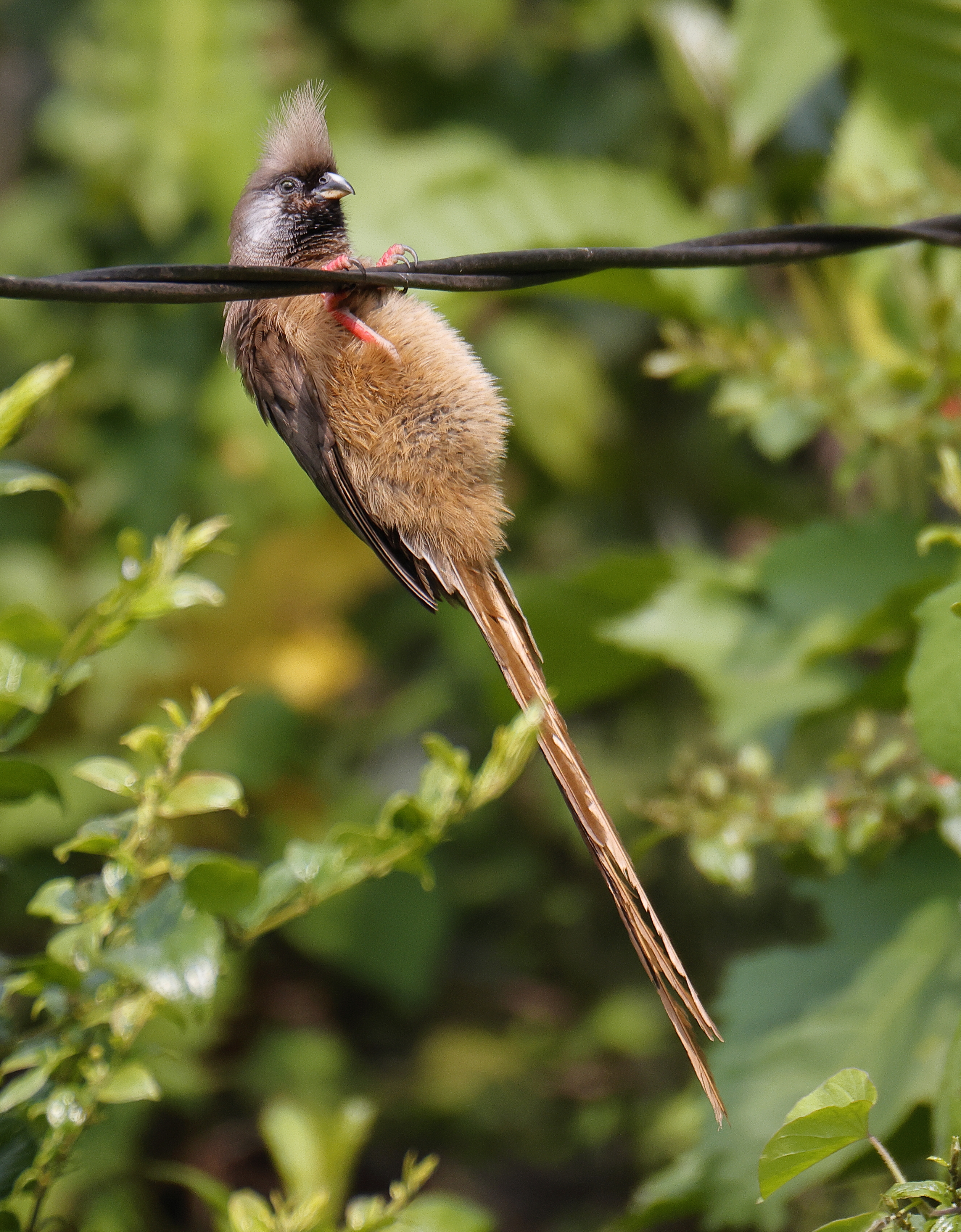
Speckled Mousebird.
According to some sources, they hang like this to get sunlight on their abdomens to increase intra-abdominal temperature and aid digestion. I think that is very suspect, and my guide did not think it was true. Indeed, if it were so, why wouldn’t many other birds (and other creatures) do this?
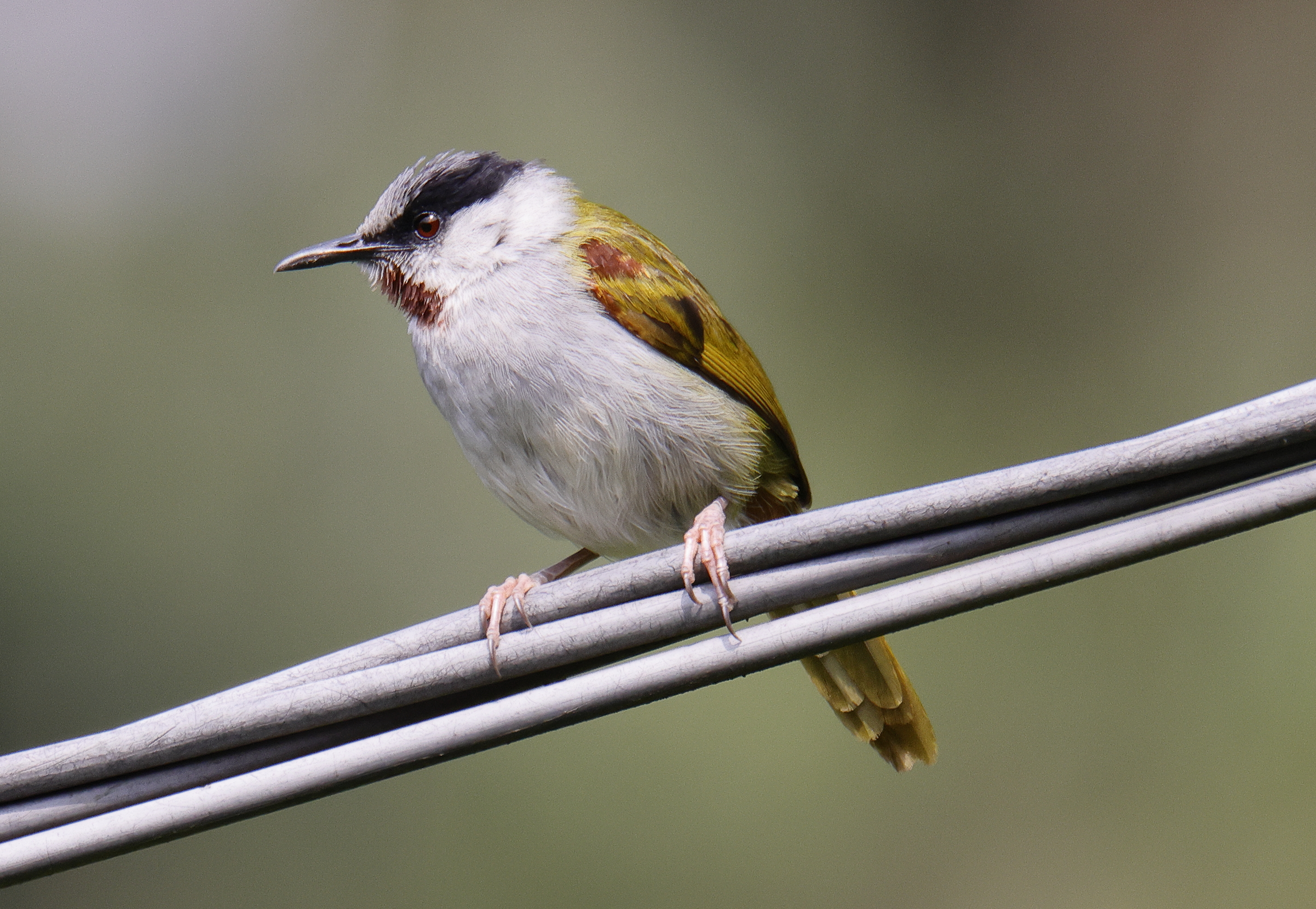
Gray-capped Warbler
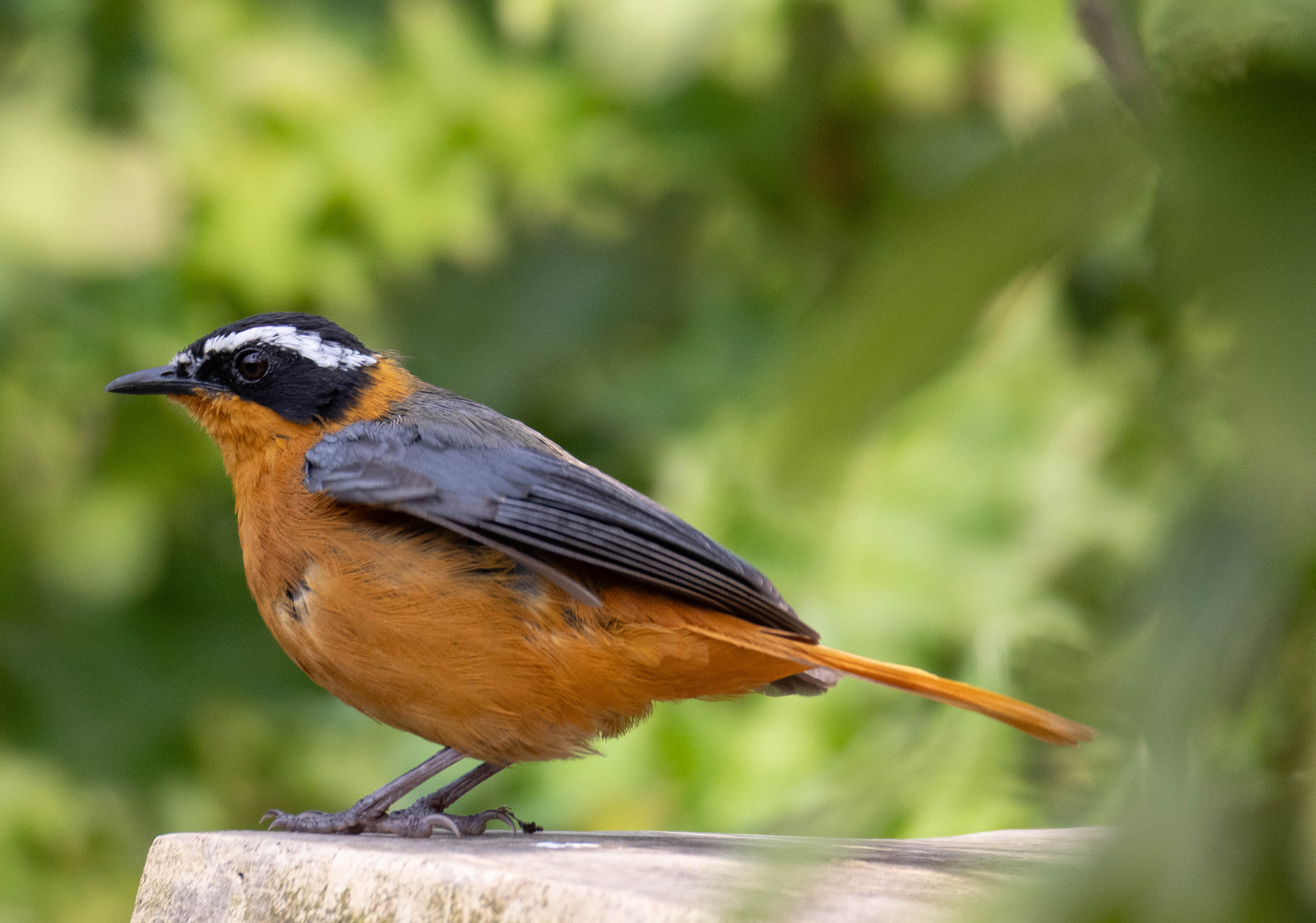
White-browed Robin-chat. This is a common bird, frequently seen around human habitations, it is quite noisy, sometimes even before dawn!
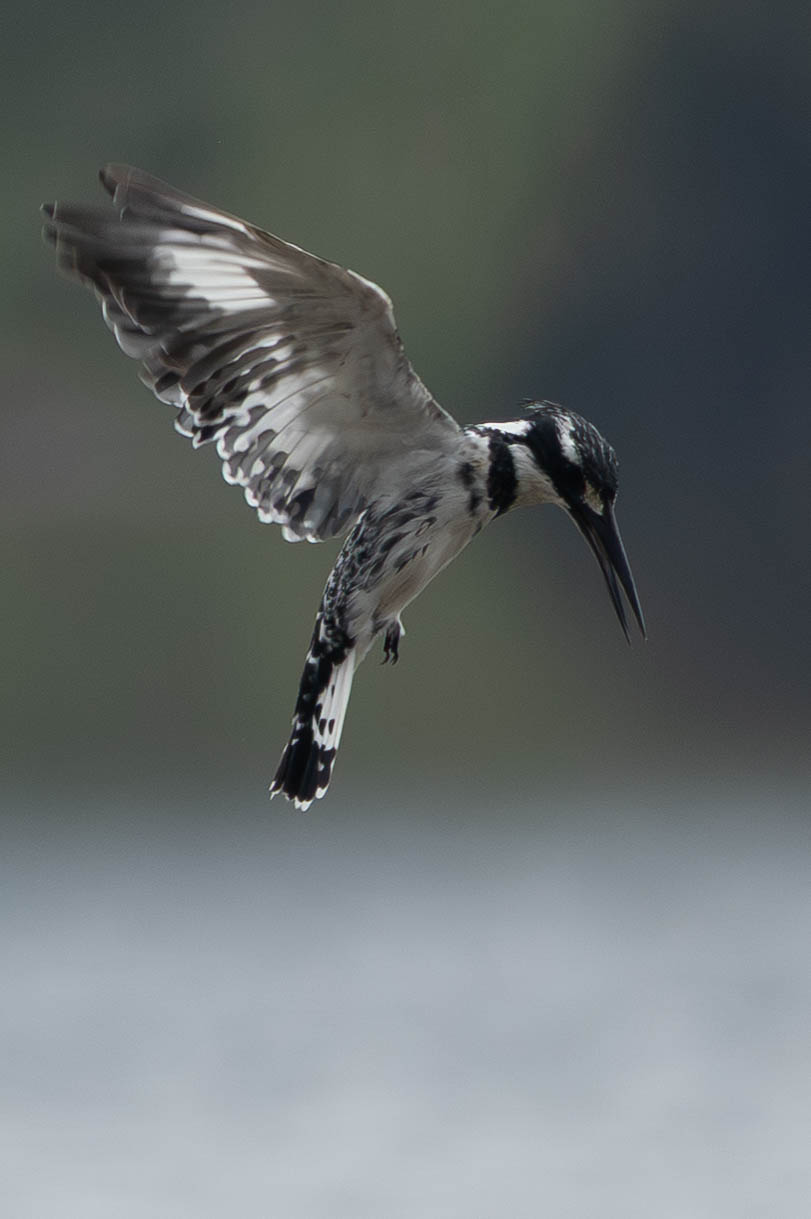
At the lake, there were several Pied Kingfishers, they can hover over the lake surface to detect prey, and then drop on their prey, usually small fish.
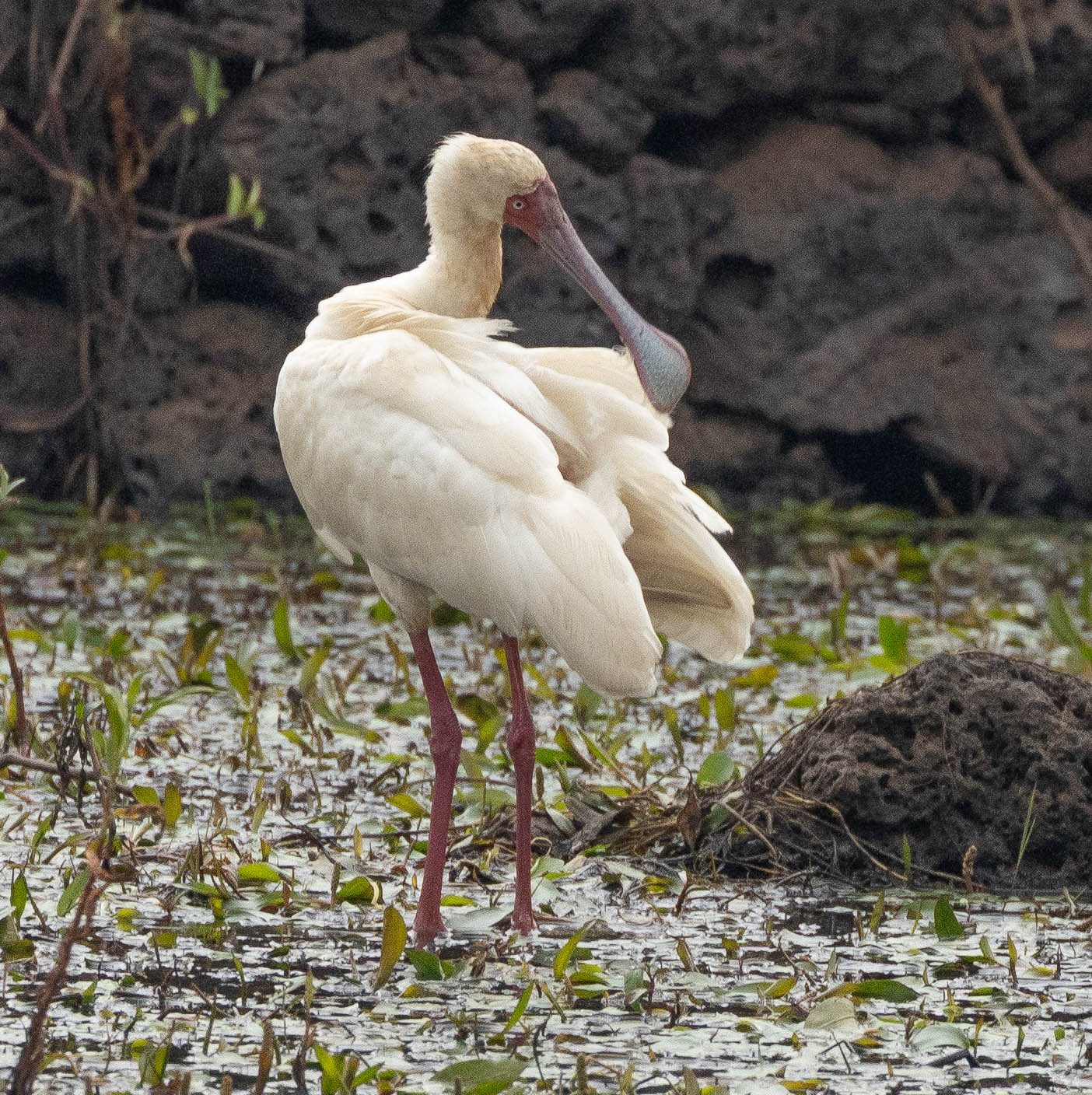
The African Spoonbill, is named for their most obvious feature.
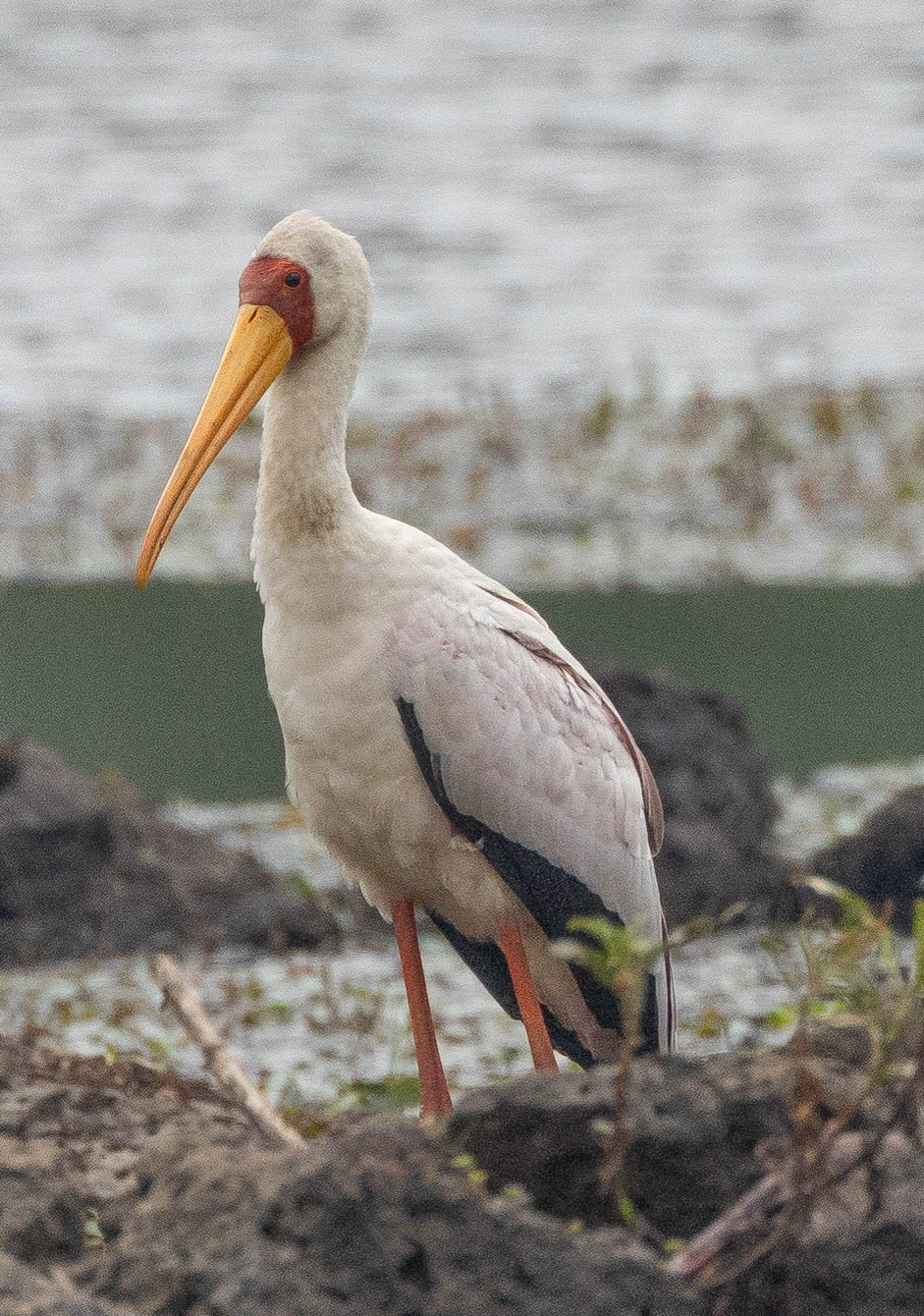
A similarly-sized, wading bird, is the Yellow-billed Stork.
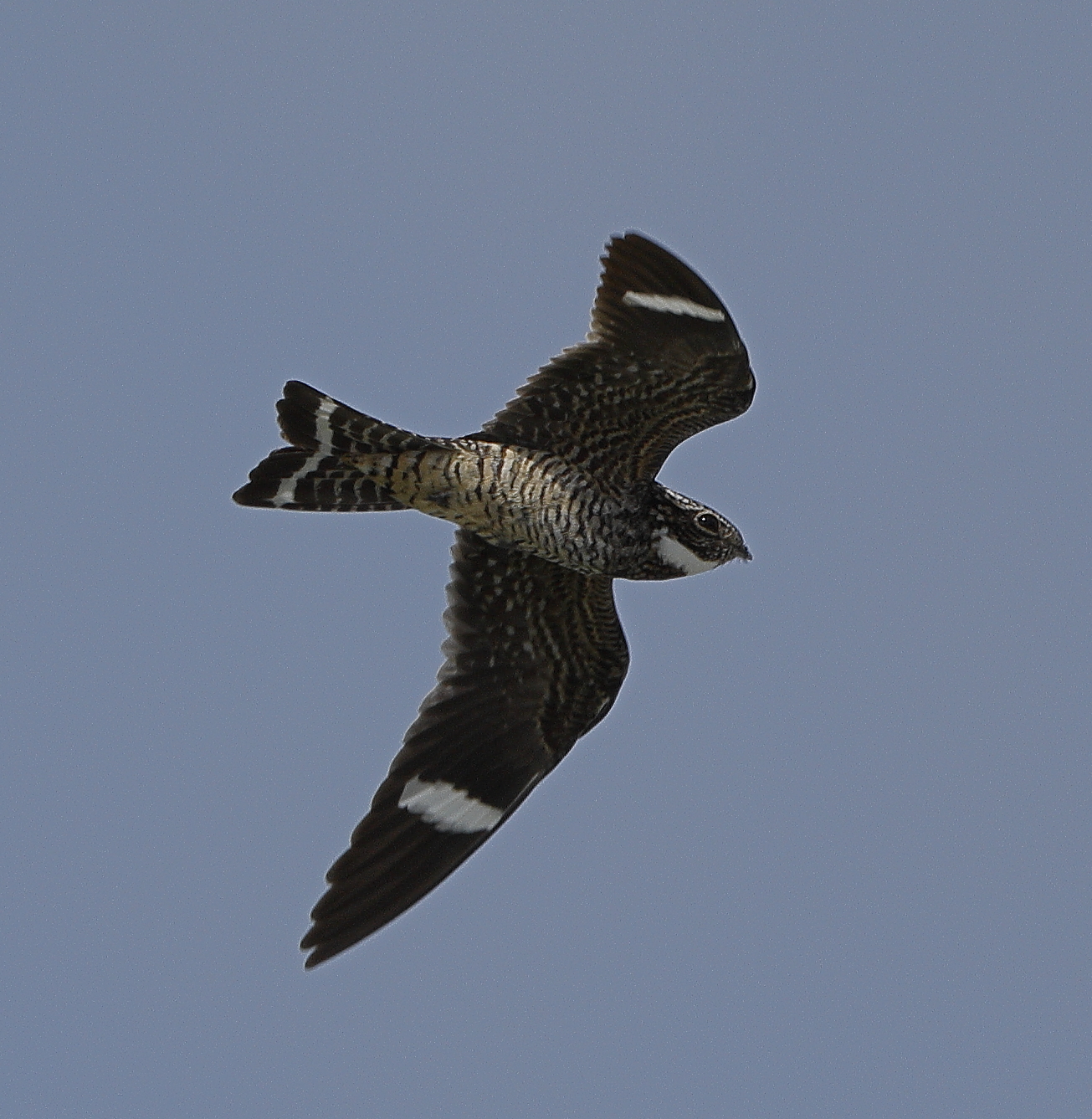
I have had little time for birding so far this year, so I took the opportunity to take some photos during a family vacation on Columbus Isle, a tiny island without a huge variety of bird life. The header image is of a bird from a family that I had never spotted before; they are usually nocturnal, but the Antillean nighthawks were very active where I was during the day, including, on one occasion, a huge flock of 40 to 50 birds hunting for insects for a couple of hours, including this one:
There were a couple of other new species for me, including this White-cheeked Pintail :
A least Grebe :
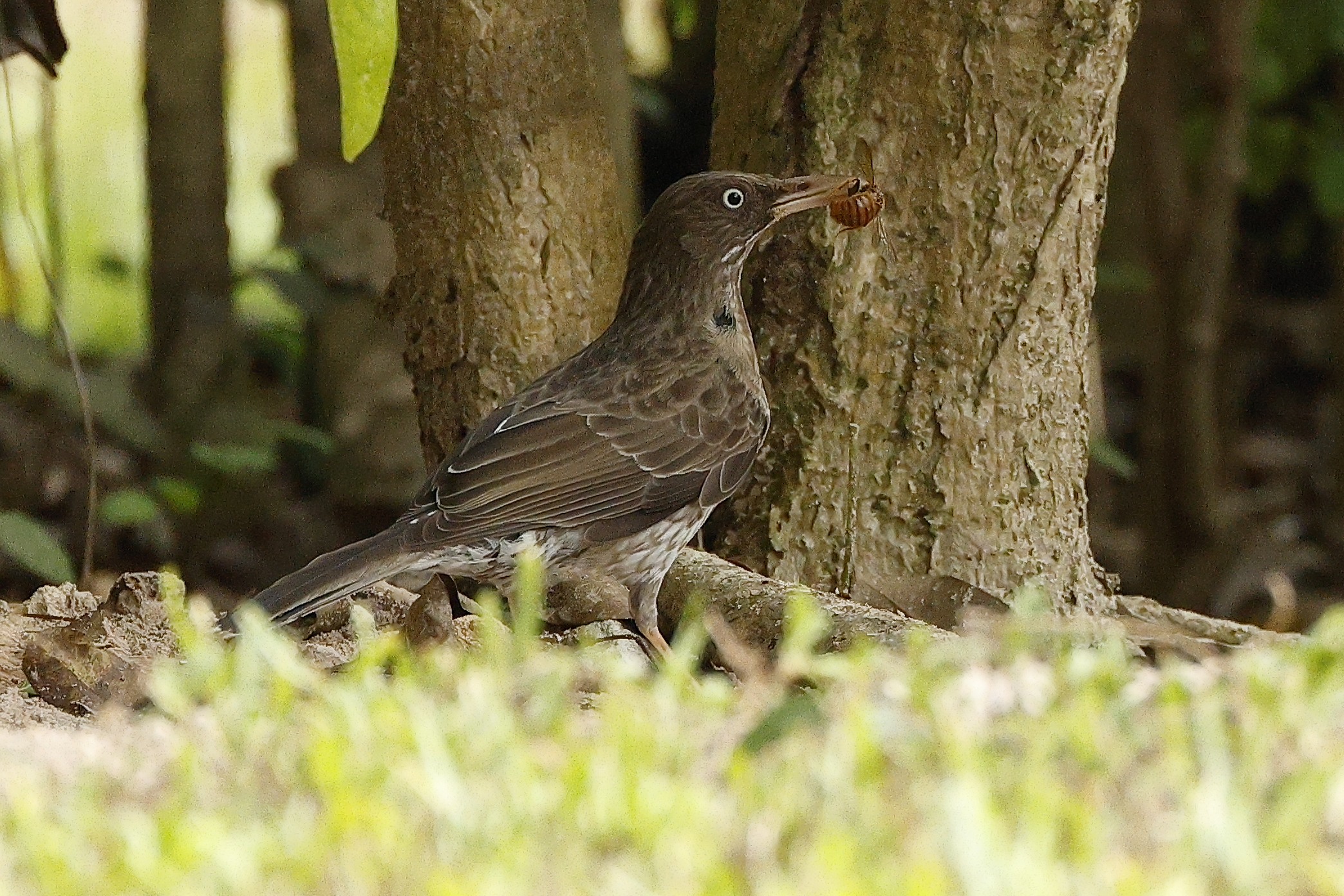
And a Pearly-eyed Thrasher :
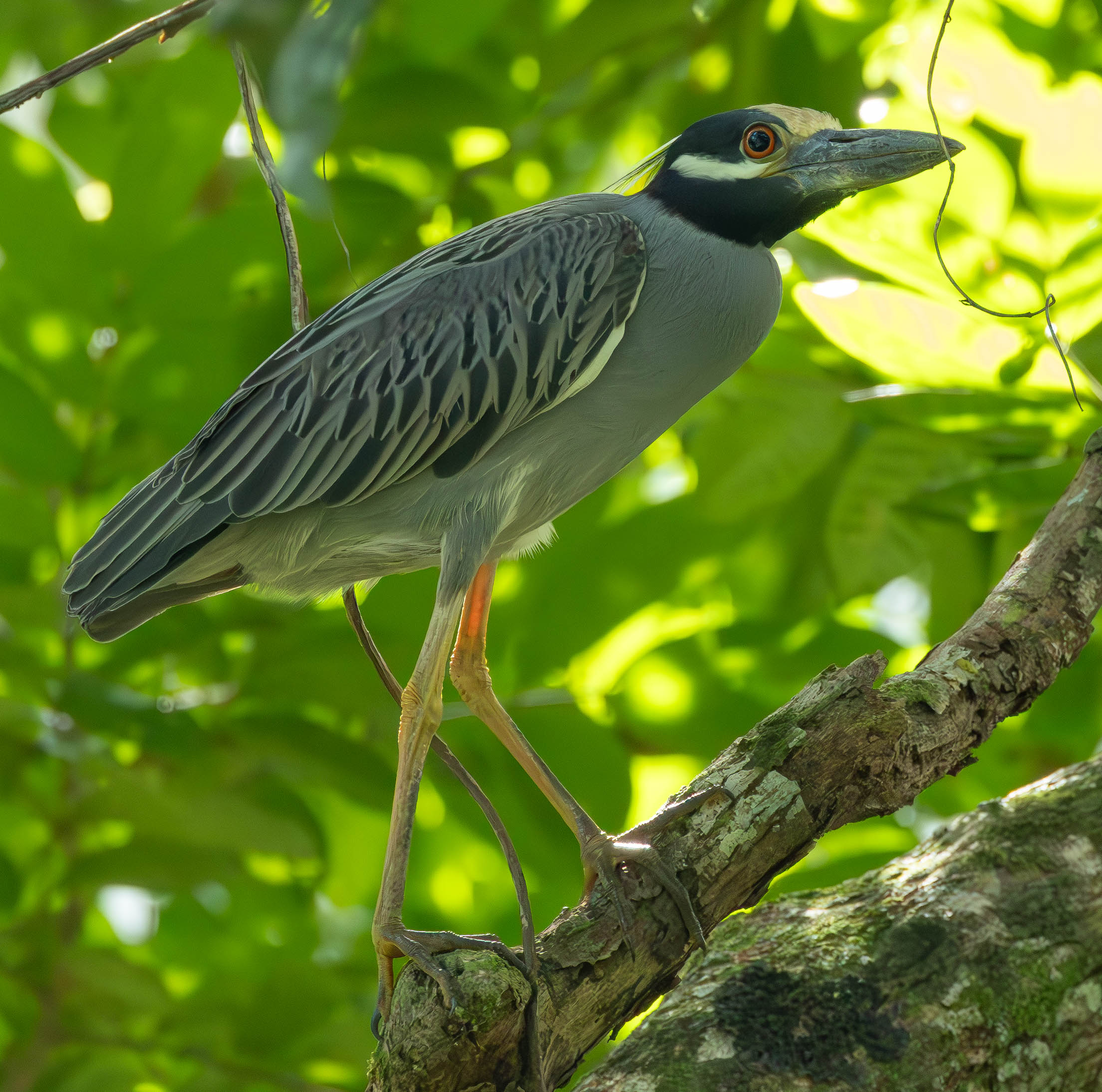
There were many Yellow-crowned Night Herons, that were almost tame :
And I found this American Kestrel to be particularly beautiful
There are a few endemics in these Islands, Wikipedia lists 8, 2 of which are extinct, and none of which I saw. One species which is quite local, but also found on a few other Caribbean Islands, was this Bahama Mockingbird :
There were also many White-crowned Pigeons, which I had only ever before seen at a distance, so I was pleased to be able to get close enough to get some good photos:
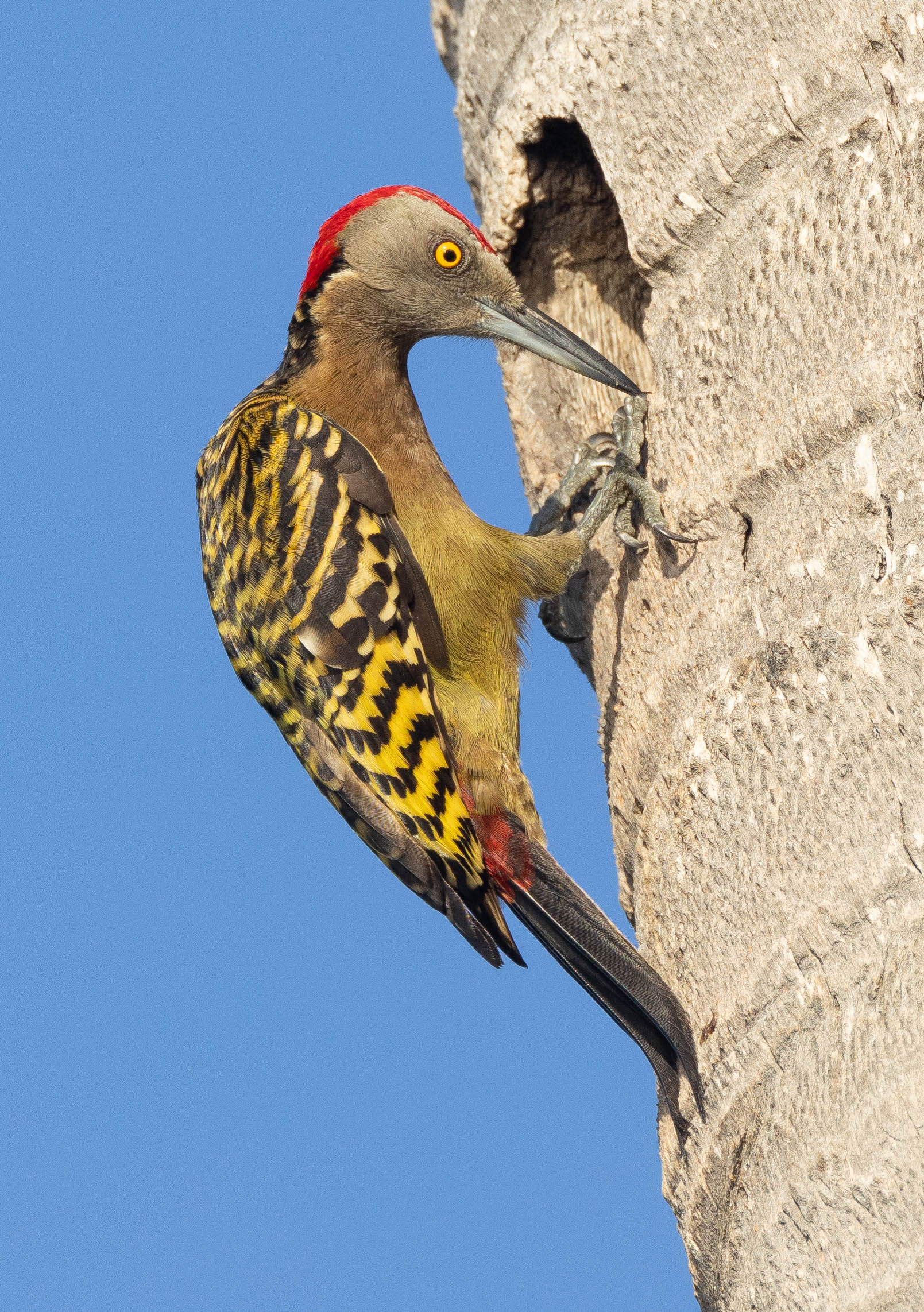
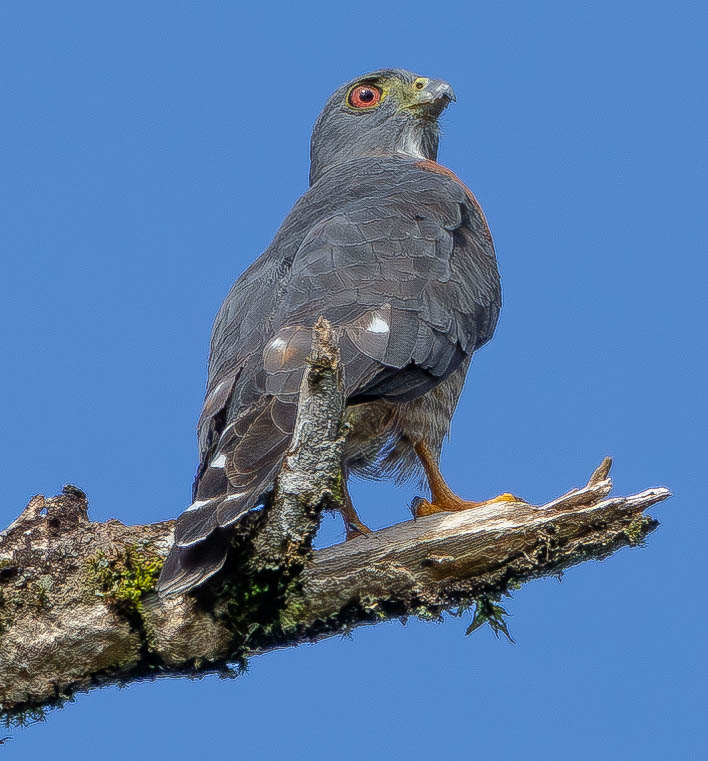
This was a family holiday in an all inclusive resort, which had a few native bird species on the property, including the endemic Hispaniolan Woodpecker below. Just before leaving I spotted the critically endangered Hawk, the Ridgway’s Hawk, which is the header image for this post.
Hispaniolan Woodpecker
There were many Palmchats, who build large communal nests.
Palmchat
I took the opportunity to have one day birding, which was actually not a success. The trip was advertised as being a 1 hour 45 minute drive from Punta Cana, where we were staying, to the Los Haitises National Park for a birding walk with a guide. It actually took nearly 4 hours to get there, and 3 hours to get back, for a 2 hour birding walk with a guide who had limited knowledge, and mis-identified some birds.
We did manage to see the following on the walk:
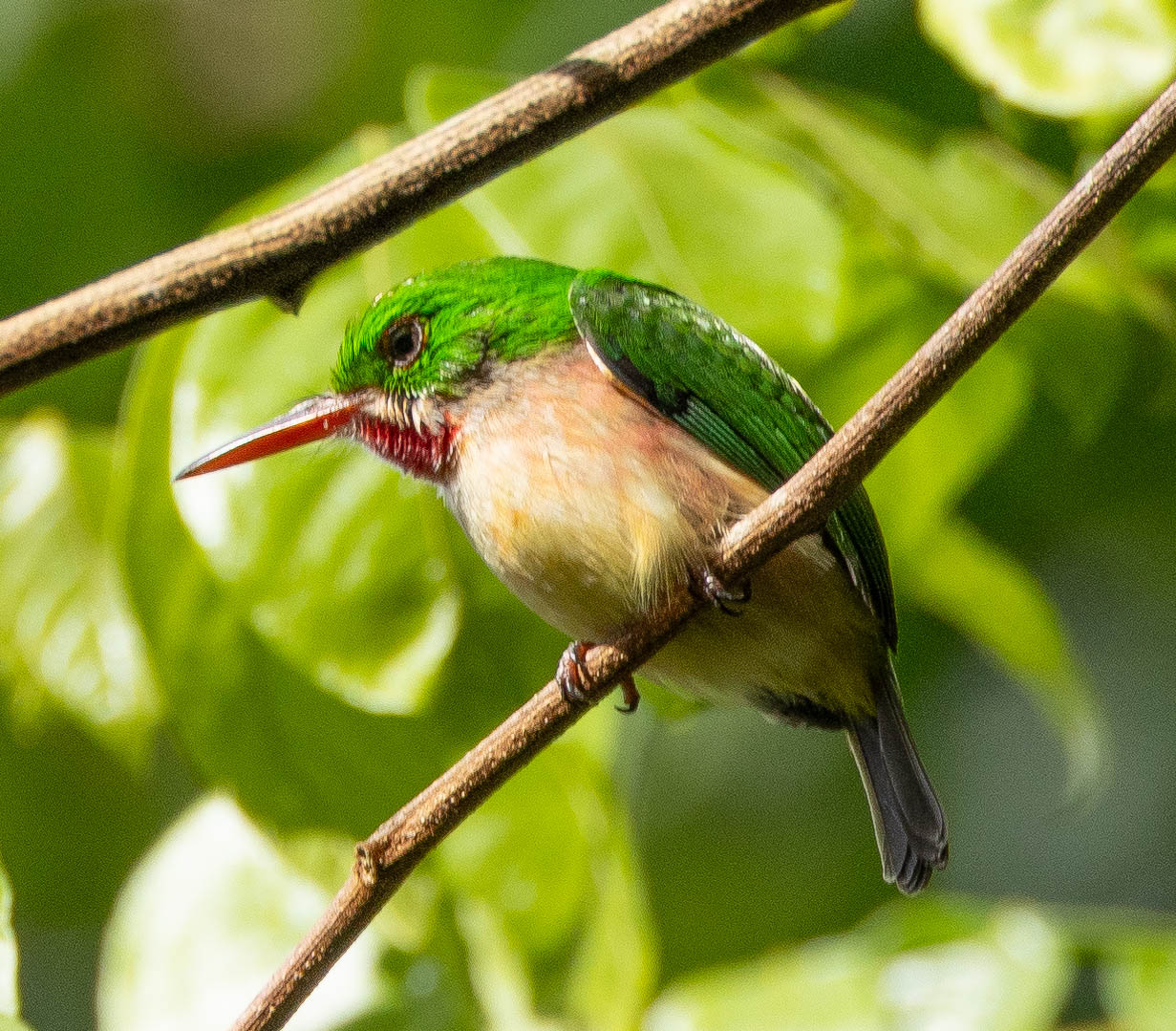
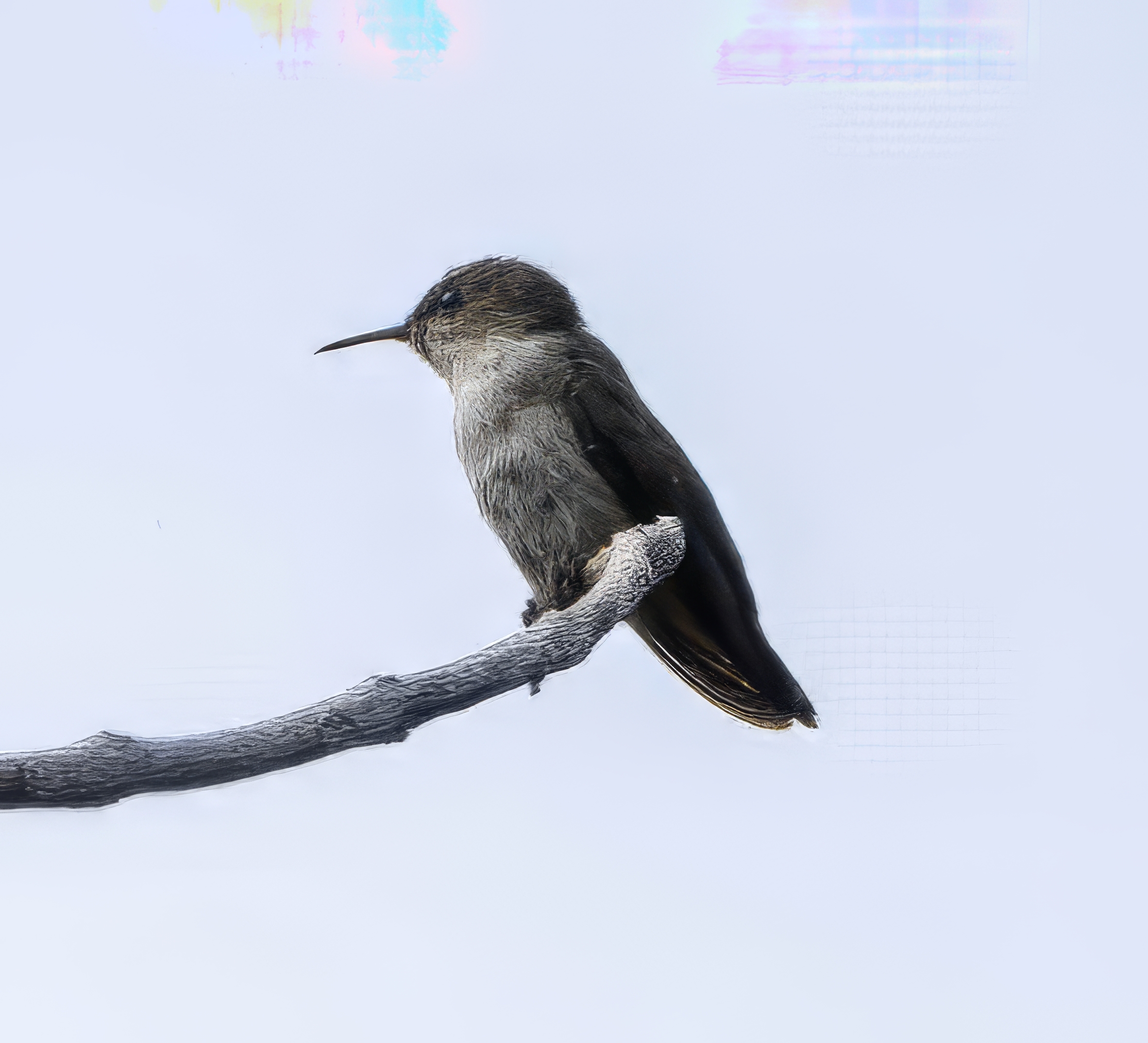
Broad-billed TodyYellow-faced GrassquitVerveine Hummingbird, the second smallest bird in the world!
Then we had a 1 hour boat ride to see a cave, travelling through the mangroves.
West Indian Whistling DucksLittle Blue Herons, Adult and Immature (who is white!)Yellow-crowned Night Heron
Back at the resort, there was a Kestrel frequently hunting on the property
American Kestrel
And many Ruddy Turnstones forming mixed flocks on the beach with Sanderlings
Ruddy Turnstones
The Ridgway’s Hawk was banded, as you can see, and probably came from “Reserva Ecologica Ojos Indigenas”, situated about 6 km away, and which has a rescue program.
My flight left late on the last day, so I was able to have one last guided trip, on the viewing platform of the Canopy Tower, and down the street that leads to the tower. Which is where we had the view of the Snowy-bellied Hummingbird in the header image.
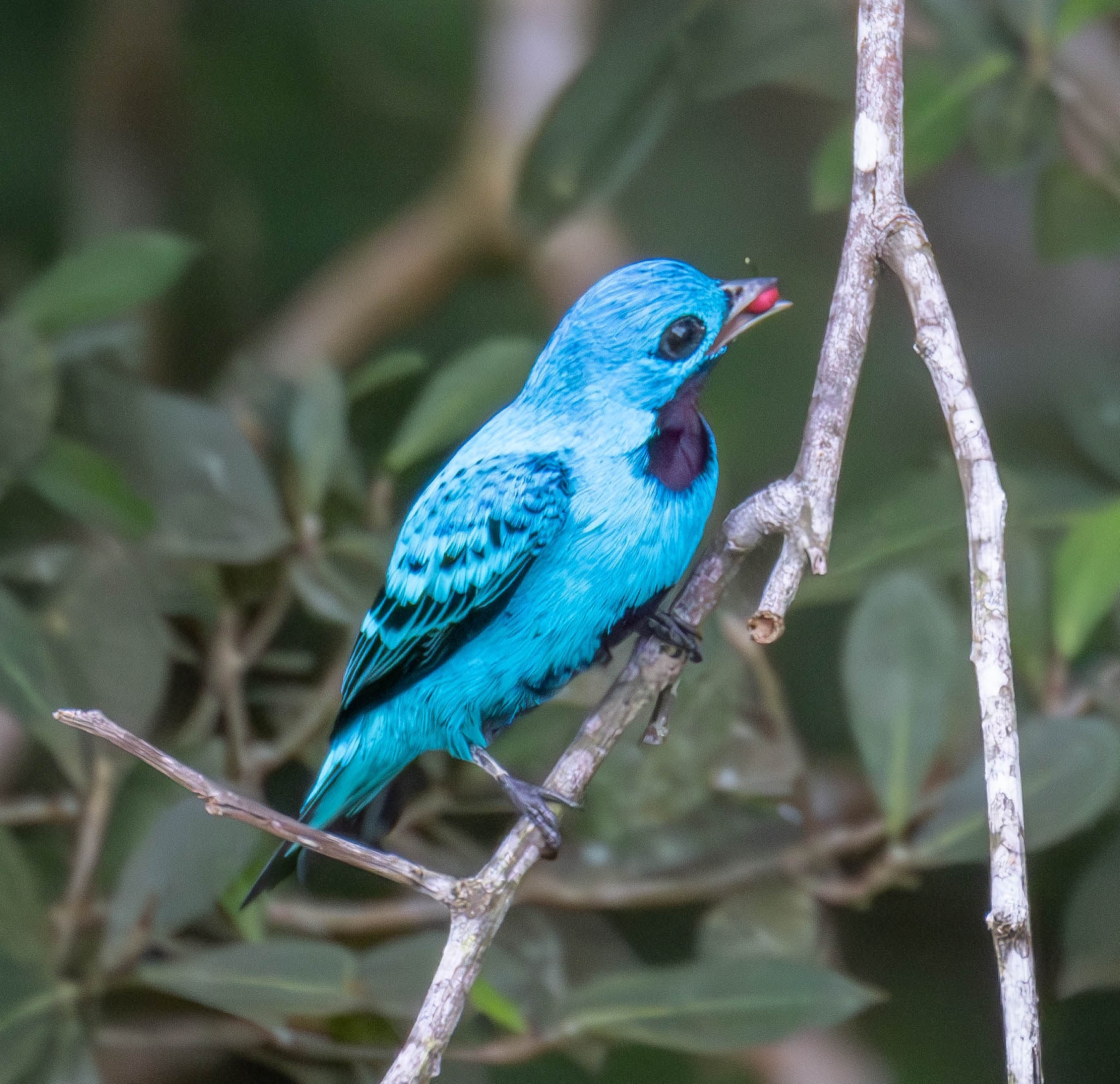
Green HoneycreeperBlue CotingaBLue Cotinga with berryKeel-billed ToucanWhite-whiskered Puffbird
I saw several Puffbirds during the trip, it was only seeing this male face-on that made me realize exactly why it has that name, with the droopy moustache-like feathers on the face.
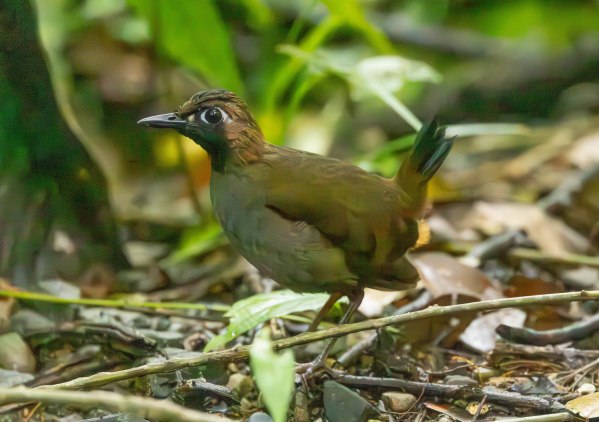
I was able to add an extra day at the end of the Wings tour, and organised an overnight at a place which is iconic for birdwatchers, indeed I had heard of the place years before I became a birder. The Canopy Tower is an old US military radar installation, on top of a hill, so the tower pierces the forest canopy, giving eye-level contact with canopy birds, as well as amazing views of the canal itself. From there I had a couple of outings, including to the Pipeline road. The header image is a Black-faced Antthrush, normally quite shy, this guy came right close to our feet as he was singing away.
Black-faced Antthrush
Ringed Kingfisher
The largest of the new world Kingfishers.
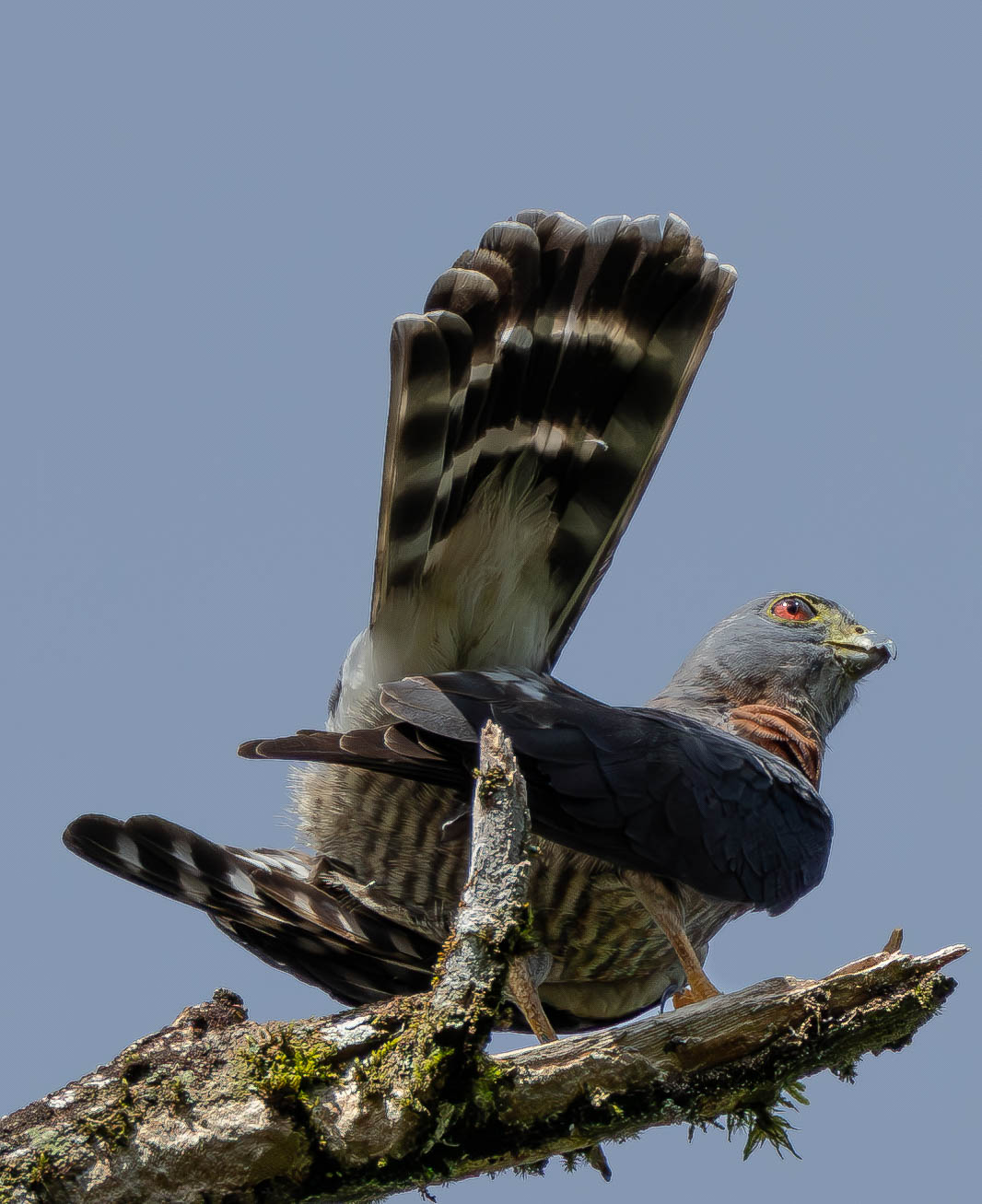
Double-toothed KiteDouble-toothed Kite
If you look carefully, you can see the notches on the bill of the kite that give it its name.
In the afternoon, after some photography at the hummingbird feeders, the trip was to the Gamboa rainforest reserve.
Long-billed HermitSnail KiteSnail Kite
The bill of this kite is just as frightening as the Hook-billed Kite
Little Blue Heron
As you can see the immature Little Blue Heron isn’t blue, but snowy-white with as a bluish tinge to the beak and legs.
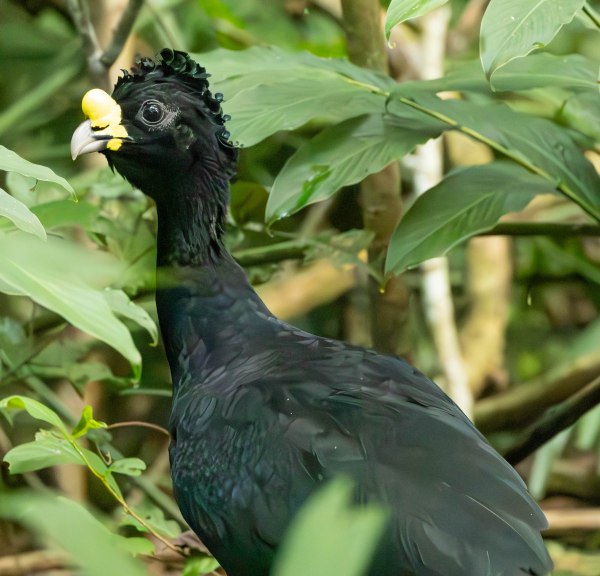
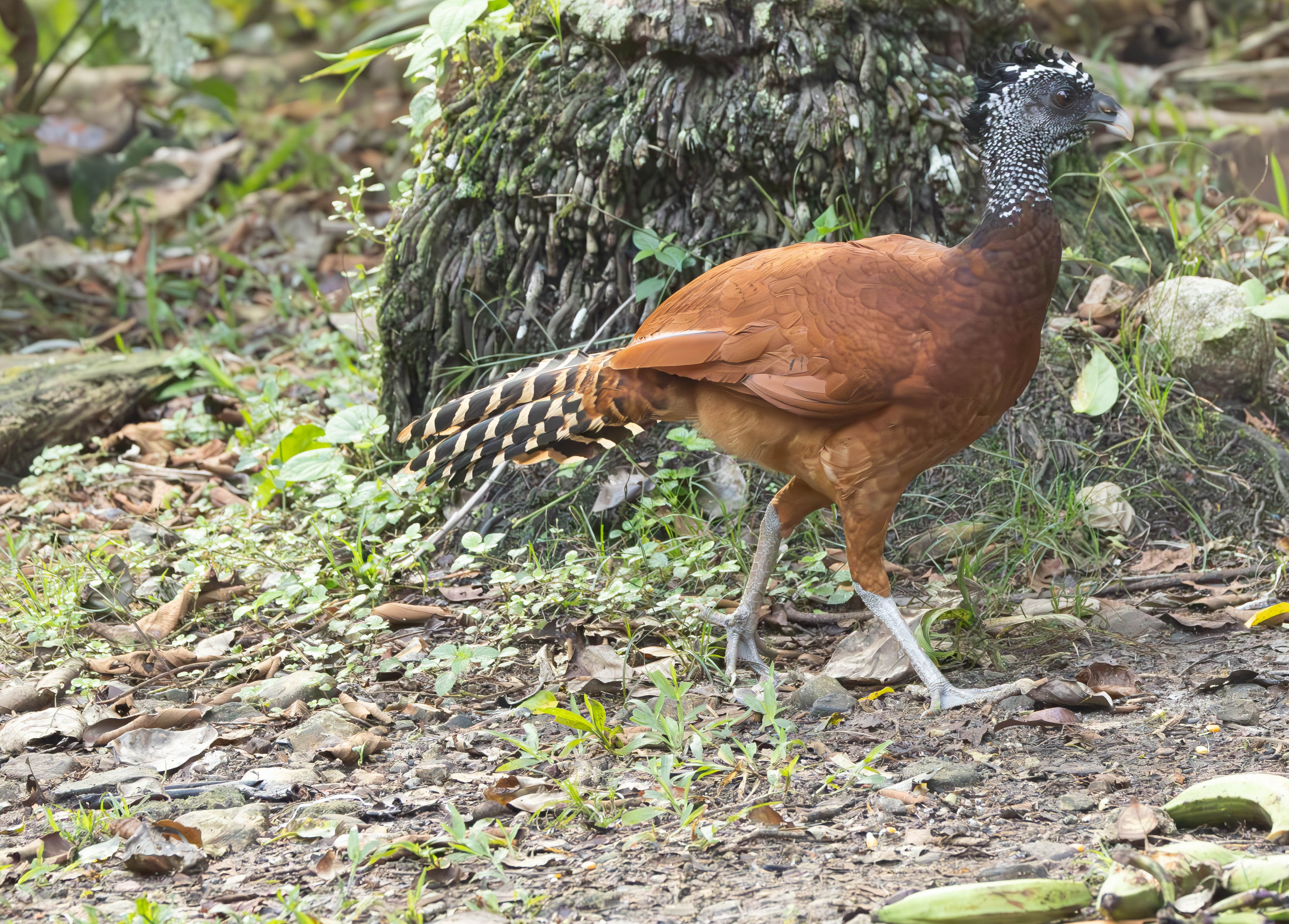
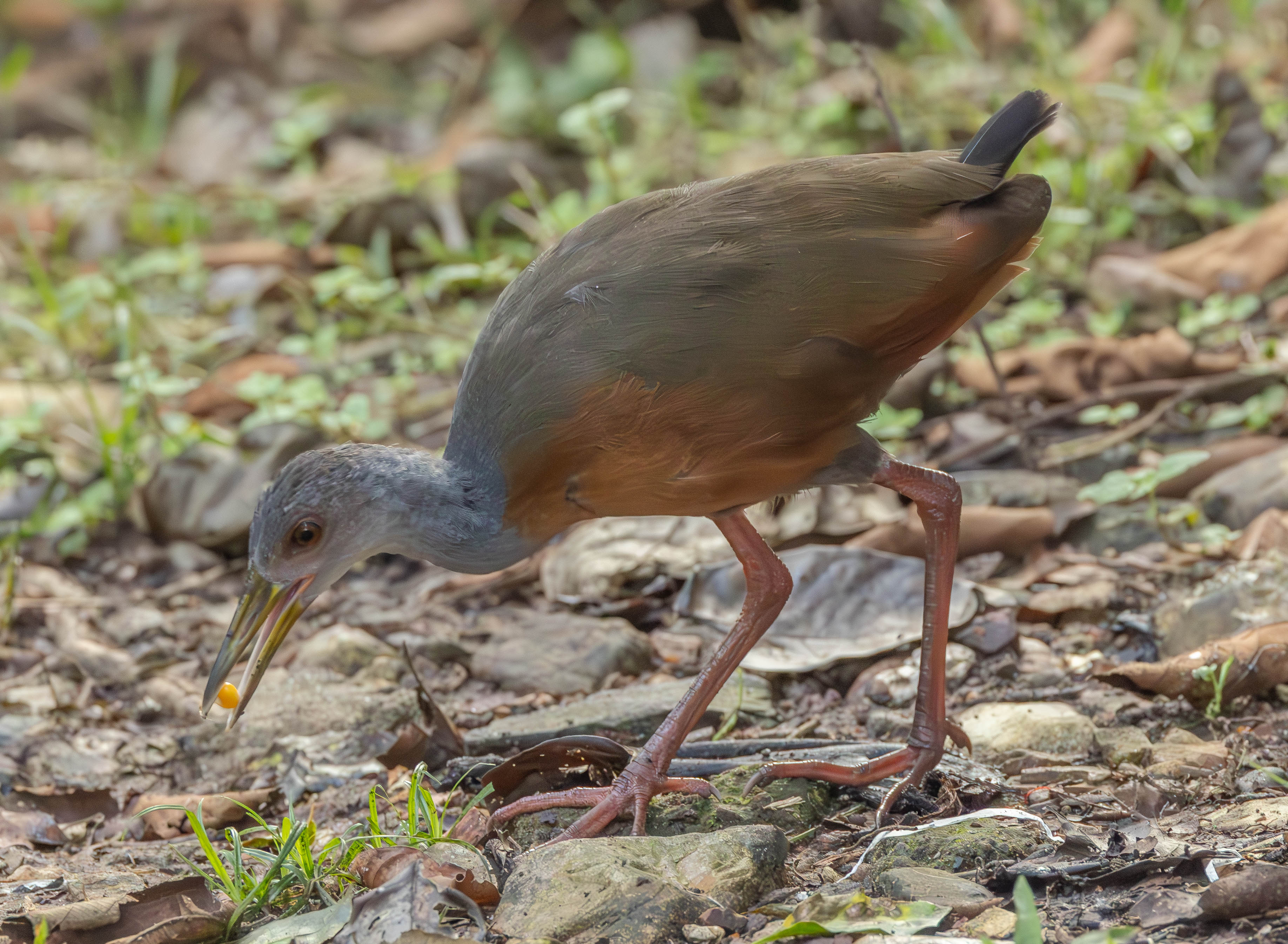
The final day included several stops along the trip back to Panama city, with yet more new species to be seen. The first stop was at a little house where a local woman had seen Great Currasows in her garden, and had started throwing out rice for them, so they now return regularly. They have recently also been joined by group of Wood-Rails. The header image is of the male Curassow.
Great Curassow (f)Gray-cowled Wood-Rail
The on to a nature reserve on land that belonged to local priest, and is called Reserva San Francisco
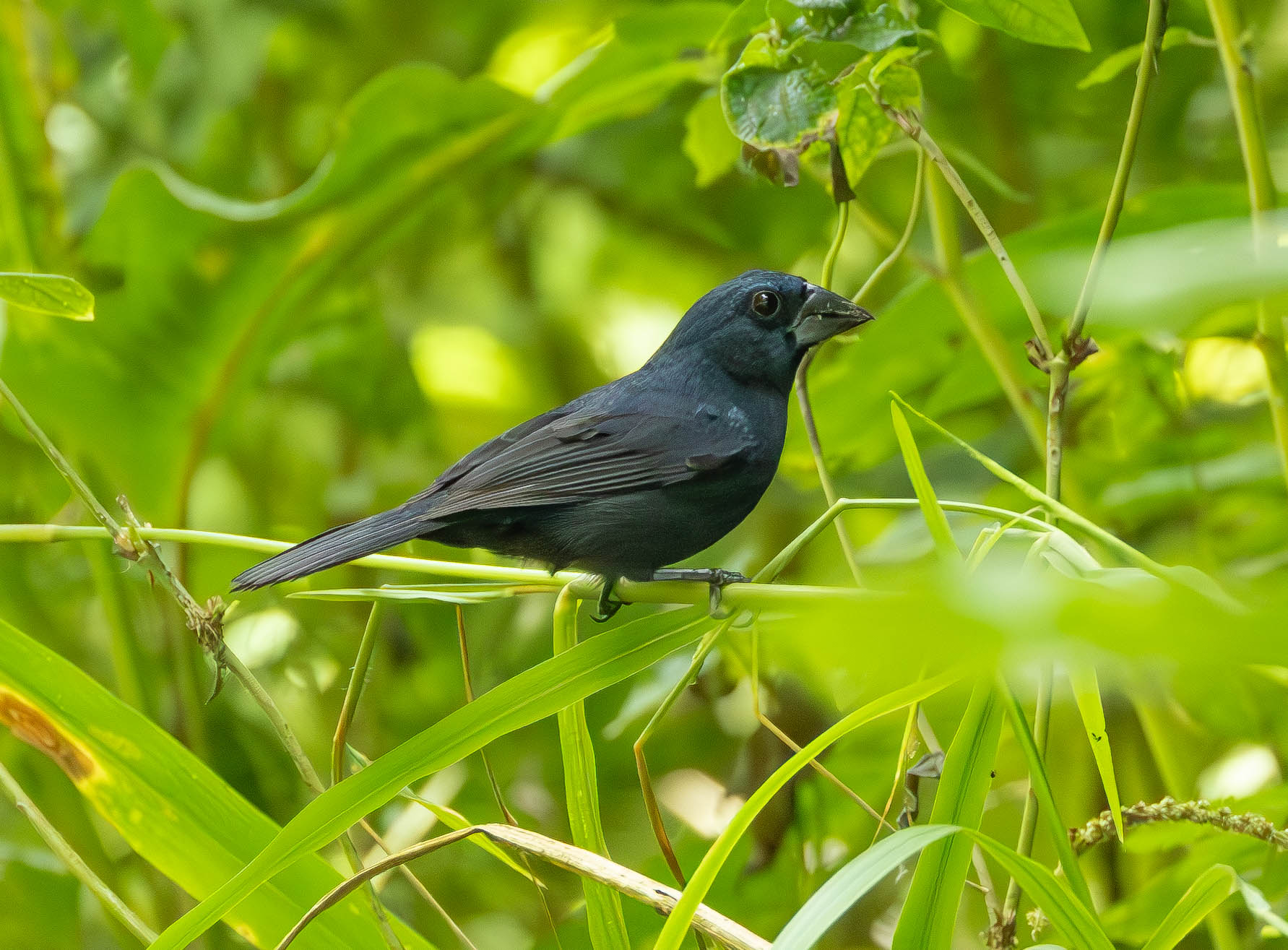
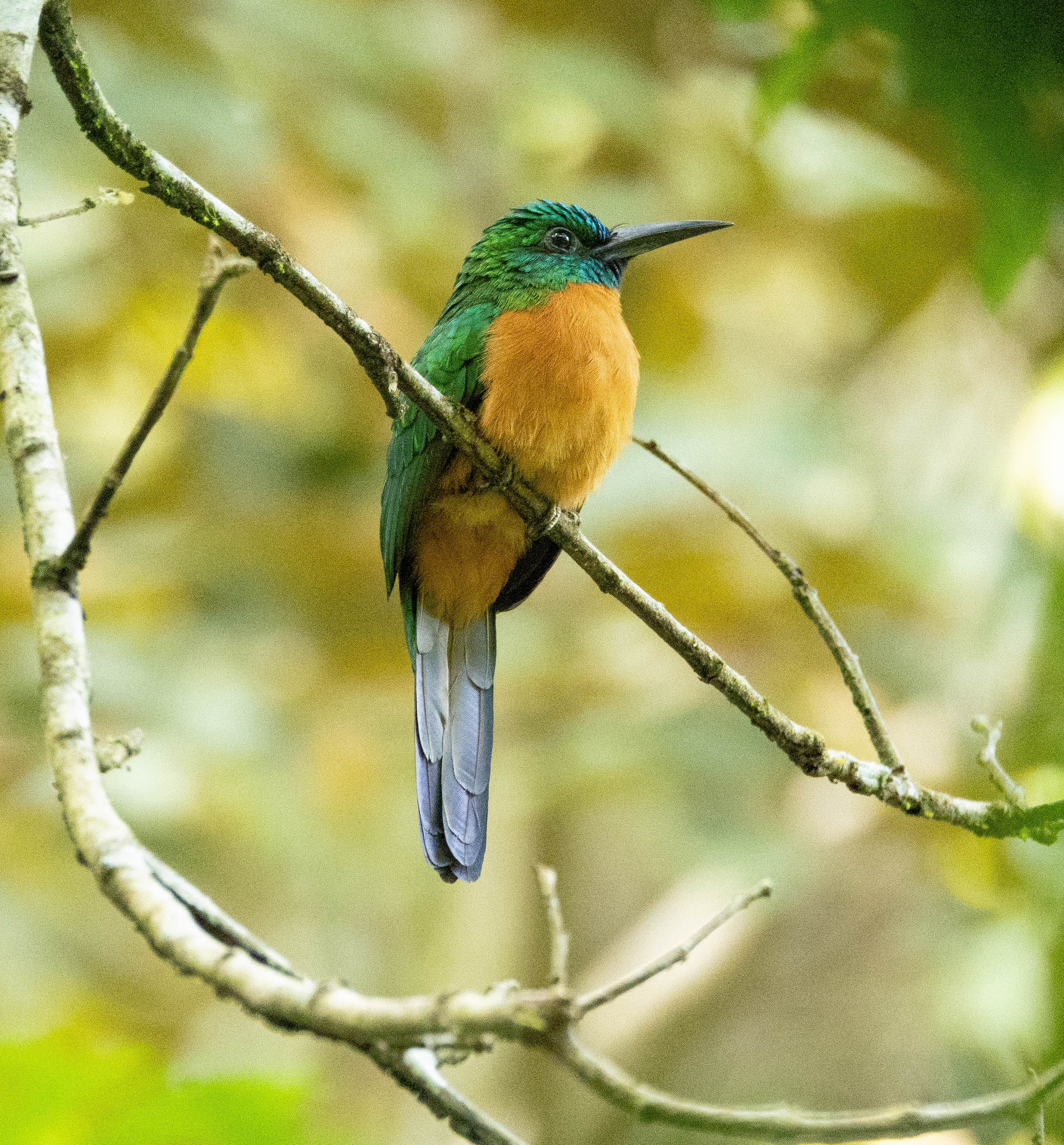
Panama FlycatcherBlue-black GrosbeakGreat JacamarGreat Jacamar dismembering a moth.
Then back to the restaurant where we had lunch the first day.
The final stops of the day were to areas just along the PanAmerica highway, south of the Canopy camp. The header image is the elegant Fork-tailed Flycatcher.
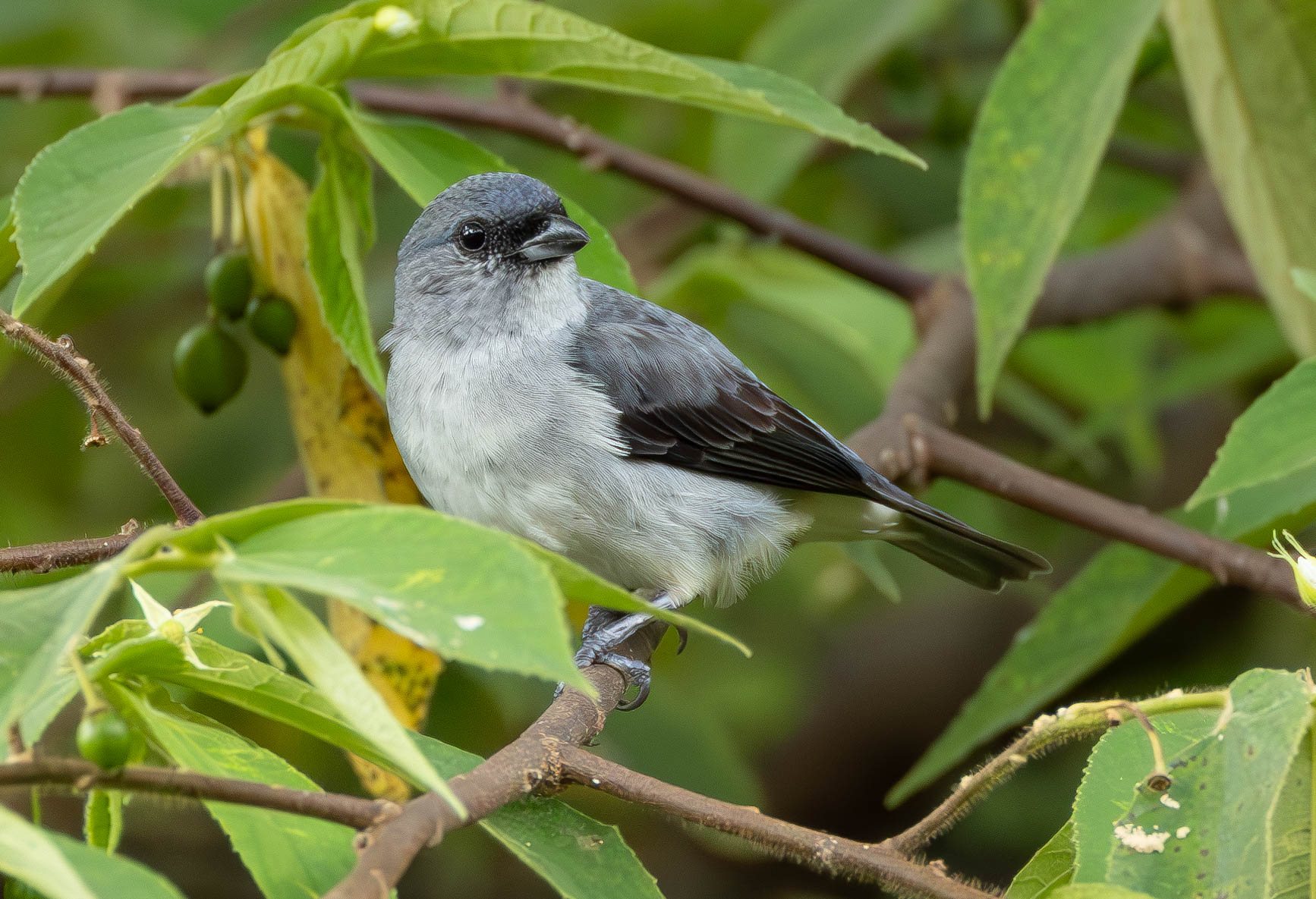
White-headed WrenVariable Seedeaters m&fBicolored WrenBlack-crowned TityraBlack-crowned Tityra, f.
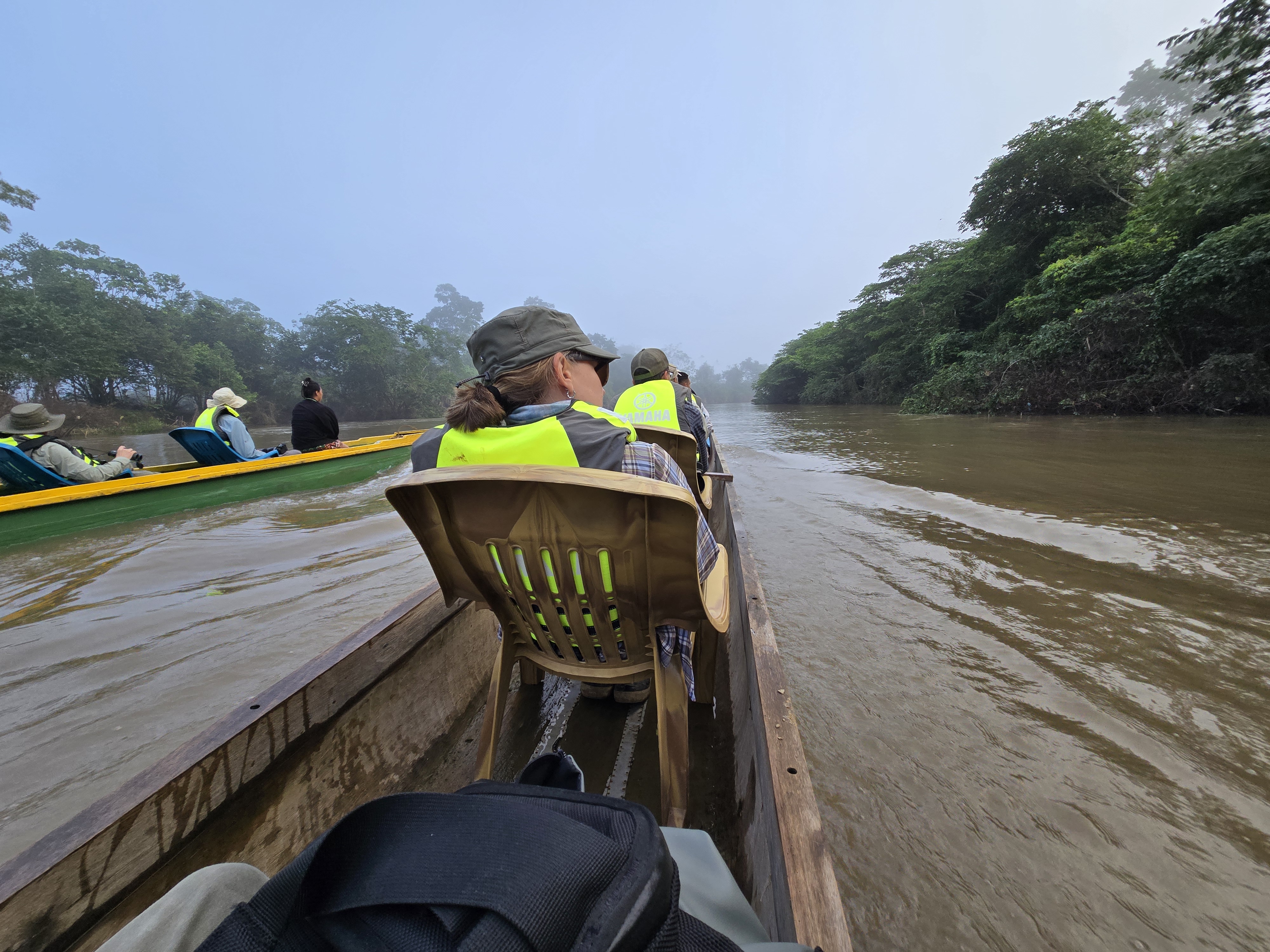
Another river trip, this time in smaller dug-out canoes (some were really dugouts, others looked similar but were made from separate pieces of wood). The seating was plastic garden chairs, with no attachments to the boat, we picked them up and moved them around in order to load the canoe. The tropical river, again the Chucunaque, was very calm, even when other boats passed in the other direction.
Most of them carried locals, who use the river as the main highway. In addition there were many canoes which were packed with adults wearing life-jackets, immigrant/refugees who had been processed further downstream, and were being transported for further processing. Apparently many of them were from Haiti, and in the short time we were on the river there were probably a couple of hundred. Probably thousands a day are arriving, on just one river.
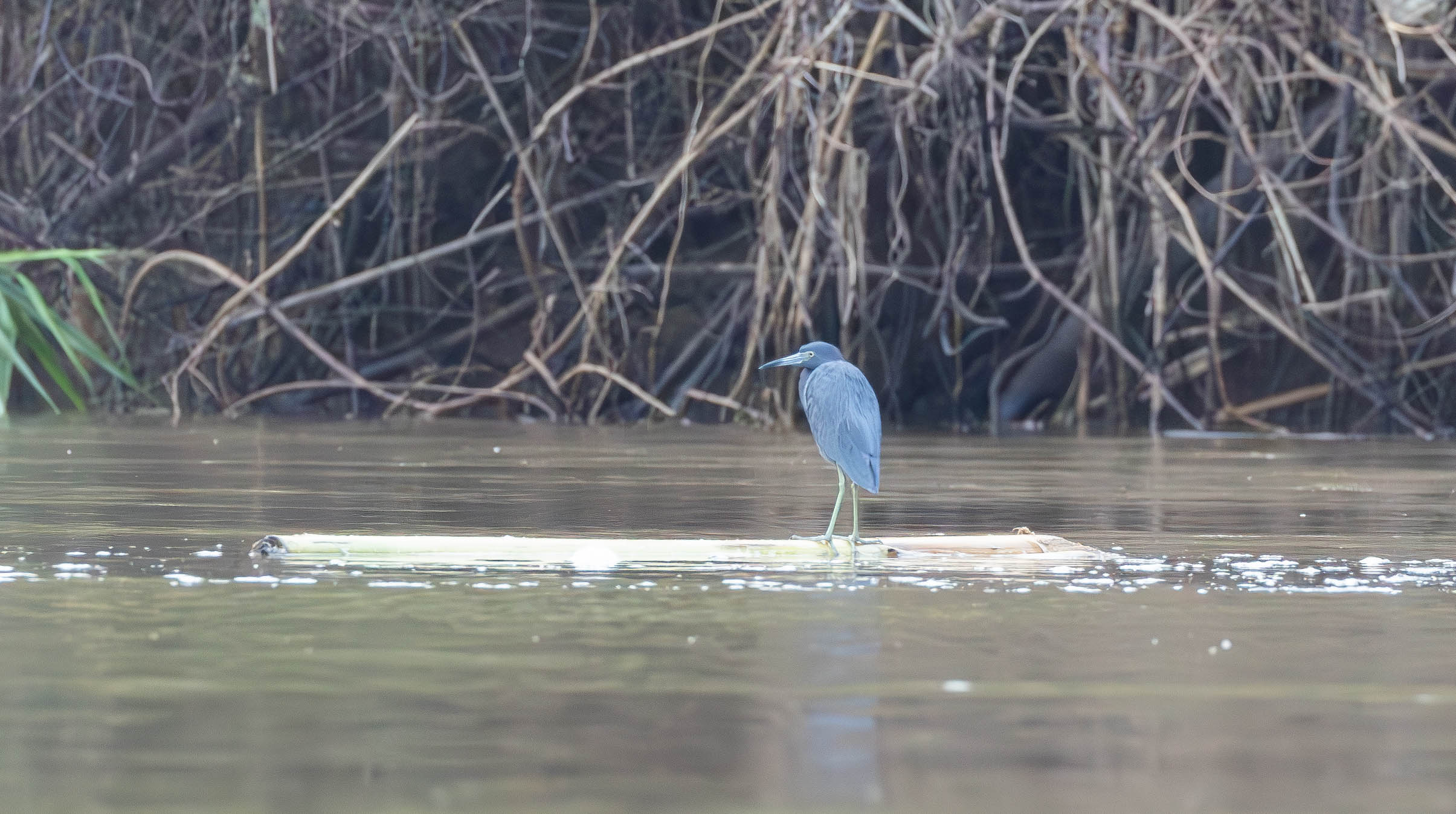
This innovative Little Blue Heron was using a floating log as his transport.
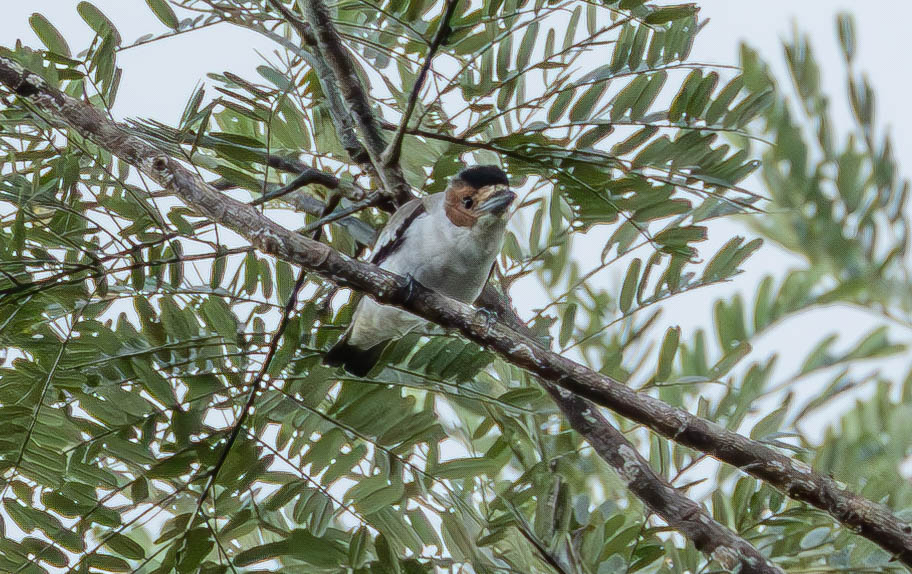
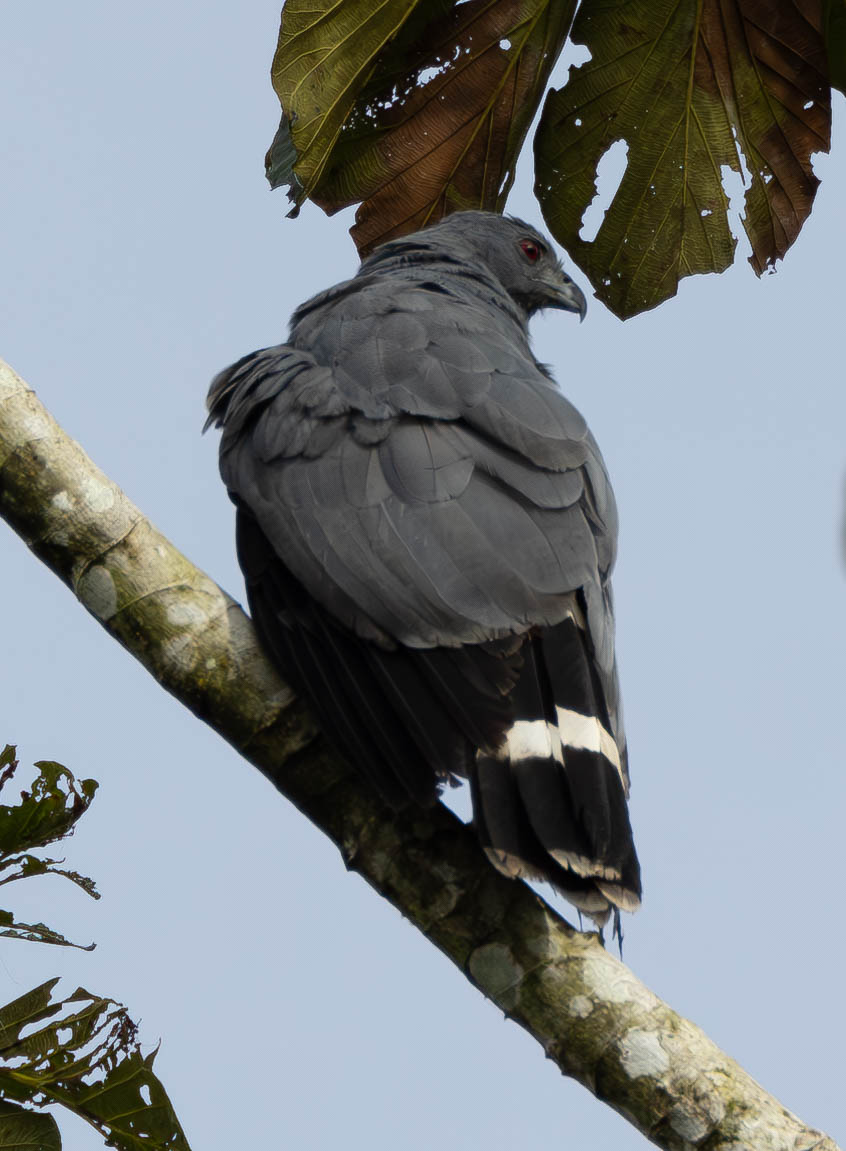
Little Blue HeronMangrove SwallowsCrane HawkThree-toed Sloth, aka Brown-throated Sloth
The first stop on the journey was to a site where the scarce Dusky-backed Jacamar had been seen. Expecting to have to search for a while, we disembarked and prepared for a walk, but the bird was waiting for us about 10 m from the landing spot!
Dusky-backed Jacamar
Then over to a village of the Embera People, Nuevo Vigia, and a walk to an Ox-bow lake.
Back to the village for lunch and a view of the “cutest” of all the birds we saw, the diminutive Spectacled Parrotlet, only 12 cm long from head to the end of the stumpy tail.
In the afternoon further on to a swampy area. Among the many raptors we saw, this one had the most vicious looking bill, which they use to extract snails from their shells.
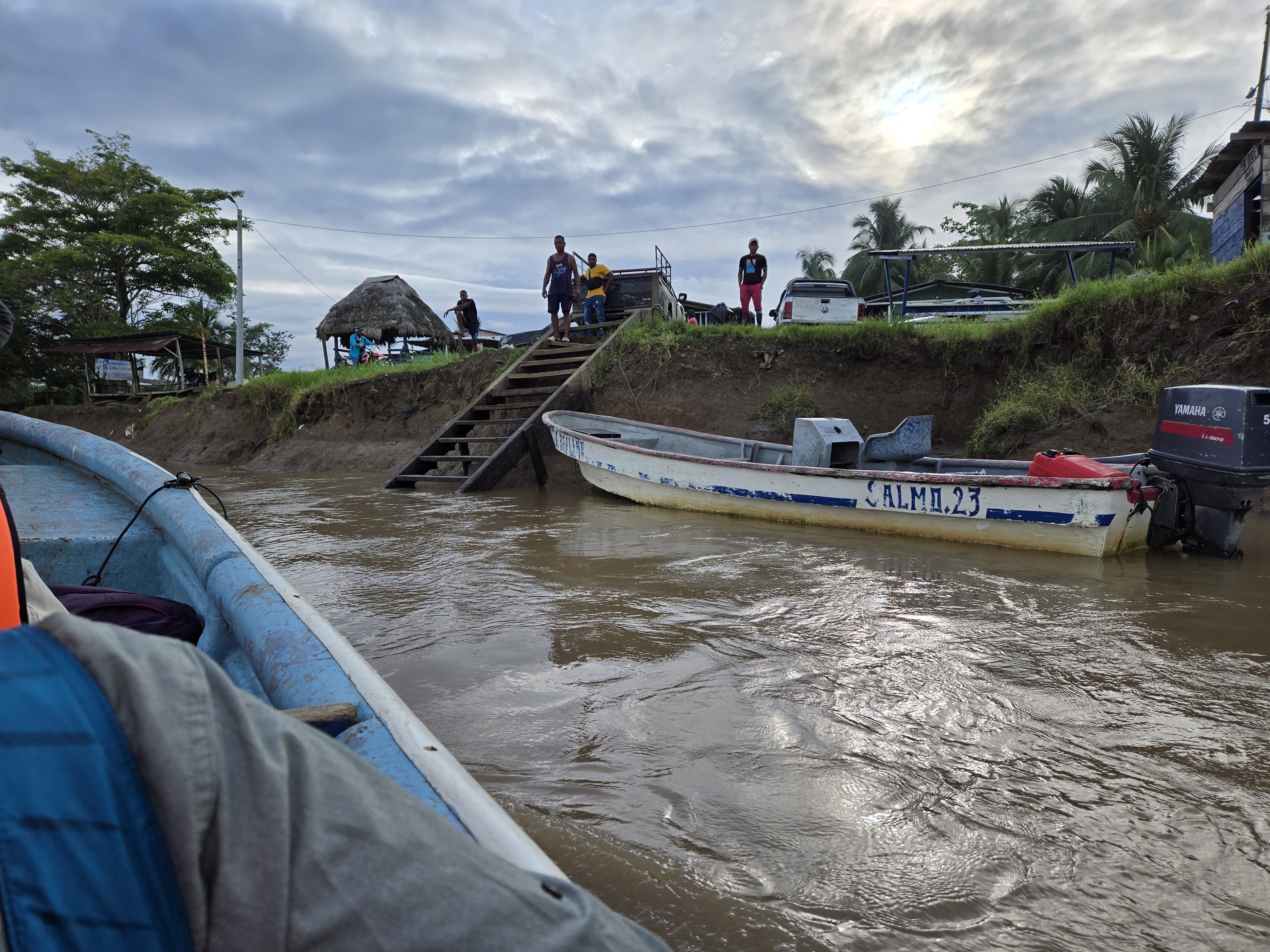
The group set off very early, breakfast at 4h30, to drive to the very end of the TransAmerica highway at Yaviza. From there we took a “lancha”, a motorized boat, travelling upstream on the Chucunaque river to a town called El Real.
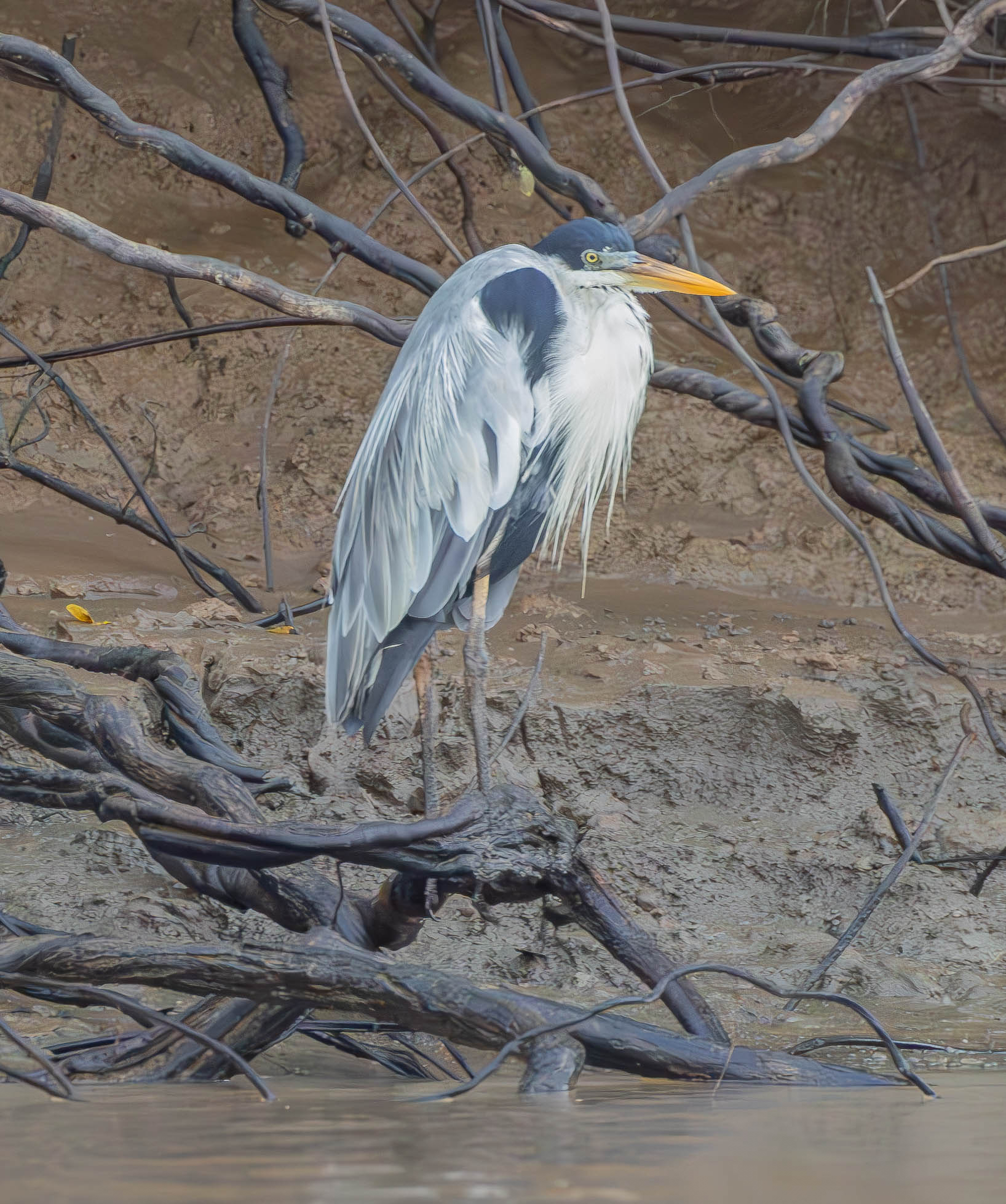
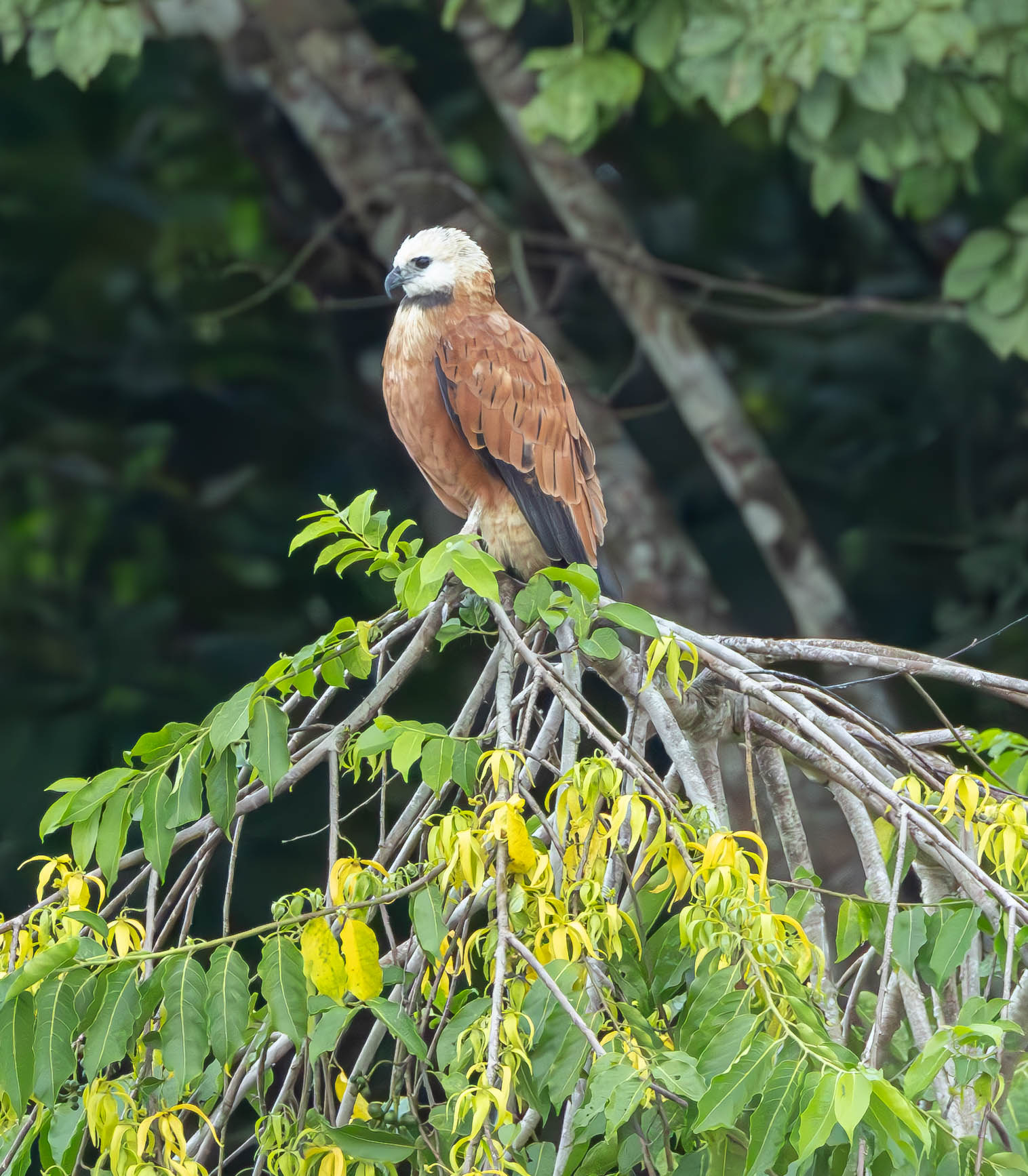
Start of river trip in YavizaCocoi HeronBlack-collared HawkArrival at El RealRed-and-Green Macaw
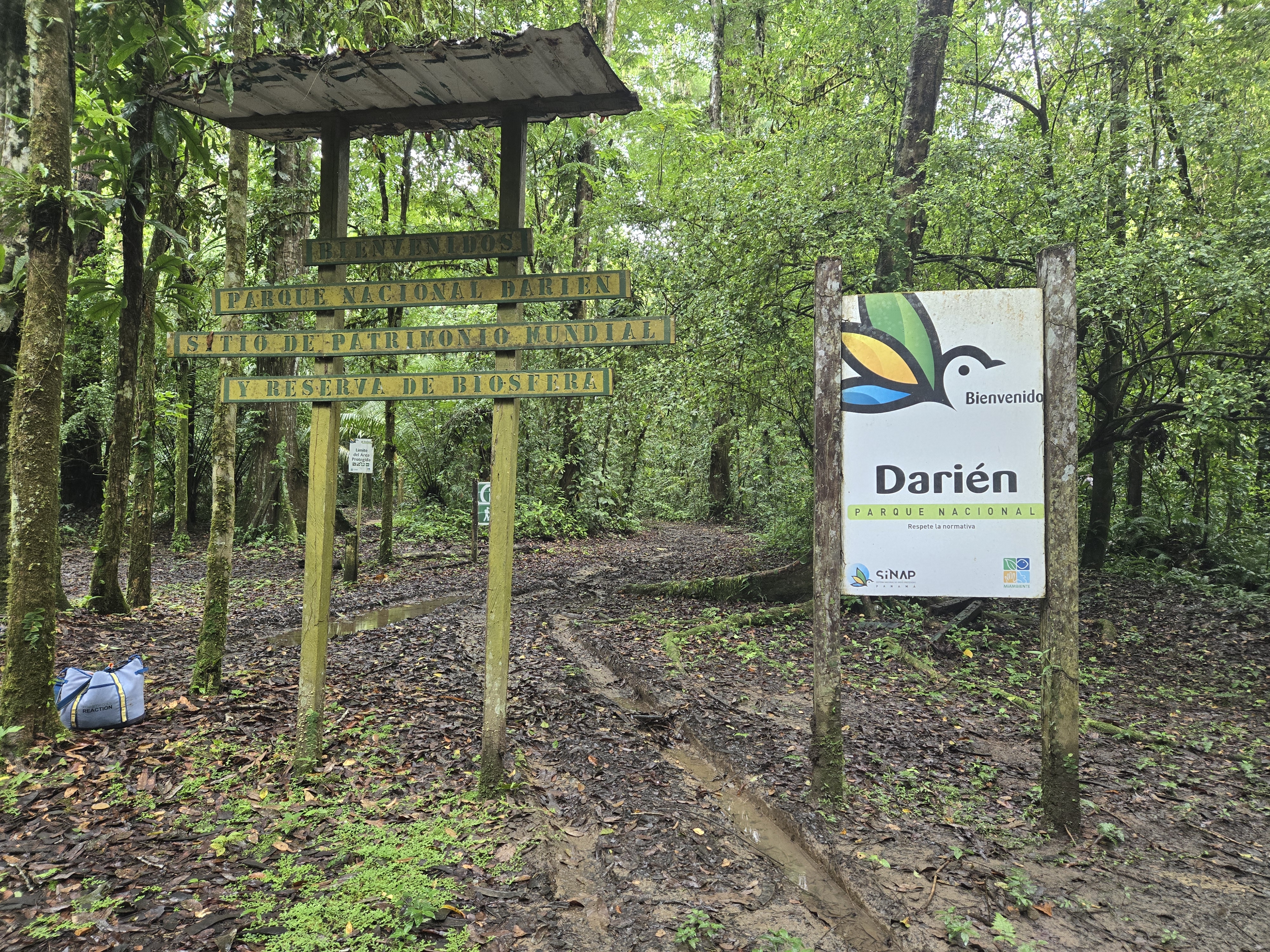
After the boat trip, there was a half hour or so in a 4-by-4, then another hour of walking, during which this magnificent Macaw was spotted, we entered the Darién national park, and finally arrived at the ironically named Rancho Frio.
Entrance to Darién national parkOffices of the Ministry of the Environment at Rancho Frio
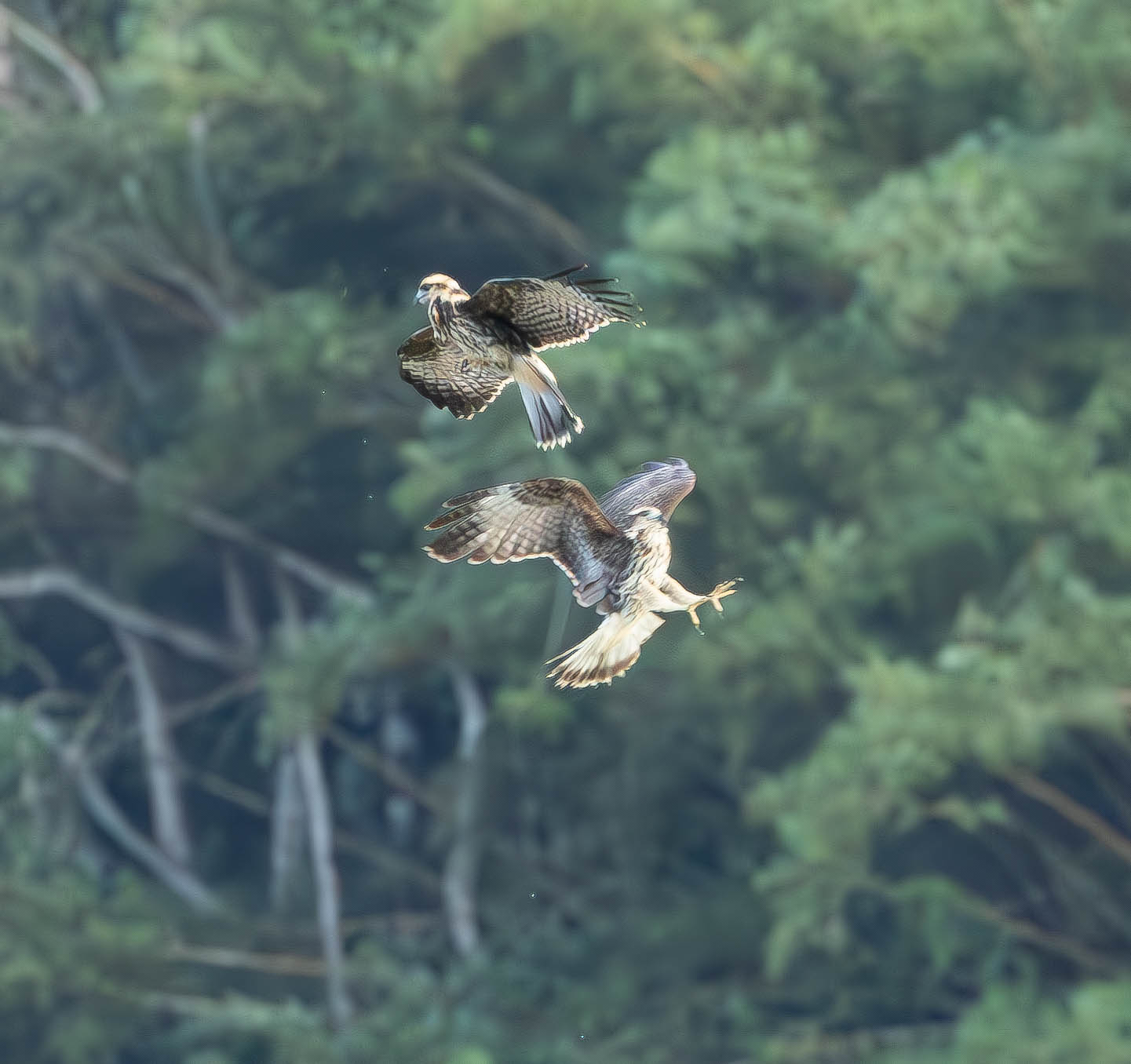
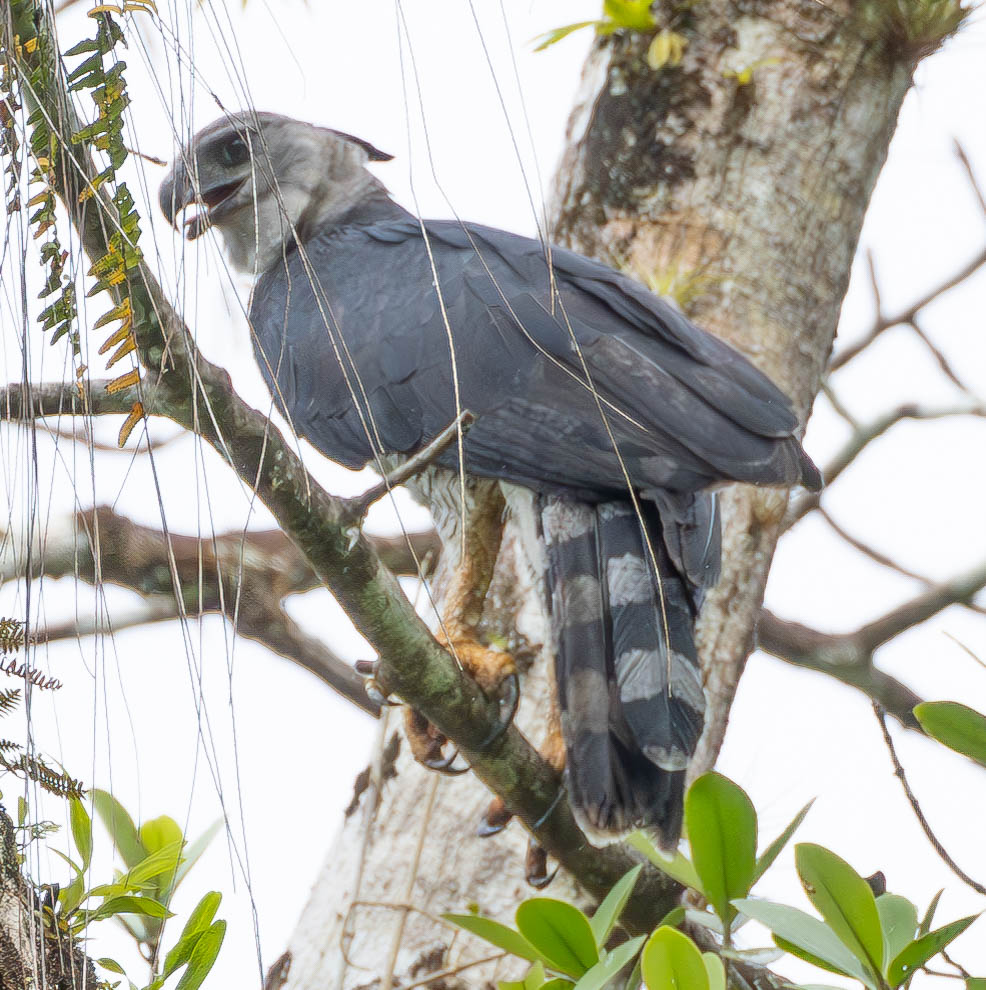
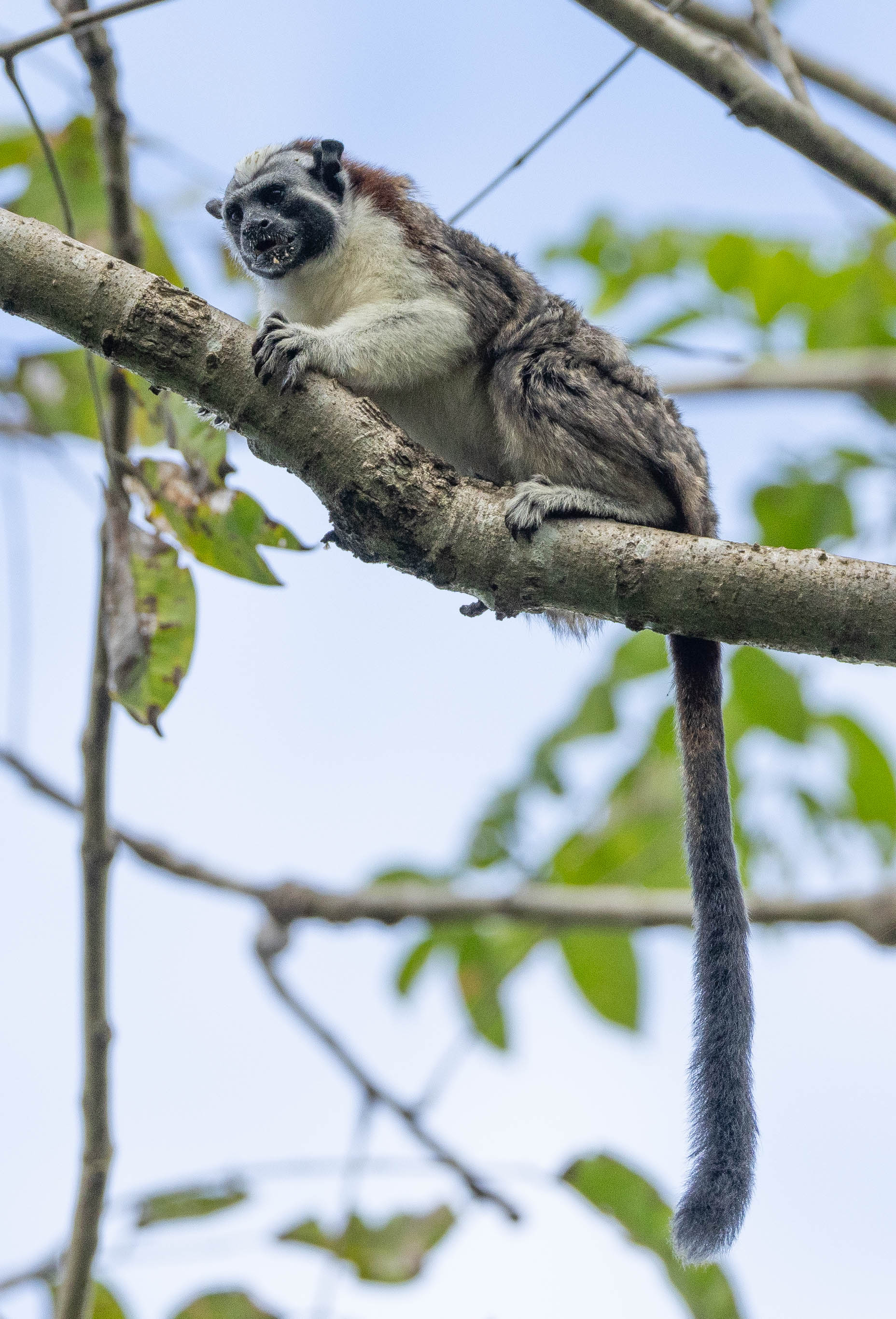
After lunch at Rancho Frio, the last 30 minutes walk took us to a nest of the Harpy Eagle, today’s goal. There was a female on the nest, with a chick of about 10 days of age (the top of whose head we occasionally glimpsed) and as we were watching, the male flew off in search of prey, which are mostly monkeys and sloths.
Harpy Eagle on nestHarpy Eagle
The Harpy Eagle has little sexual dimorphism, the identification by our guides was based on their activity, usually the female stays on the nest with the chick, while the male is out hunting.
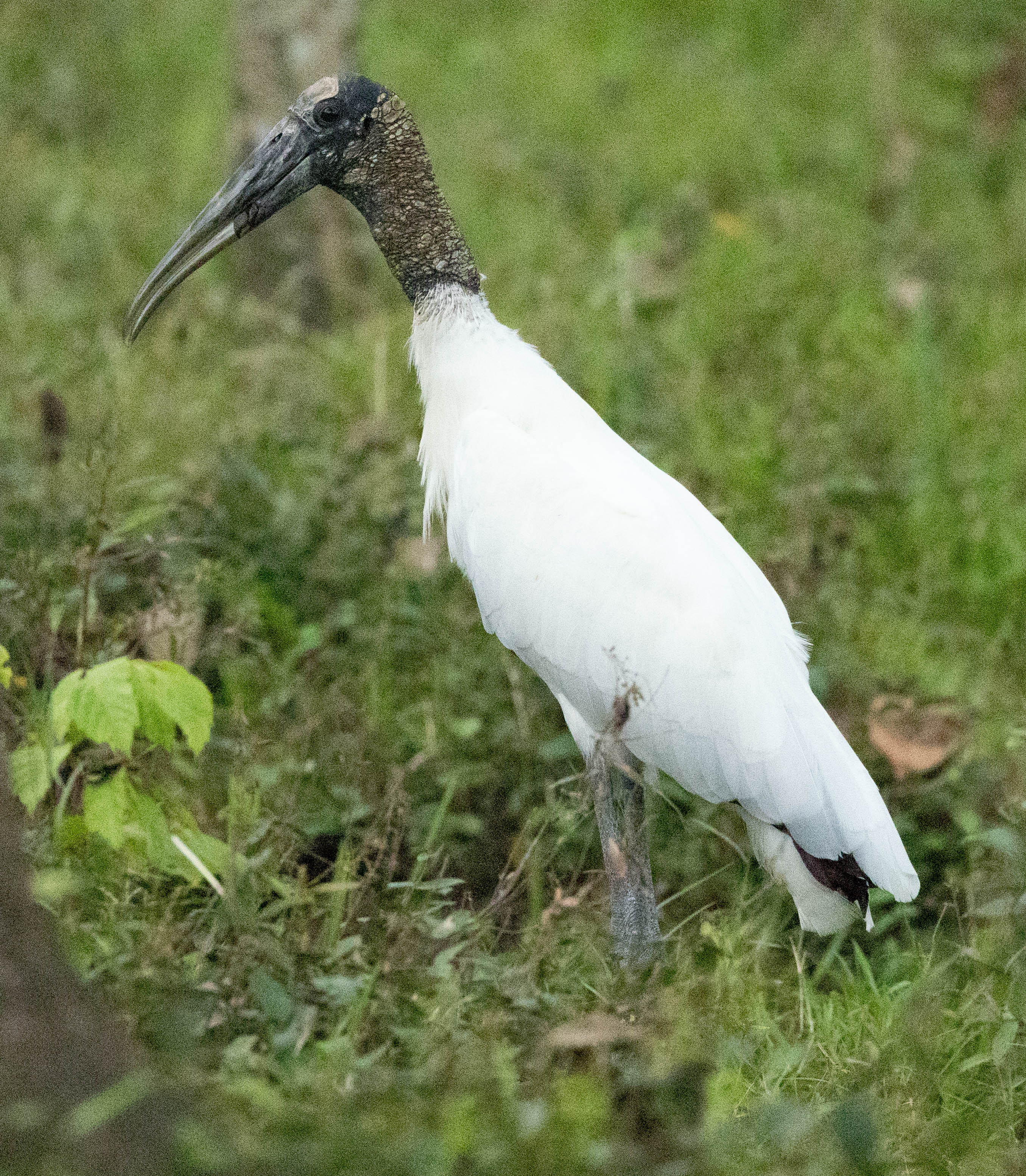
On the trip back there were very heavy showers; we were still able to see the Great Green Macaw, a real rarity, a Wood Stork (not rare at all), and a small flock of Brown-hooded Parrots. Despite arriving back soaked through, the day was a great success.














































 Keith Barrington's personal blog