South-east Arizona Day 3

Cactus Wren, the Arizona state bird

Ladder-backed Woodpecker

Mountain Bluebird

Acorn Woodpecker

Lazuli Bunting

Violet-crowned Hummingbird

Red Crosbill

Prairie Falcon

Western Meadowlark

South-East Arizona, Day 2

Black-throated Gray Warbler

The drive down from Phoenix took me to a few kilometres from Mexico at the Casa de San Pedro, a very pleasant B&B that caters for Birders. The two days I spent there were accompanied by the excellent Nolan from Arizona birding tours, who knew a great deal about bird behaviour, and was able to find almost all the target species on our list.

Pyrrhuloxia

Green-tailed Towhee

Winter wren

Arizona Woodpecker

Spotted Towhee

Broad-billed Hummingbird

Mexican Jay

Townsend’s Warbler

South-East Arizona, Day 1

Header image shows a Canvasback. Lesser Scaup, and Ring-necked Duck.

After a really well organized AAP perinatal workshop, in Scottsdale AZ, where I presented a couple of things, I took a couple of days in the far southeast of Arizona. On the way there I stopped off at Chaparral Park and at Gilbert Water Ranch.

Verdin

Gambel’s Quail

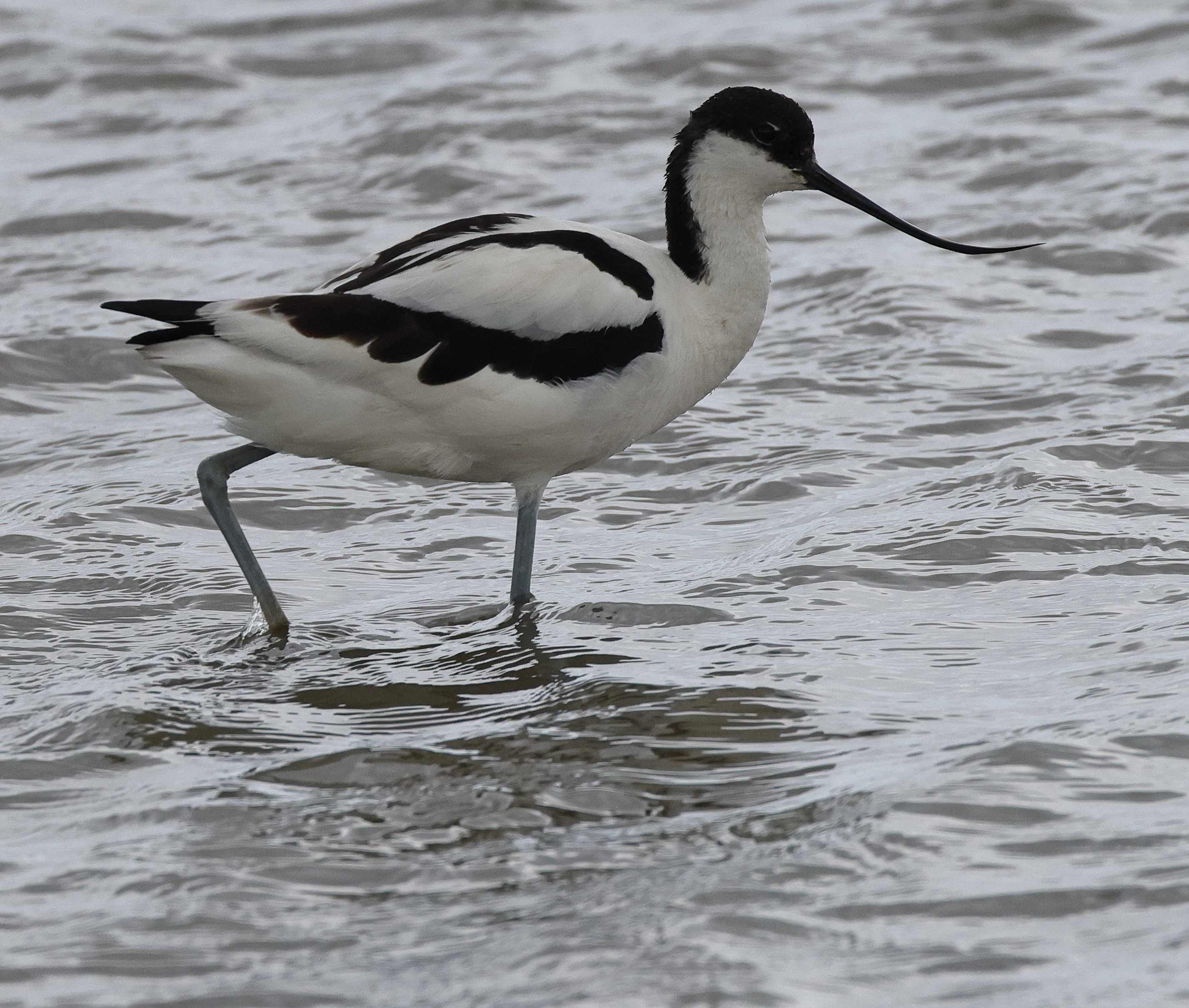
American Avocet

Black-necked Stilt

End of the trip

This was the first time I have done a trip like this, dedicated to viewing, and photographing, birds, as well as whatever other wildlife came our way.

Many thanks to Birding Ecotours for the organisation of the trip, and most especially to Galo Real, our most excellent guide, who was able to find birds when no-one else could, even some that were at great distances and almost hidden. 17% of the worlds bird species are found within the borders of this tiny country, that is about 1,700 different species, Galo was able to identify all of the ones we saw almost without hesitation. He was also able to identify an incredible number of birds by their songs and calls, several hundred at least, he thinks maybe 900! Galo also really saved my trip by lending me his camera lens when mine was dropped (actually I dropped it!), he also has his own travel/wildlife viewing company based in Ecuador.

My final tally was over 270 different species seen, with about 260 of them being the first time I had encountered them. There are a few I had seen before in the USA, and 5 that also visit Quebec in the summer.

Here are a few highlights that I haven’t yet featured on other posts, starting with a video I made of the mating display of the male Andean Cock-of-the-rock, the screeching you can hear is the noise of the other males.

Andean Cock-of-the-rock mating dance

Blackburnian Warbler, this is one of the species that migrates to Canada in the spring.

Southern Lapwing

Palm Tanager, this beautiful bird was the plainest of the Tanagers that we saw.

Silver-throated Tanager, we only saw one of these, an uncommon bird with a restricted range.
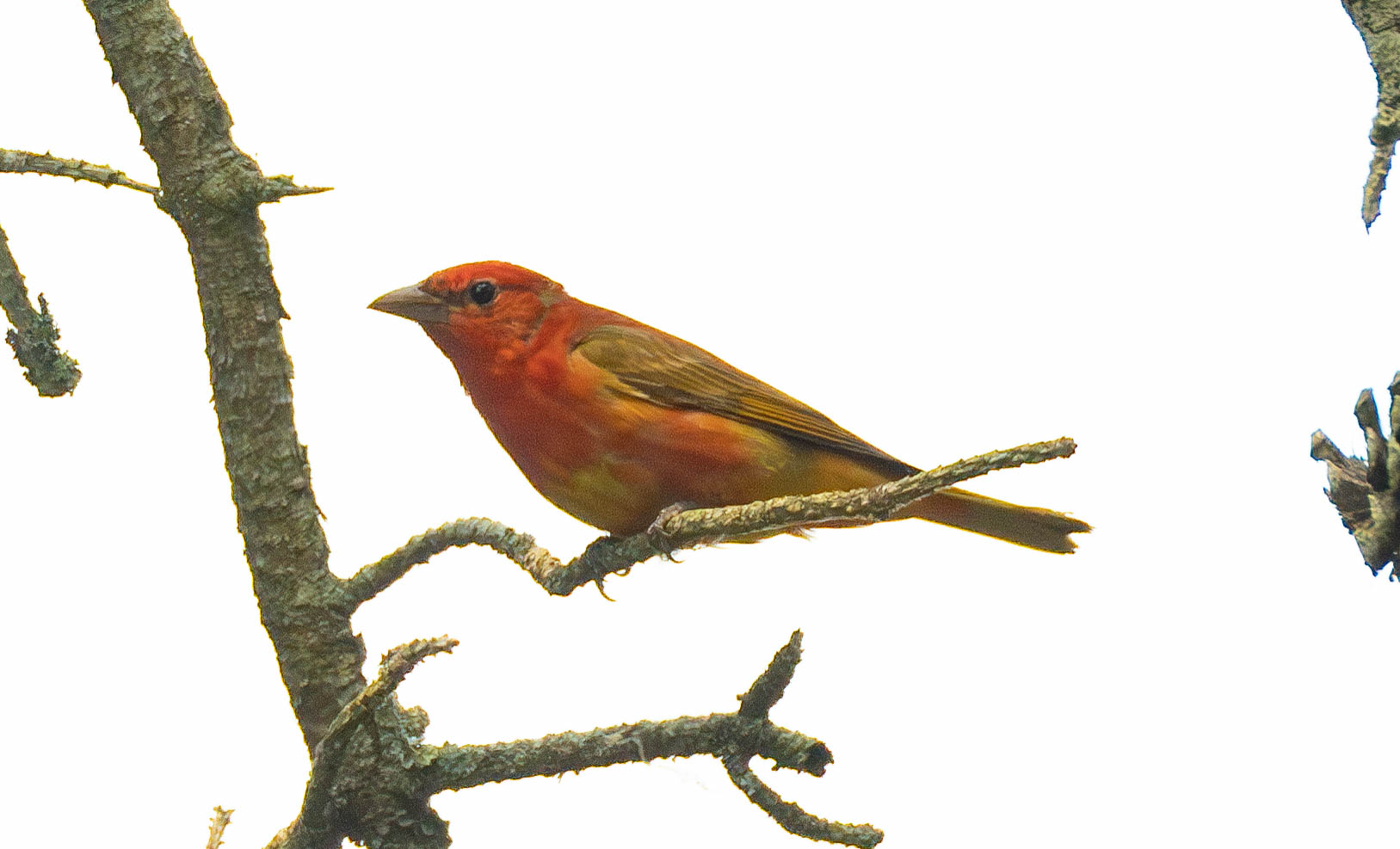
Summer Tanager

Day 16; Sumaco back to Quito

First thing in the morning at a blind near the lodge, then a long journey back to Quito, we were supposed to stop at altitude and search for birds but it was raining and cold, so we continued on and spent most of the afternoon at Hacienda Jiminita.

Western Fire-eye, this female shows how they got their name. The header image is a male of the same species.

Black-faced Antbird

Variable Hawk, seen on the trip back to Quito, the plumage is very variable (!)

Vermilion Flycatcher

Blue and Yellow Tanager.

Day 15; Wild Sumaco

Another day around the lodge at Sumaco, as a new ecosystem in the rain forest there were large numbers of new species to see.

This is a Wattled Guan, the third type of Guan we have seen, members of a family I didn’t know existed before this trip.

The Gorgeted Woodstar, so small that at first you think he’s a bee flitting from flower to flower

The Paradise Tanager looks like he’s wearing a hood, the picture may not be the best but he was about 100 metres away from me.

Another Andean Cock-of-the-rock, this one being the eastern subspecies, who has a much more orange coloration, especially the head.

Yellow-throated Toucan, eastern black-mandibled type, was waiting for us in at the lodge in the pouring tropical rain when we returned to the lodge.

Day 14; Wild Sumaco

No travelling today, Antpitta feeding station and then walking and birdwatching around the lodge.

Ochre-breasted Antpitta, the header image is a Plain-backed Antpitta

Black-streaked Puffbird

Golden-Olive Woodpecker

Sickle-winged Guan

Day 13: San Isidro to Sumaco

Great morning birding with Galo, not many close-ups for good photos, a couple of times we saw birds far off, then they co-operated and moved closer.

The Emerald Toucanet looks really angry!

The Magpie Tanager is sat in front of a Smooth-billed Ani

Lemon-browed Flycatcher

Yellow-browed Sparrow

These Black Vultures appear to be having a Thanksgiving feast of an entire cow.

Day 12: Cabanas San Isidro

Stayed around the area today, but first, a mention of the Owl. There is a history at this refuge/complex of a Black-banded Owl subspecies that is often seen, and which was spotted last night after supper.

The Black-banded Owl from last night.

This Russet-backed Oropendula is a large bird, about 24 centimetres long.

The Blackburnian Warbler is another migratory bird, one I have previously seen in Canada, during the spring migration as they escape to cooler climes.

Smoke-coloured Pewee, one of a huge number of flycatchers in Ecuador.

This Pale-edged Flycatcher is another.

The Black-eared Hemispingus was yet another first ever viewing, before breakfast.

Later in the day there was this spectacular Booted Racket-tail

Day 11; Cabanas San Isidro

I had a question about the equipment I am using for the photography: the camera body is a Canon R5. For the first 3 days I had a Canon 100-500 RF zoom lens, but then, disaster, it was dropped, and the autofocus stopped working. Fortunately our guide, Galo Real, was using Canon equipment and he generously lent me his Canon EF 400 with a 1.4 teleconverter, and I had an EF to RF adaptor with me. So after day 3 the photos are all taken with that. The lens is a very high quality Canon lens, but doesn’t have the same image stabilization as the newer lenses, which interact with the in-body stabilisation of the mirrorless R5. And now on for anyone who isn’t a photography nerd!

We stayed around San Isidro today, first of all an early start watching the birds that came to snatch the moths off a sheet near the balcony, attracted there overnight by a bright light. Then a couple of expeditions, one of which enable us to find the elusive and amazing Torrent Duck.

Canada Warbler, this particular male had only one leg. The one in the header image is able-bodied, but we are very inclusive in Canada, so both are included in this blog!

Scarlet-rumped Cacique, AKA Neotropical Cacique

White-bellied Antpitta

Summer Tanager, this bird and the Canada Warbler are migratory birds that spend their summer much further north, many of them in Canada.

Torrent Duck, unlike many ducks who like to swim in calm water, this one braves the raging torrents of the rivers in the Andes, swimming upstream, then jumping out, only to return for more exercise. Apparently he (this is the male) eats algae and larvae churned up by the current.

Day 10: Guango Lodge to San Isidro

Spent a couple of hours in a hide before breakfast, and saw the birds in the first 3 photos, then a walk down to the river seeking Torrent Ducks, which was the first unsuccessful bird search of the trip. Then heading further east, to the San Isidro, down to an elevation of about 2,000 m, the Lodge is situated in what is mostly primary forest, in a reserve area of 3,000 hectares.

Mountain Cacique

Turquoise Jay, I know he’s not really turquoise, but “Blue Jay” was already taken.

Green Jay. The sexes are very similar, I think this is a male as the tuft of feathers above the beak is bluish.

Gray-browed Scrubfinch, found a tasty insect to eat.

Pearled Treerunner

Day 9, transfer to Guango Lodge

Heading east now, into the Andes at first, then starting to descend. Not a lot to see as we went over the mountain ridge (by which I mean only 3 new species!) and then arriving at Guango Lodge for several new species of Hummingbirds, including one I missed earlier in the trip, and was hoping to see, this one

Sword-billed Hummingbird, the dramatically long beak has evolved to extract nectar from Brugmansia.

Long-tailed Sylph. The tail may get in the way, but Darwin’s understanding of sexual selection explains such exuberant features. The females have a short tail.

Female Long-tailed Sylph. She is quite pretty though, even without the long tail.

The Collared Inca looks almost black.

The White-bellied Woodstar is tiny, the body is only about 3 cm long, not including tail and beak.

Tourmaline Sunangel, a female, which is why her neck is not coloured tourmaline!

This is the male.

Blog at WordPress.com.

Up ↑