The next 3 days we spent at the Trogon Lodge, in the cloud forest in central Costa Rica, in a region known as San Gerardo de Dota.
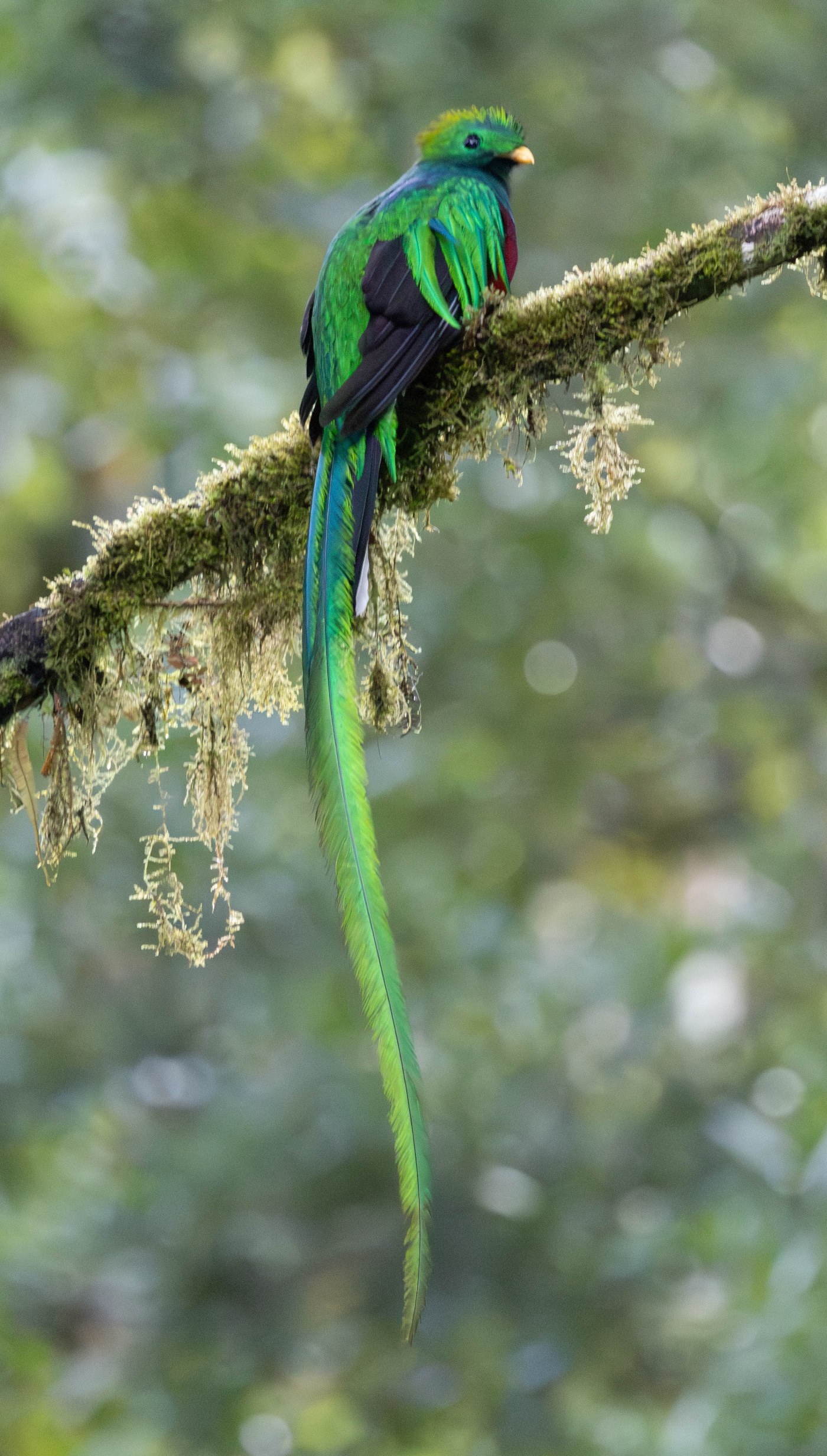
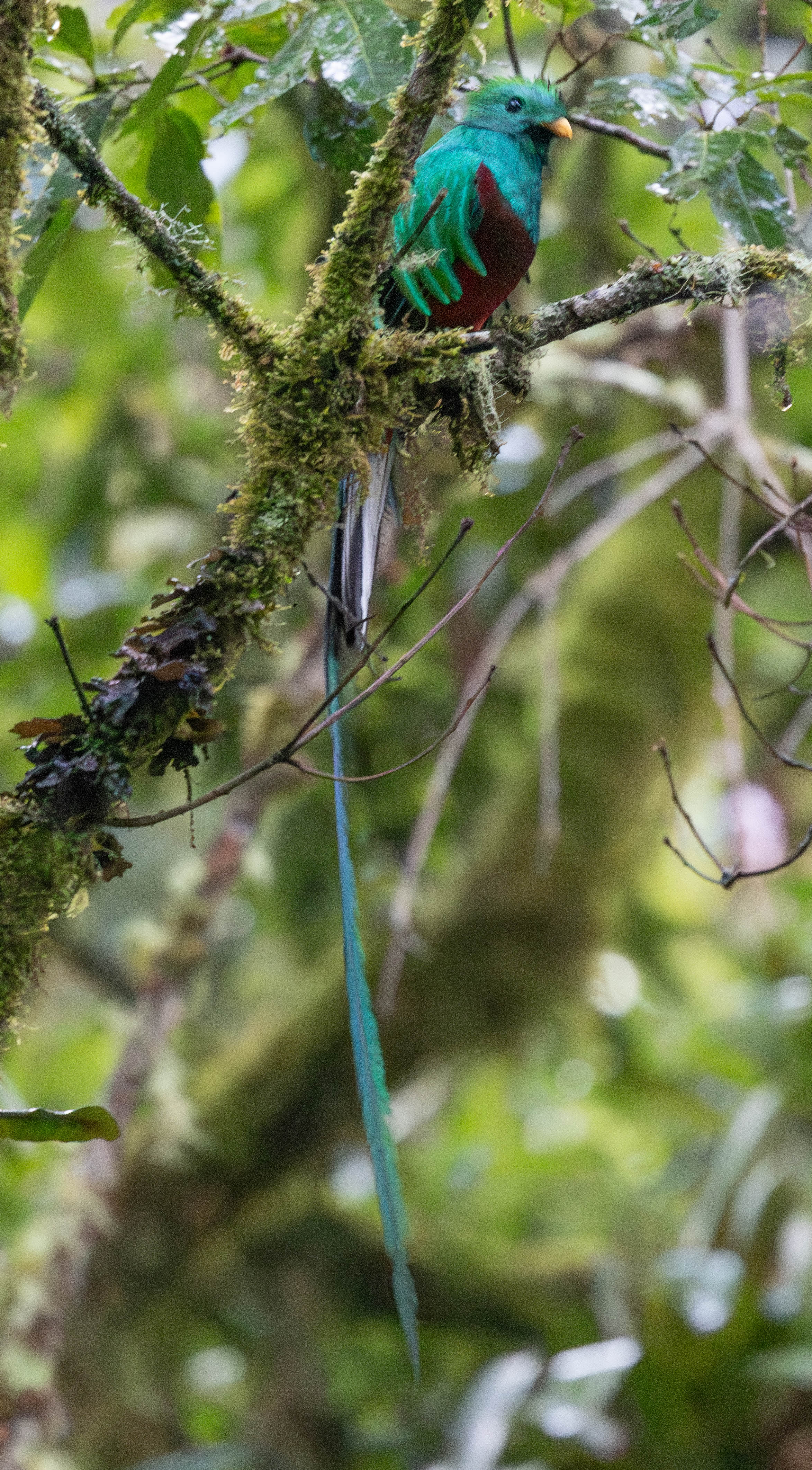
Two early morning outings were rewarded by sightings of the iconic Resplendant Quetzal, that you can see in the header image, and below.
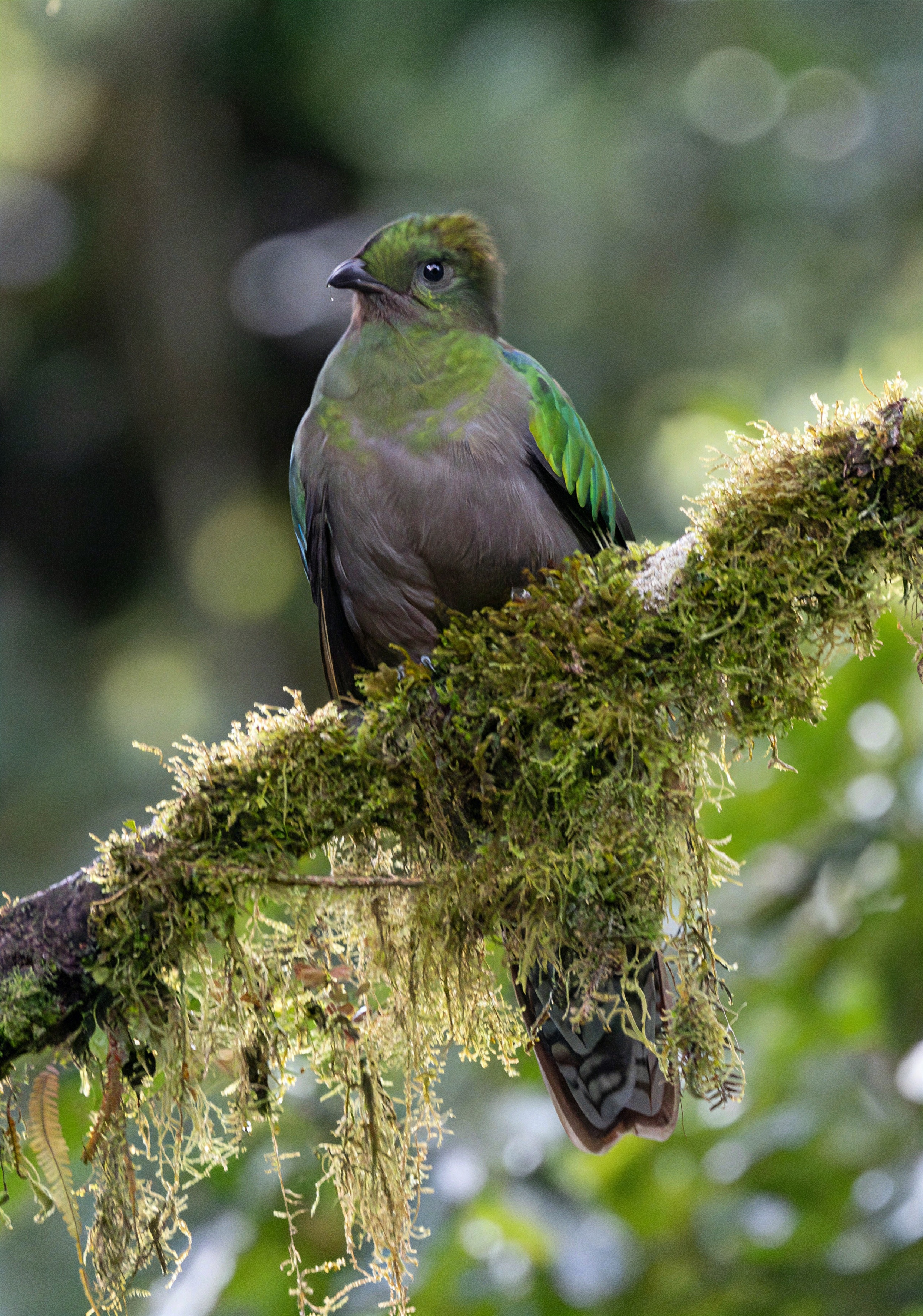
The female is also impressive, but without the resplendant tail
Another new Hummingbird is one confined to the higher elevations of the Talamanca Cordillera, the range of mountains in central Costa Rica, the highest range in central America.
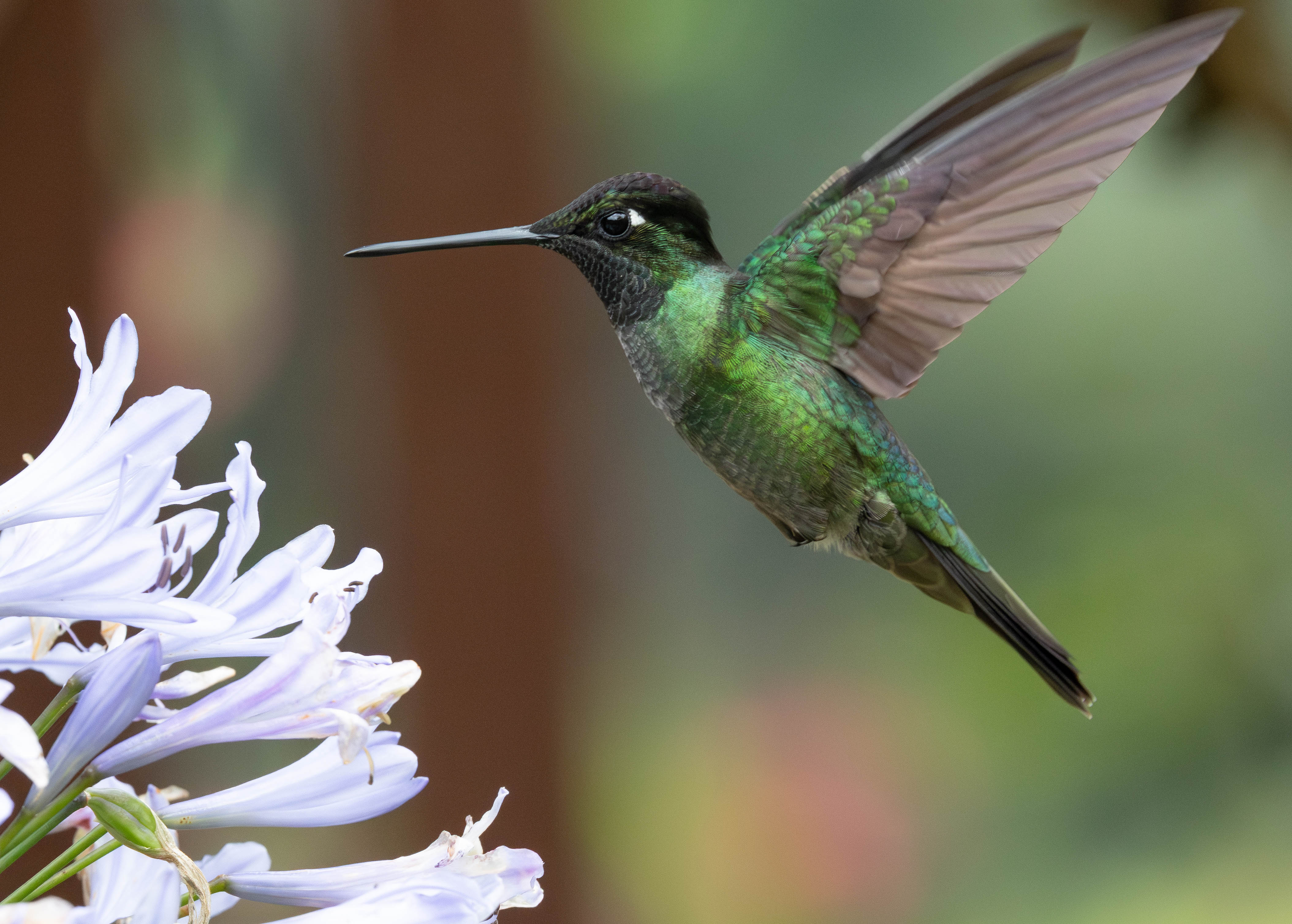
Talamanca Hummingbird.
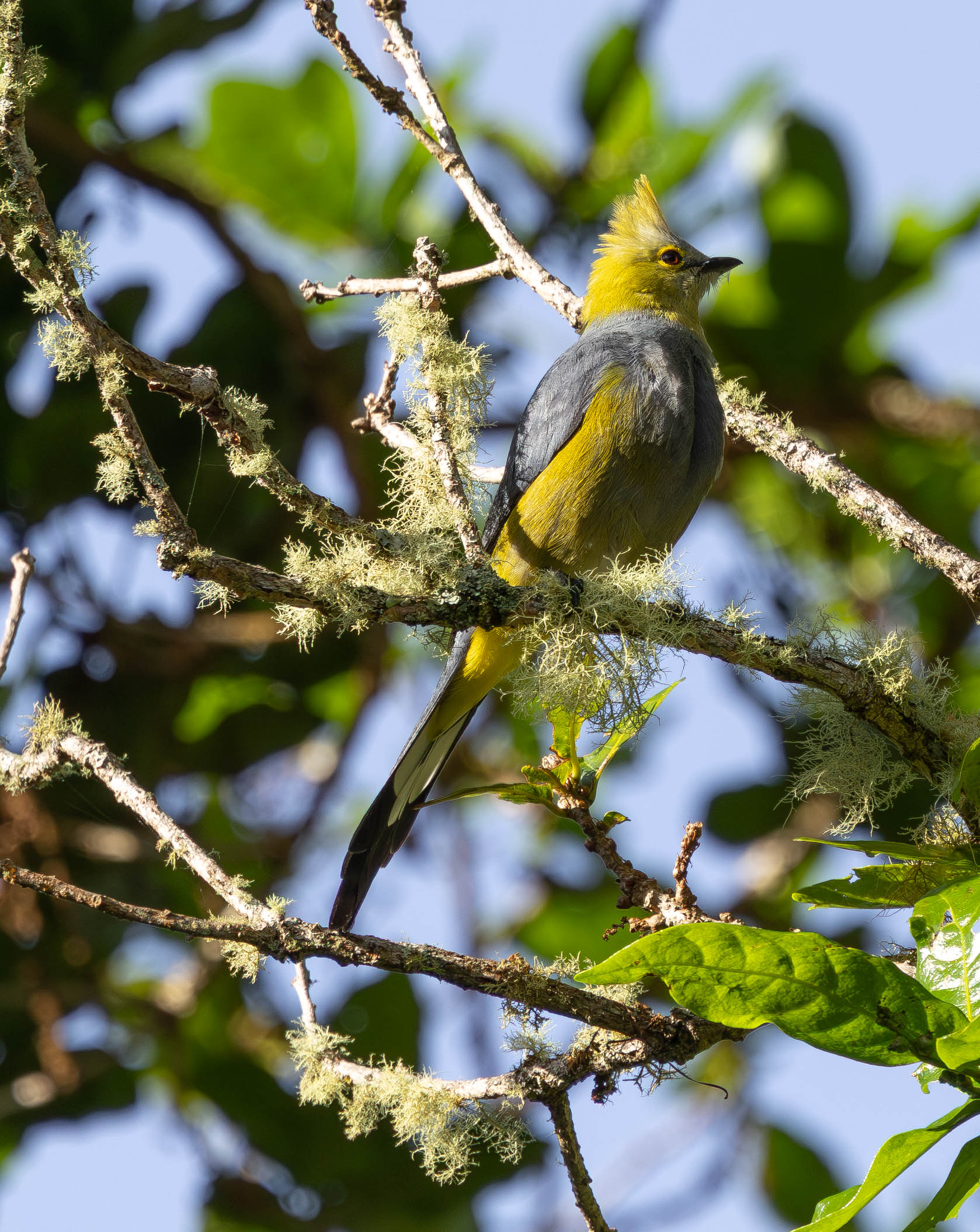
Long-tailed Silky Flycatcher. This bird is also restricted to the higher elevations of the Talamanca Cordillera.
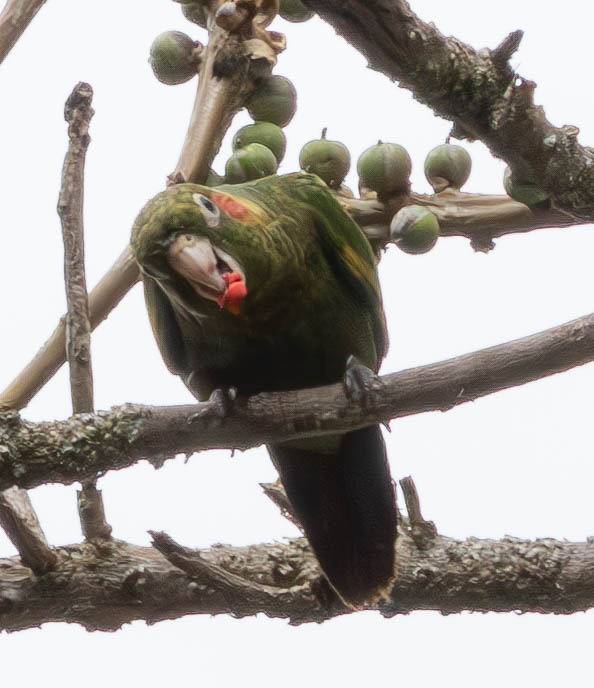
The Sulphur-winged Parakeet is also found only in this region.
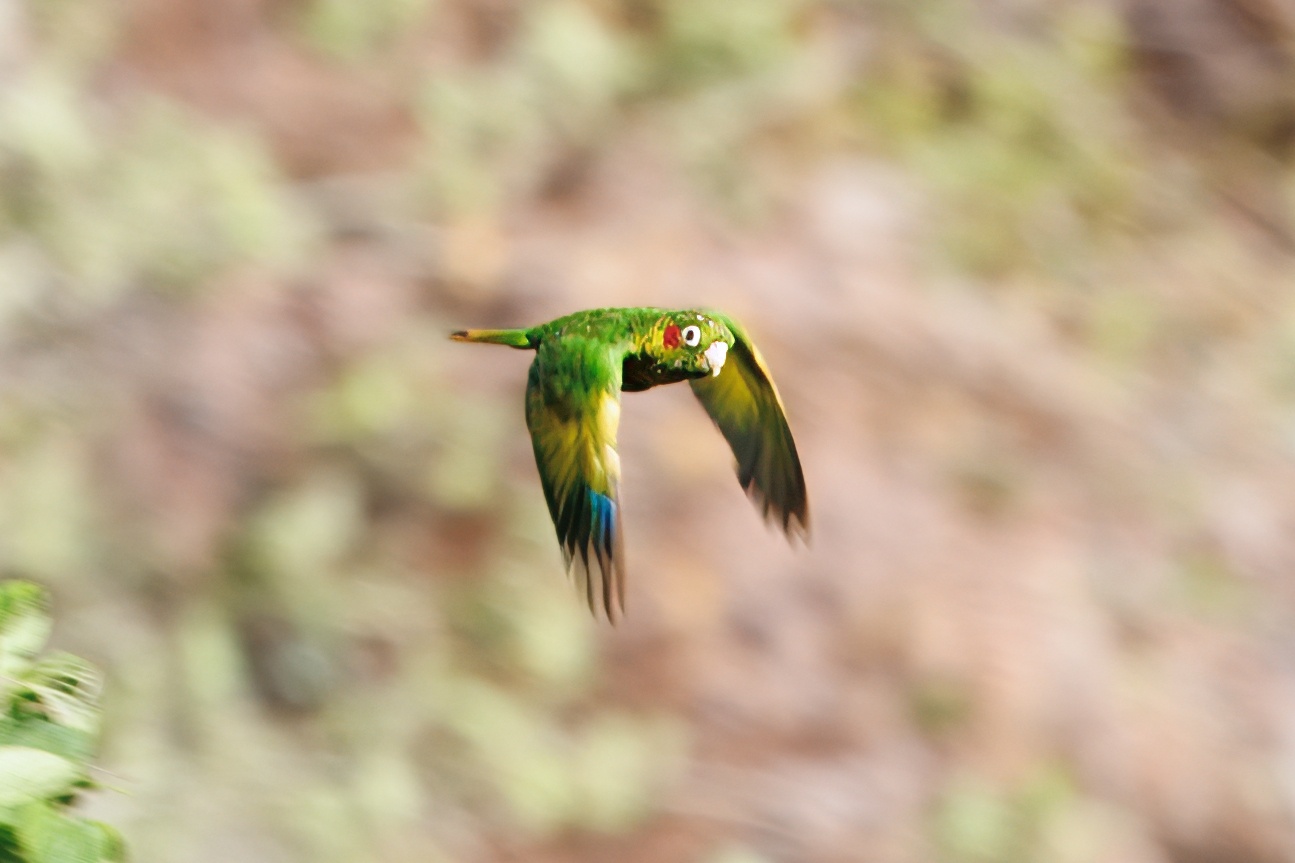
This photo better illustrates the reason behind the name, the sulphur colour not being very evident when they are perched.
While here there were some great hikes, and an outing to a gardens, the “Batsu Gardens”, which have been created by a birding enthusiast and guide, specifically with the goal of attracting as many bird species as possible, and which also have feeding stations. Interestingly, he doesn’t promote the gardens on social media, as he wants to keep the gardens quiet, but if you don’t tell anyone else…
Here, I saw some birds in close up, that I had only glimpsed previously, and also saw a spectacularly beautiful bird that I had never heard of before.
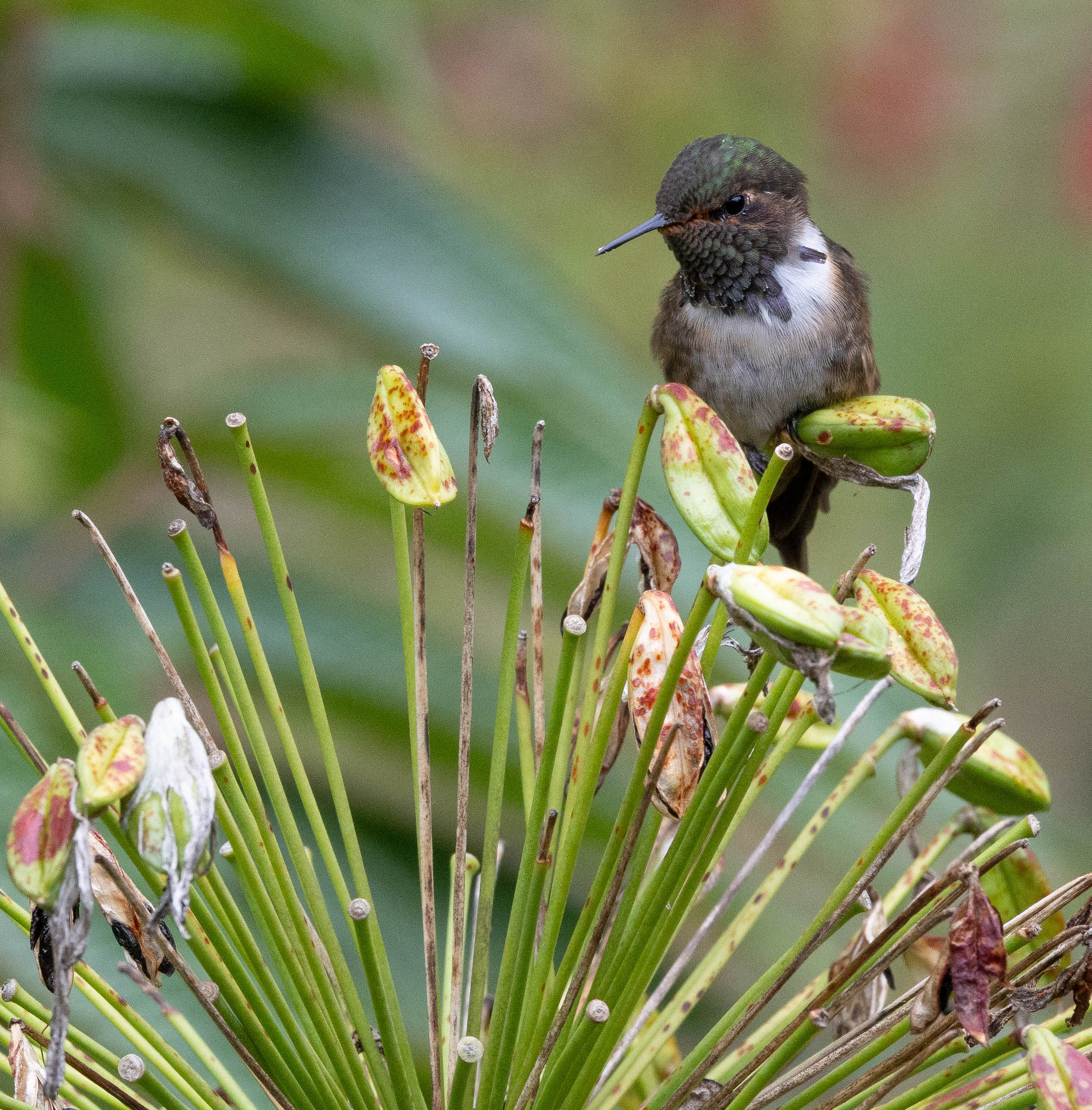
The Volcano Hummingbird is a tiny hummer, with a restricted range in this region, around the Talamanca Cordillera, a Volcanic mountain range.
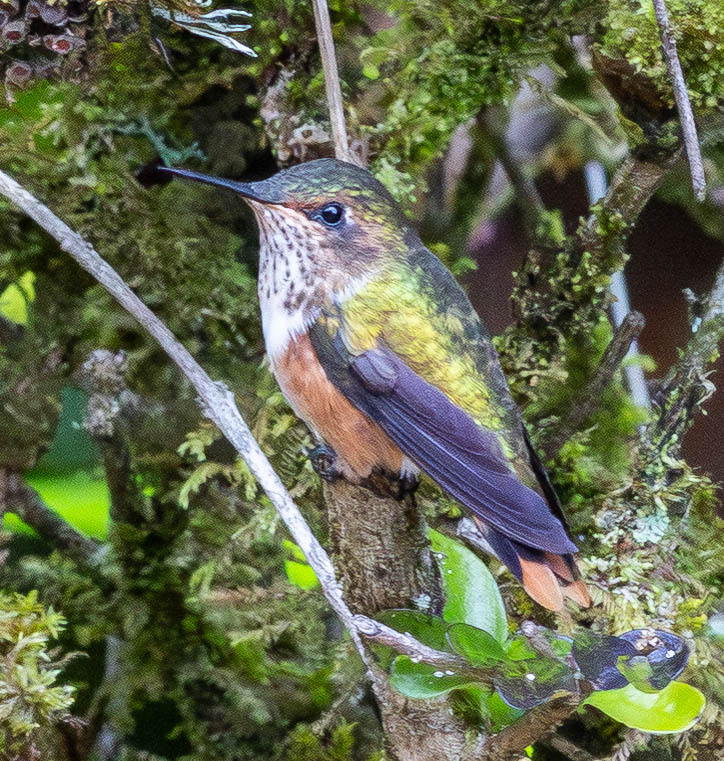
The Scintillant Hummingbird is restricted to the same range, the males are even more scintillating, but were not evident during my visit.
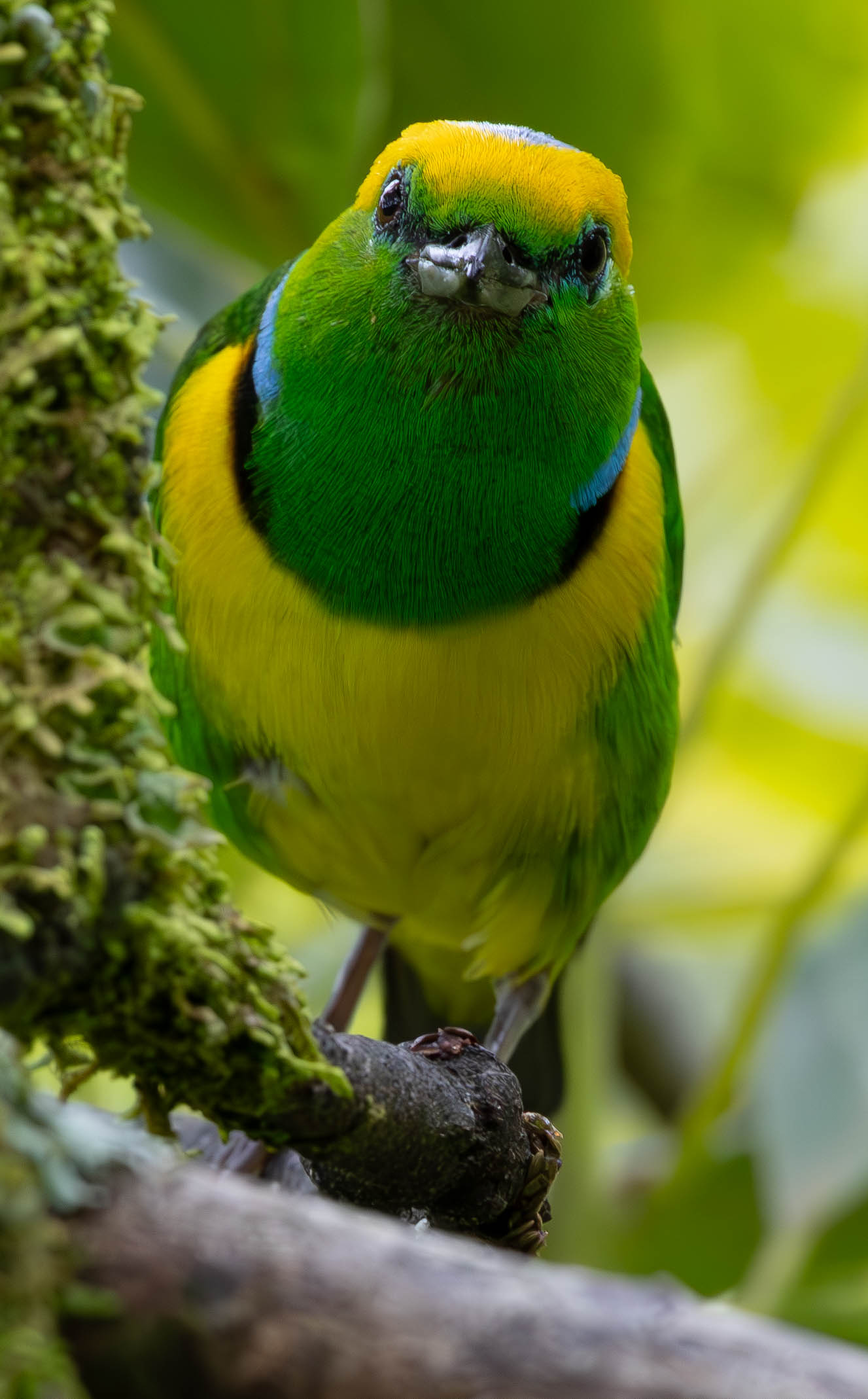
This Golden-browed Chlorophonia is related to the much more widespread Euphonias, of which there are about 8 species, but is restricted to these central highlands and is an amazingly beautiful bird.
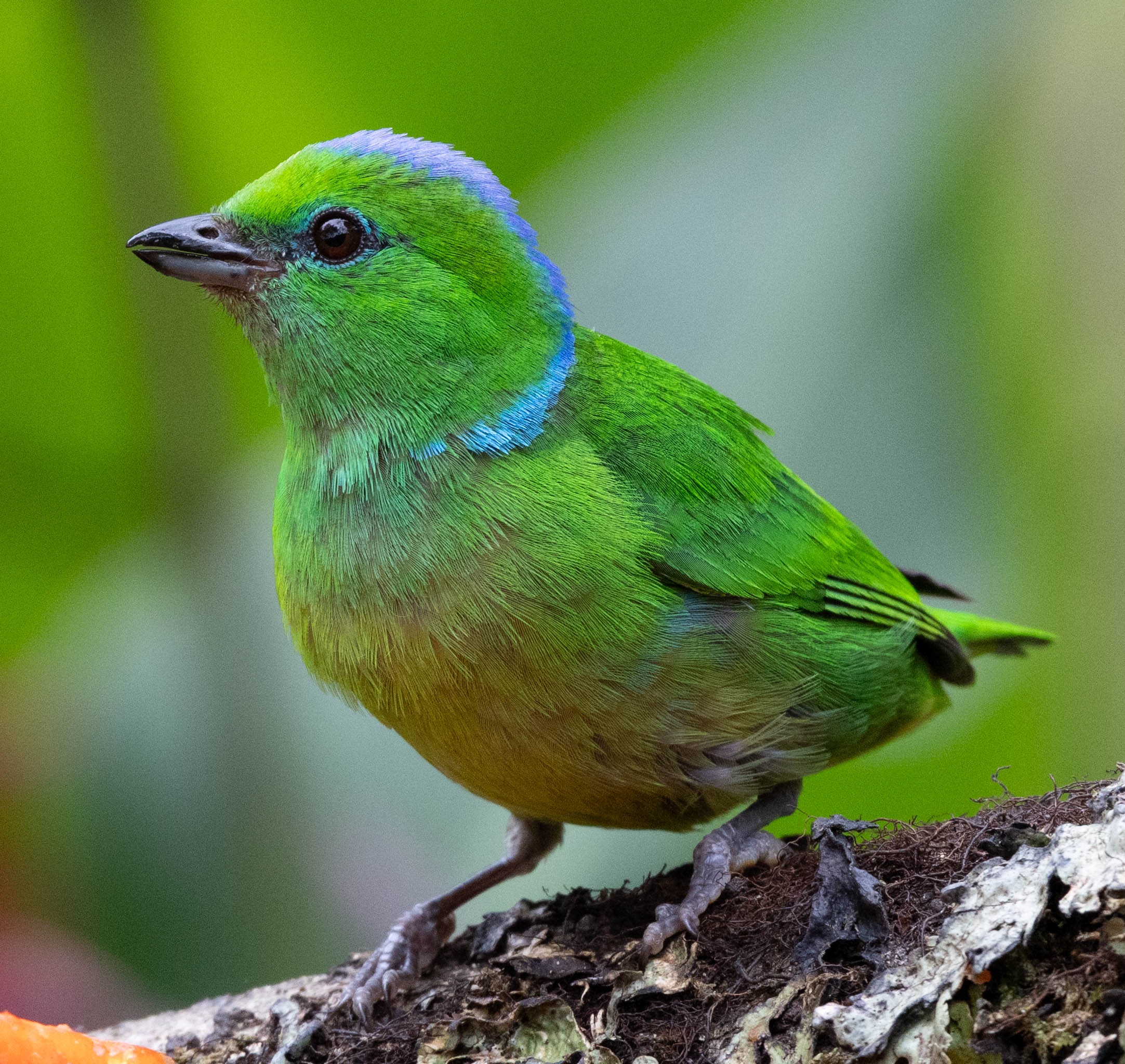
This is a female Golden-browed Chlorophonia
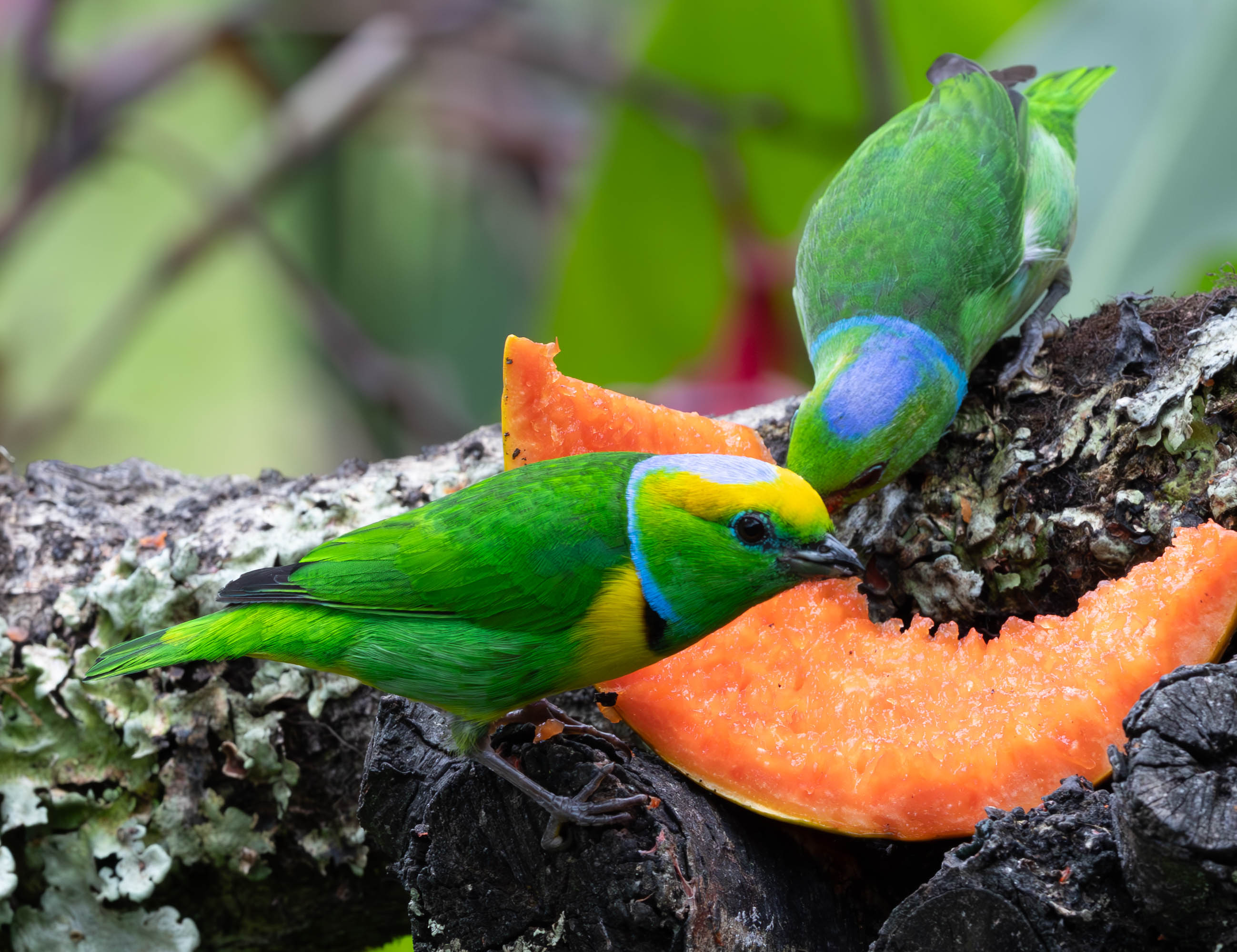
Here are a pair, male in the foreground, on a feeder at the gardens.
In the same gardens I was able to take several photos of the Slaty Flowerpiercer, with some closeups showing how it uses its specialised beak to pierce flowers to extract their nectar.
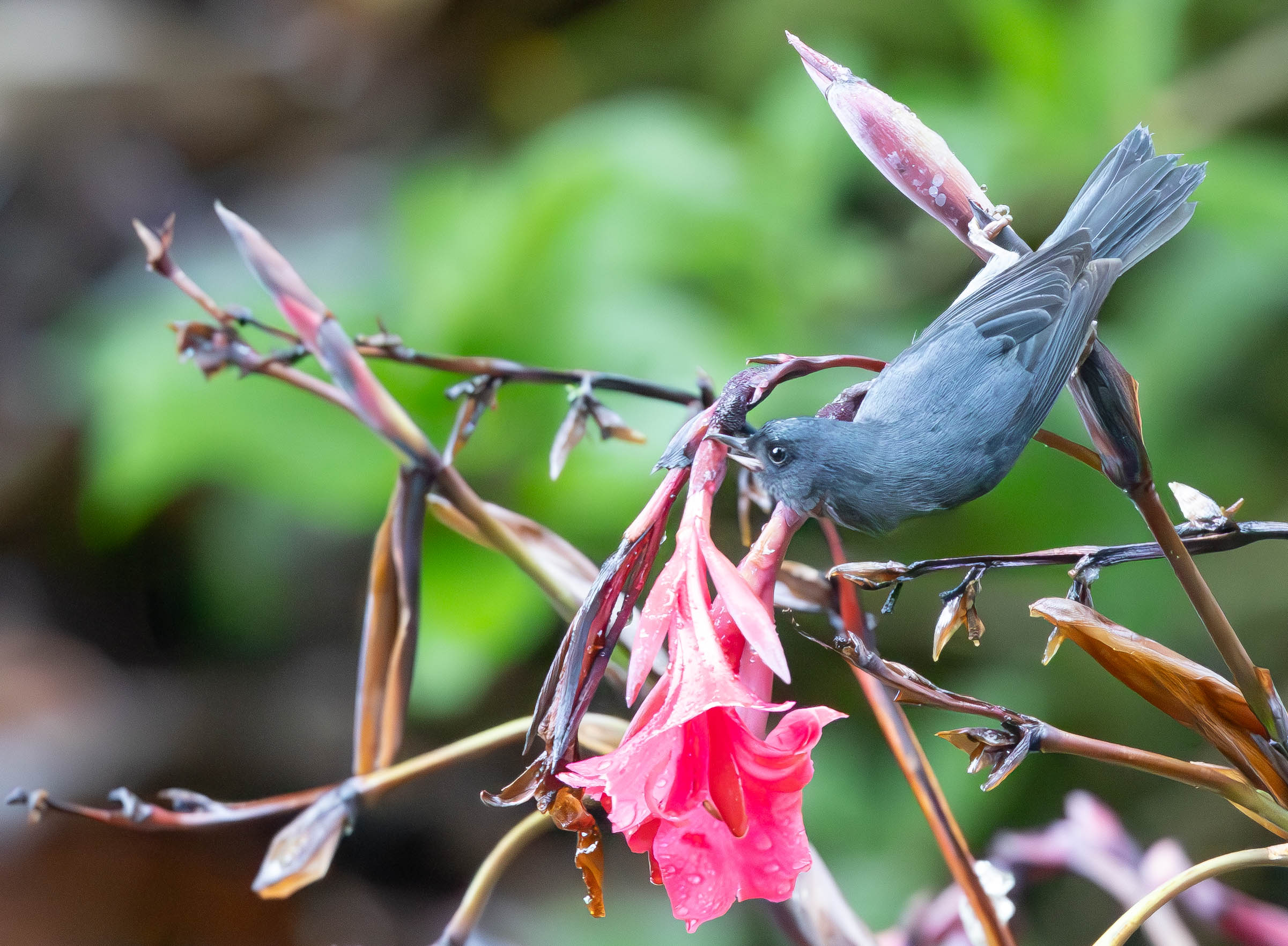
This is the male
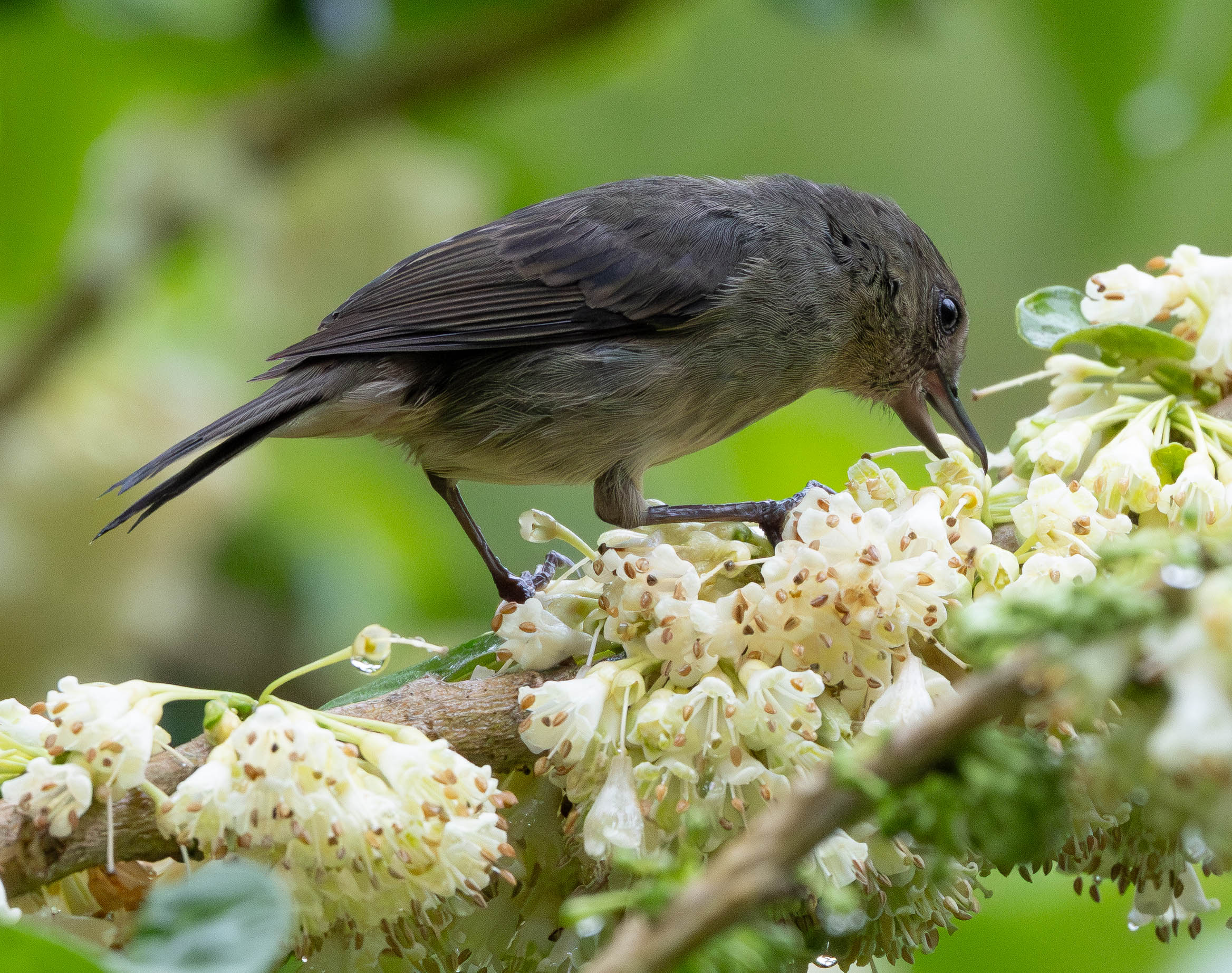
Here is a female
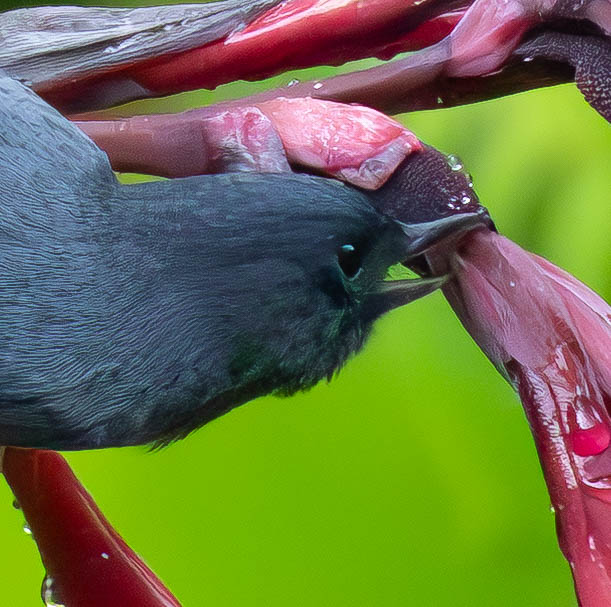
Here is how he pierces the flower with his beak
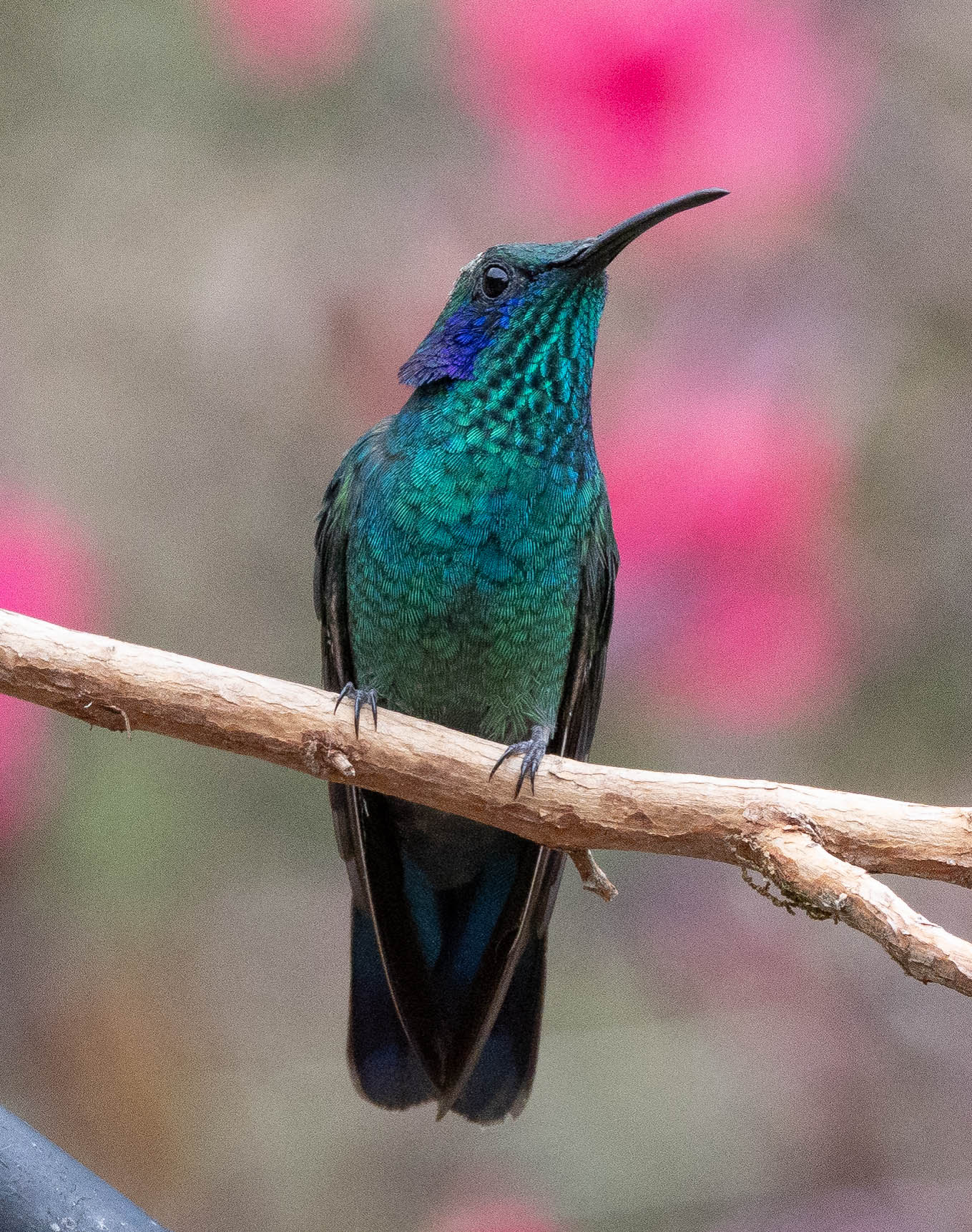
The Lesser Violetear is a much more widespread hummingbird.


Leave a Reply