Costa Rica, Last 3 days

For the last days we moved to another resort hotel, the spectacular Rio Perdido. Built around some hot springs and backing onto an unusual, for Costa Rica, dry “dwarf” forest. This made for another set of unique bird sightings.
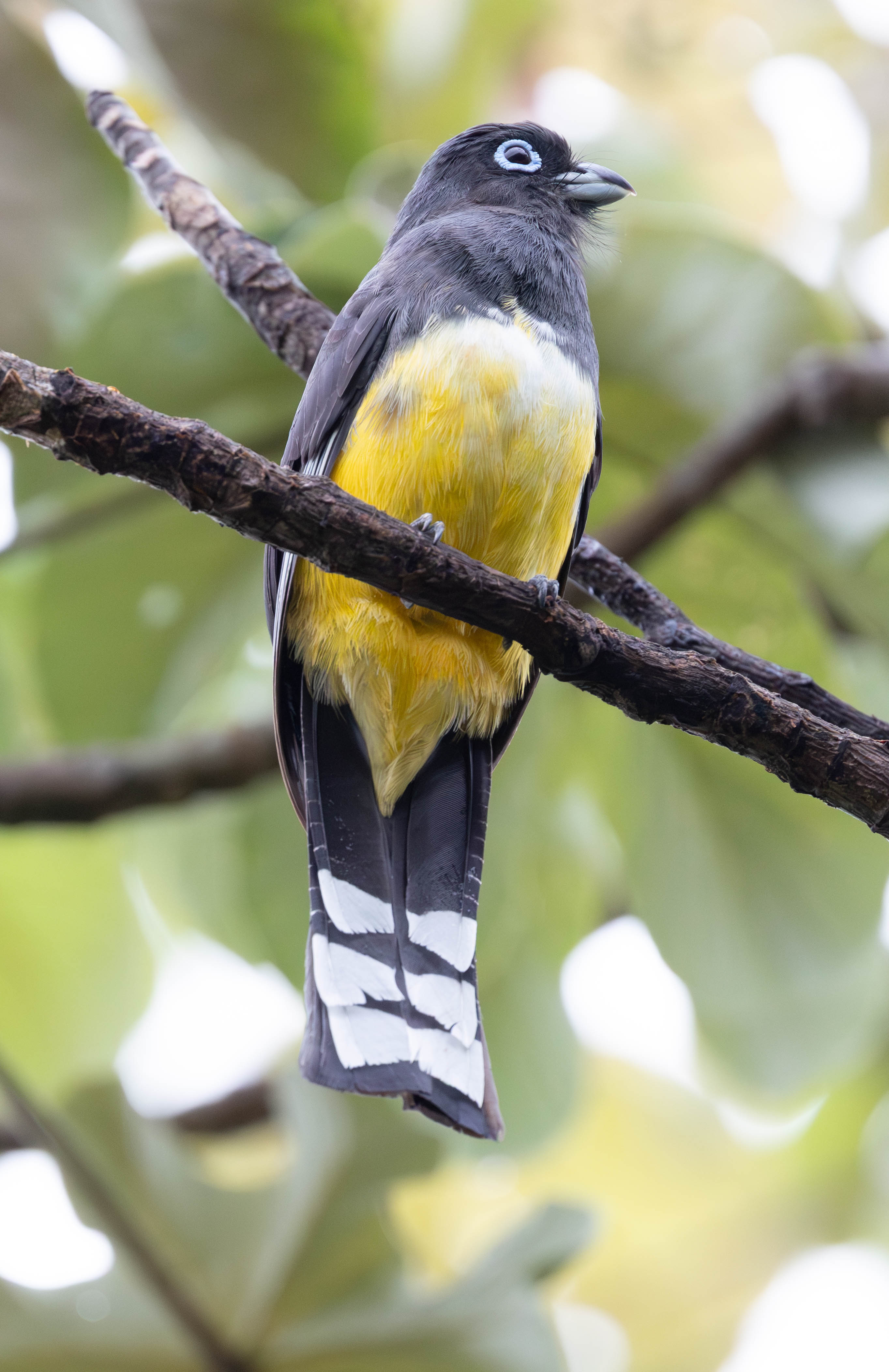
Black-headed Trogon
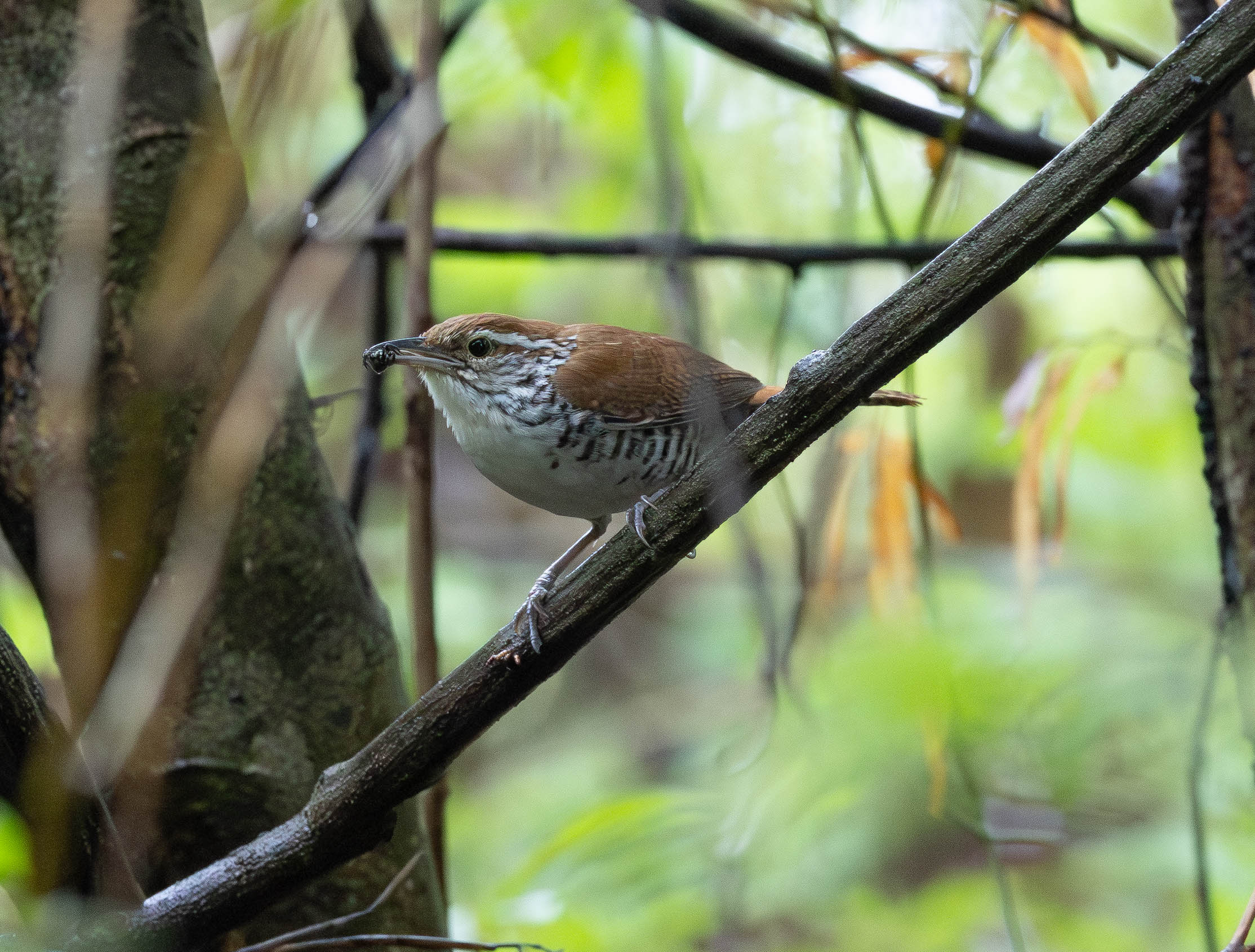
Banded Wren
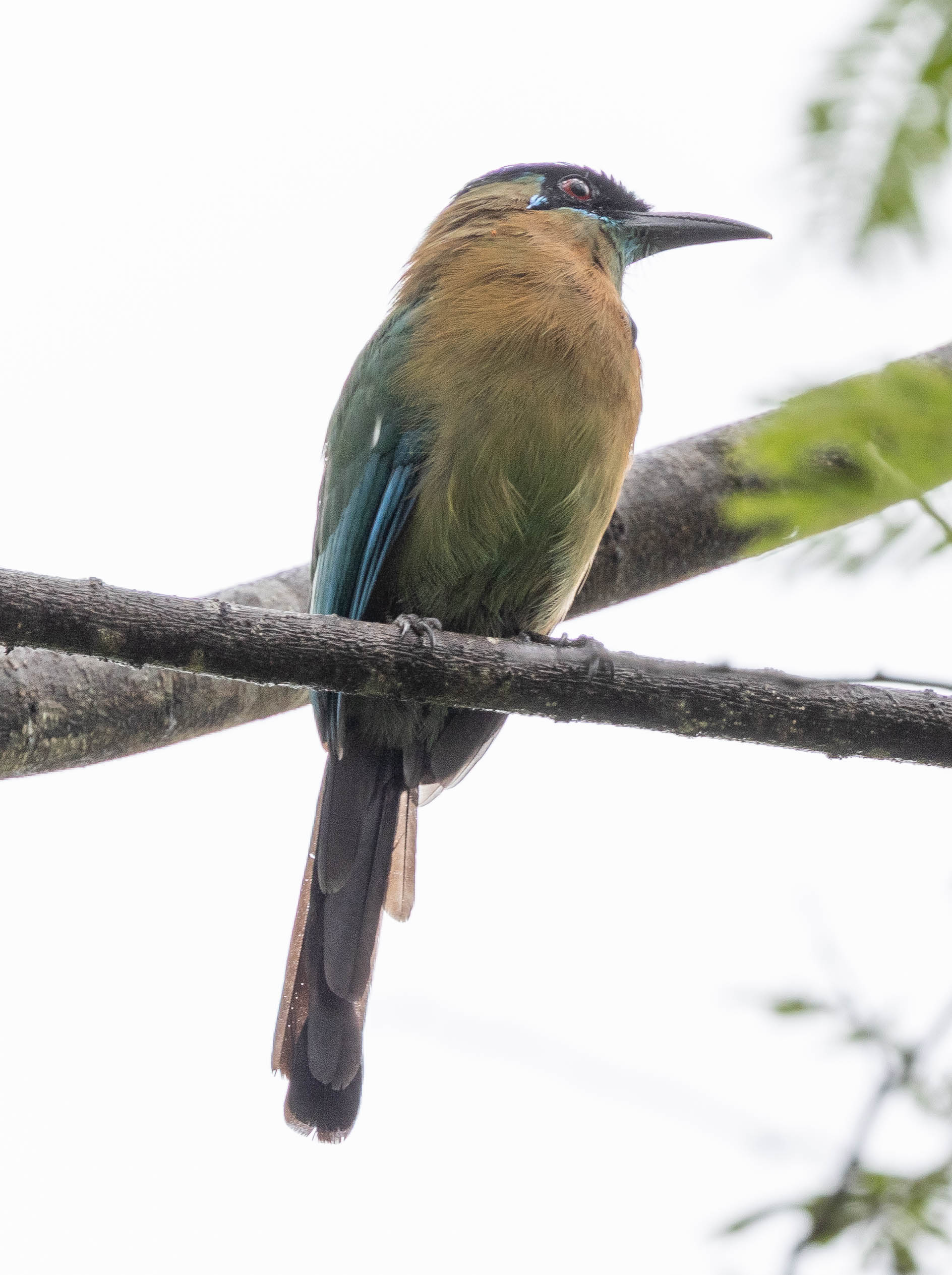
Lesson’s Motmot
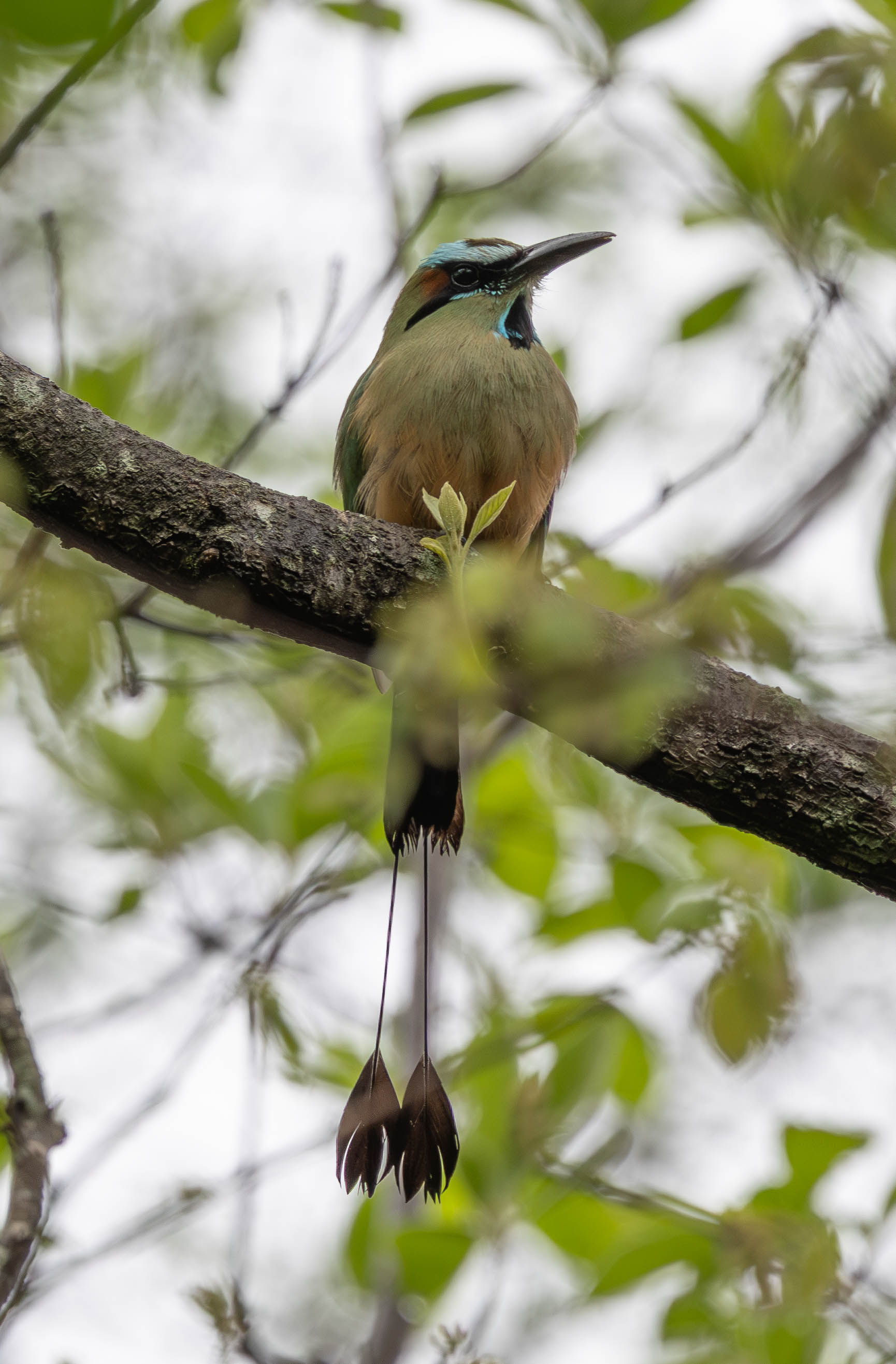
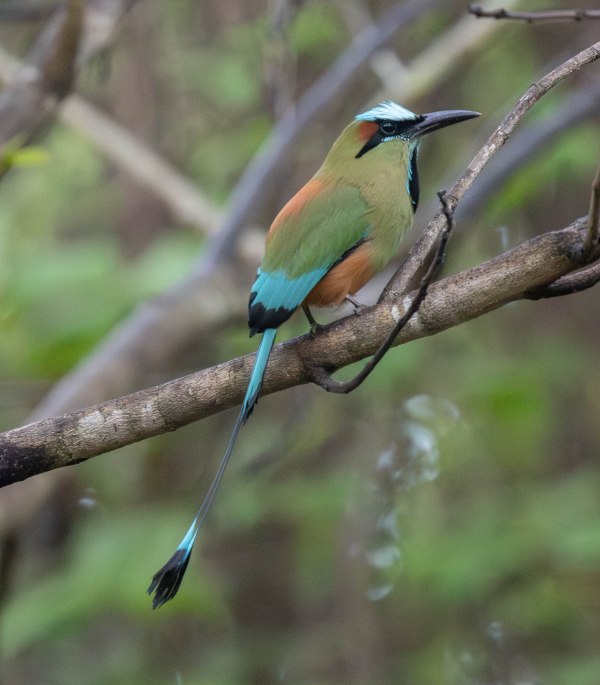
Turquoise-browed Motmot, same bird as the header image
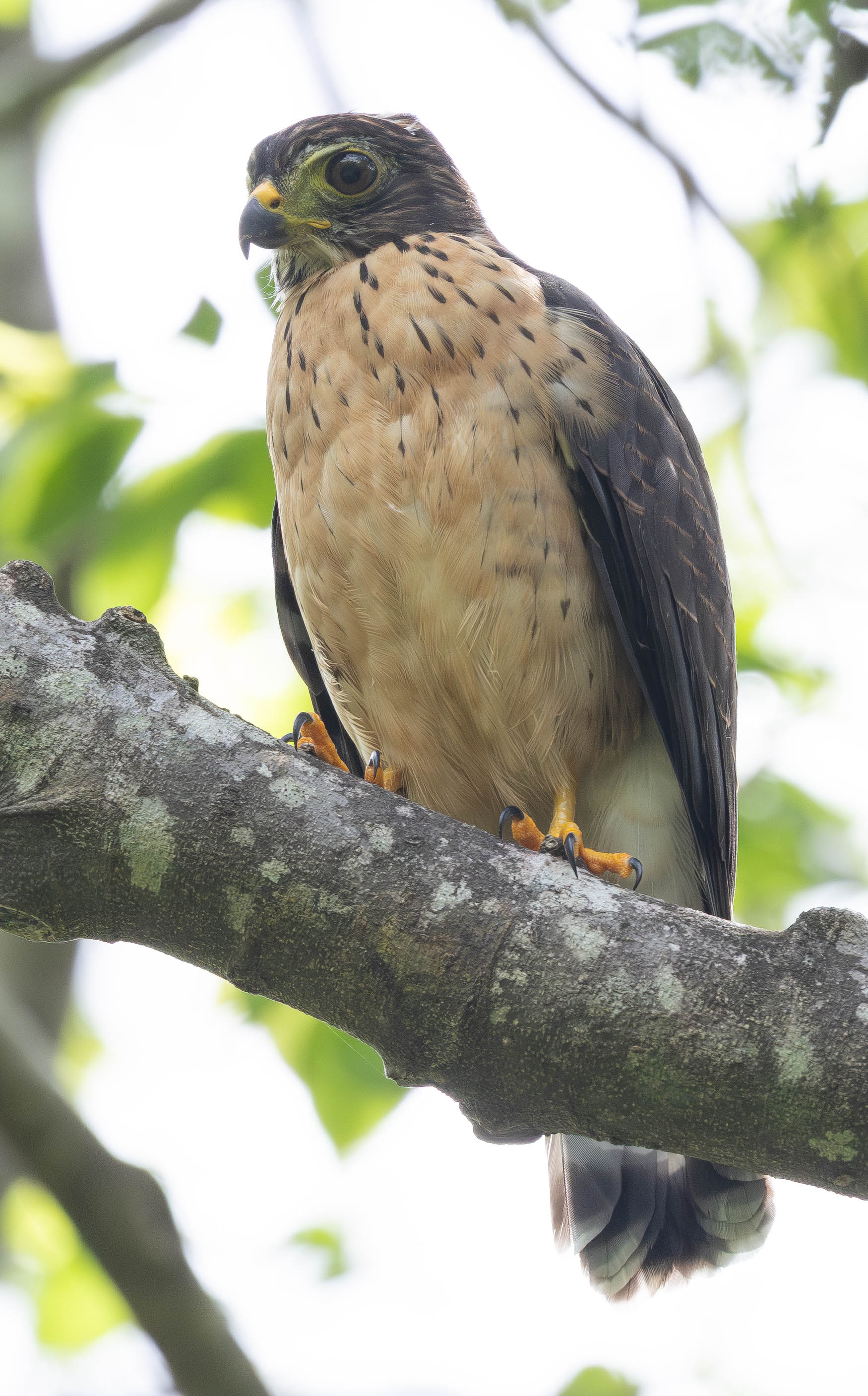
There was a nest of the Double-toothed Kite close to the buildings, and this youngster was calling for food.
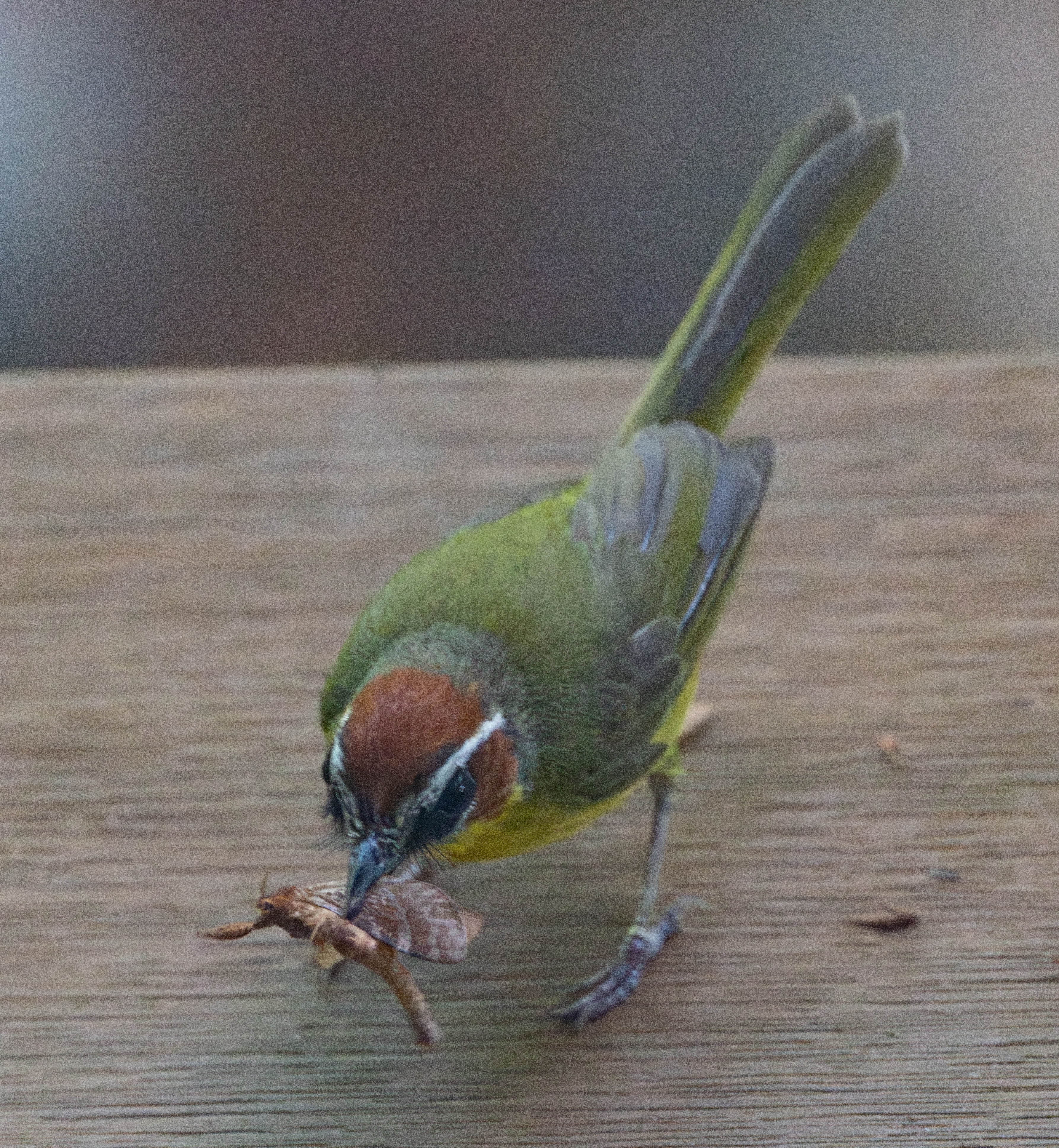
This chestnut capped Warbler caught his lunch on our windowsill.
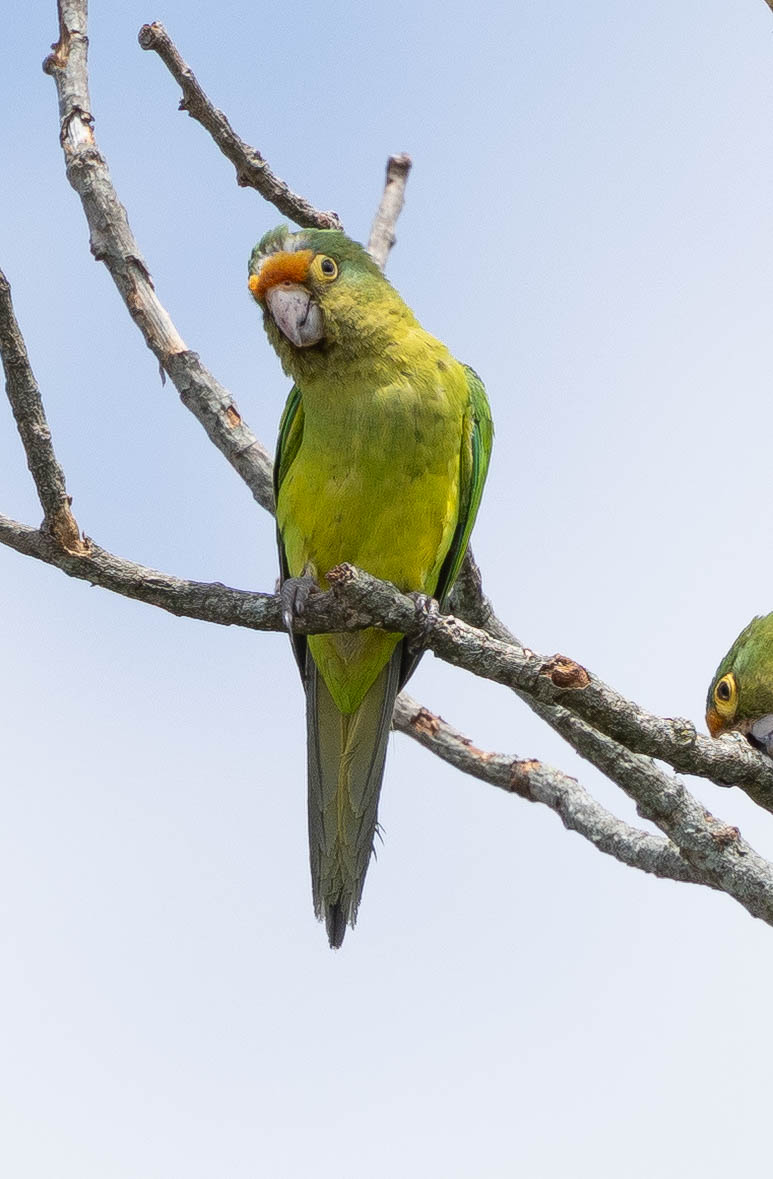
On an outing to another National Park, Rincon de la Vieja, there was a flock of Orange-fronted Parakeets, and we saw 2 Trogons
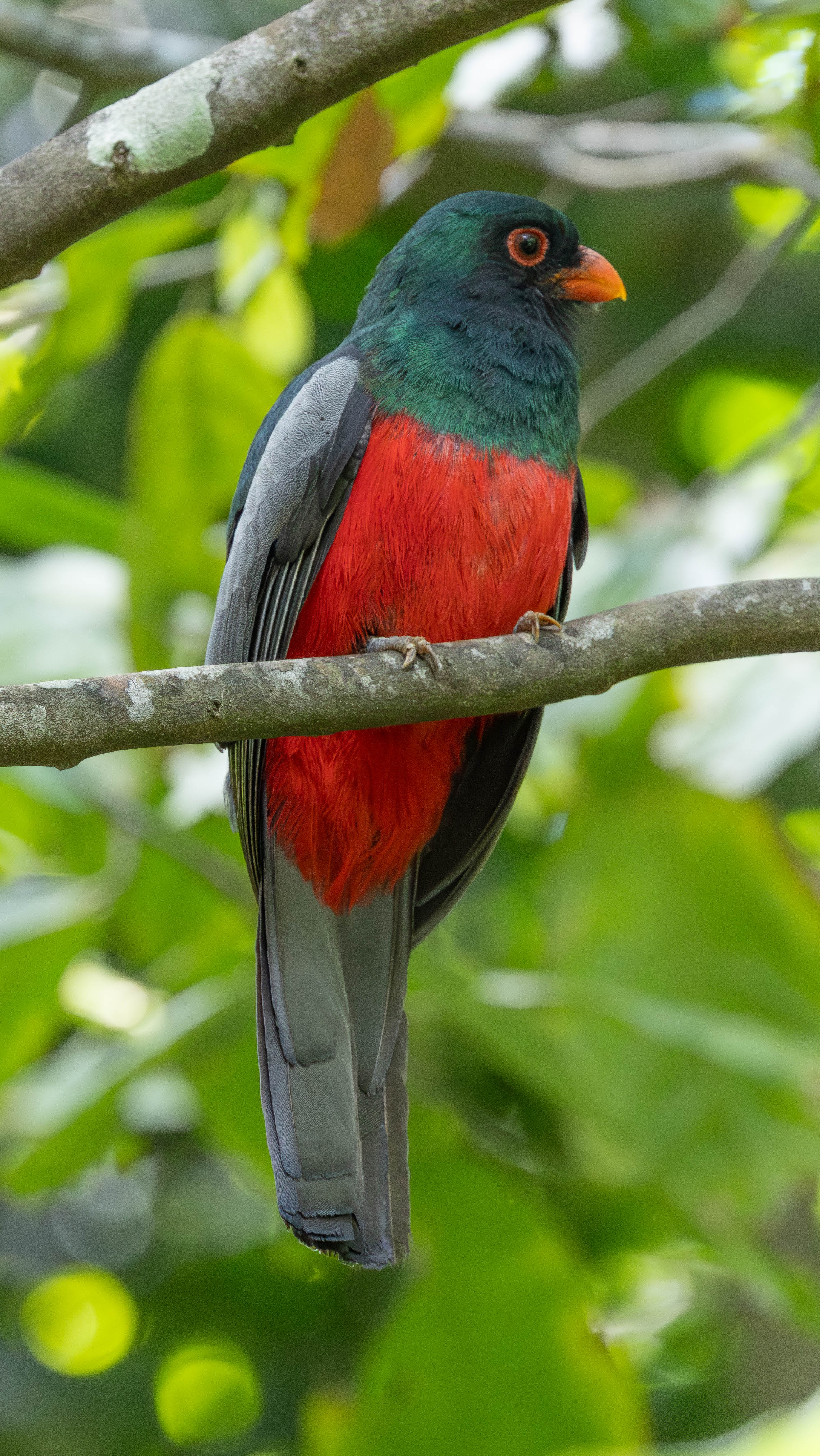
Slaty-tailed Trogon
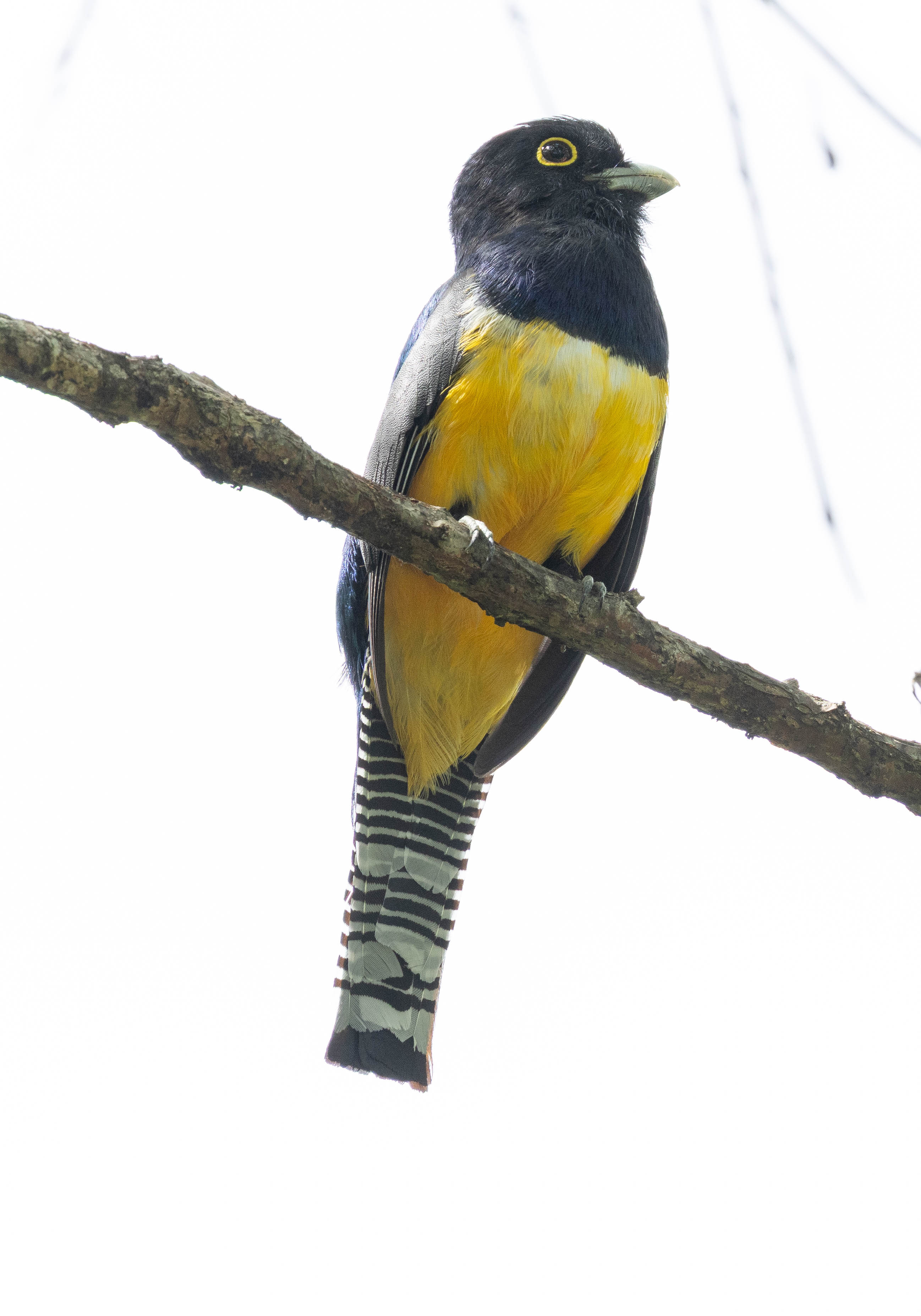
Gartered Violaceous Trogon
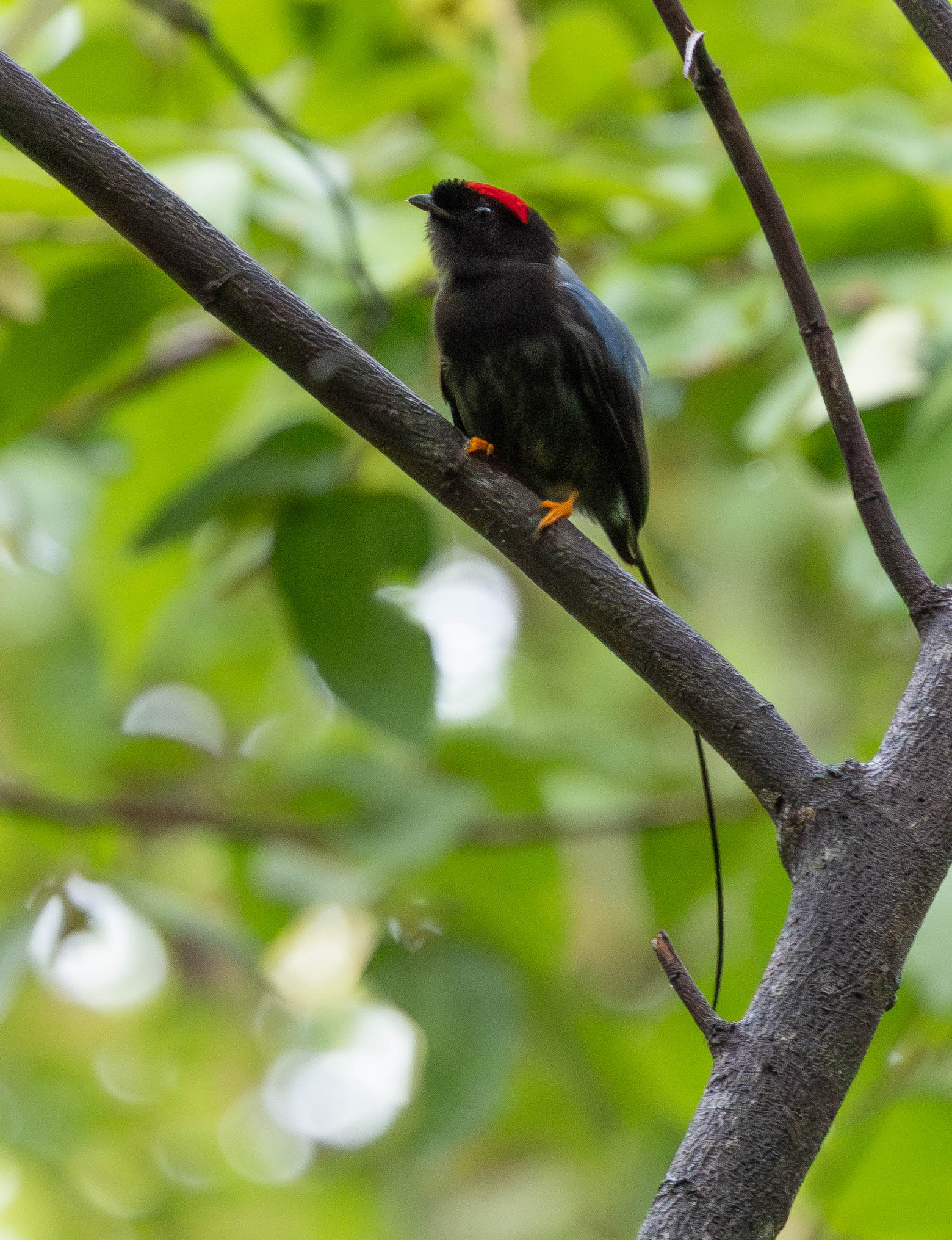
Back at the lodge, one of the absolute highlights for me, of the wildlife viewing part of this trip, and of my life’s birding experiences, was to see the Long-tailed Manakins (one example of a male above) doing their lekking dance.

With the low morning light, the many branches in the way, and a handheld camera with a telephoto lens, the video is of very limited quality, but I wanted to share it anyway, you can see the 3 males jumping over each other, flapping their wings as they descend while squawking at the choosy female. If this had not been the last day, I would probably have returned with a tripod and cut away a branch or two to be able to focus more easily…

For a better video showing the dance, I am sure this videographer had to prepare the site, and probably had a hide also.

We then had to go and get our last breakfast at the lodge, during which one of the servers ran over and alerted us to a bird in trees just beyond the balcony.
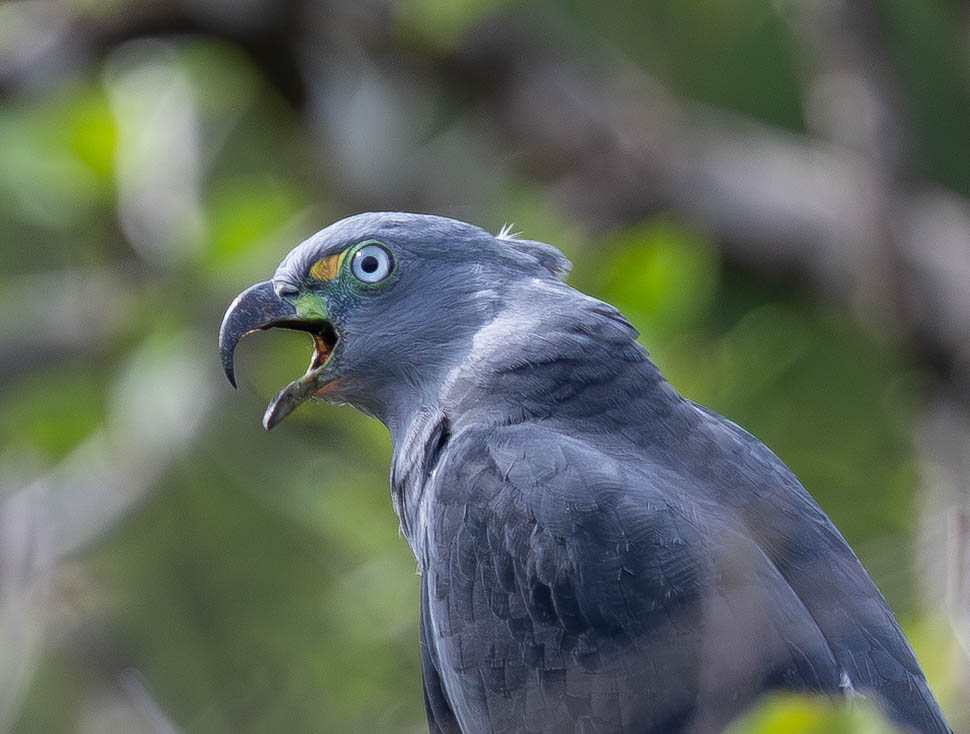
My final bird of the trip was this Hook-billed Kite.

Costa Rica has protected over 1/3 of its entire territory to aid biodiversity. Clearly some of the impetus for this is to encourage tourism, but the results are very encouraging, with such amazingly diverse wildlife easily accessible. Some parks are rather over-visited, but there are large numbers of smaller parks that are well worth the visit, and where we saw almost no-one else.

Thanks again to Rey Vargas (afriendincostarica.com) for his organisation, his assistance, his driving, and unfailing good humour. Thanks to my family for putting up with my wildlife and photography passion during this family vacation.
Costa Rica days 9, 10, 11.

We had organised some accommodation which was very different to the way it was advertised, our first and only disappointment of the trip. We therefore had to change plans at the last moment, and moved into a large resort hotel, before moving though, we were close to the amazing Uvita national park and spent several hours exploring.

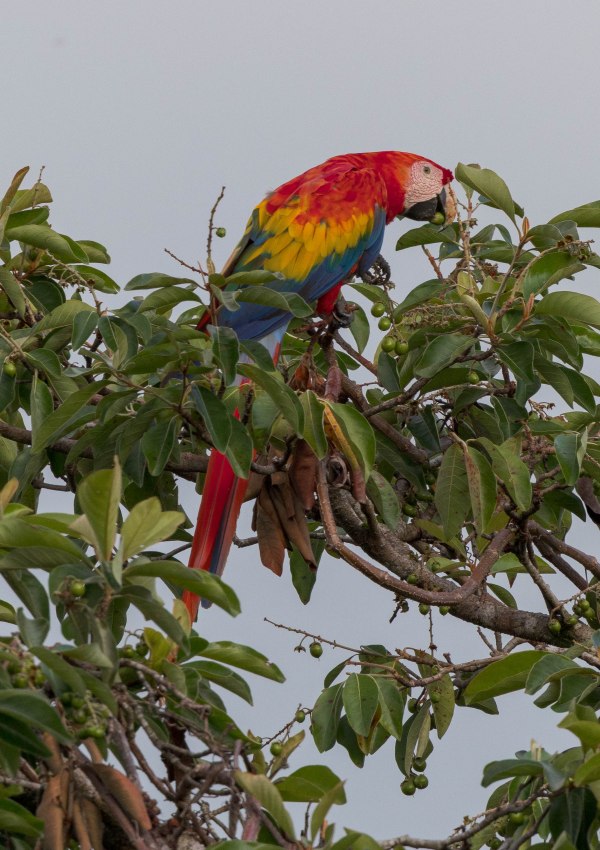
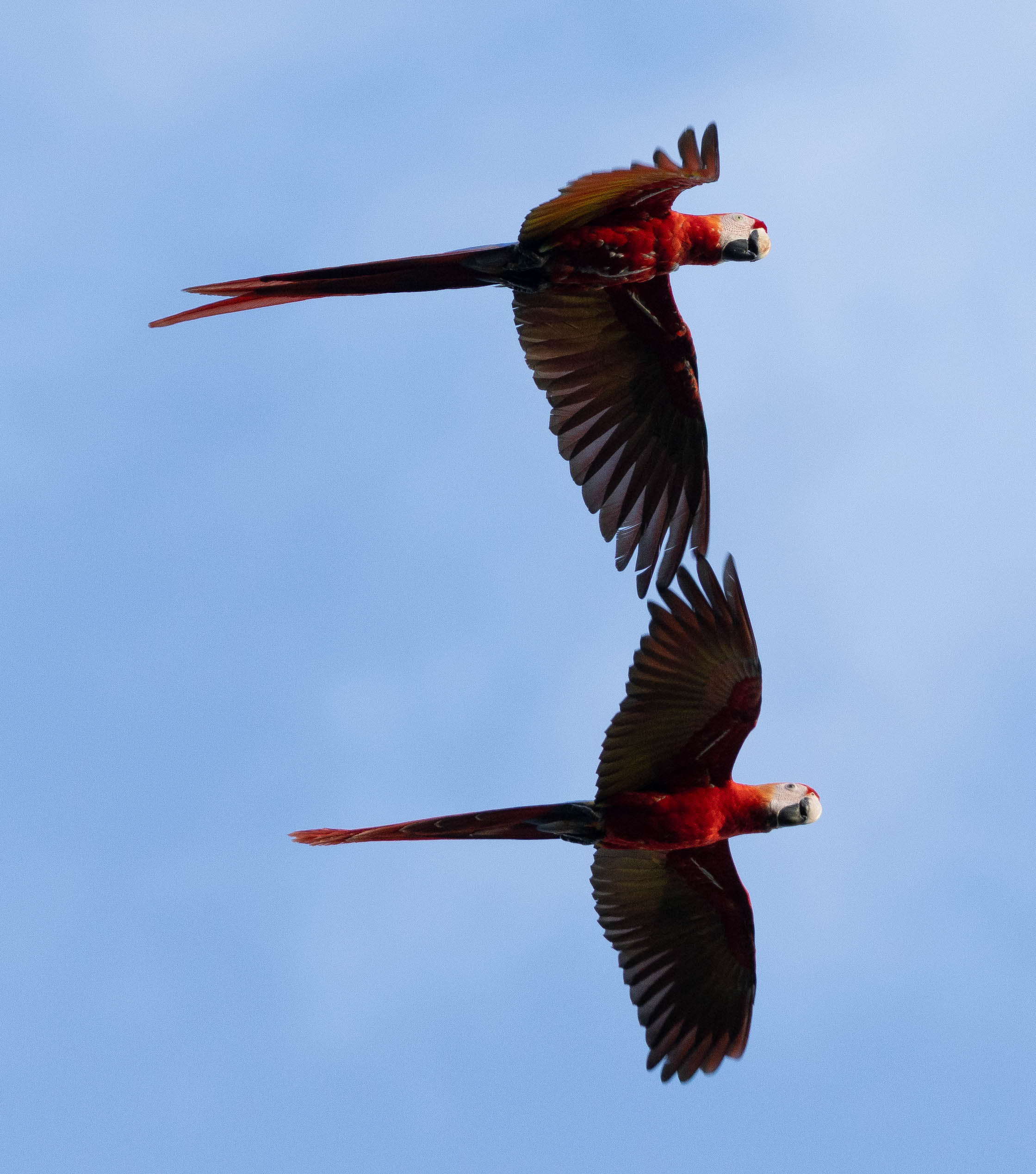
The Scarlet Macaw was critically endangered in the past, but with several initiatives, and legal protection, they have become locally quite common. Macaws are actually terrible pets, they are noisy and resist training and do not live long in captivity. In the wild they are a remarkable sight, often noisily flying in pairs to roost in the evening.

At the Uvita national park they often eat in the Beach Almond trees, discarding the coating of the nuts.

Scarlet Macaw.

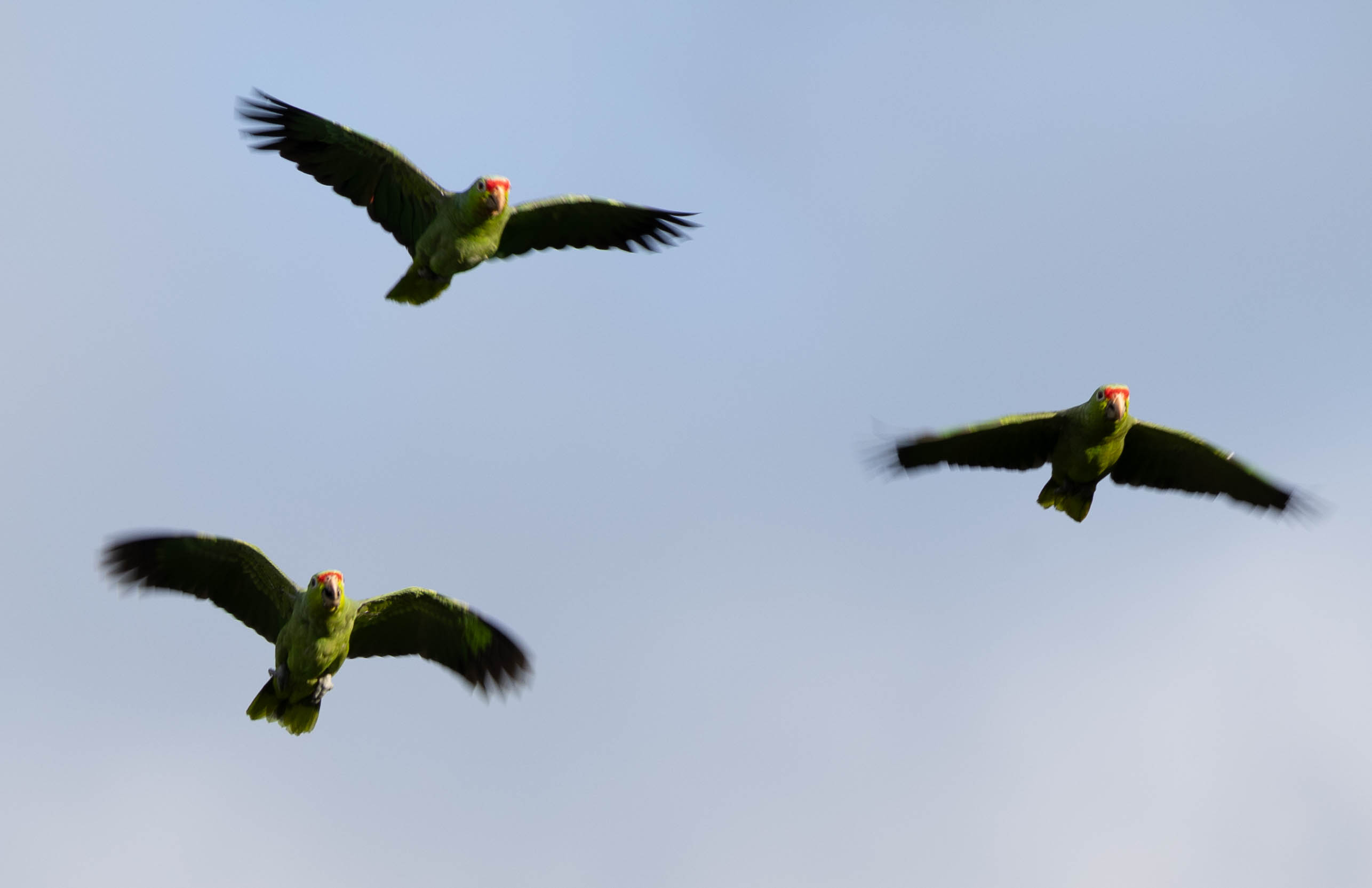
The Red-lored Amazons also fly, noisily, in large numbers in the evening to their roosting spots.

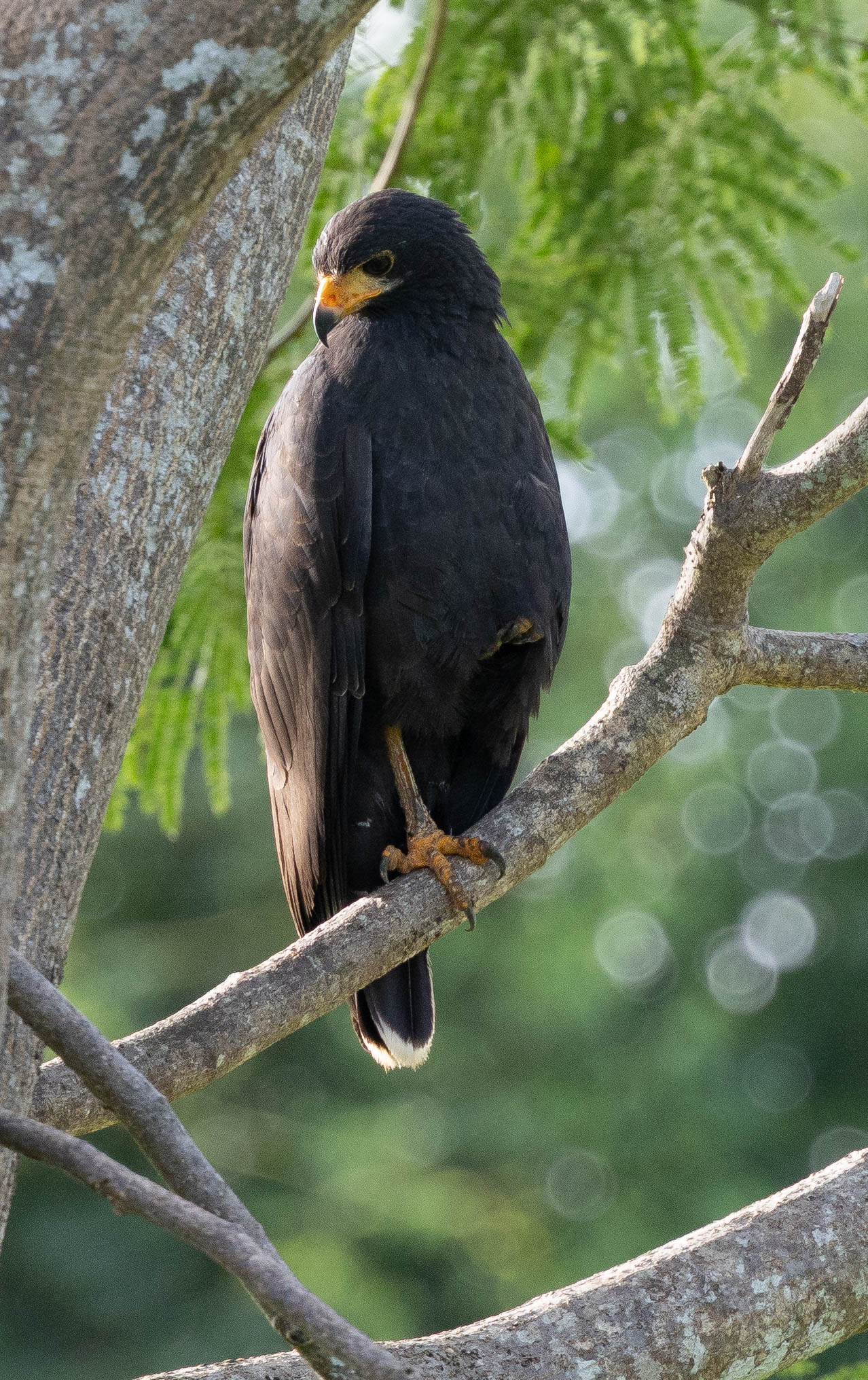
This adult Black Hawk brought his youngster a crab to eat

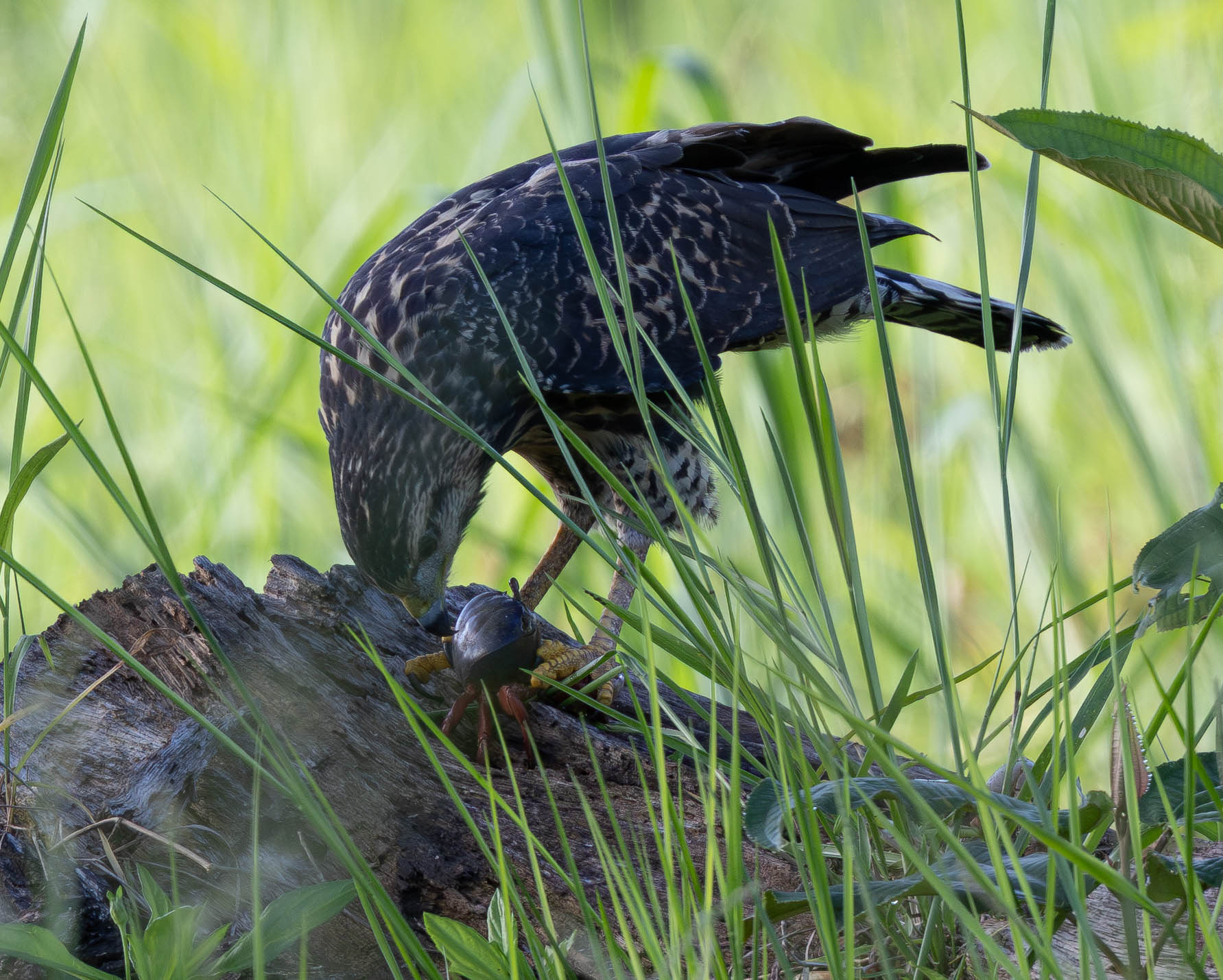
Juvenile Black Hawk eating crab

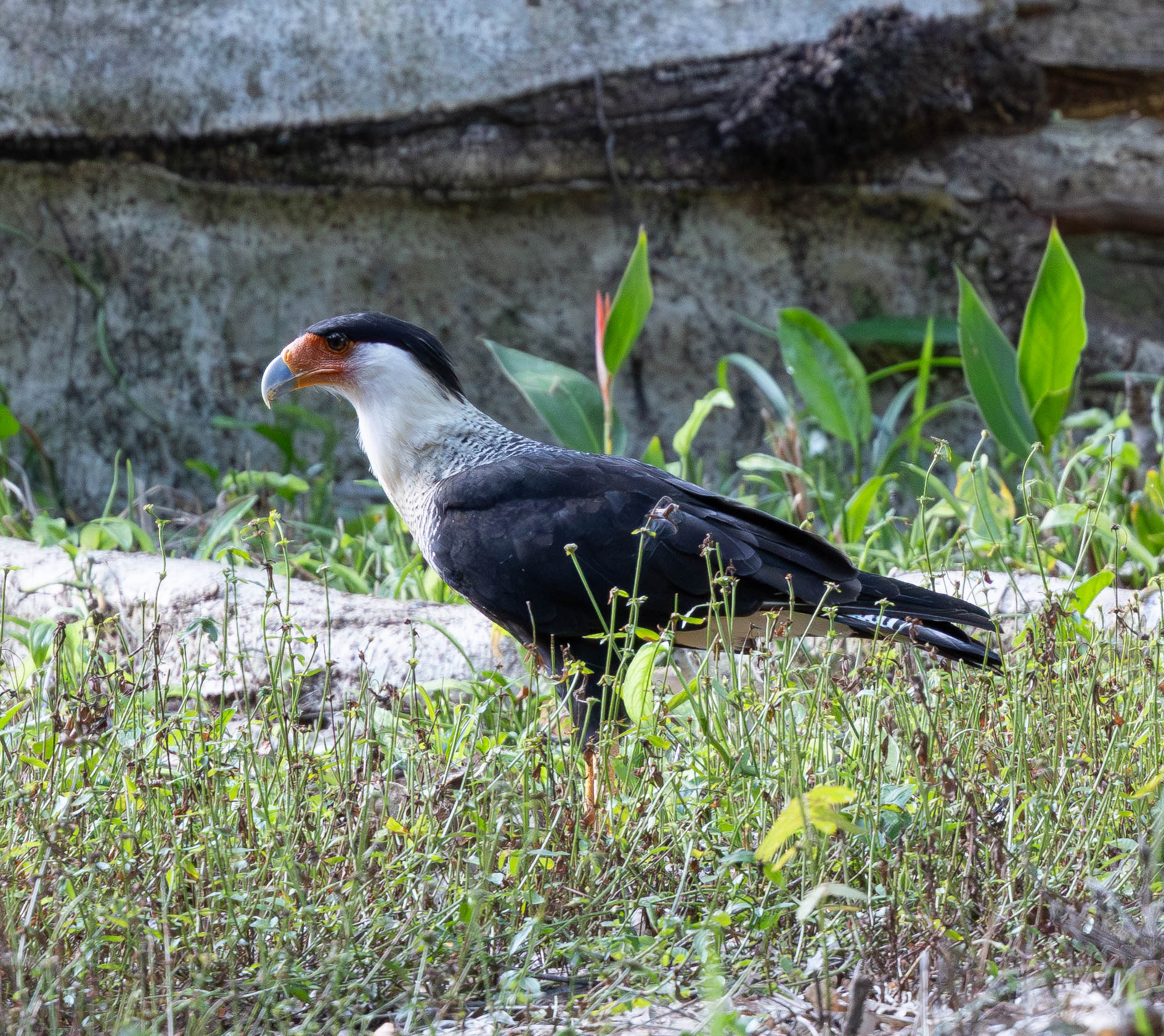
Adult Crested Caracara

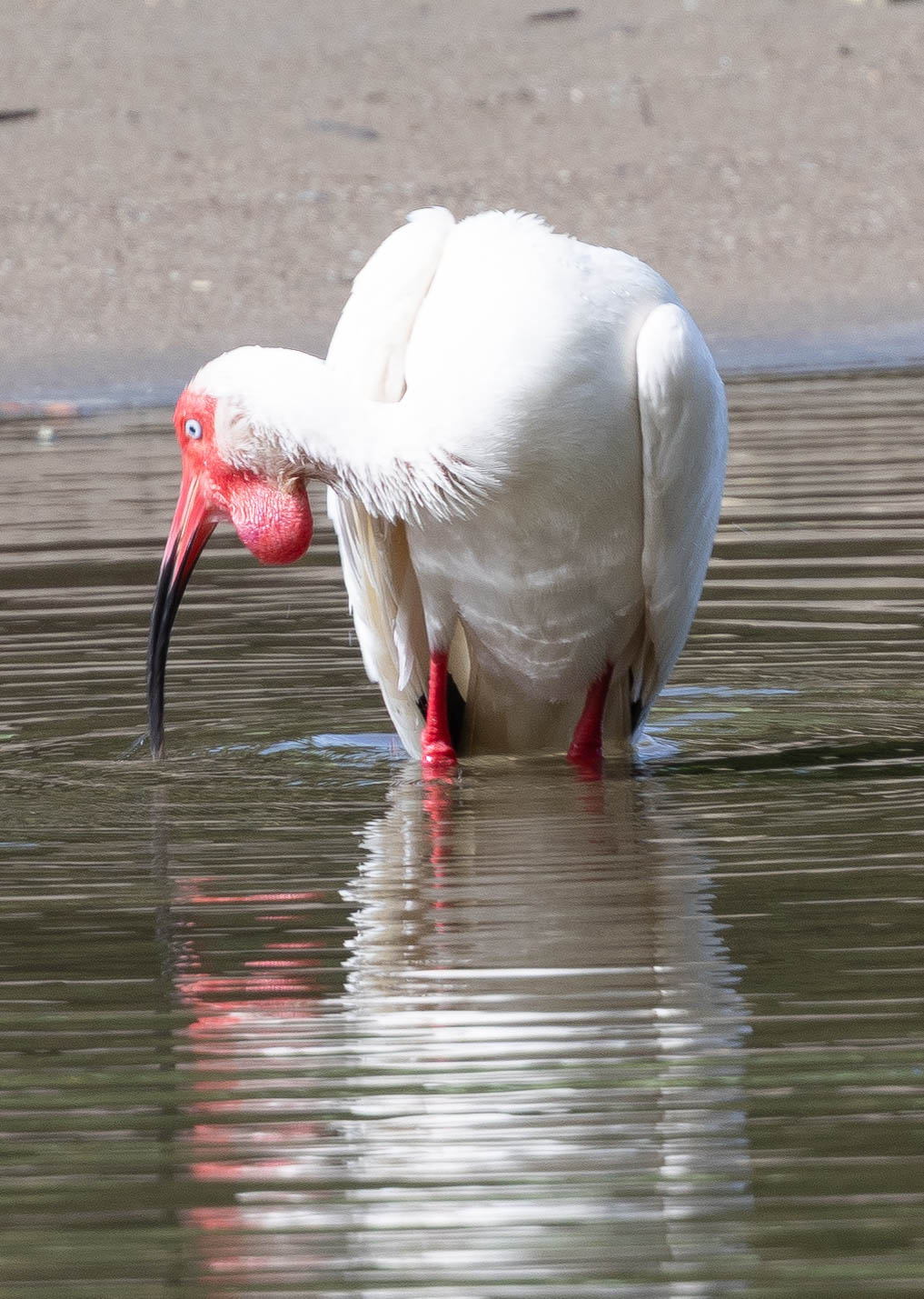
The White Ibis was fairly common here, this one has the Gular Sack that develops in breeding season.

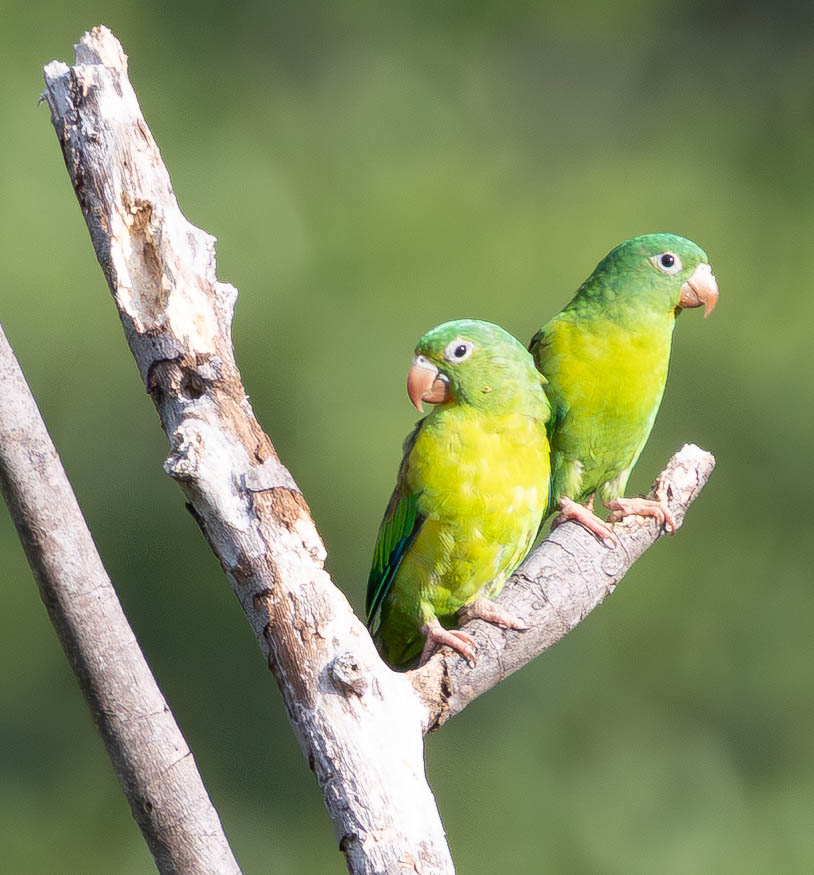
We ended up moving to a resort called “Si como no”, which is a phrase which means, sort of, “Yes, why not?”. Apparently the Spanish invaders said this so frequently in the first years of the colonisation, that the locals called them SiComoNo. The resort and the location of this site is great, and we had many feathered visitors, including these Orange-chinned Parakeets.

Orange-chinned Parakeets

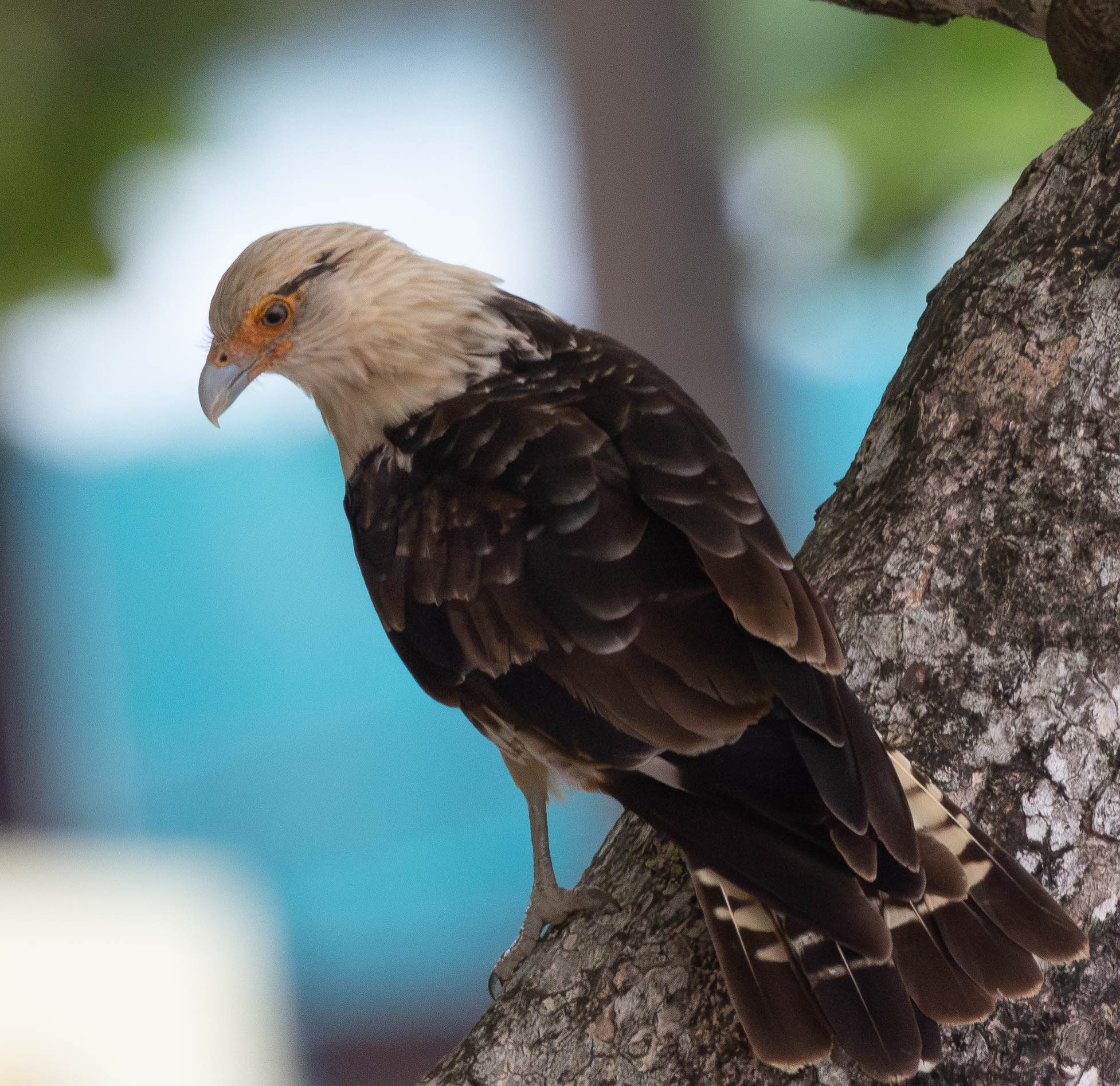
Yellow-headed Caracara

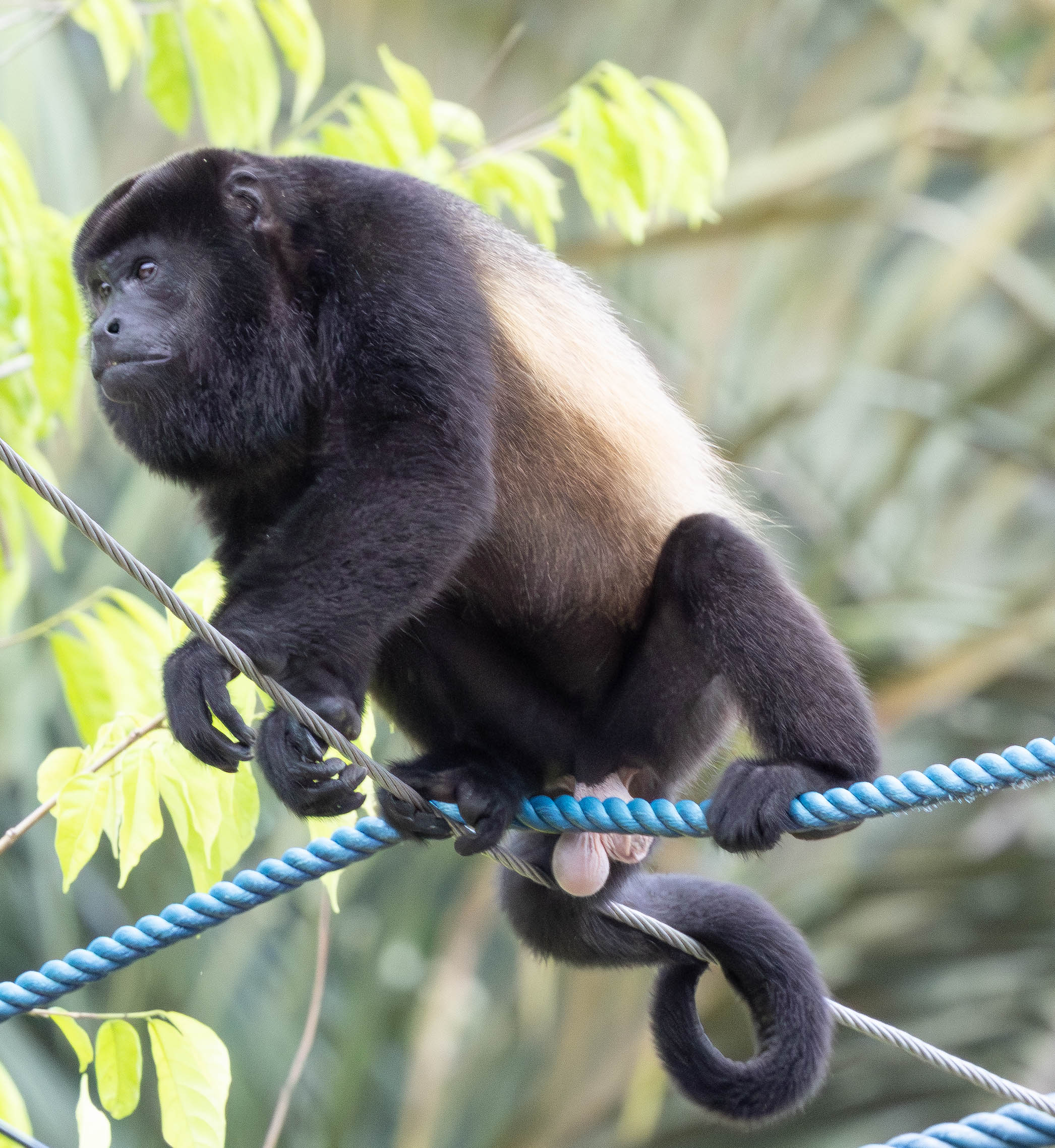
Mantled Howler Monkey. I think probably a male?

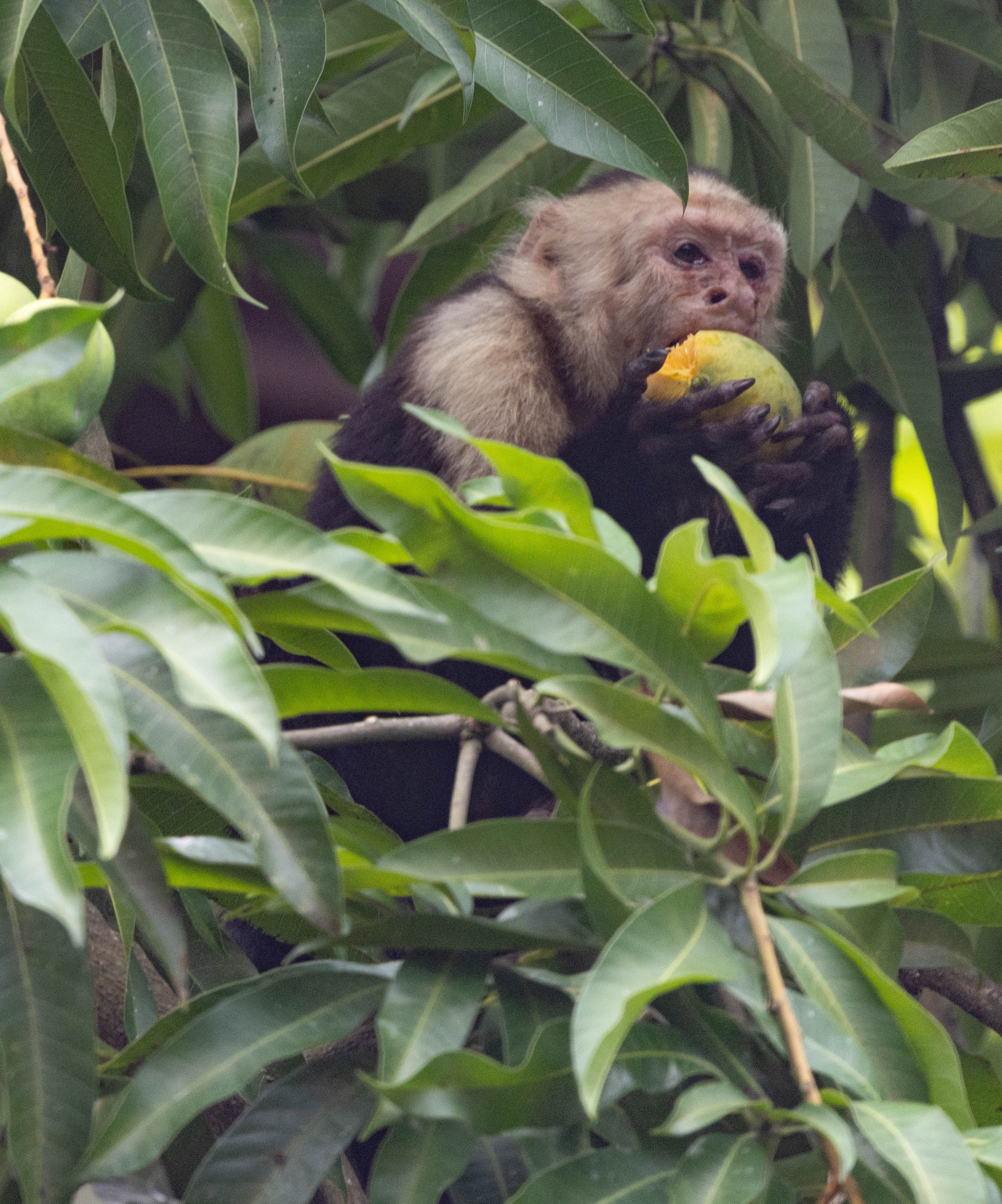
White-faced Capuchin eating a mango.

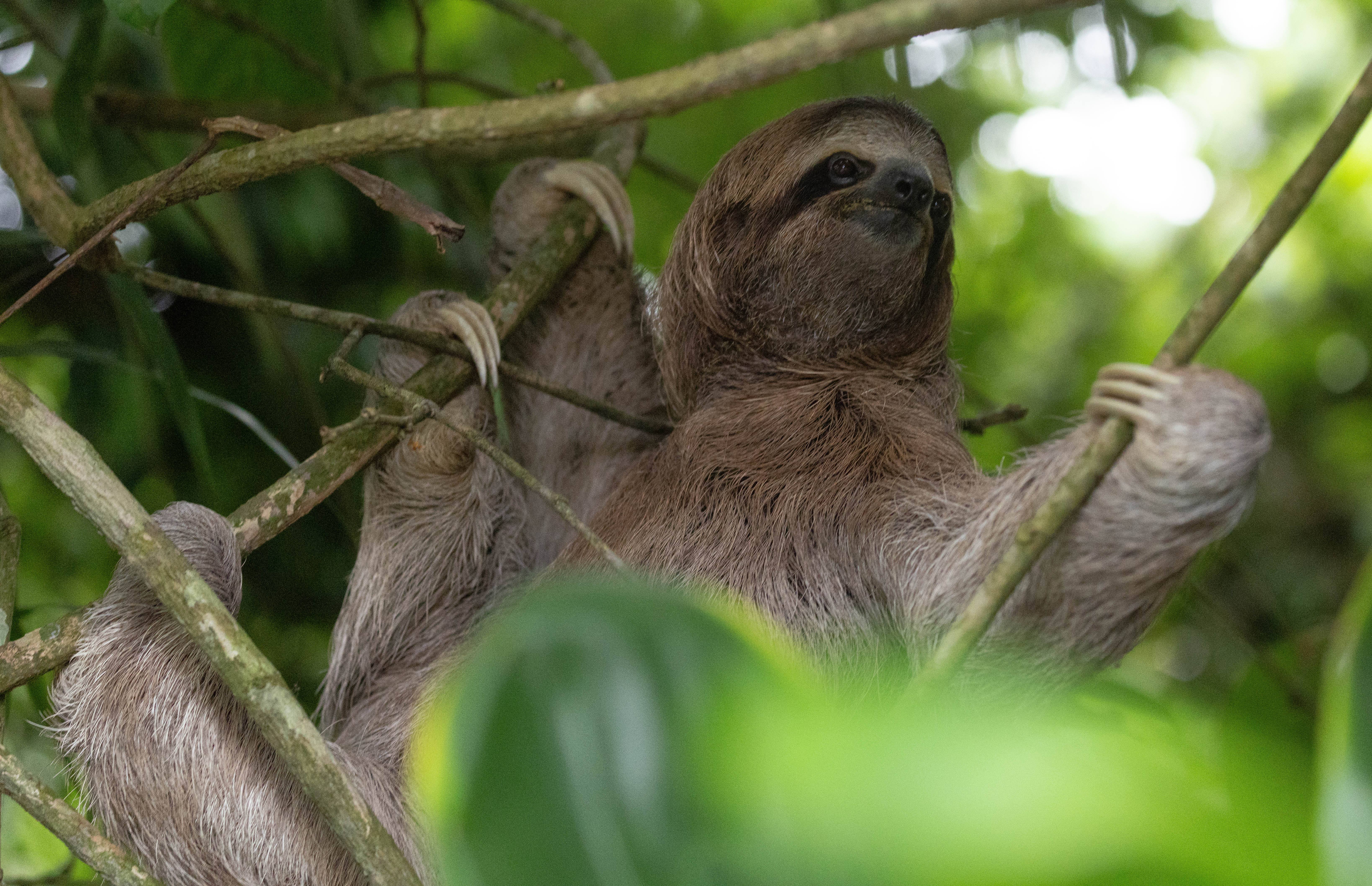
Three-toed Sloth

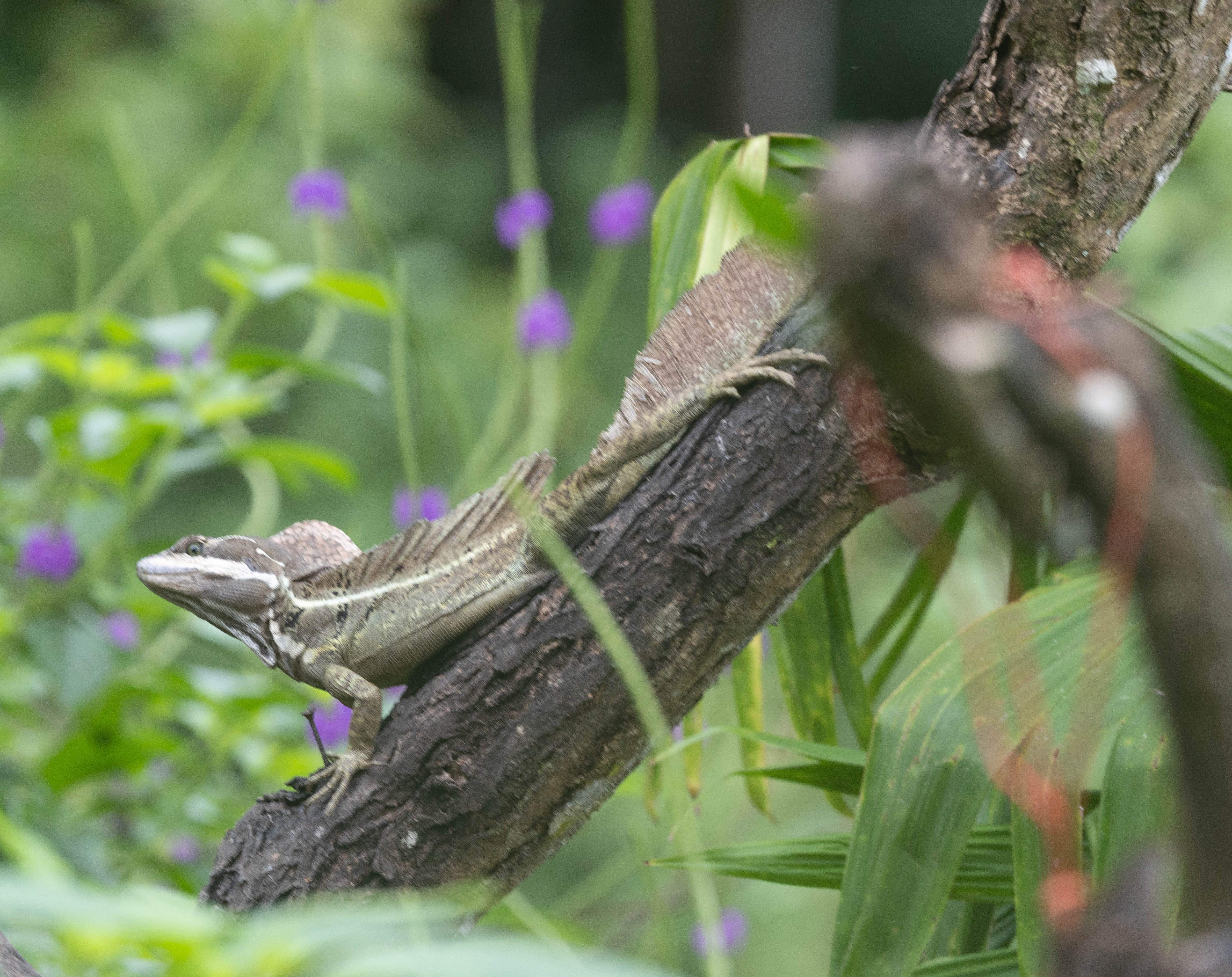
Common Basilisk, a lizard

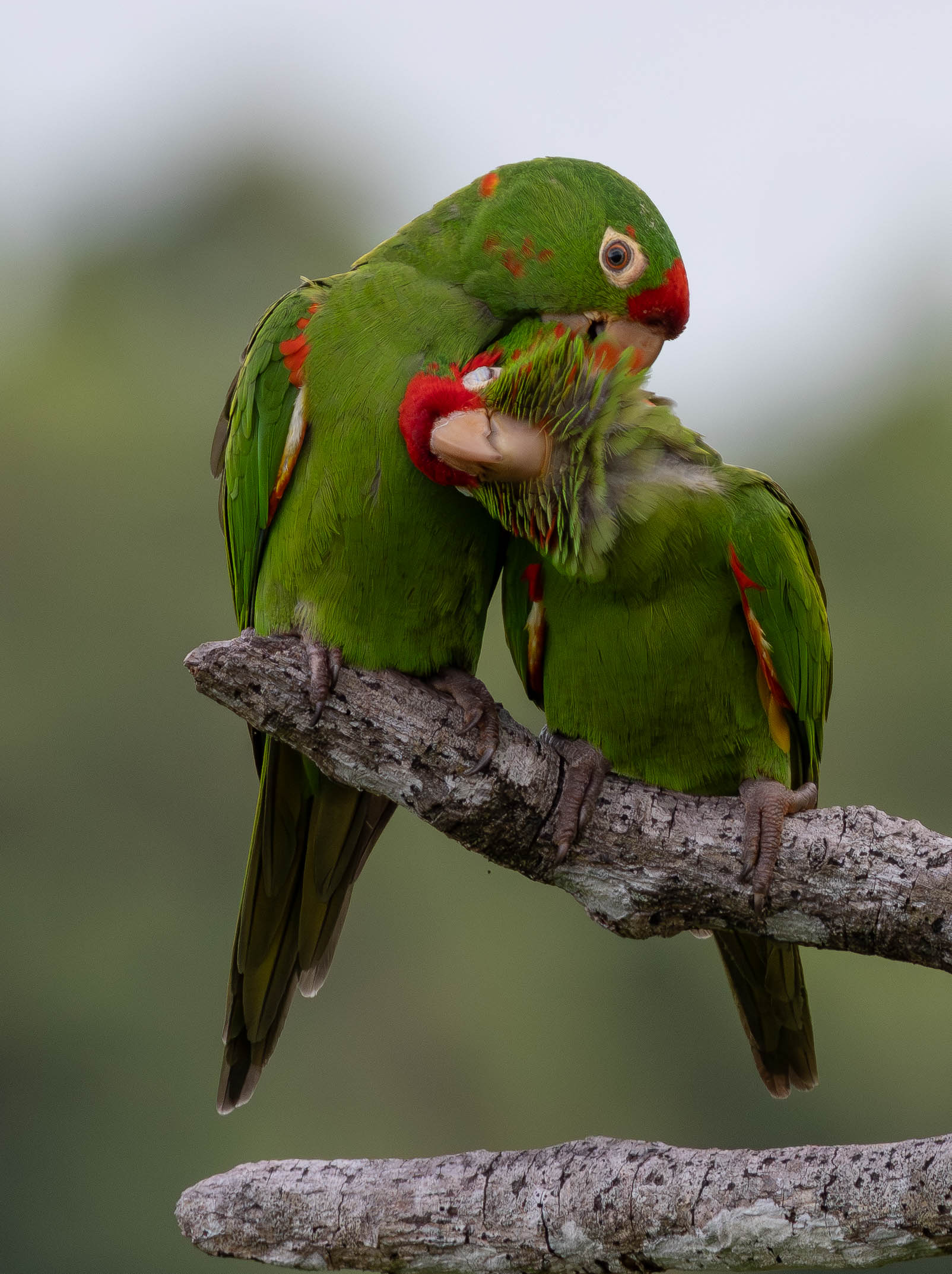
A moment of tenderness. Two Crimson-fronted Parakeets.
We loved this place, Si Como No, which was constructed to be close to the Manuel Antonio National Park. Unfortunately that park is so crowded with visitors that it has become really limited. Although it was the only place we saw an Anteater, that was because there are hundreds of guides, looking for wildlife, and many thousands of visitors. It is indeed beautiful, but many other national parks are better places to visit with a good guide, and much less crowded.


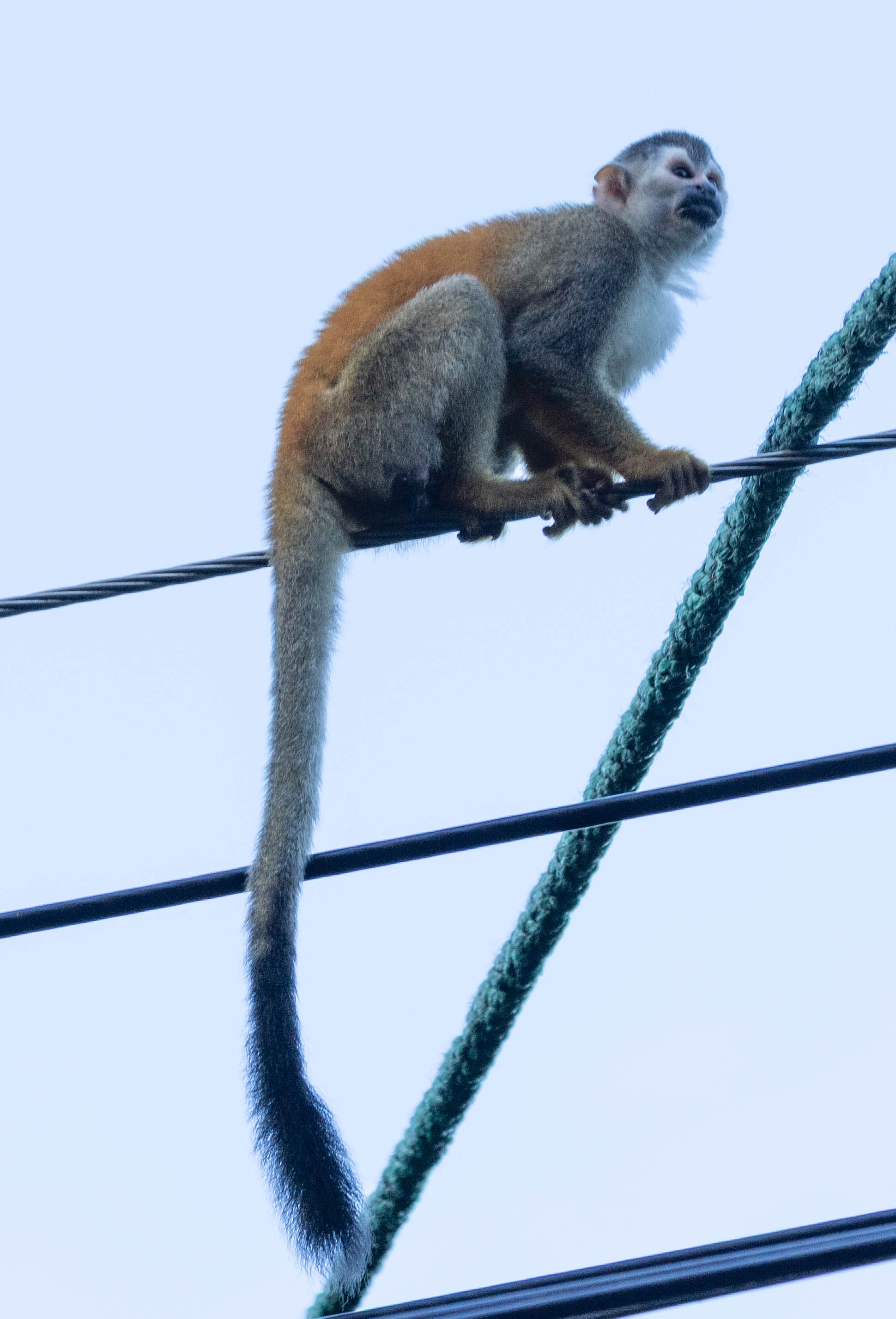
It was also the only place I saw Squirrel Monkeys, like this one, right outside the hotel.

Costa Rica. Days 4, 5 and 6

The next 3 days we spent at the Trogon Lodge, in the cloud forest in central Costa Rica, in a region known as San Gerardo de Dota.

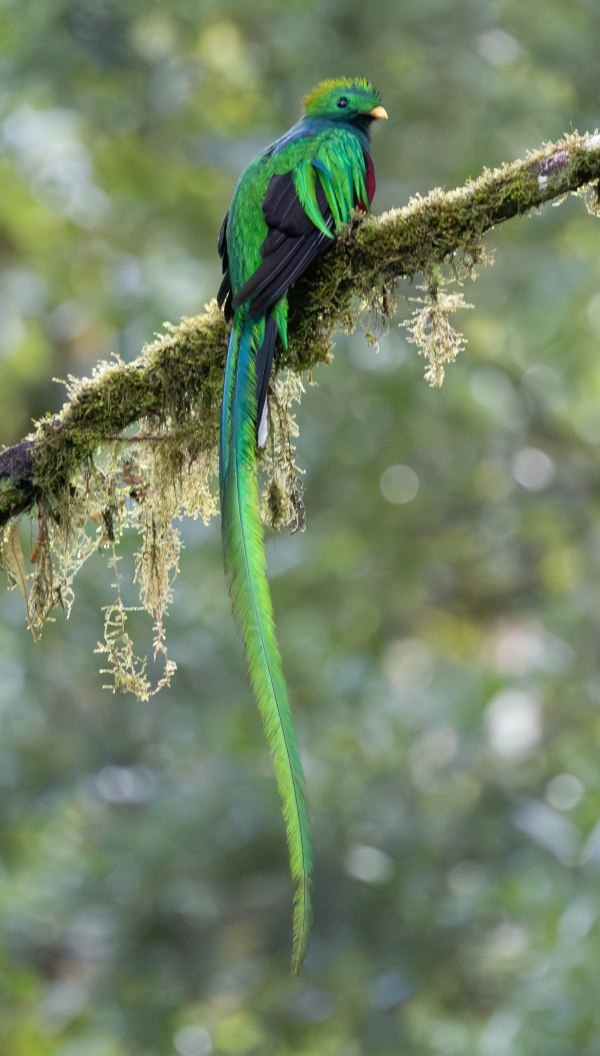
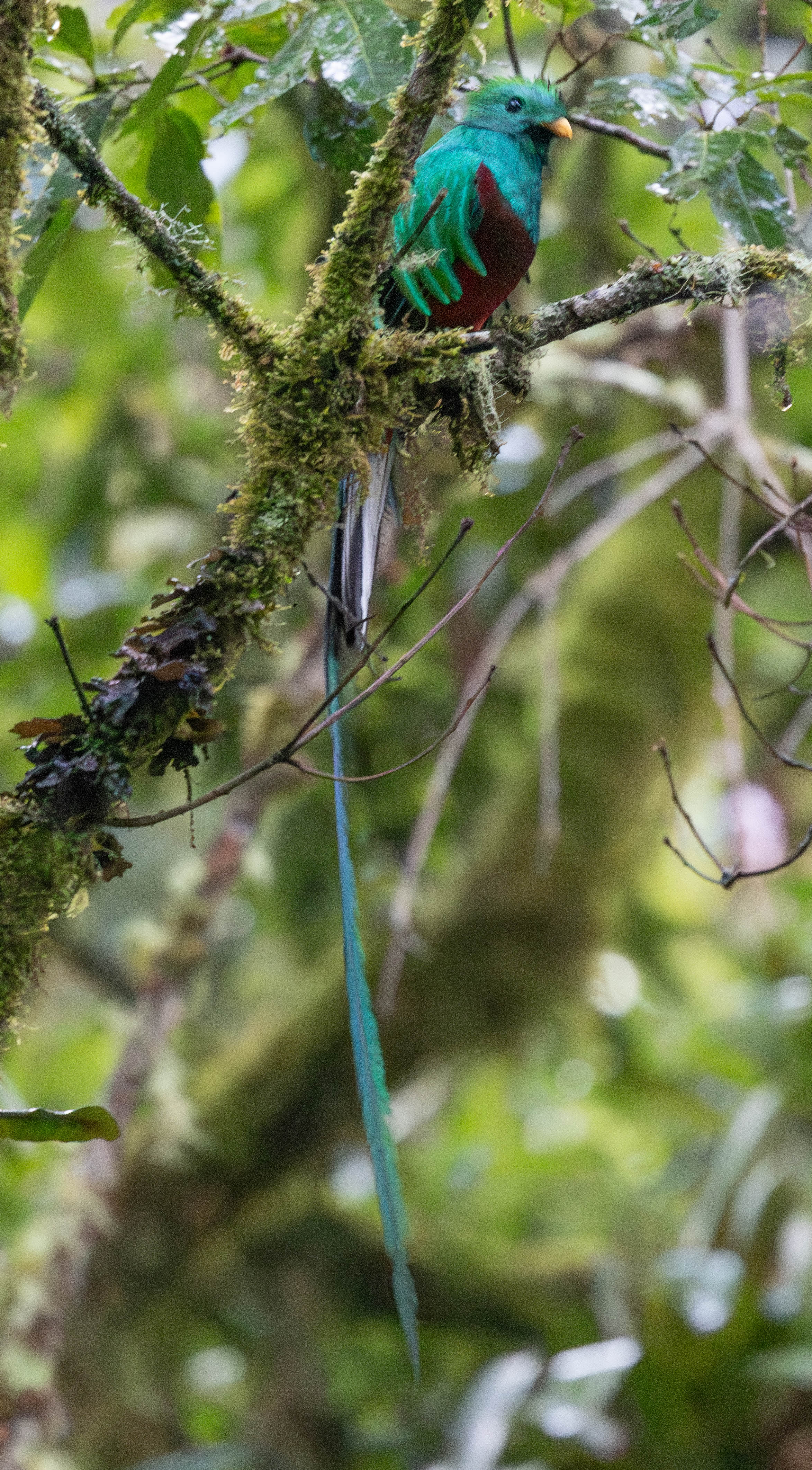
Two early morning outings were rewarded by sightings of the iconic Resplendant Quetzal, that you can see in the header image, and below.

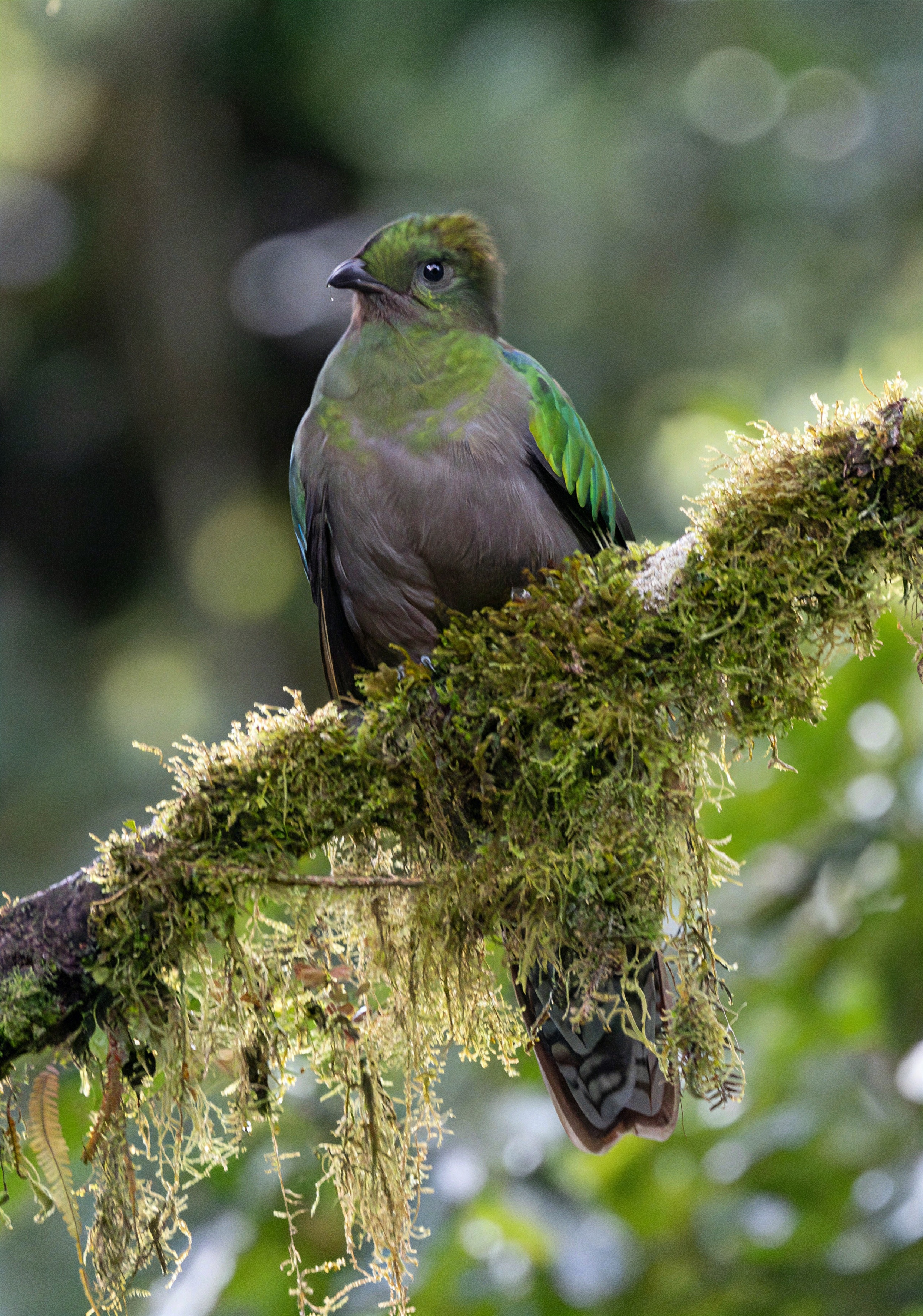
The female is also impressive, but without the resplendant tail

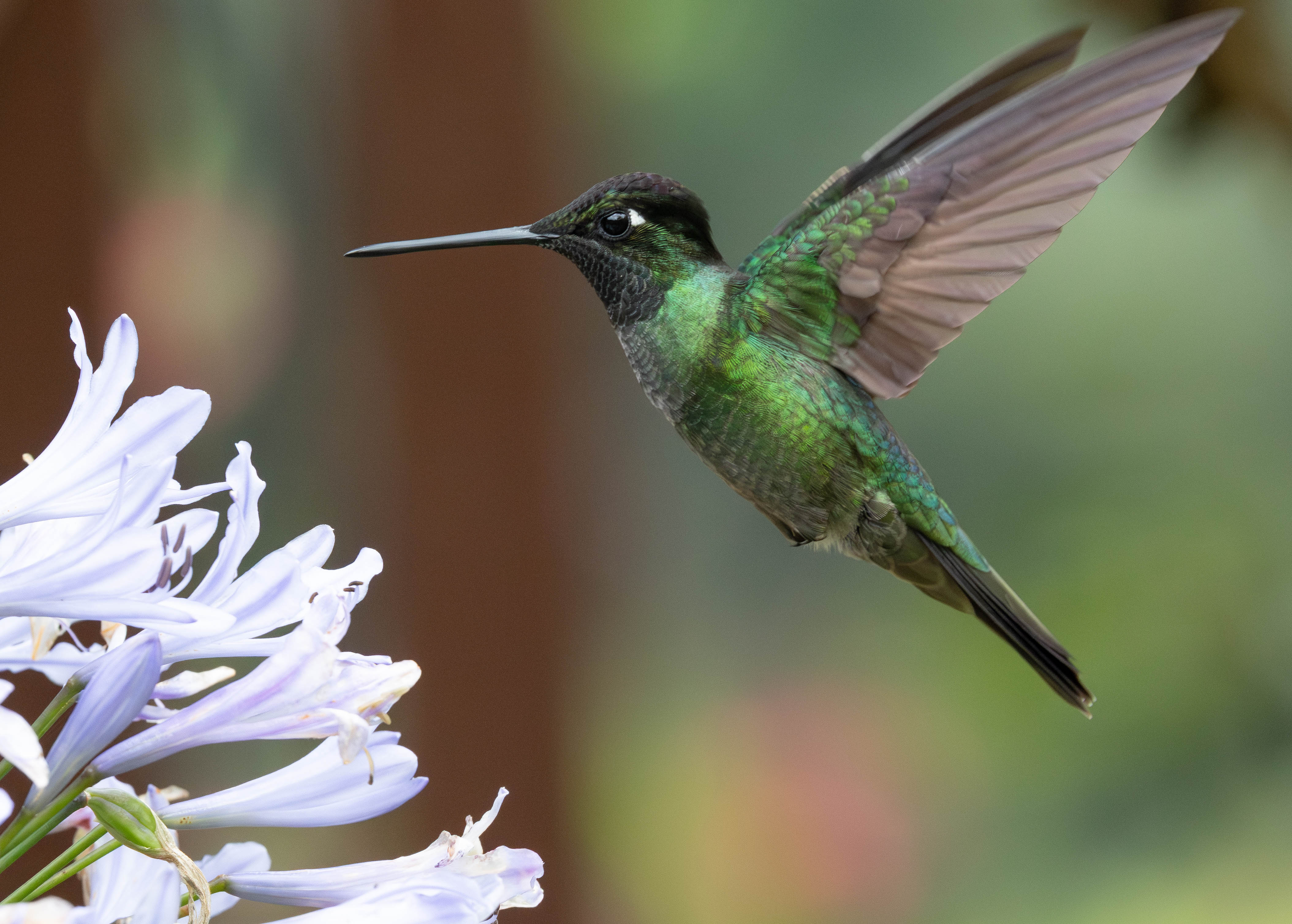
Another new Hummingbird is one confined to the higher elevations of the Talamanca Cordillera, the range of mountains in central Costa Rica, the highest range in central America.

Talamanca Hummingbird.

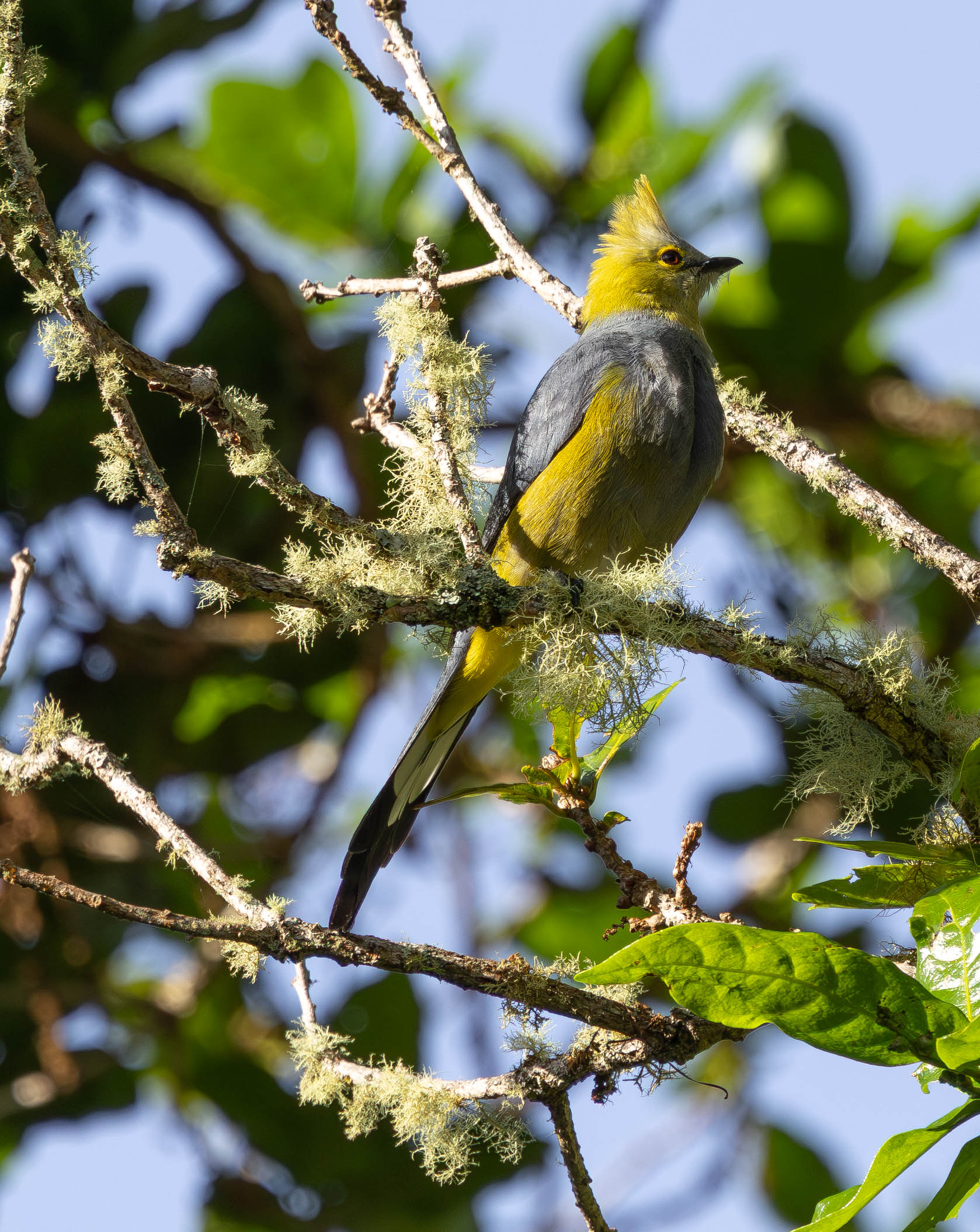
Long-tailed Silky Flycatcher. This bird is also restricted to the higher elevations of the Talamanca Cordillera.

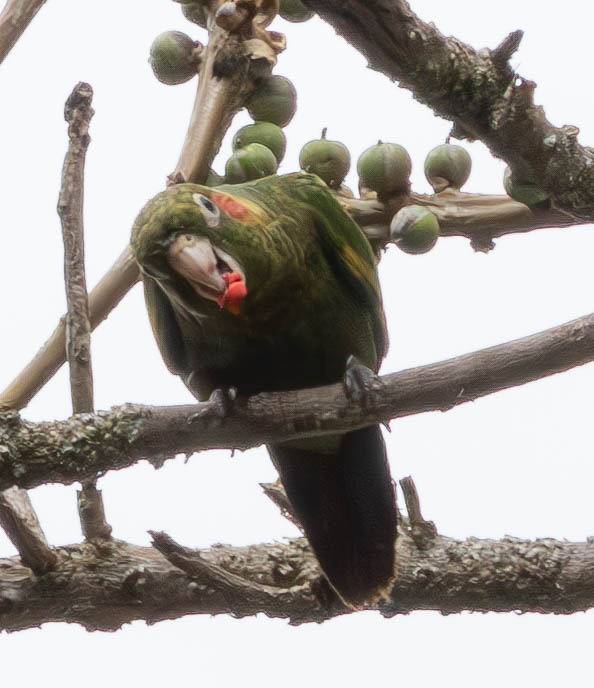
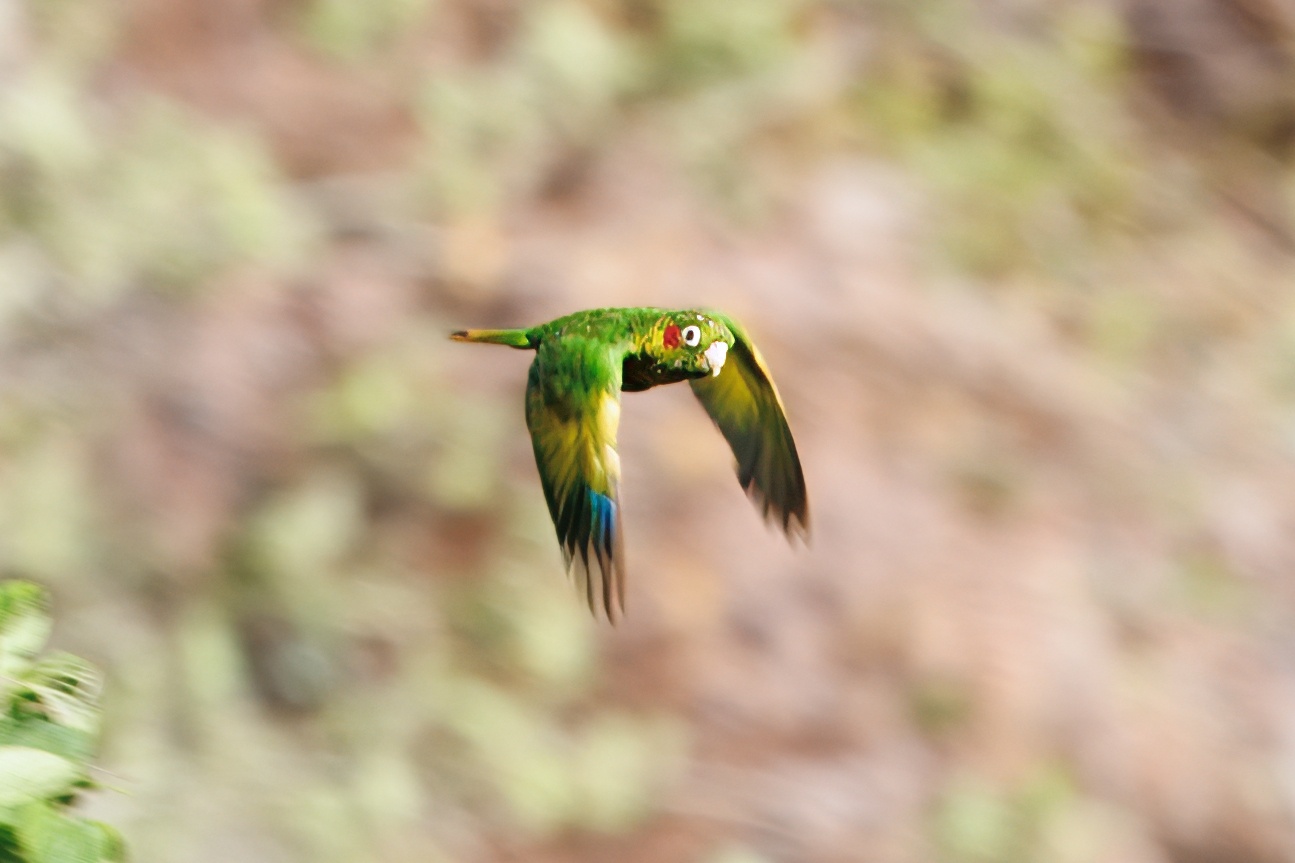
The Sulphur-winged Parakeet is also found only in this region.

This photo better illustrates the reason behind the name, the sulphur colour not being very evident when they are perched.

While here there were some great hikes, and an outing to a gardens, the “Batsu Gardens”, which have been created by a birding enthusiast and guide, specifically with the goal of attracting as many bird species as possible, and which also have feeding stations. Interestingly, he doesn’t promote the gardens on social media, as he wants to keep the gardens quiet, but if you don’t tell anyone else…

Here, I saw some birds in close up, that I had only glimpsed previously, and also saw a spectacularly beautiful bird that I had never heard of before.

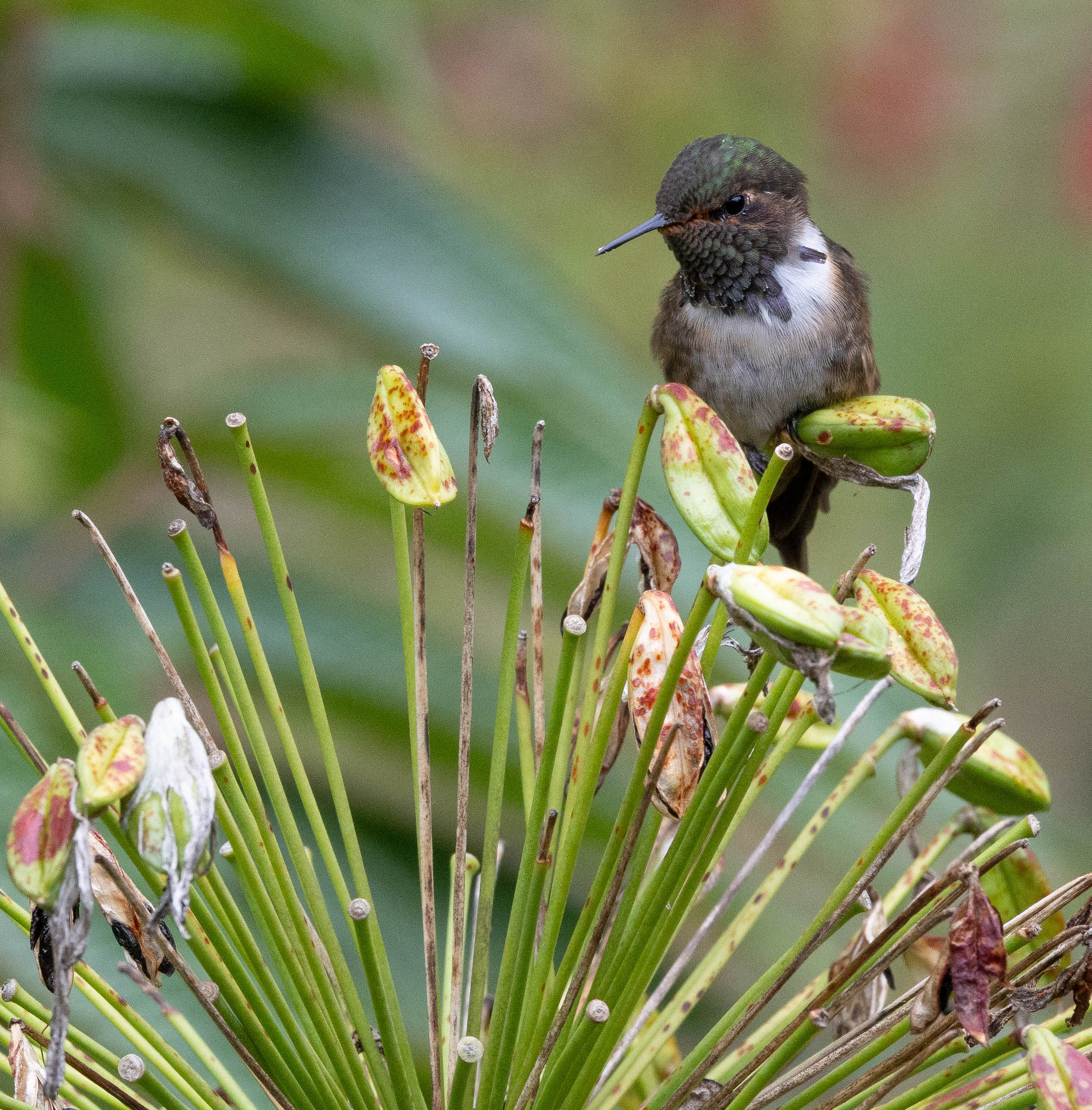
The Volcano Hummingbird is a tiny hummer, with a restricted range in this region, around the Talamanca Cordillera, a Volcanic mountain range.

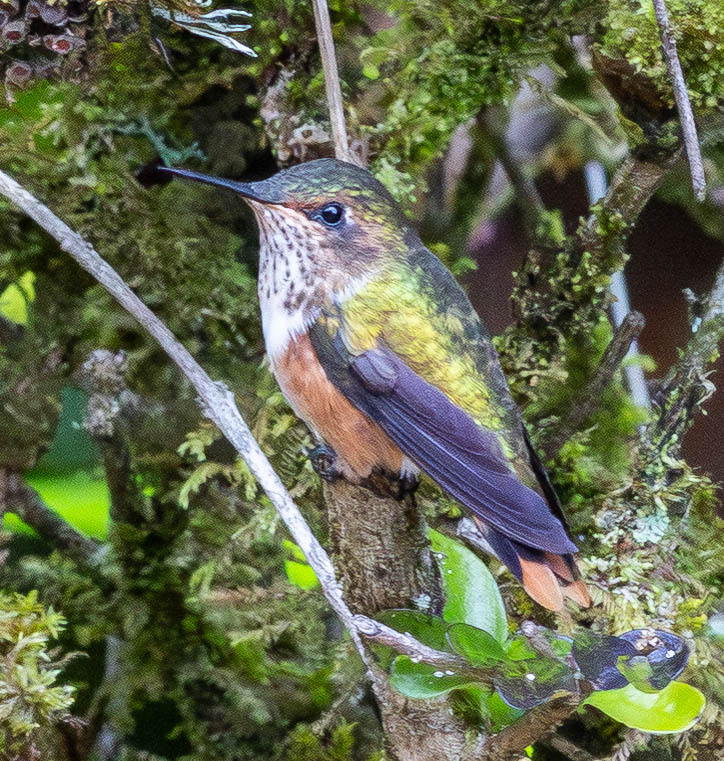
The Scintillant Hummingbird is restricted to the same range, the males are even more scintillating, but were not evident during my visit.

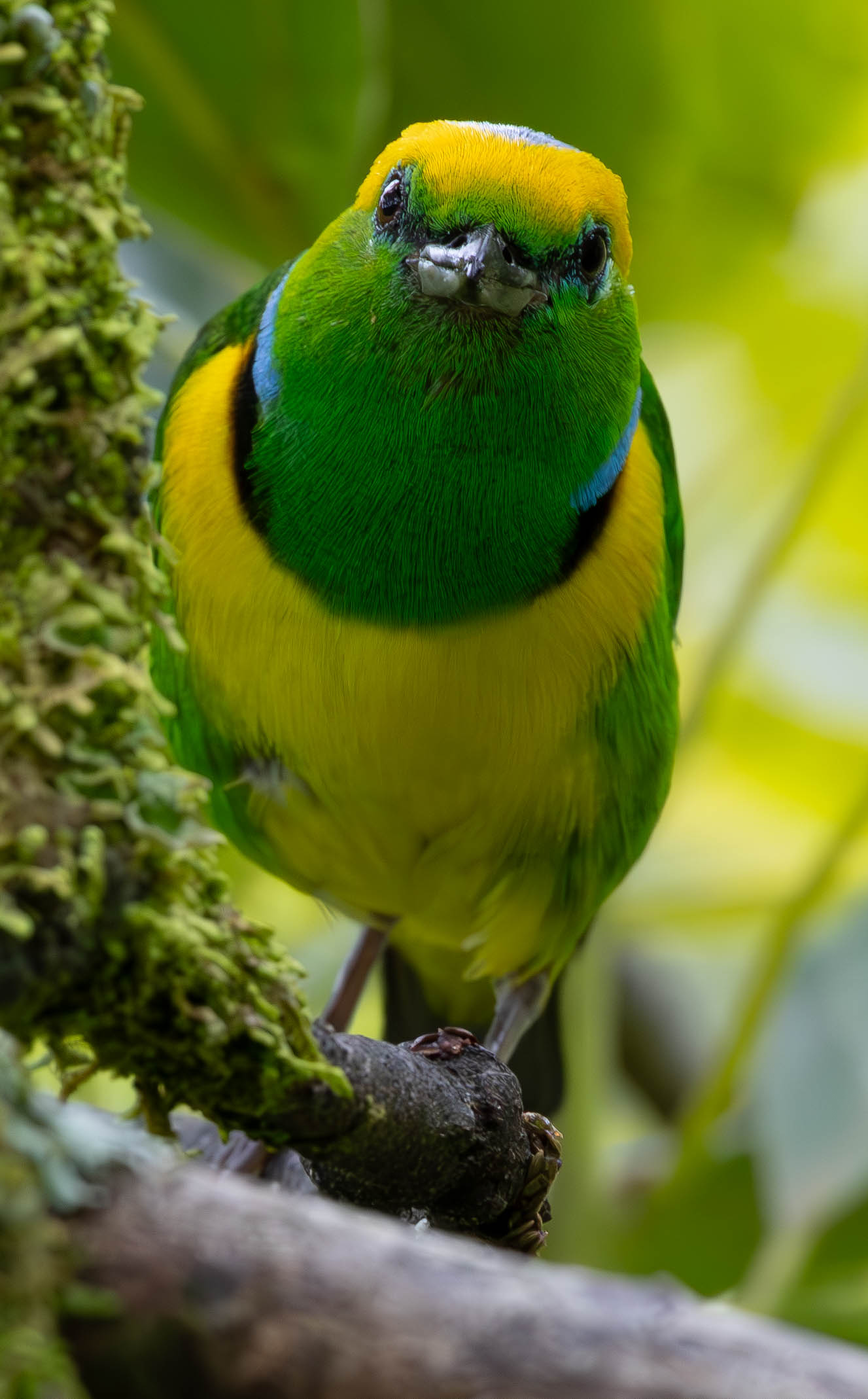
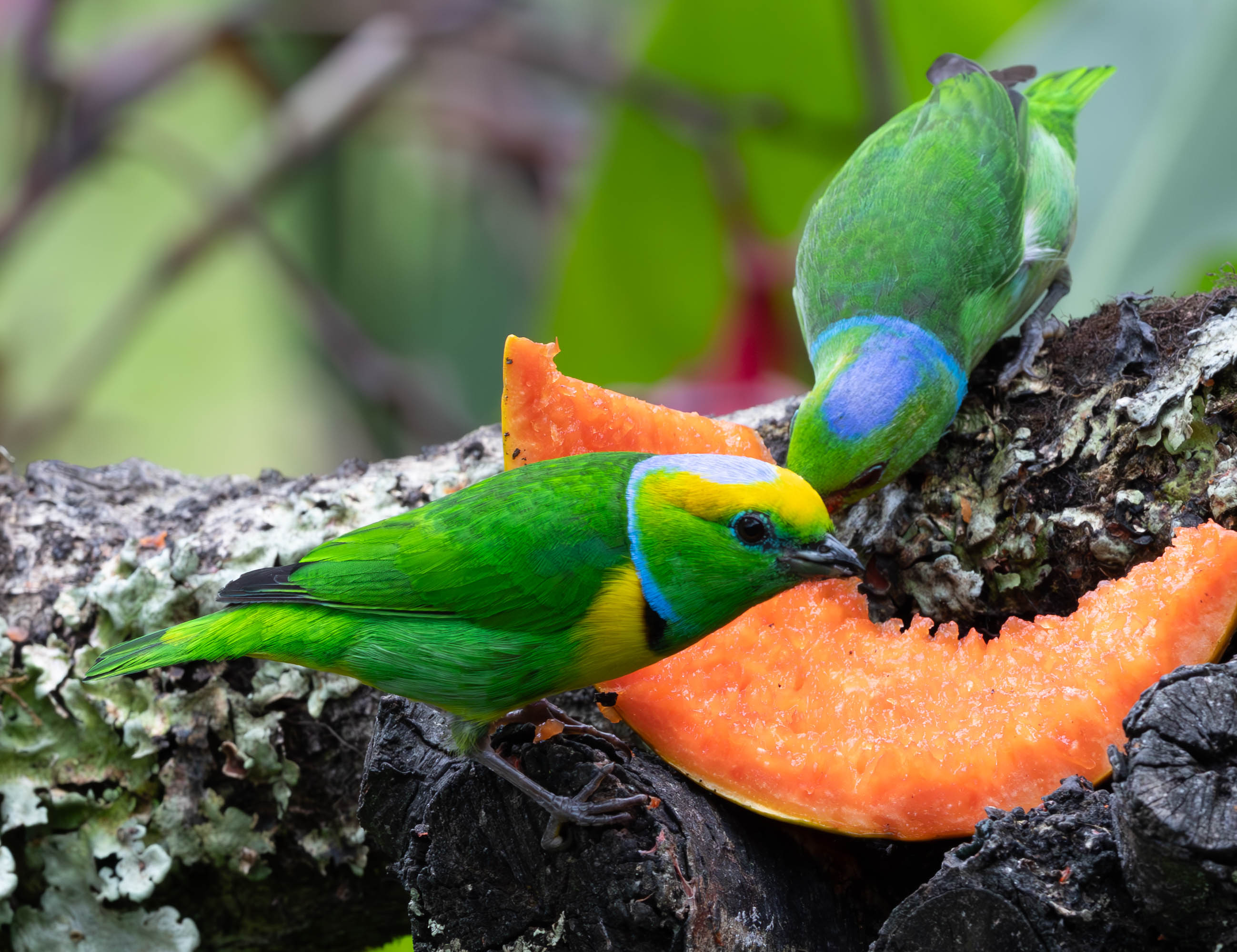
This Golden-browed Chlorophonia is related to the much more widespread Euphonias, of which there are about 8 species, but is restricted to these central highlands and is an amazingly beautiful bird.

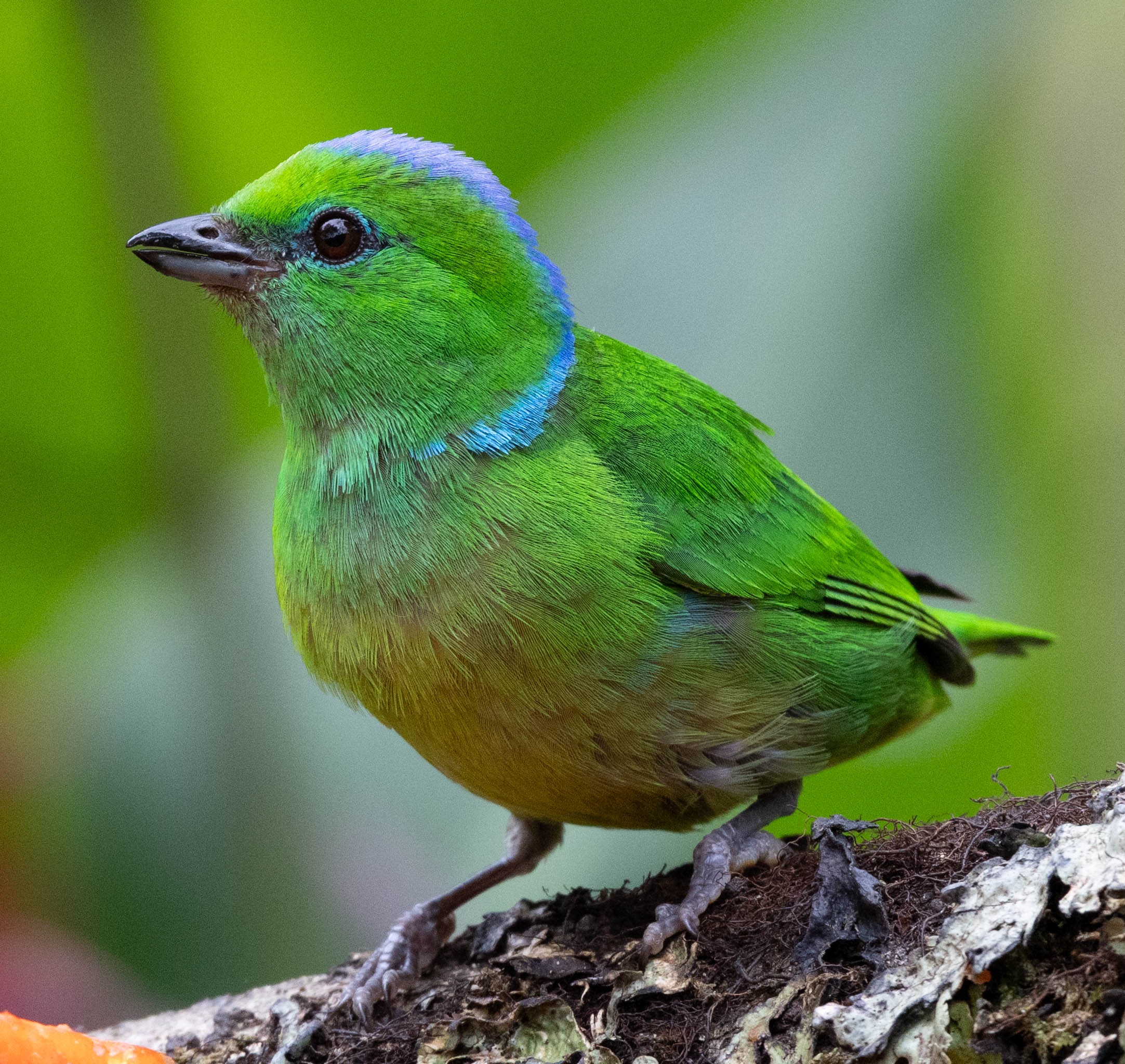
This is a female Golden-browed Chlorophonia

Here are a pair, male in the foreground, on a feeder at the gardens.

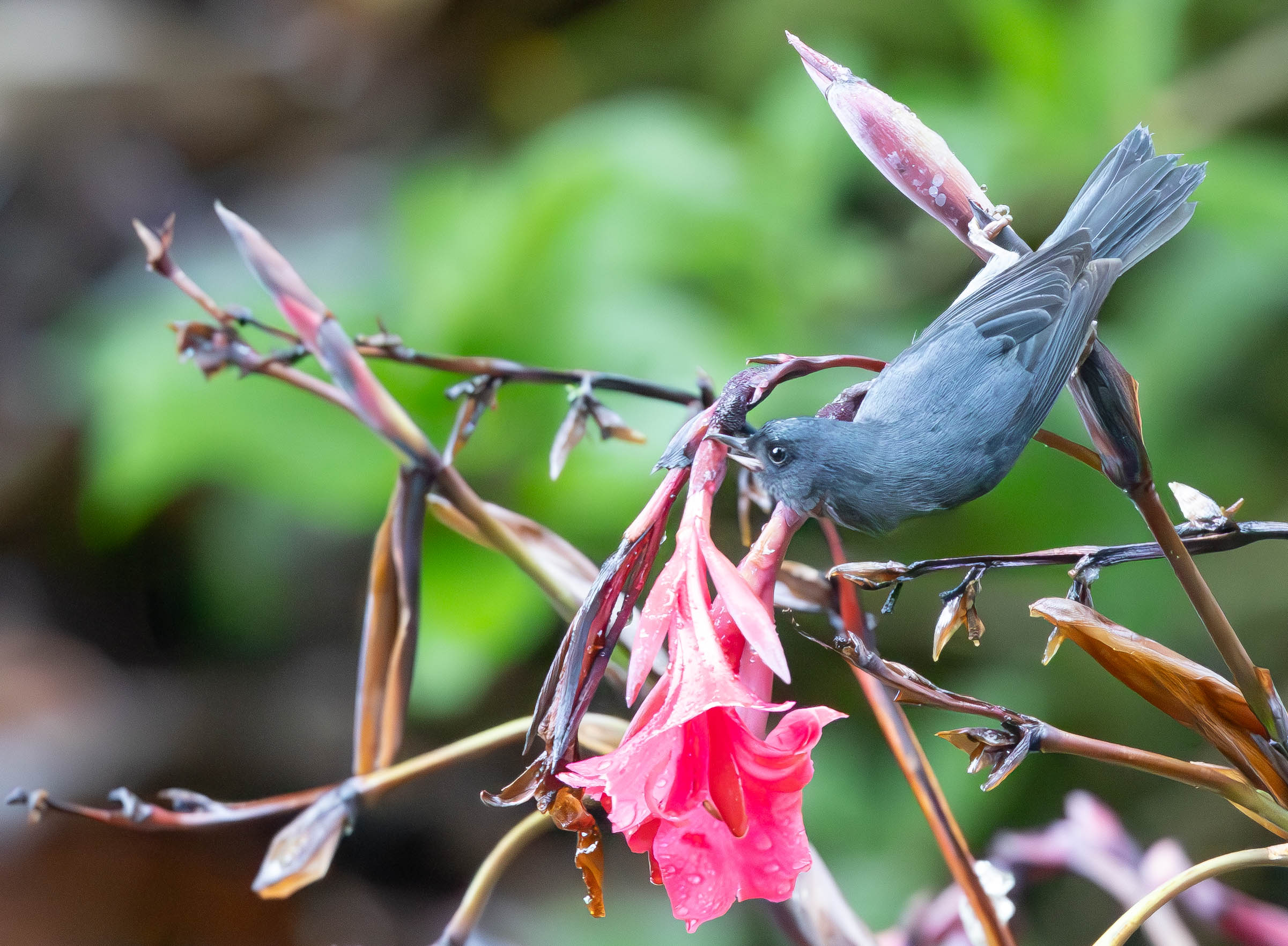
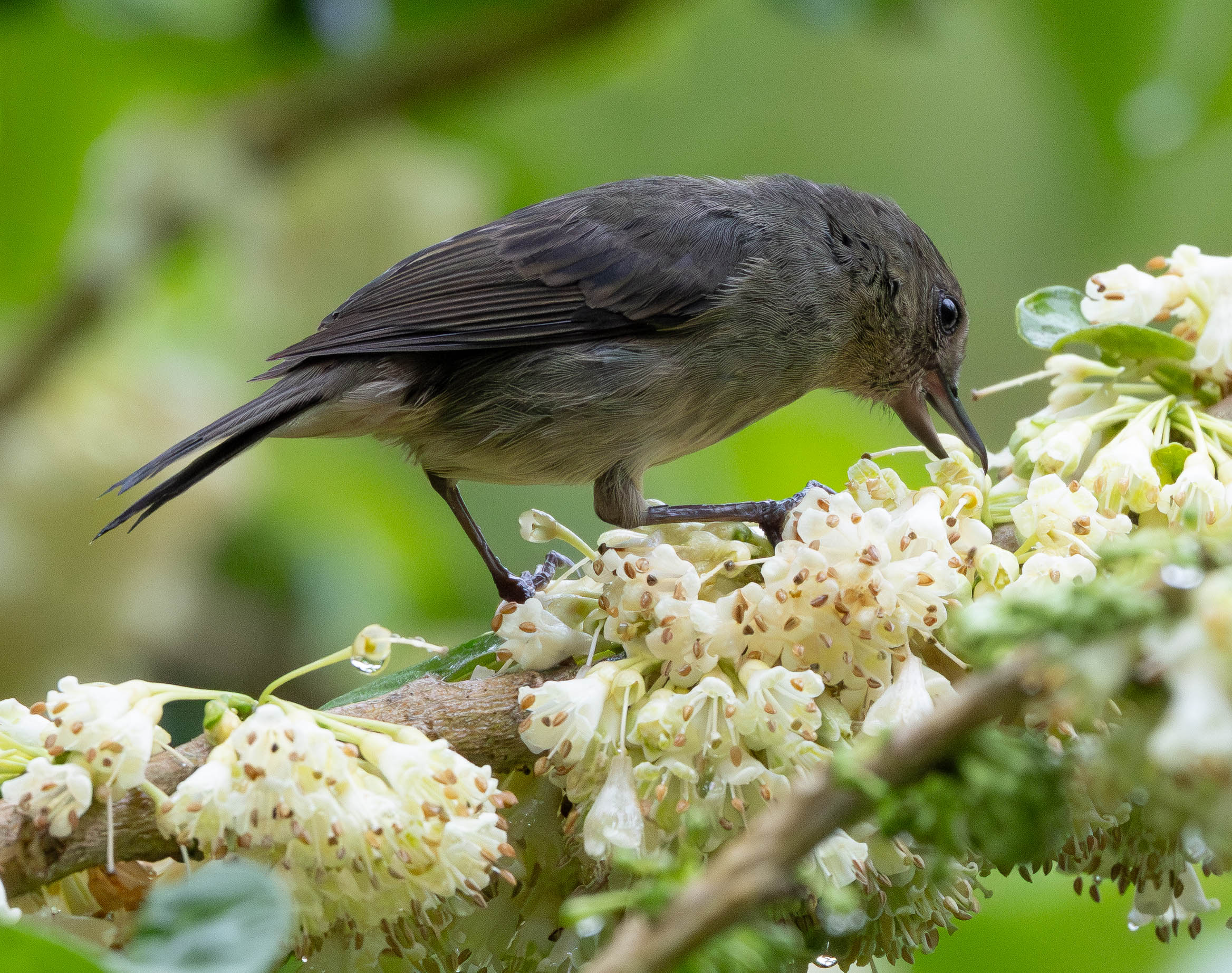
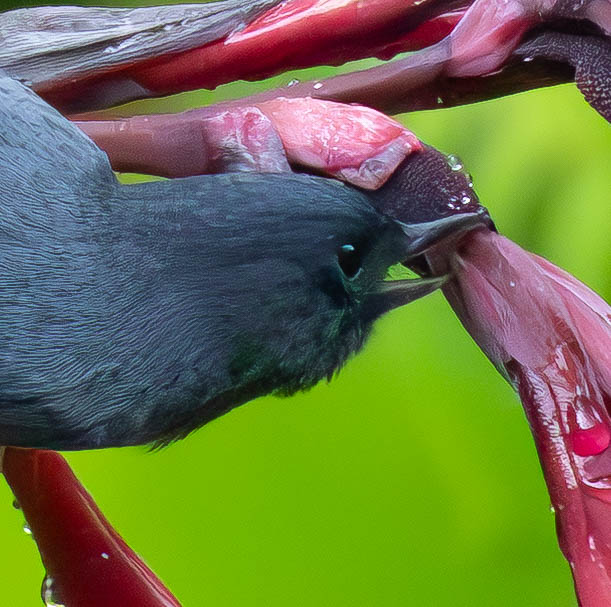
In the same gardens I was able to take several photos of the Slaty Flowerpiercer, with some closeups showing how it uses its specialised beak to pierce flowers to extract their nectar.

This is the male

Here is a female

Here is how he pierces the flower with his beak

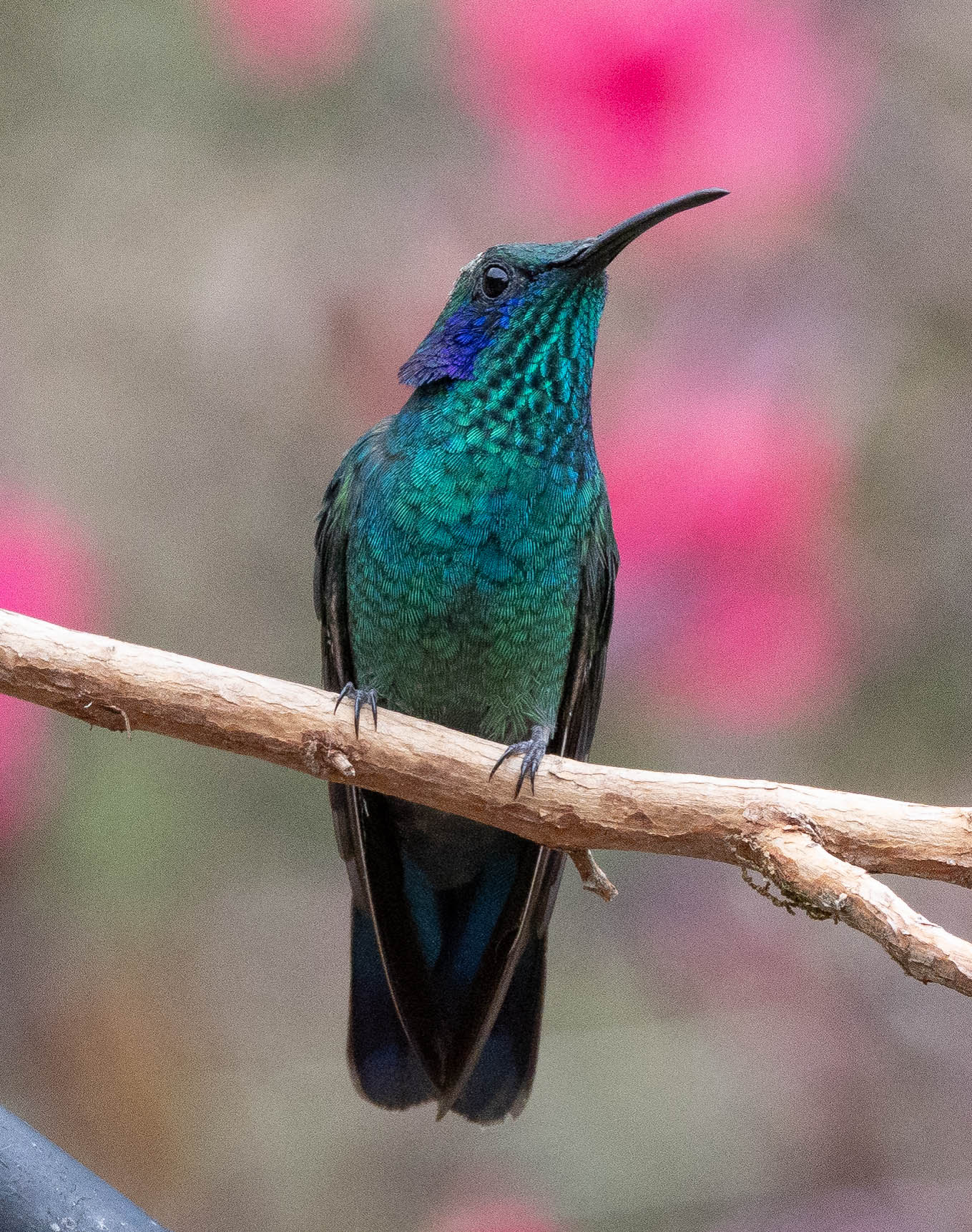
The Lesser Violetear is a much more widespread hummingbird.

Costa Rica. Day 1

I was very fortunate that we decided to take our family vacation to Costa Rica this year. The first week was just Annie and me, and we were helped enormously in organising everything by Rey Vargas (afriendnincostarica.com). He was extremely knowledgeable, has many contacts around the country, did all the driving (which is often said to be a big problem in this country), and, as an extra, is an enthusiastic and knowledgeable birder. He is also great company. The first place we went to was La Paz Waterfall gardens, a little north of San José, we arrived there after dark the first night, and stayed in the Peace Lodge associated with the gardens, wildlife park and rescue centre.

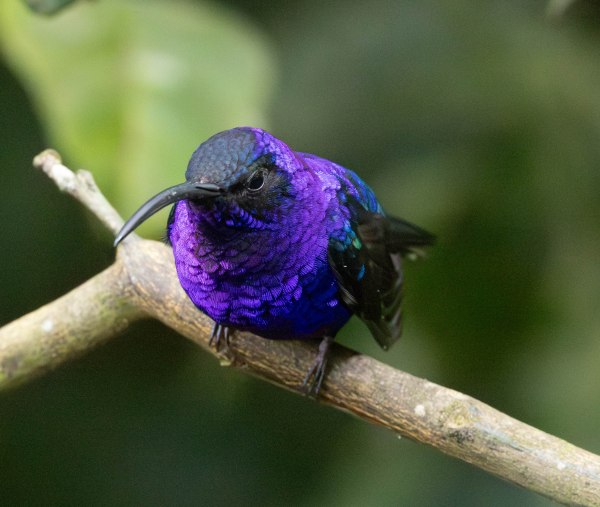
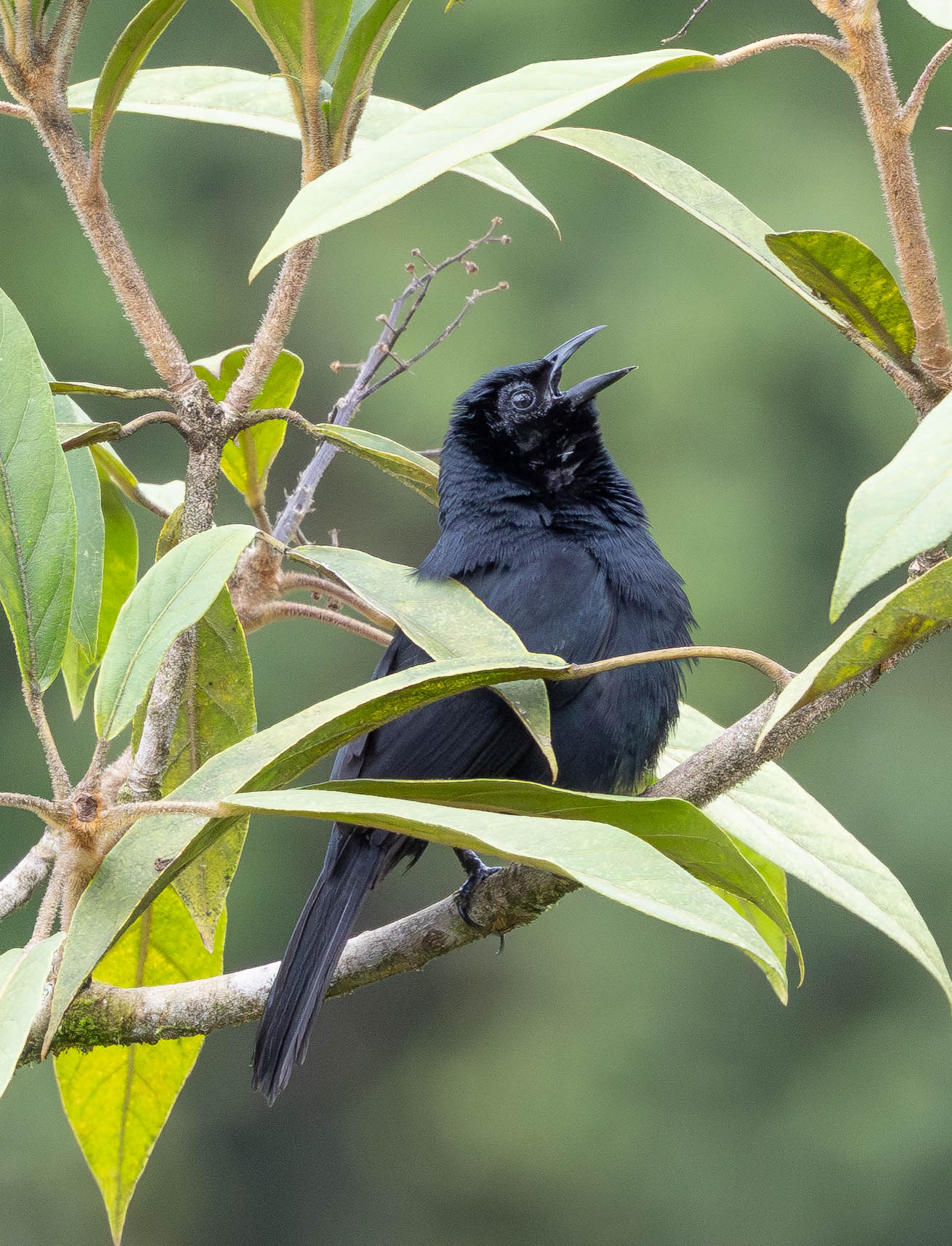
The next morning the first thing I heard was a new bird for me, the Melodious Blackbird. A walk around the gardens discovered, among other things, several new hummingbirds, including the Violet Sabrewing in the header image.

Melodious Blackbird, being melodious.

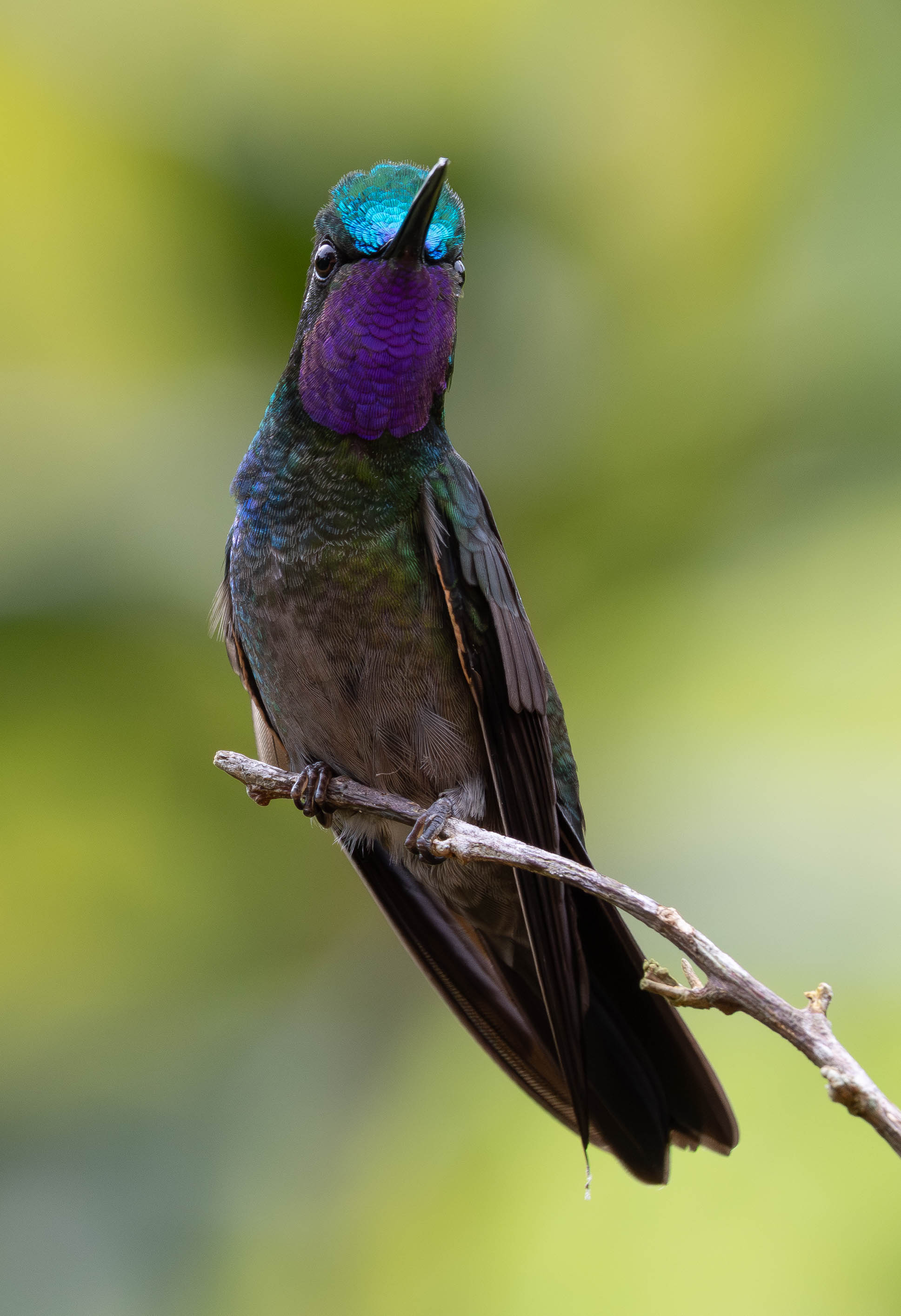
Purple-throated Mountain-Gem

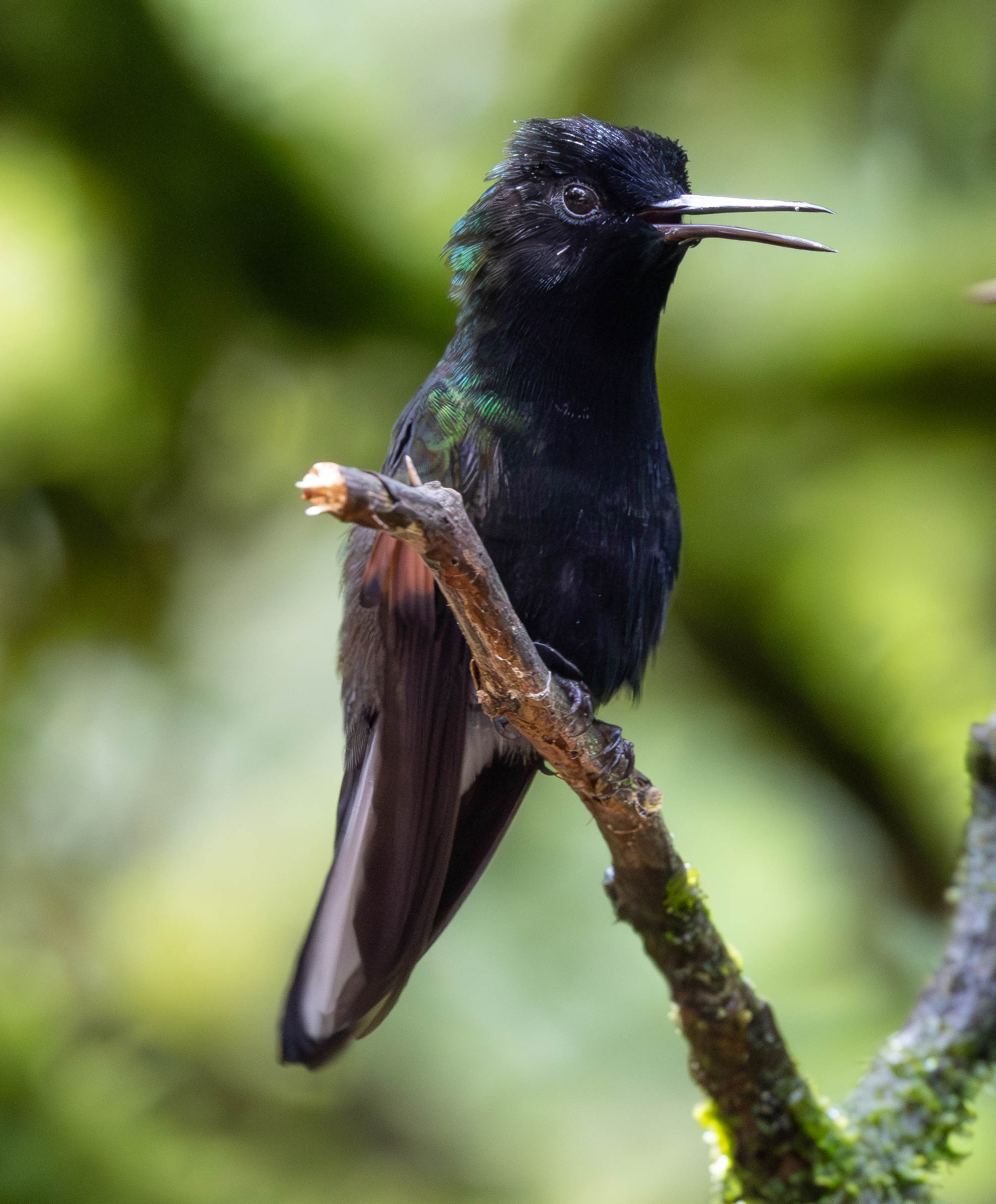
Black-bellied Hummingbird

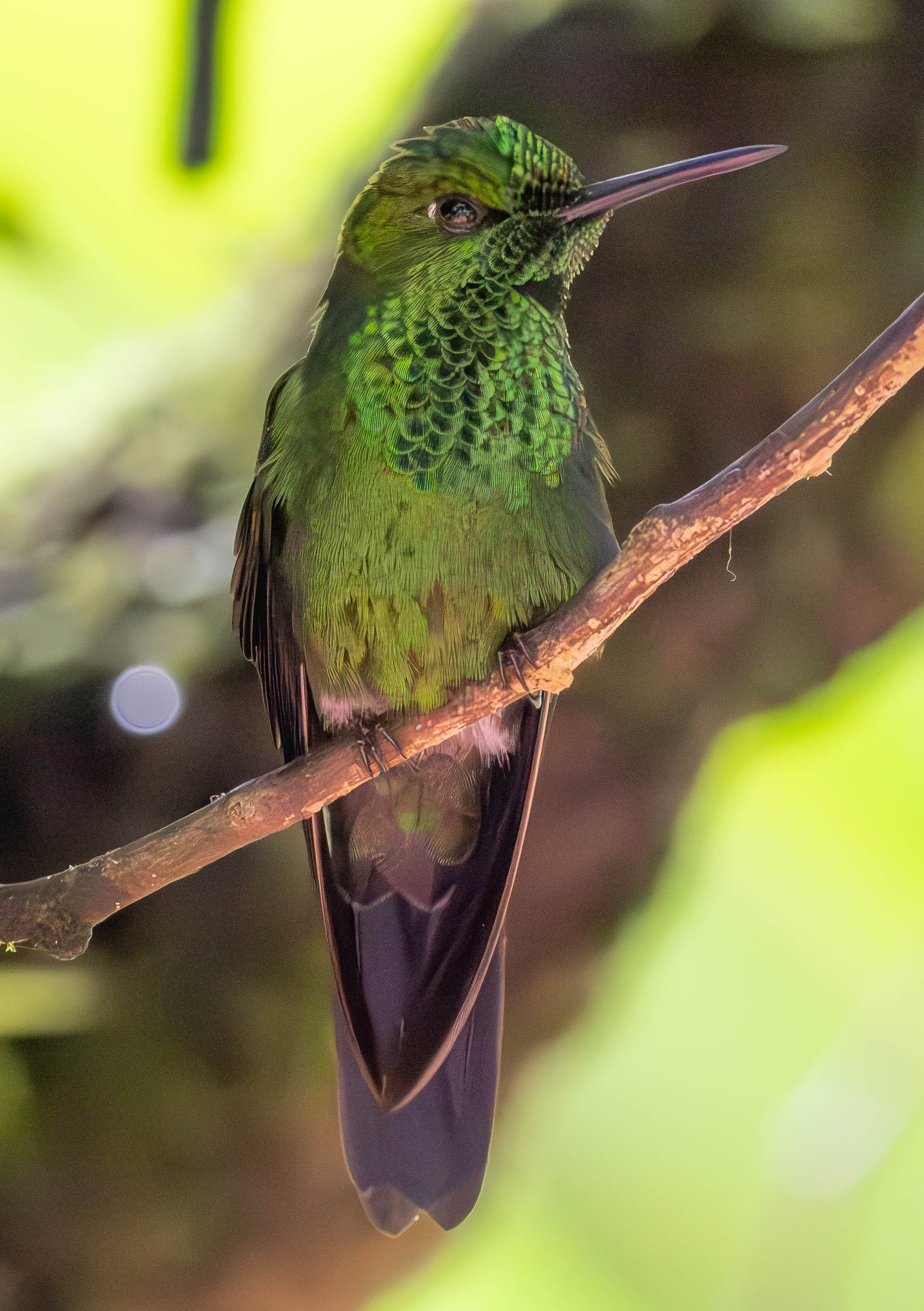
Green-crowned Brilliant.

Rey joined us at the La Paz park, where we had a delightful hike down the gorge with its 4 or 5 waterfalls, he then took us to our next stop, on the way there was an amazing cafe (the roadside cafés are known as Sodas, this one was the Galeria de Colibri y Soda Cinchona) with a feeding station and several birders with cameras at the ready!

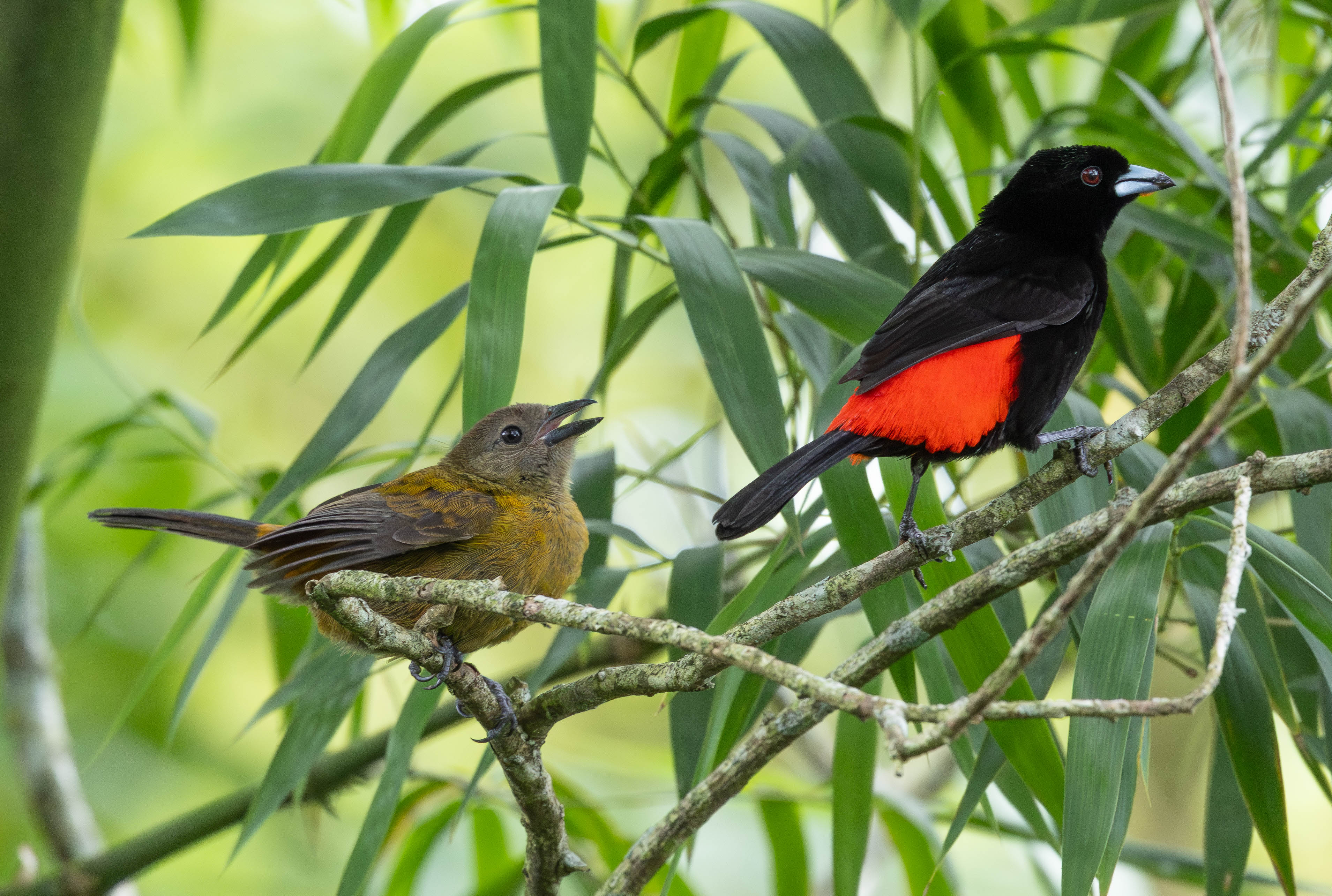
My first view of a Tanager that was to become a frequent sighting on the trip, the Scarlet-rumped Tanager, here accompanied by either a female or a juvenile. I think it was a juvenile as the male turned and gave some food to his companion just after this shot.

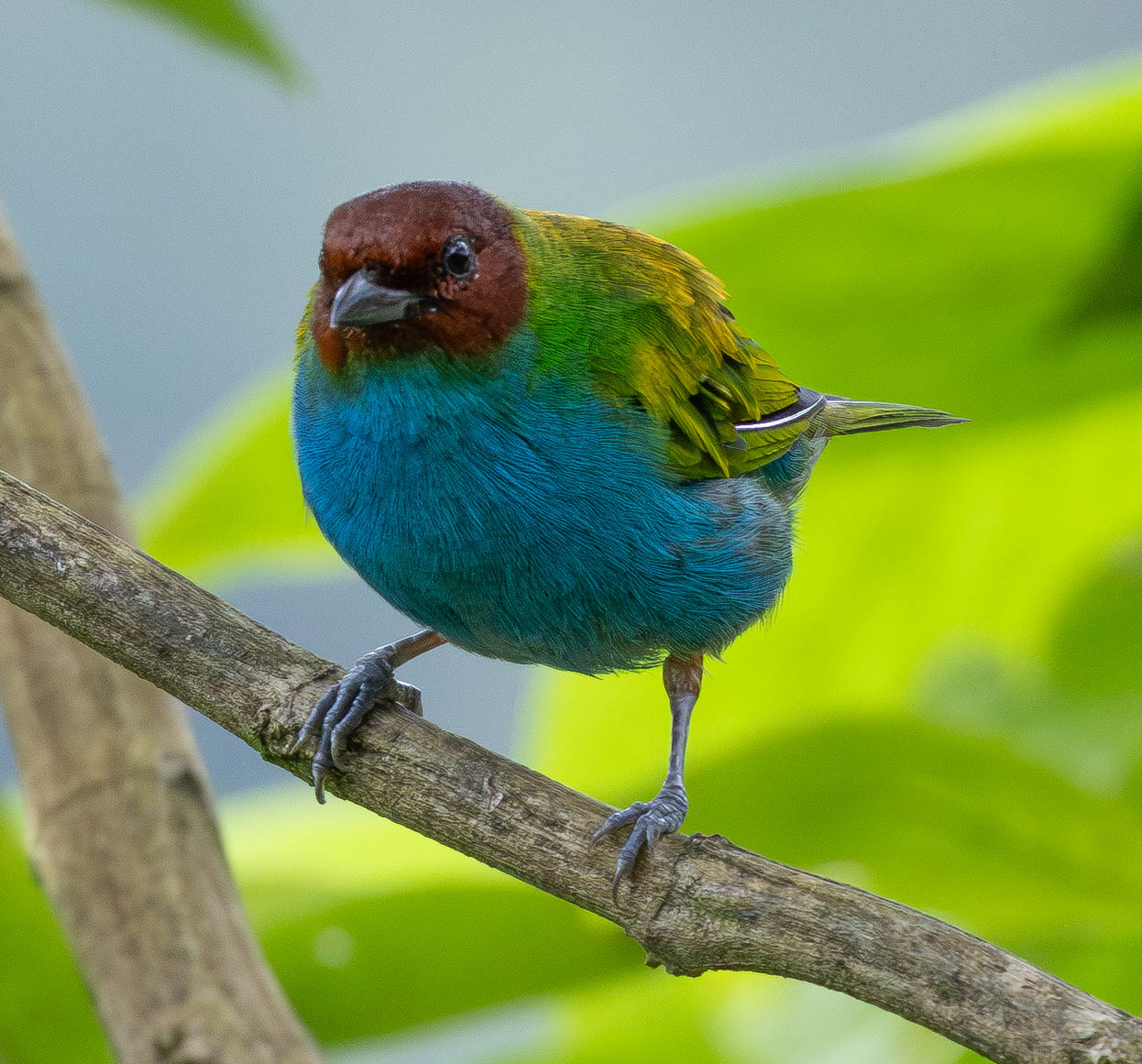
Another lifer for me, the Bay-headed Tanager

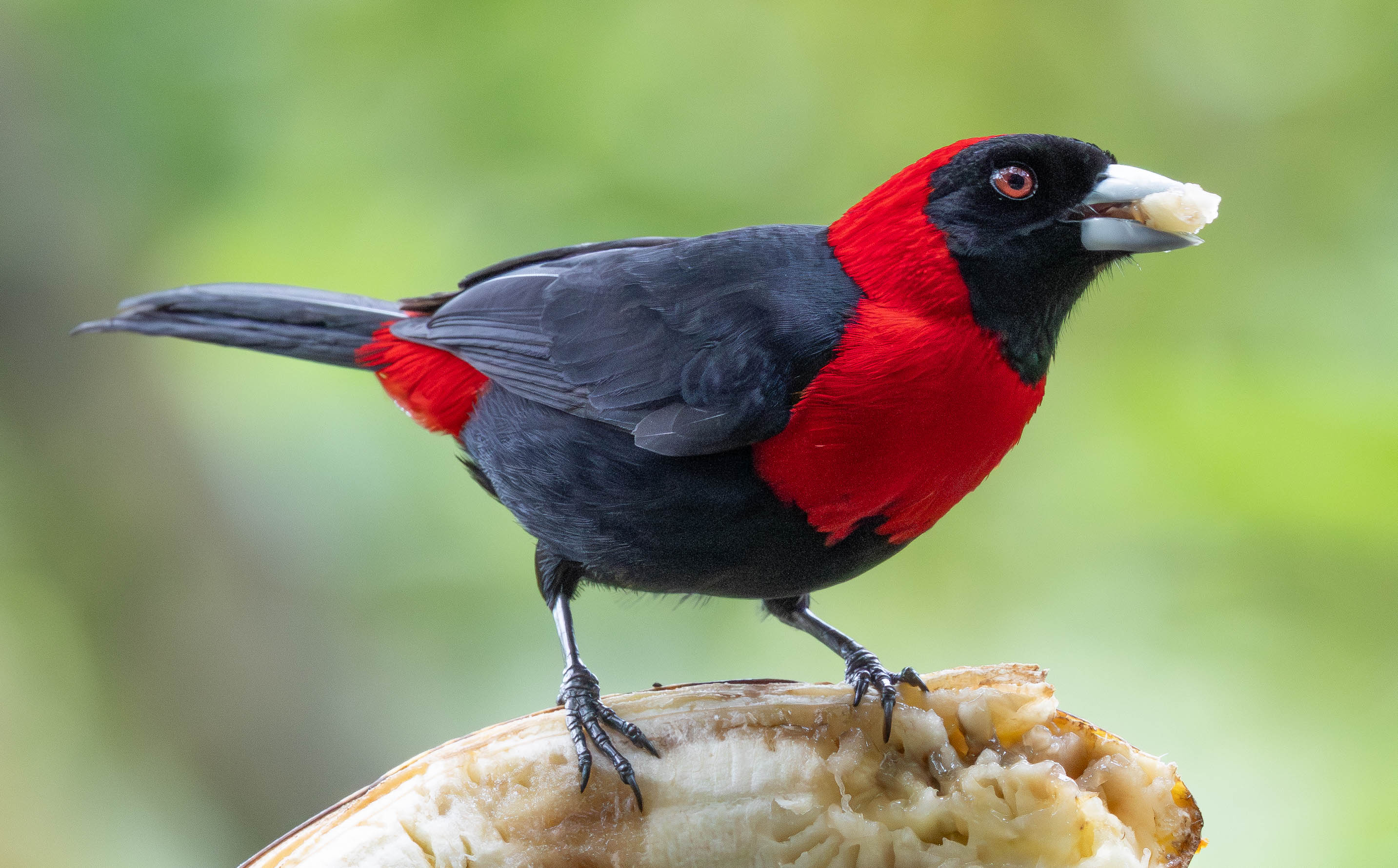
And another, a Crimson-collared Tanager, at the feeding station. We then headed on to what was to be our rental for the next 2 nights, at Orosi, in Cartago province, fairly high in the hills, with many birds, including even more lifers.
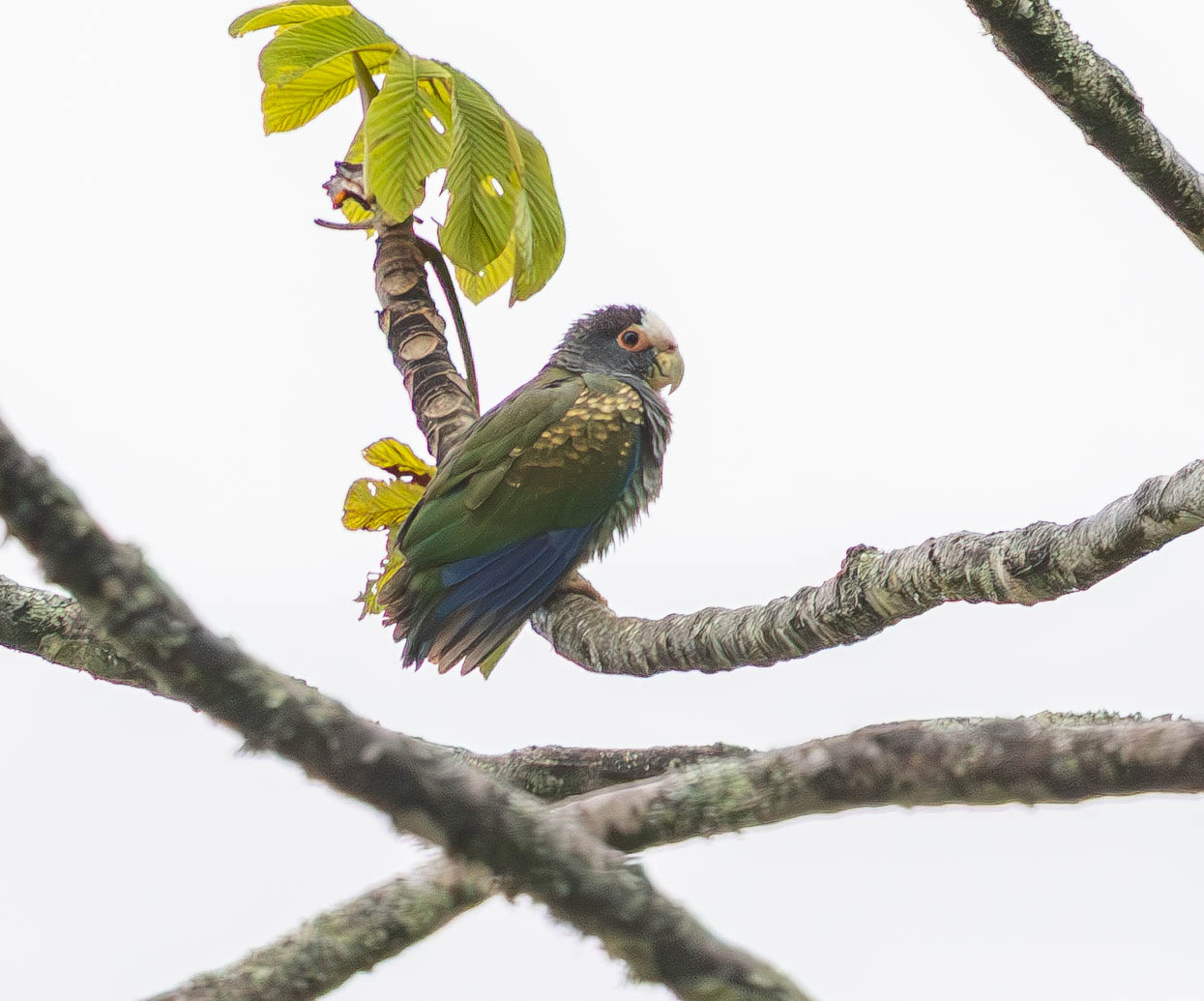
One of which was this White-crowned Parrot. A total of about 45 species in one day, with probably 11 life firsts.

Bahamas

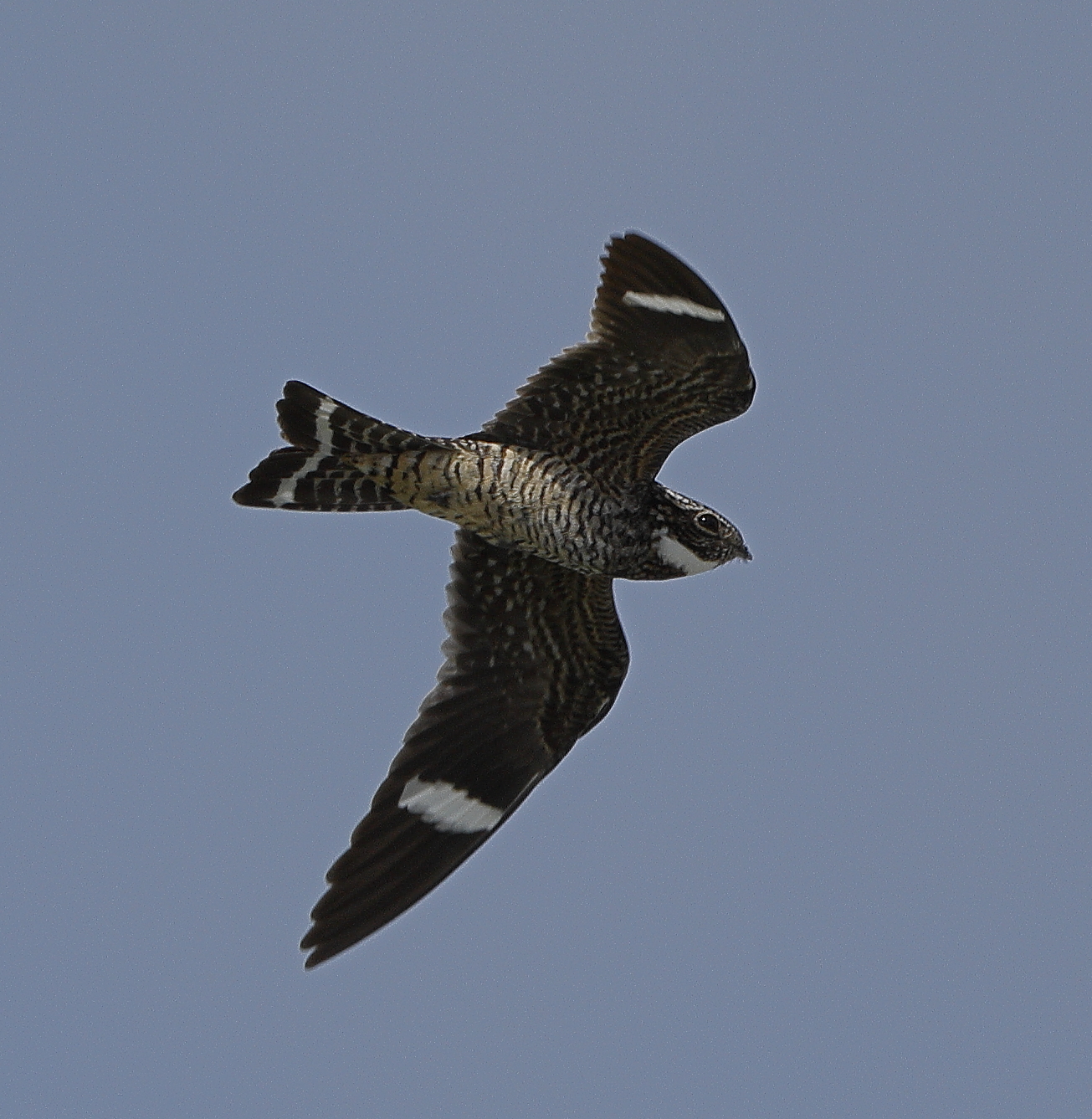
I have had little time for birding so far this year, so I took the opportunity to take some photos during a family vacation on Columbus Isle, a tiny island without a huge variety of bird life. The header image is of a bird from a family that I had never spotted before; they are usually nocturnal, but the Antillean nighthawks were very active where I was during the day, including, on one occasion, a huge flock of 40 to 50 birds hunting for insects for a couple of hours, including this one:

There were a couple of other new species for me, including this White-cheeked Pintail :

A least Grebe :

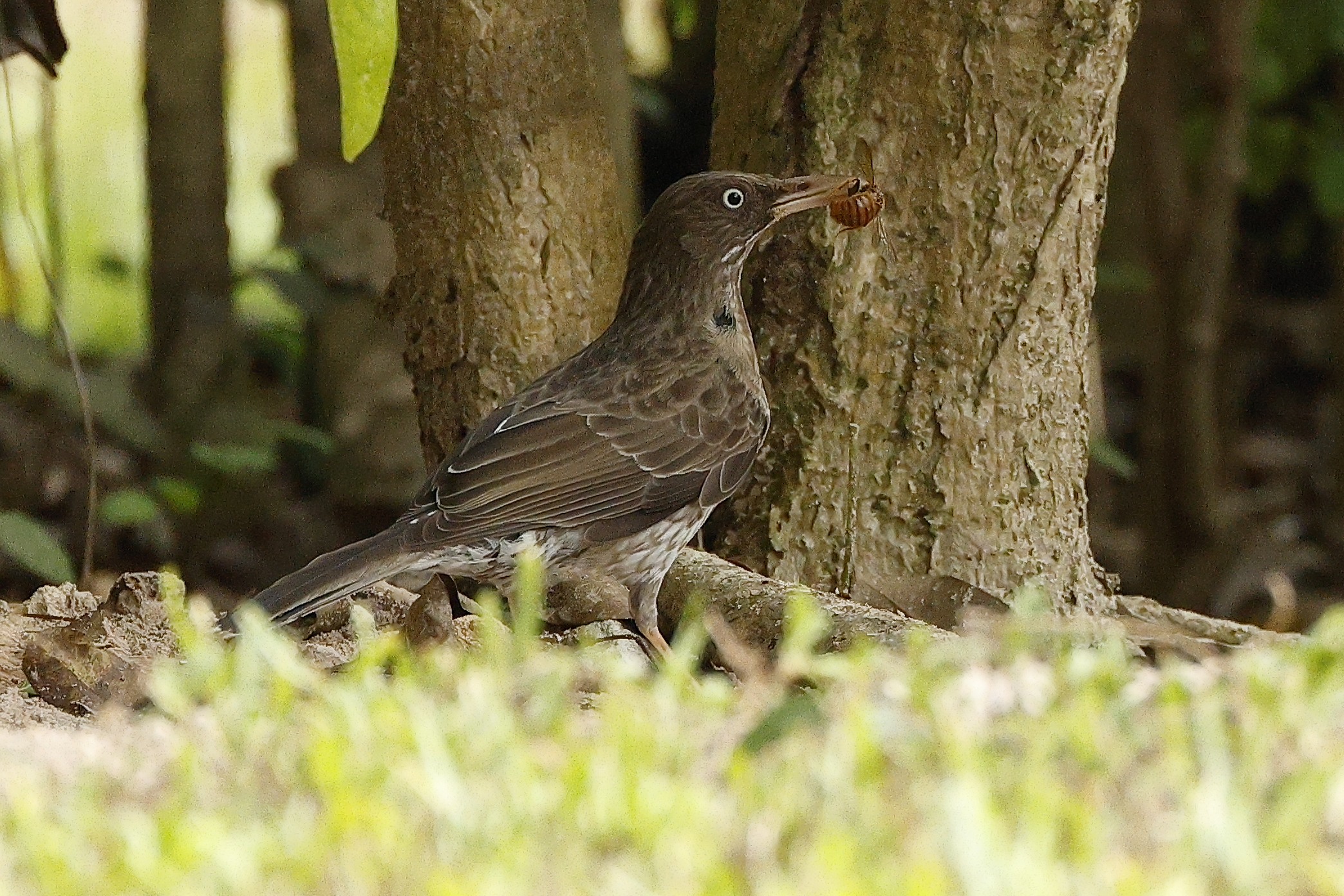
And a Pearly-eyed Thrasher :

There were many Yellow-crowned Night Herons, that were almost tame :

And I found this American Kestrel to be particularly beautiful

There are a few endemics in these Islands, Wikipedia lists 8, 2 of which are extinct, and none of which I saw. One species which is quite local, but also found on a few other Caribbean Islands, was this Bahama Mockingbird :

There were also many White-crowned Pigeons, which I had only ever before seen at a distance, so I was pleased to be able to get close enough to get some good photos:

The Dominican Republic

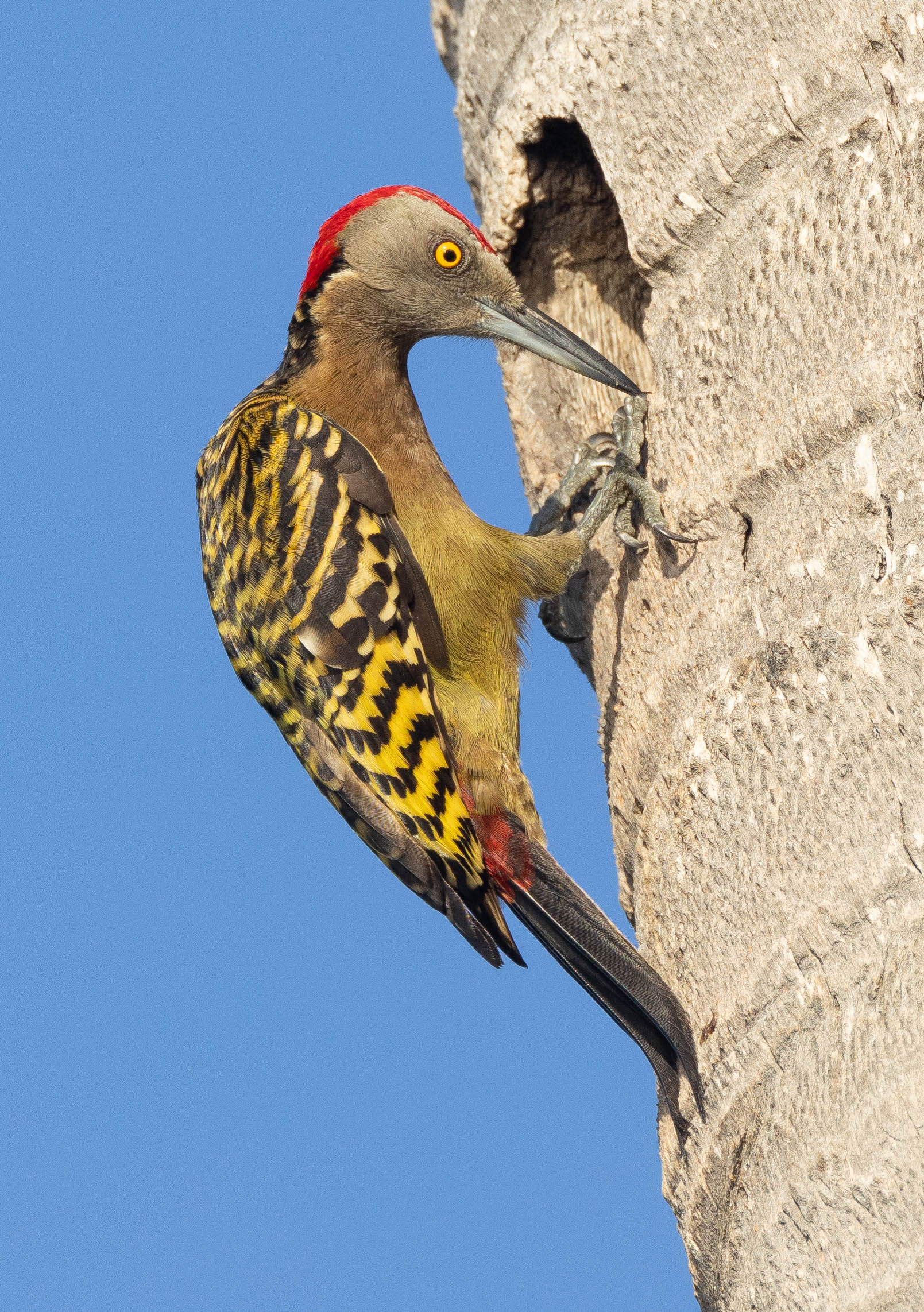
This was a family holiday in an all inclusive resort, which had a few native bird species on the property, including the endemic Hispaniolan Woodpecker below. Just before leaving I spotted the critically endangered Hawk, the Ridgway’s Hawk, which is the header image for this post.

Hispaniolan Woodpecker

There were many Palmchats, who build large communal nests.

Palmchat

I took the opportunity to have one day birding, which was actually not a success. The trip was advertised as being a 1 hour 45 minute drive from Punta Cana, where we were staying, to the Los Haitises National Park for a birding walk with a guide. It actually took nearly 4 hours to get there, and 3 hours to get back, for a 2 hour birding walk with a guide who had limited knowledge, and mis-identified some birds.

We did manage to see the following on the walk:

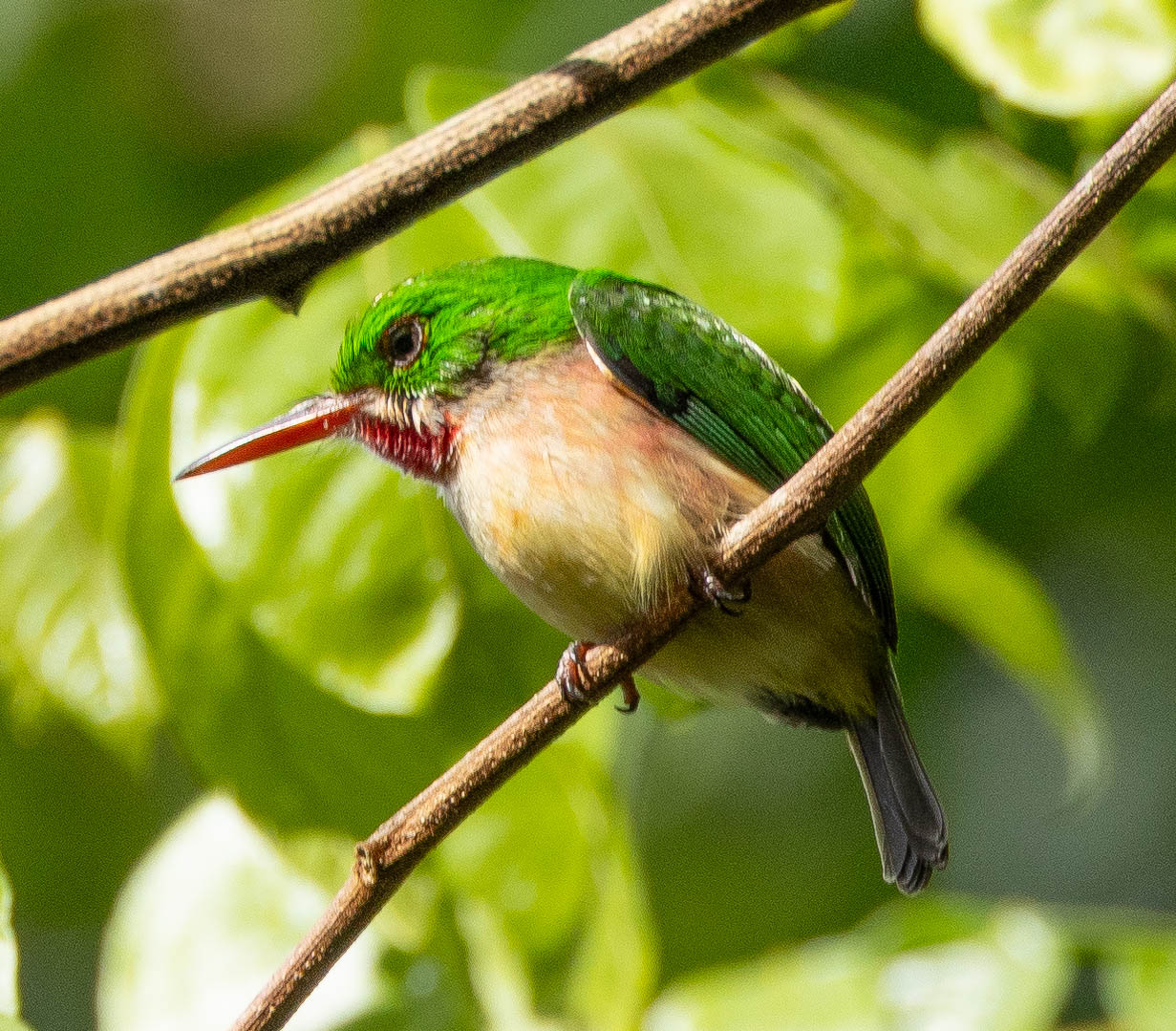
Broad-billed Tody
Yellow-faced Grassquit
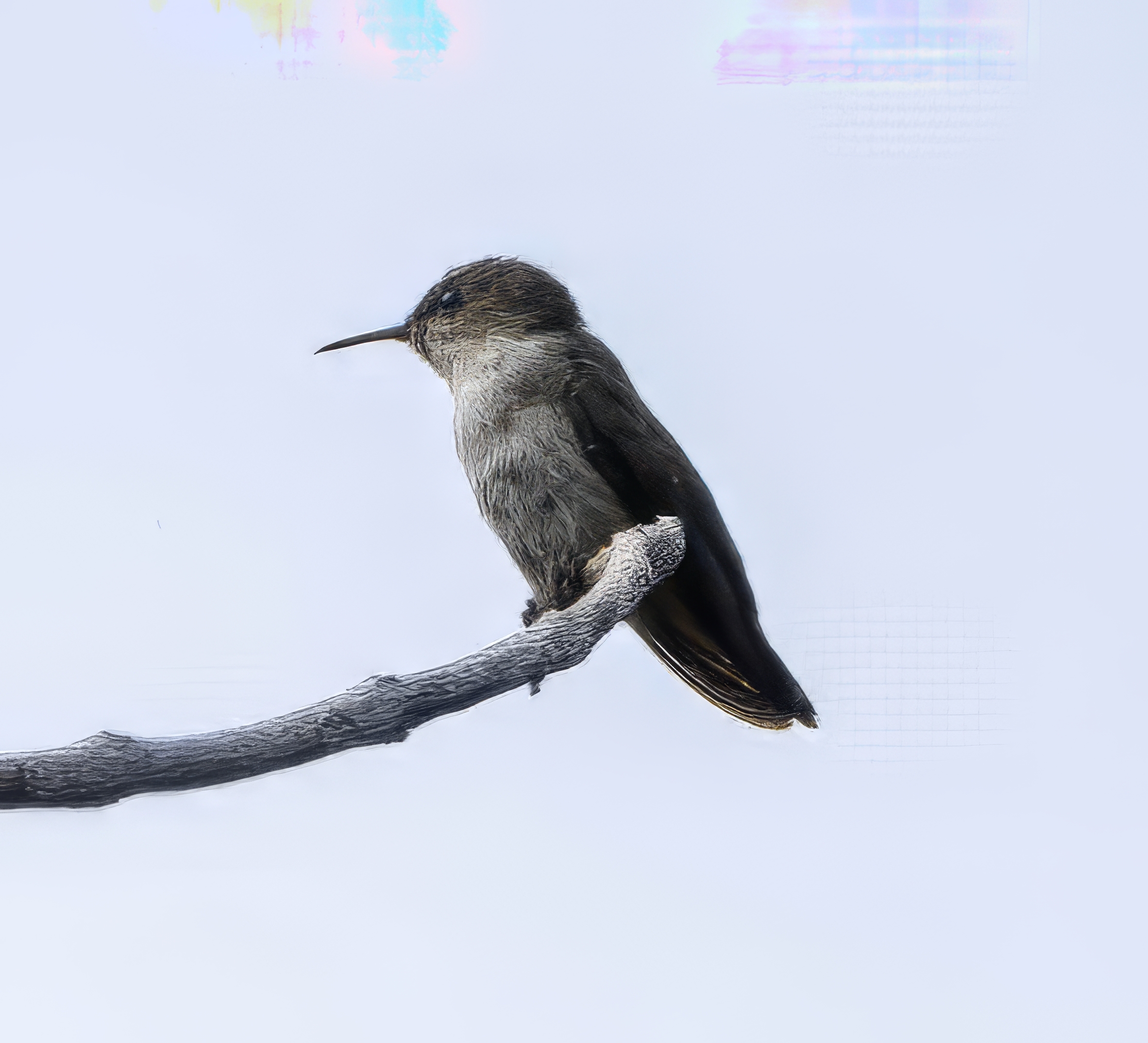
Verveine Hummingbird, the second smallest bird in the world!

Then we had a 1 hour boat ride to see a cave, travelling through the mangroves.

West Indian Whistling Ducks
Little Blue Herons, Adult and Immature (who is white!)
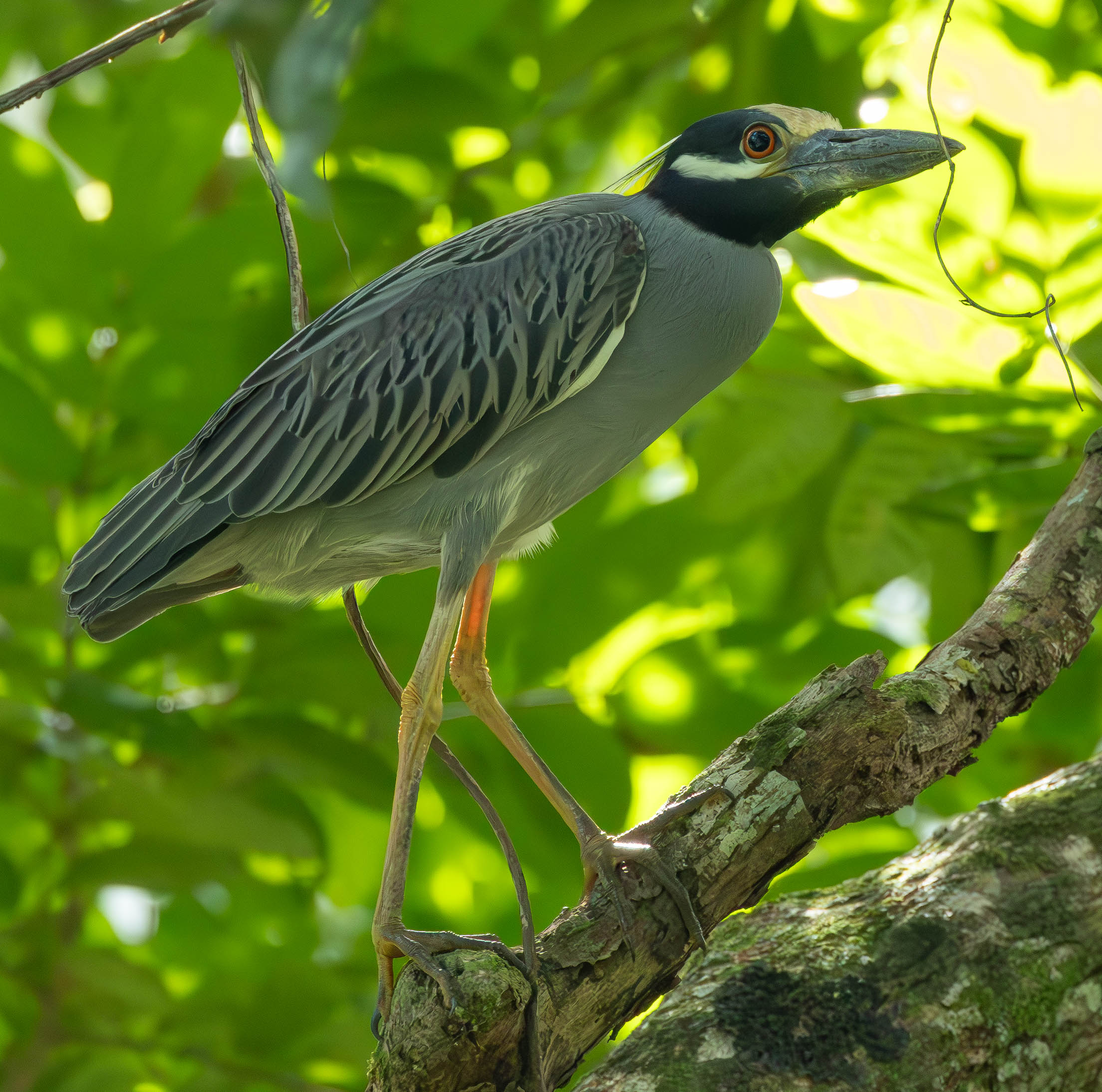
Yellow-crowned Night Heron

Back at the resort, there was a Kestrel frequently hunting on the property

American Kestrel

And many Ruddy Turnstones forming mixed flocks on the beach with Sanderlings

Ruddy Turnstones

The Ridgway’s Hawk was banded, as you can see, and probably came from “Reserva Ecologica Ojos Indigenas”, situated about 6 km away, and which has a rescue program.

Panama, day 6. Yaviza forest and wetlands.

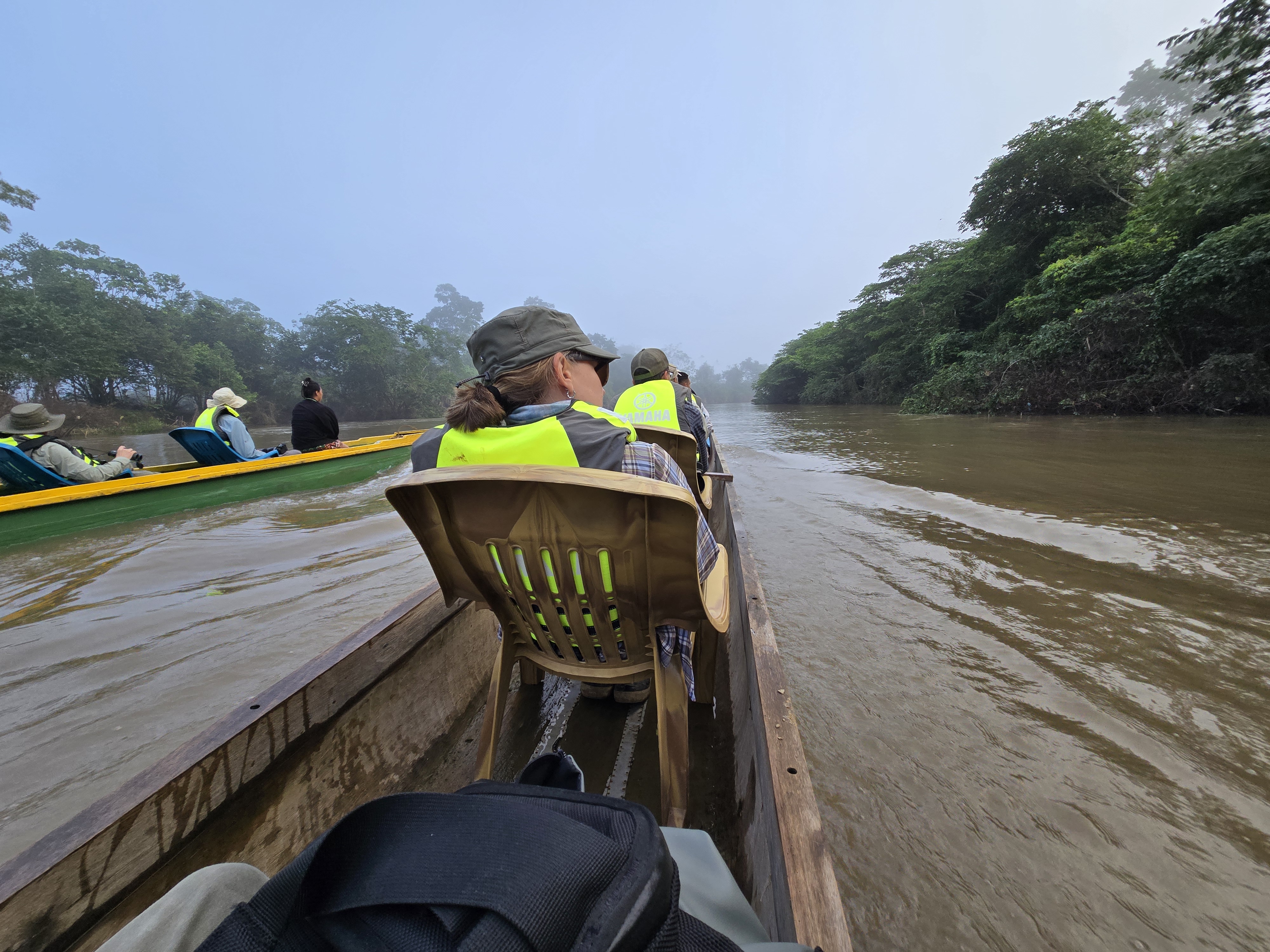
Another river trip, this time in smaller dug-out canoes (some were really dugouts, others looked similar but were made from separate pieces of wood). The seating was plastic garden chairs, with no attachments to the boat, we picked them up and moved them around in order to load the canoe. The tropical river, again the Chucunaque, was very calm, even when other boats passed in the other direction.
Most of them carried locals, who use the river as the main highway. In addition there were many canoes which were packed with adults wearing life-jackets, immigrant/refugees who had been processed further downstream, and were being transported for further processing. Apparently many of them were from Haiti, and in the short time we were on the river there were probably a couple of hundred. Probably thousands a day are arriving, on just one river.

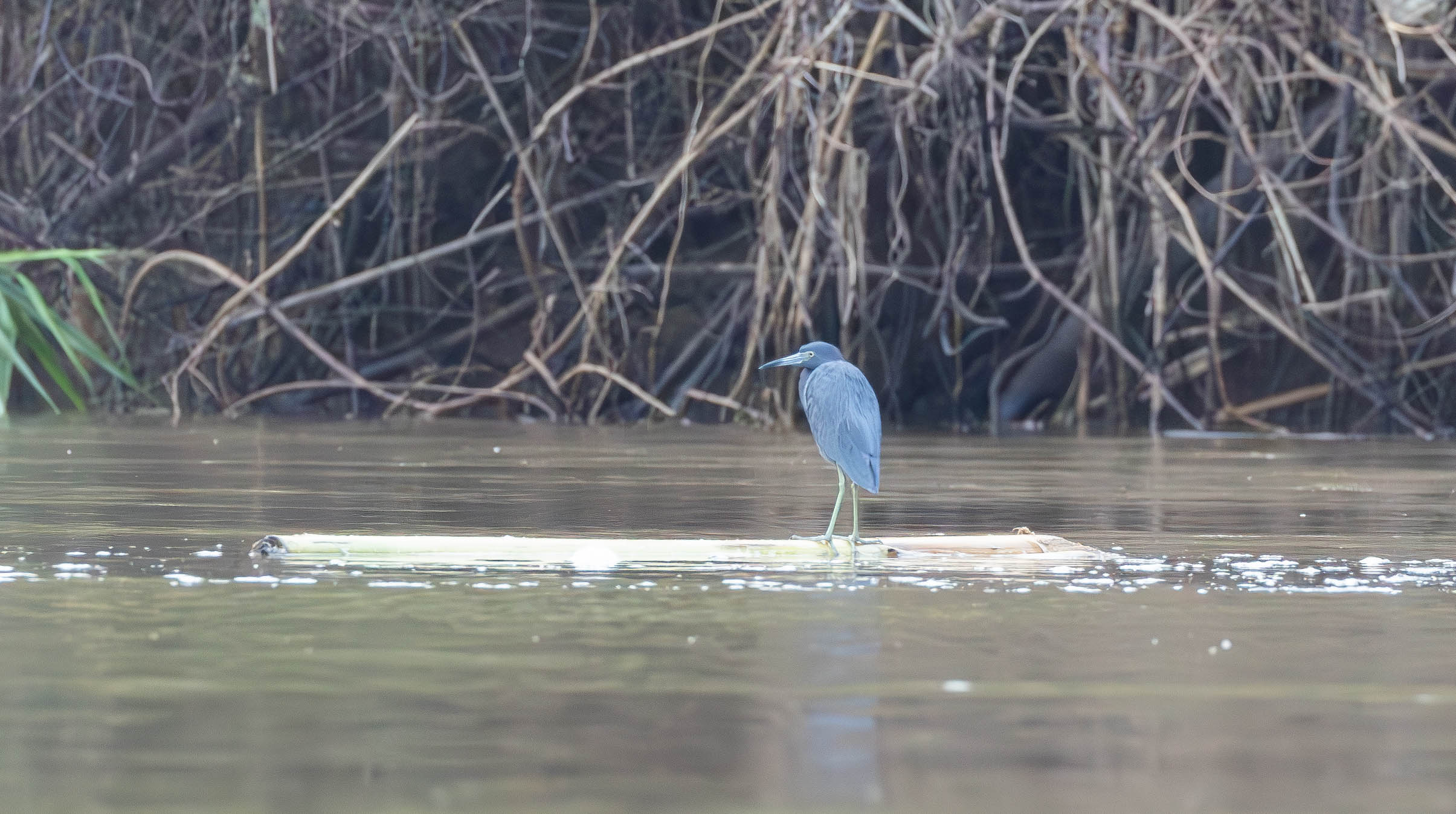
This innovative Little Blue Heron was using a floating log as his transport.

Little Blue Heron
Mangrove Swallows
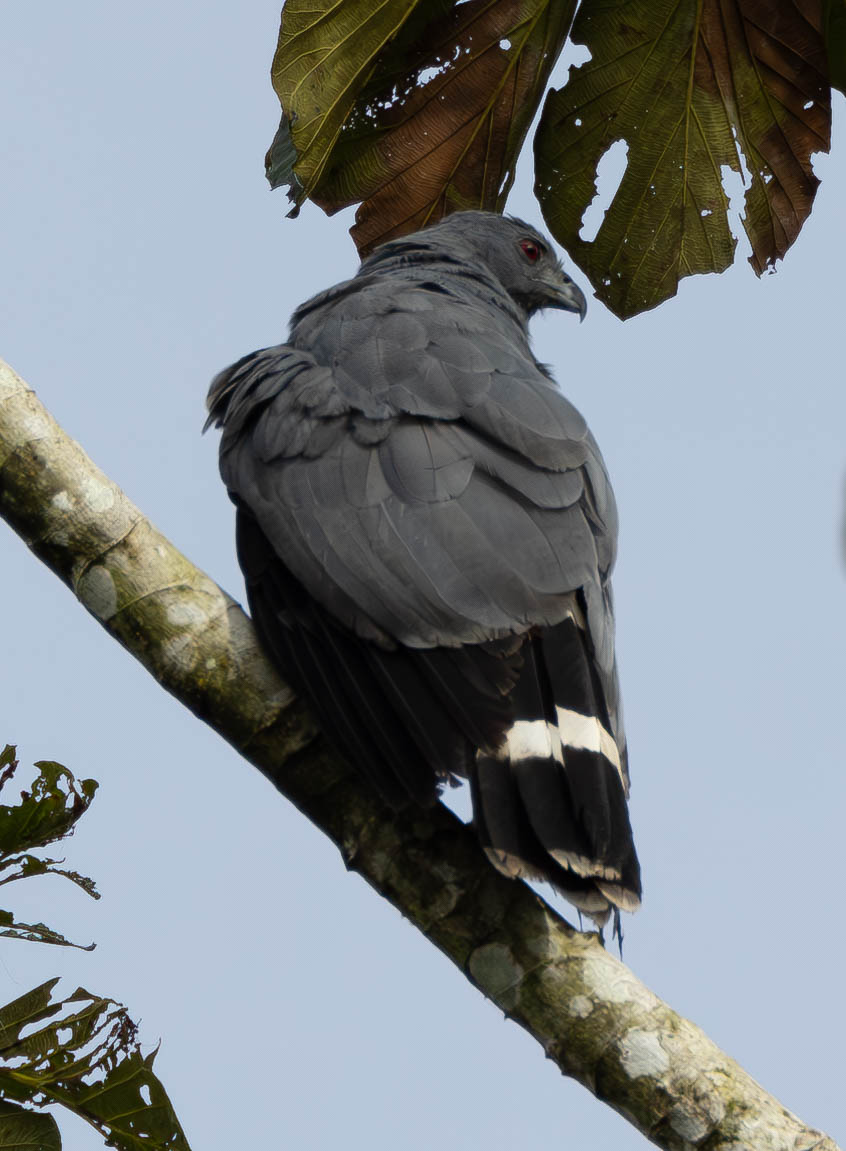
Crane Hawk
Three-toed Sloth, aka Brown-throated Sloth

The first stop on the journey was to a site where the scarce Dusky-backed Jacamar had been seen. Expecting to have to search for a while, we disembarked and prepared for a walk, but the bird was waiting for us about 10 m from the landing spot!
Dusky-backed Jacamar

Then over to a village of the Embera People, Nuevo Vigia, and a walk to an Ox-bow lake.
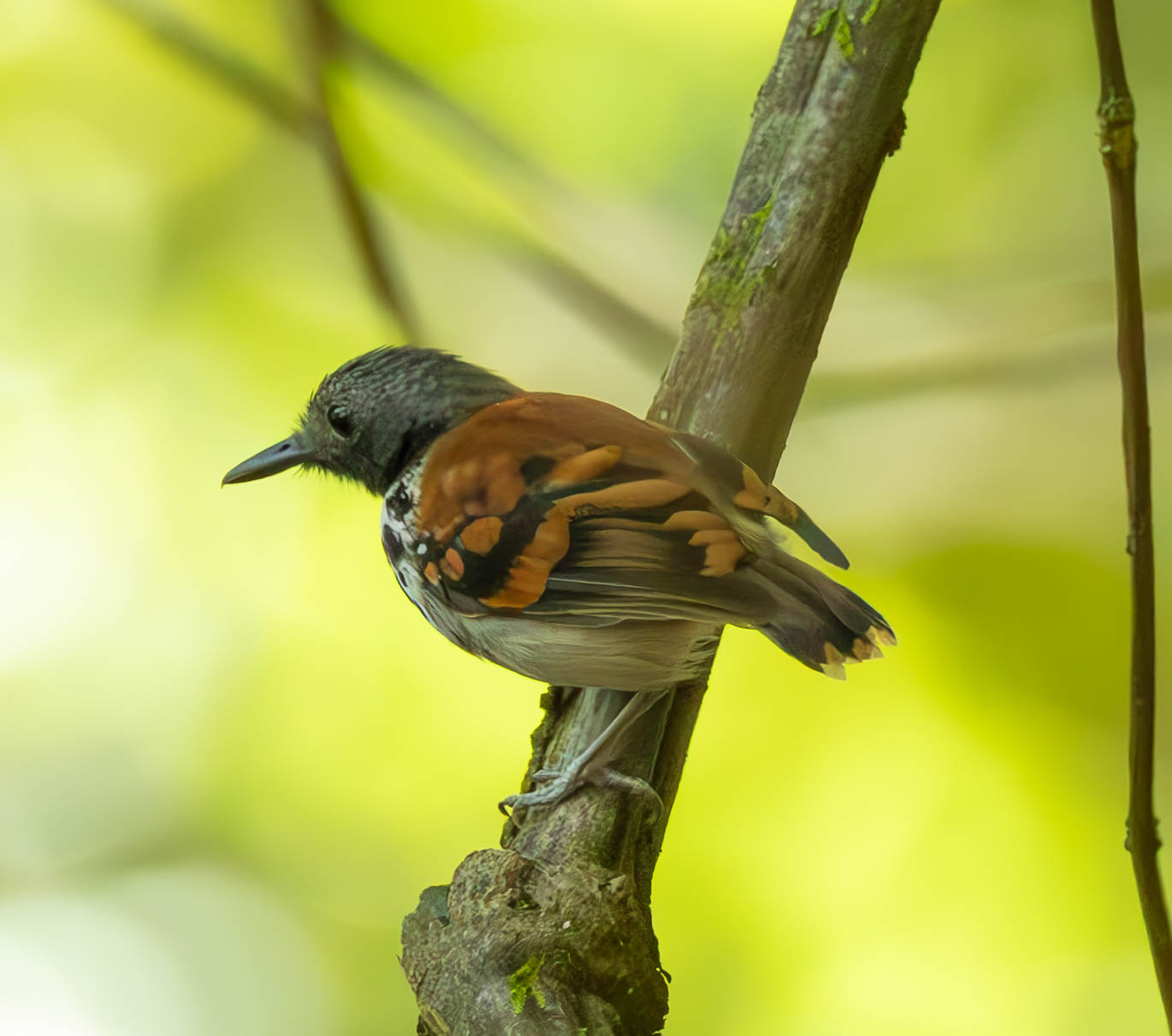
Spotted Antbird
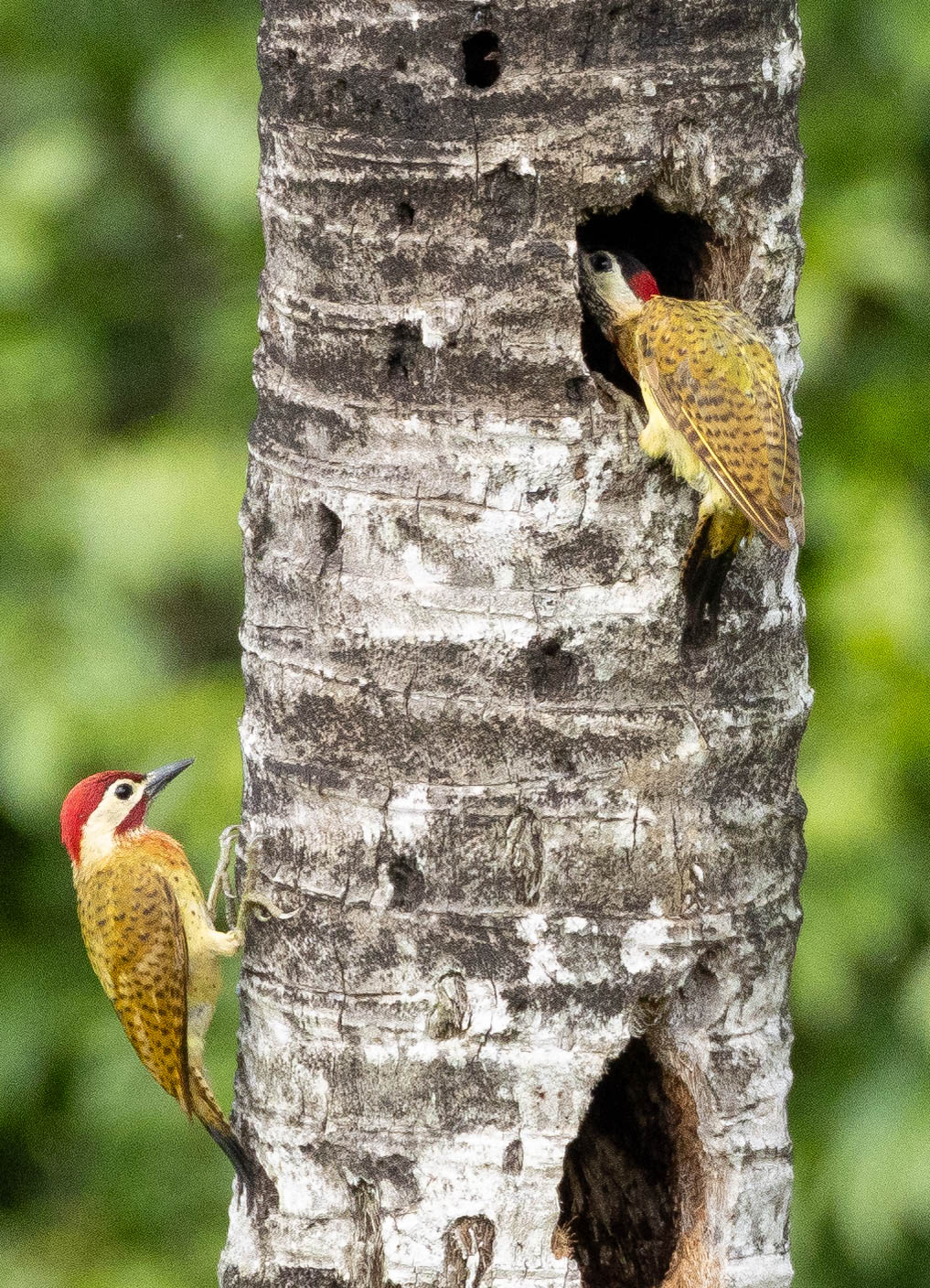
Spot-breasted Woodpeckers, m&f.

And at the oxbow lake, several new species

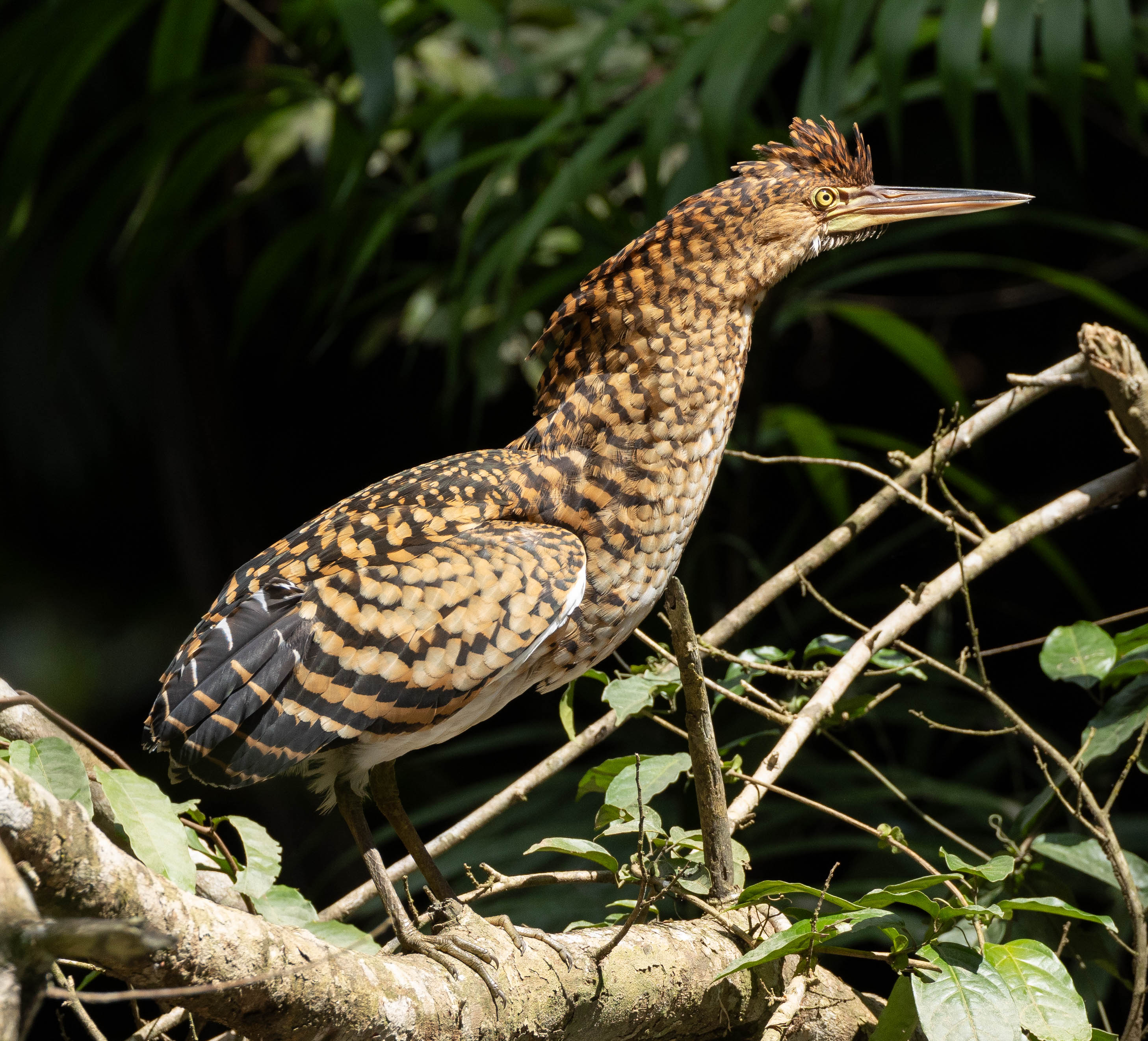
Rufescent Tiger-Heron
Spectacled Cayman
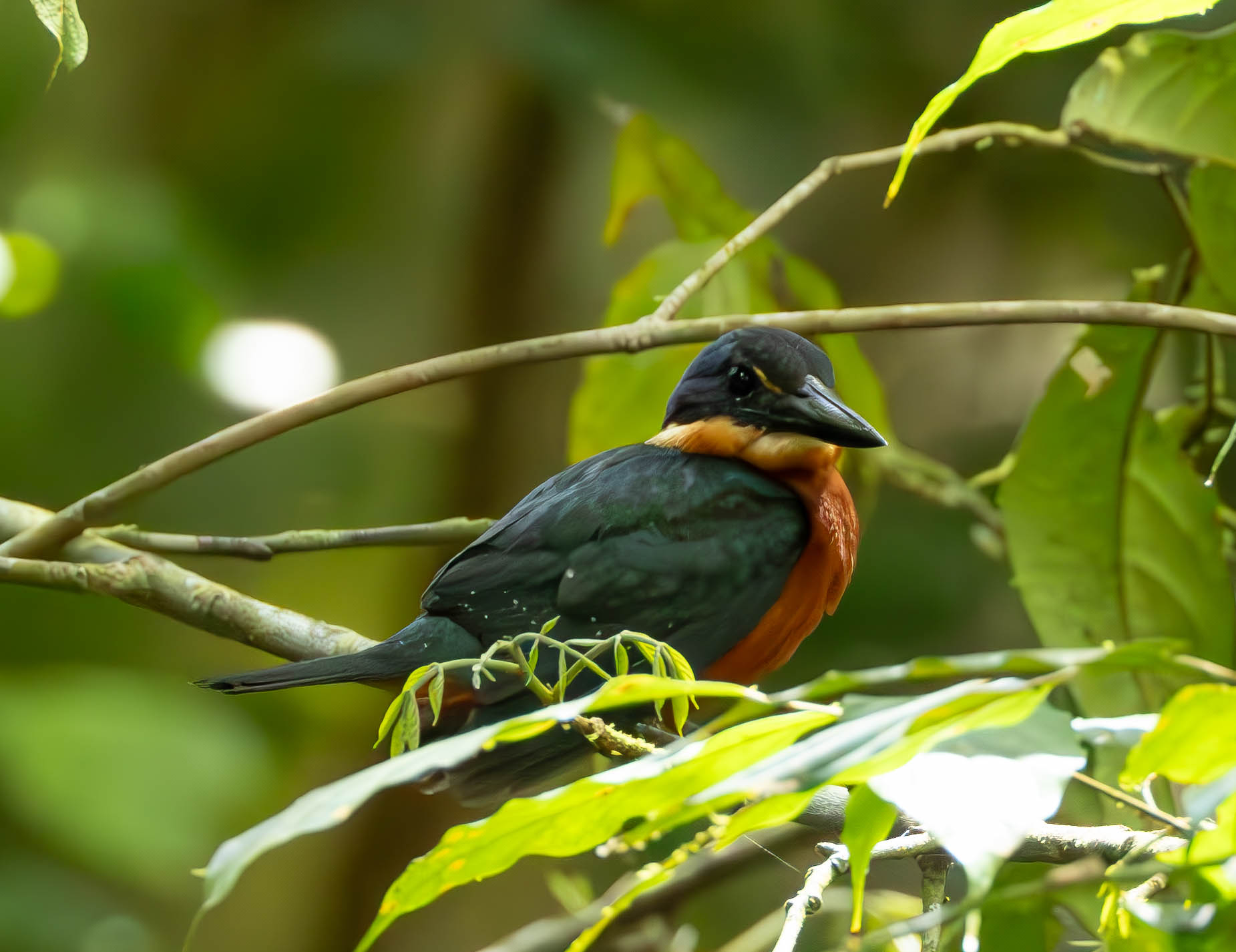
Green-and-Rufous Kingfisher
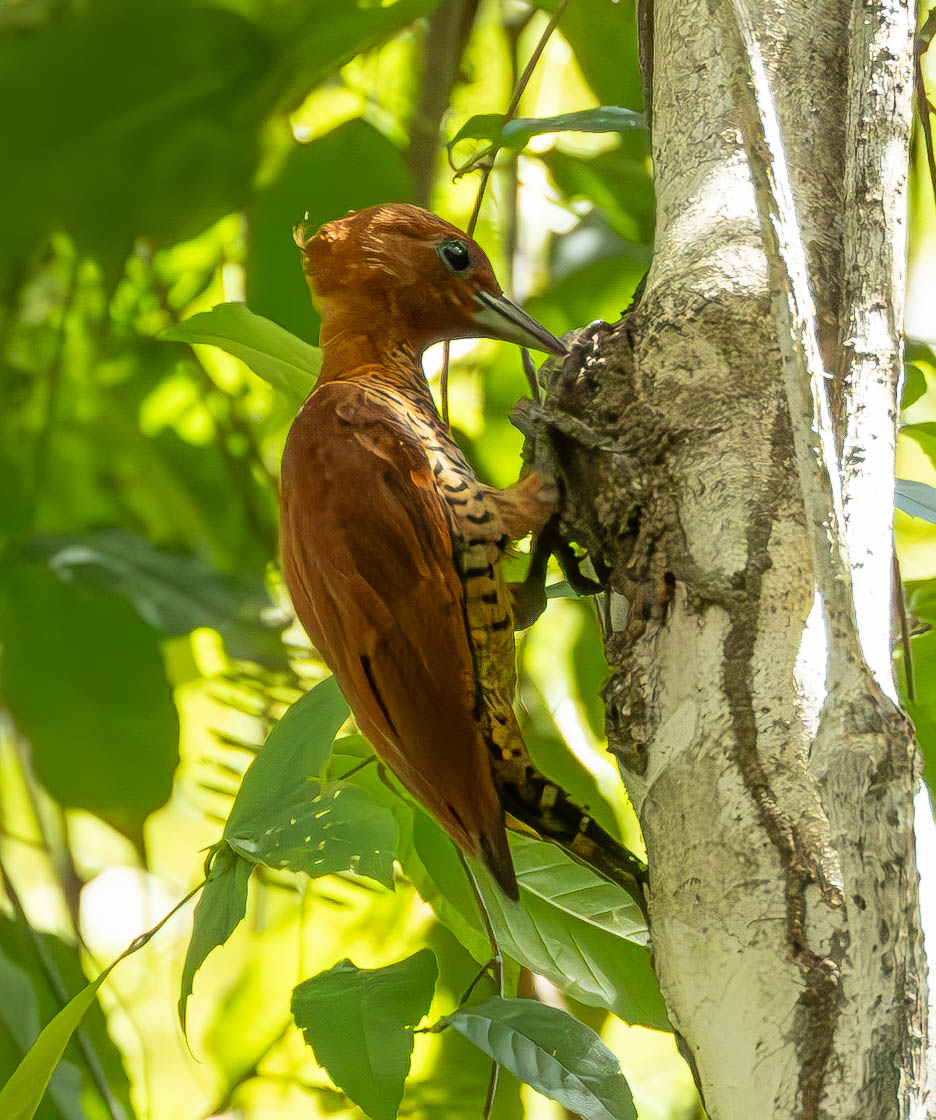
Cinnamon Woodpecker
Boat-billed Heron

Back to the village for lunch and a view of the “cutest” of all the birds we saw, the diminutive Spectacled Parrotlet, only 12 cm long from head to the end of the stumpy tail.

Spectacled Parrotlet, m&f

Blog at WordPress.com.

Up ↑