Costa Rica days 9, 10, 11.

We had organised some accommodation which was very different to the way it was advertised, our first and only disappointment of the trip. We therefore had to change plans at the last moment, and moved into a large resort hotel, before moving though, we were close to the amazing Uvita national park and spent several hours exploring.
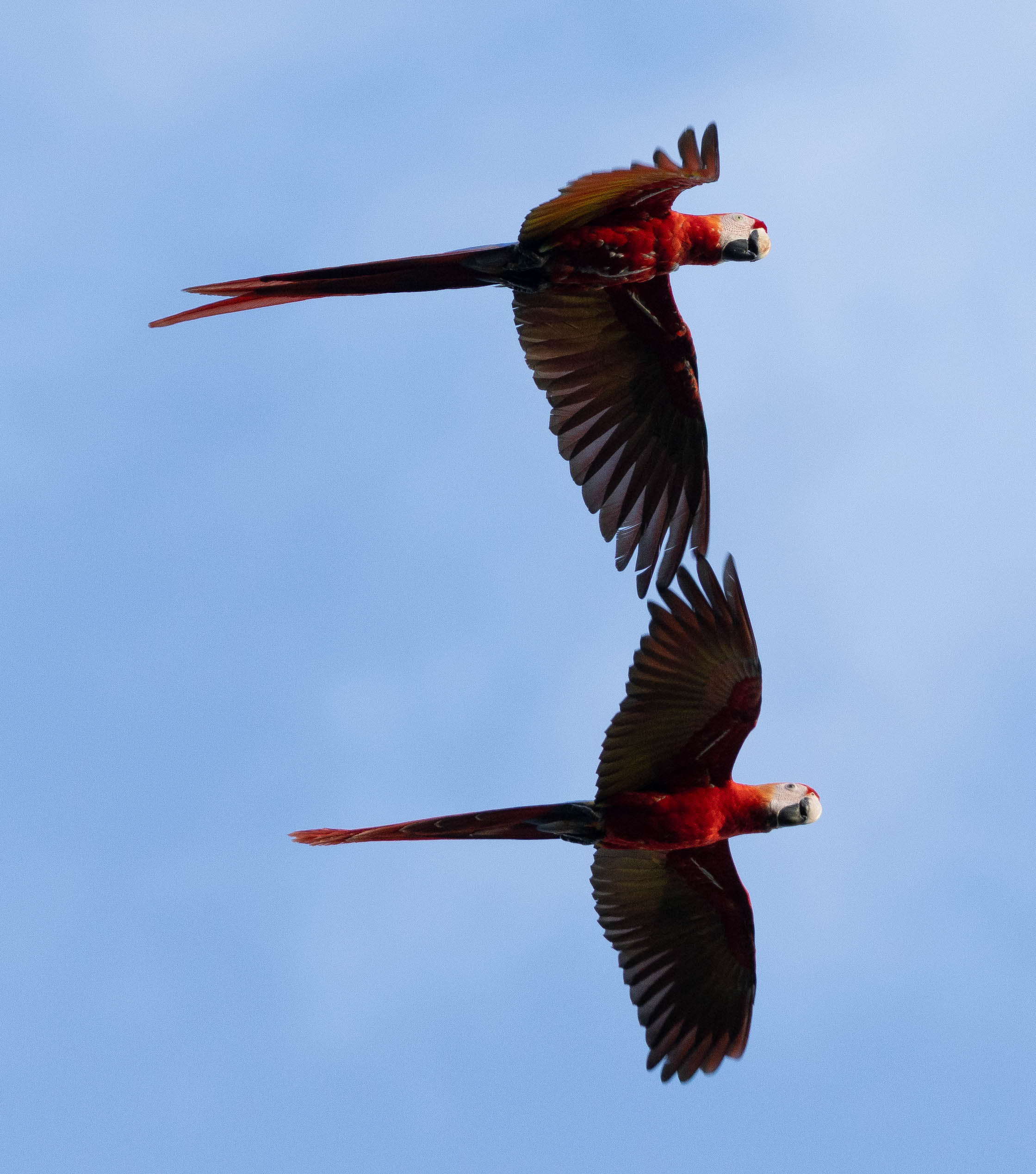
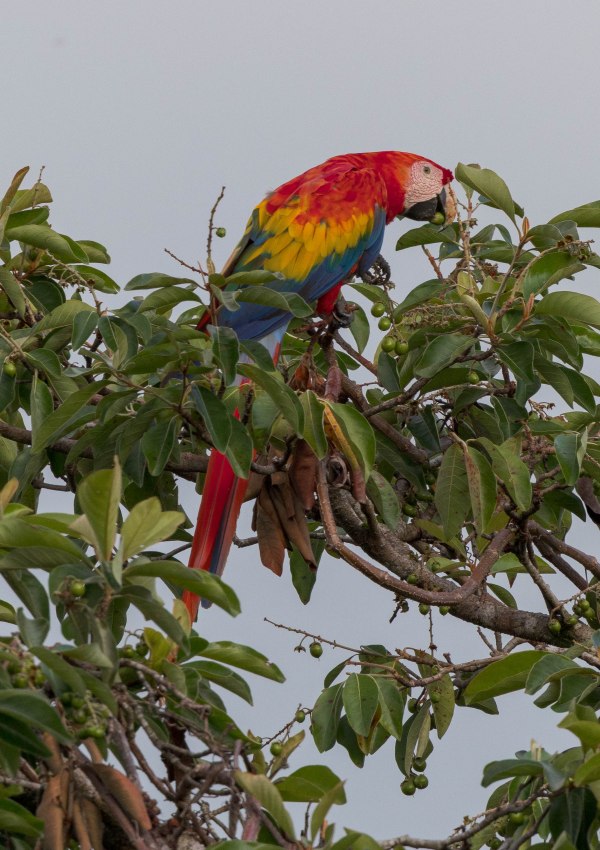
The Scarlet Macaw was critically endangered in the past, but with several initiatives, and legal protection, they have become locally quite common. Macaws are actually terrible pets, they are noisy and resist training and do not live long in captivity. In the wild they are a remarkable sight, often noisily flying in pairs to roost in the evening.

At the Uvita national park they often eat in the Beach Almond trees, discarding the coating of the nuts.

Scarlet Macaw.
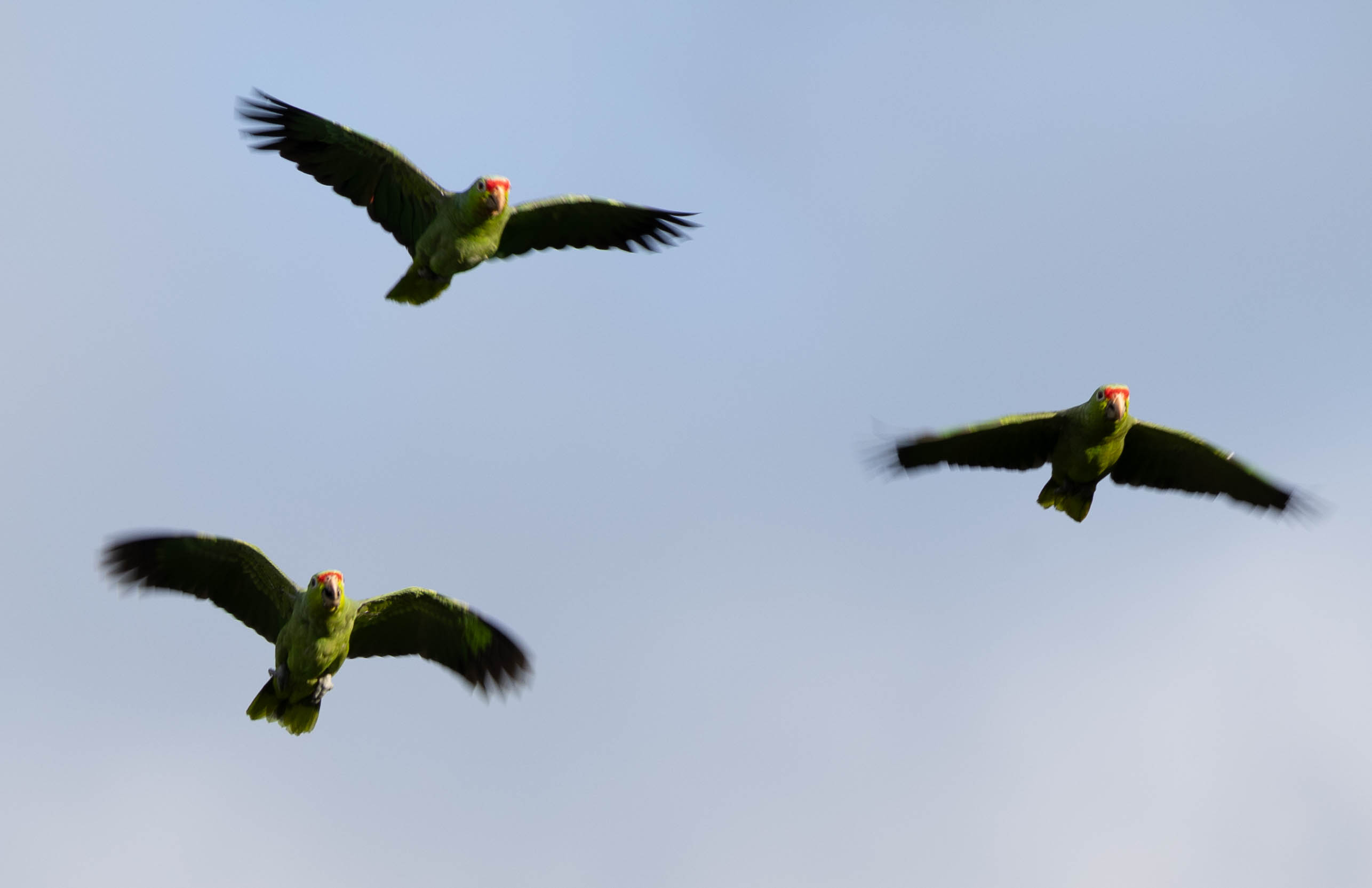
The Red-lored Amazons also fly, noisily, in large numbers in the evening to their roosting spots.
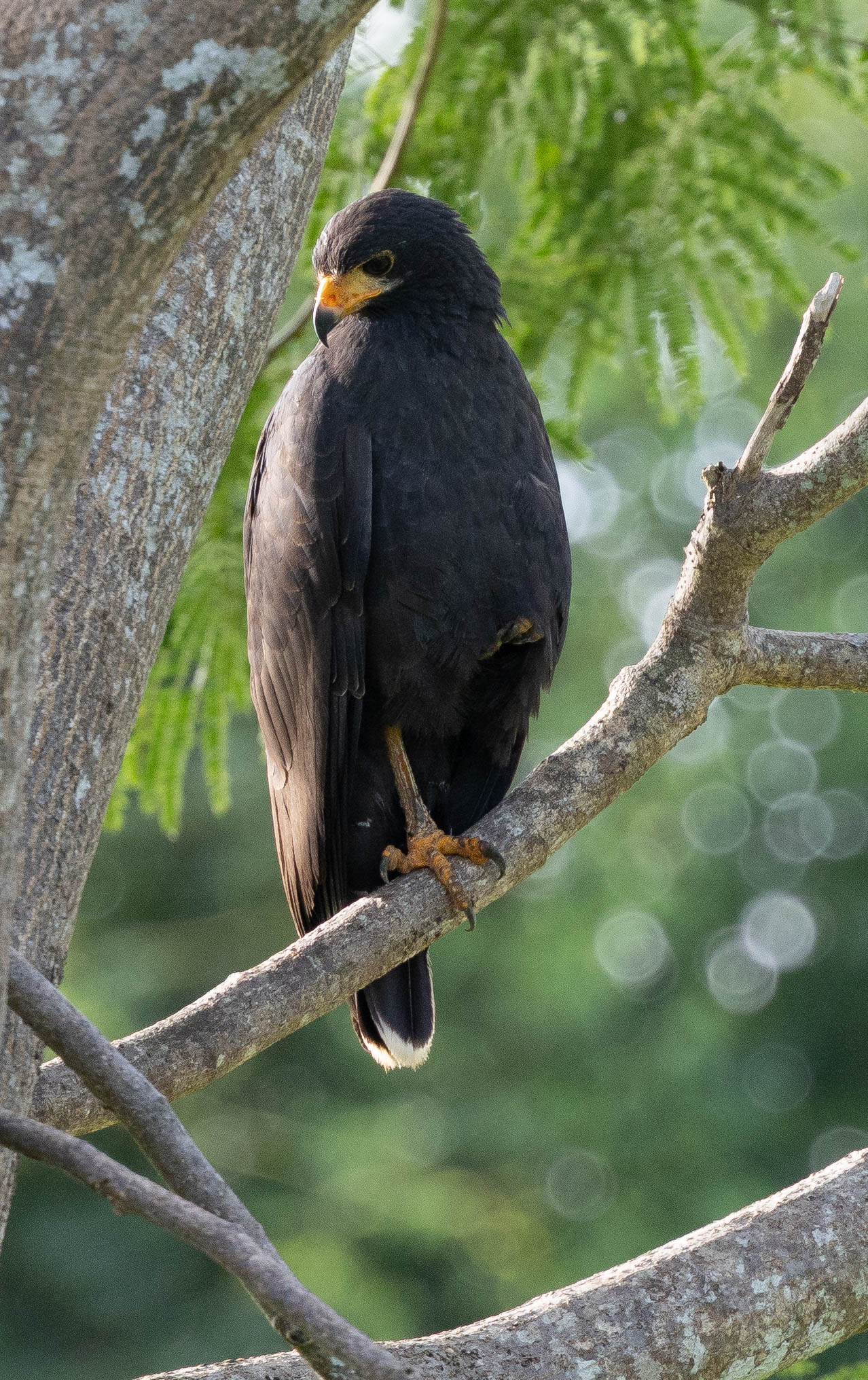
This adult Black Hawk brought his youngster a crab to eat
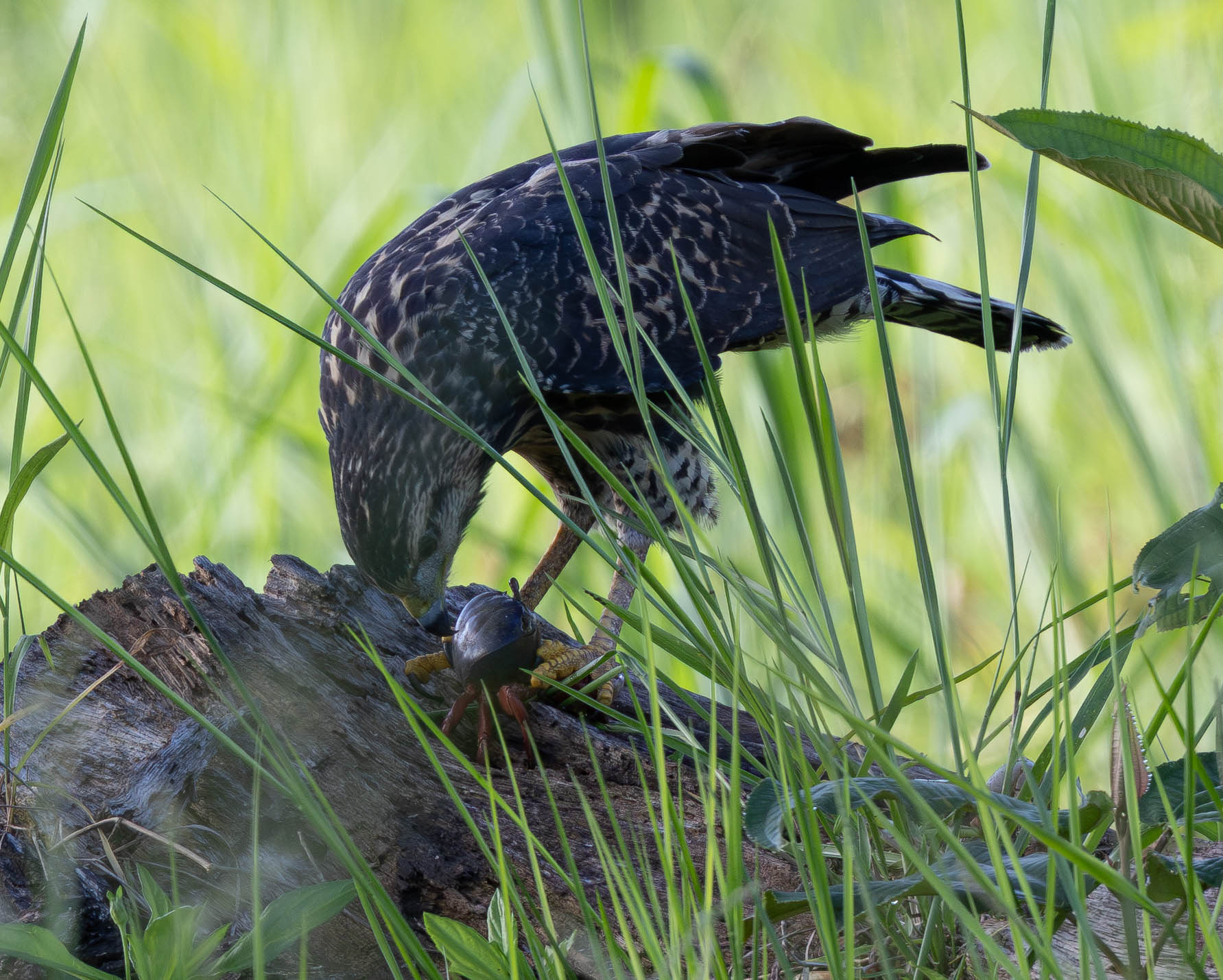
Juvenile Black Hawk eating crab
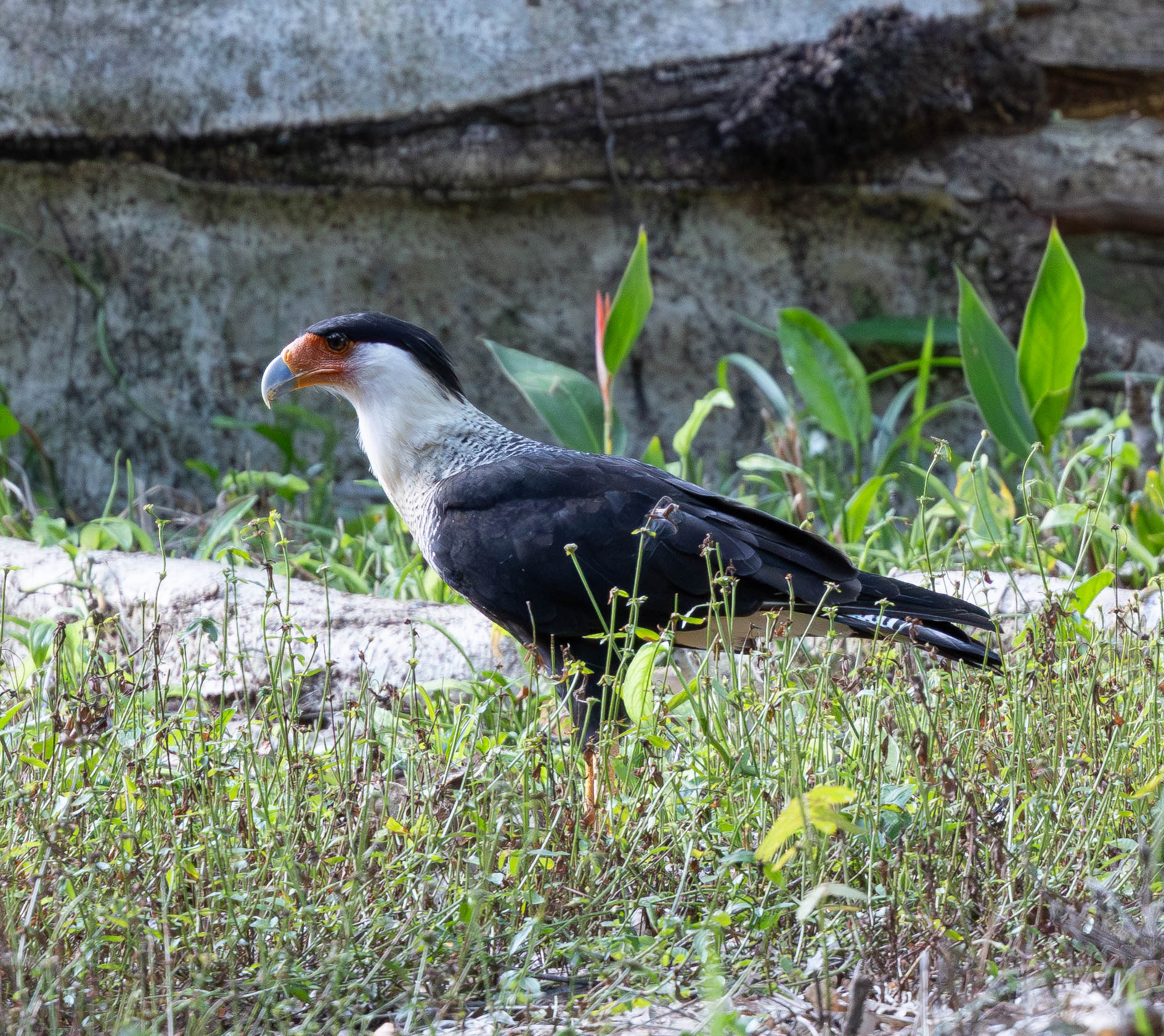
Adult Crested Caracara
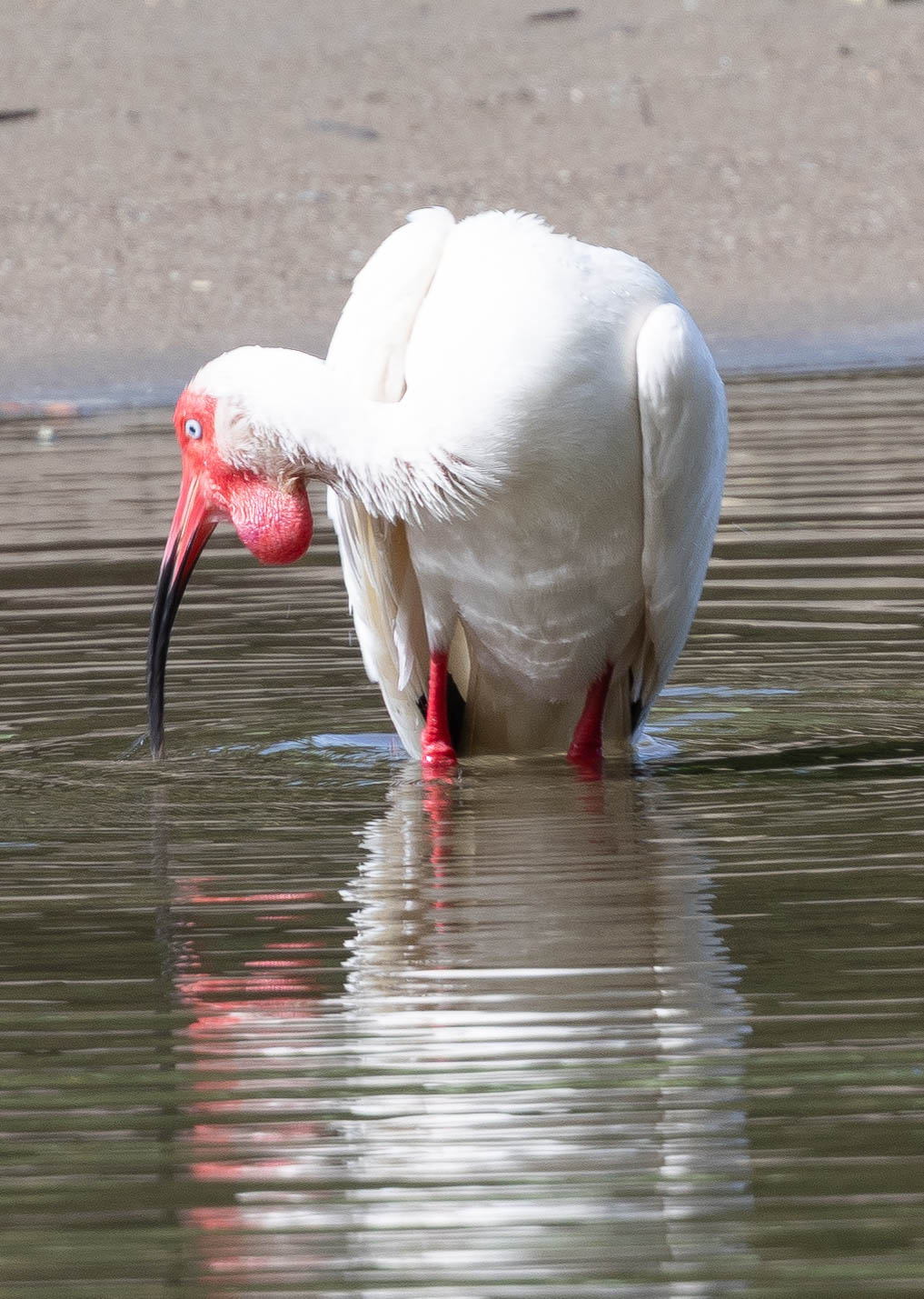
The White Ibis was fairly common here, this one has the Gular Sack that develops in breeding season.

We ended up moving to a resort called “Si como no”, which is a phrase which means, sort of, “Yes, why not?”. Apparently the Spanish invaders said this so frequently in the first years of the colonisation, that the locals called them SiComoNo. The resort and the location of this site is great, and we had many feathered visitors, including these Orange-chinned Parakeets.
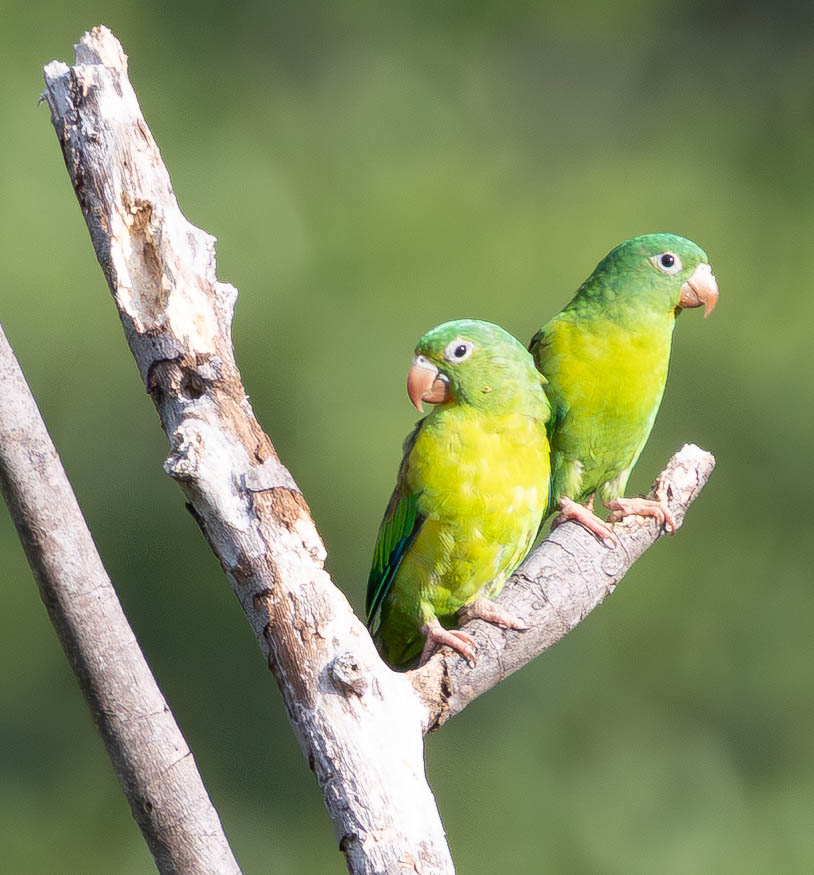
Orange-chinned Parakeets
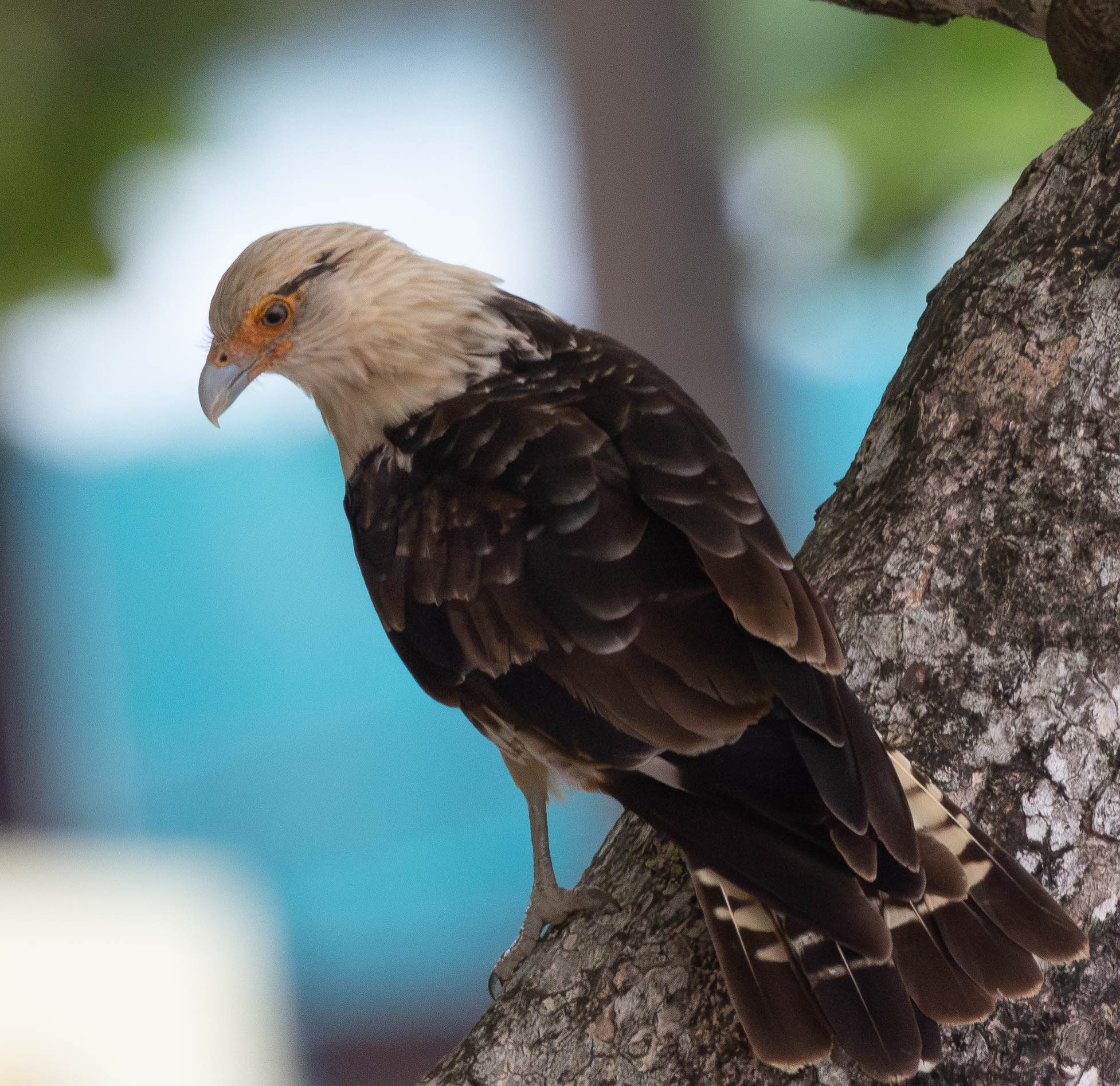
Yellow-headed Caracara
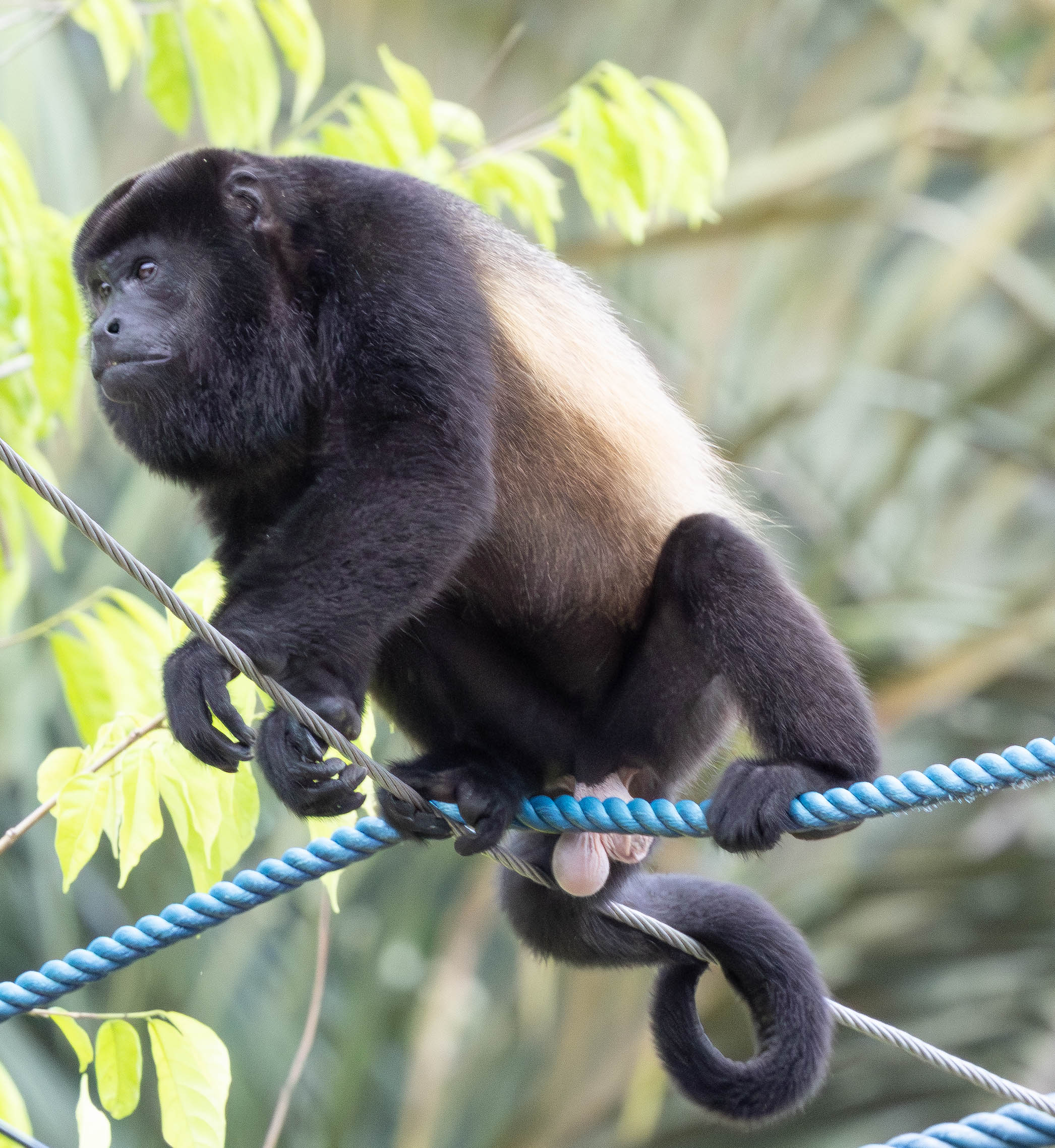
Mantled Howler Monkey. I think probably a male?
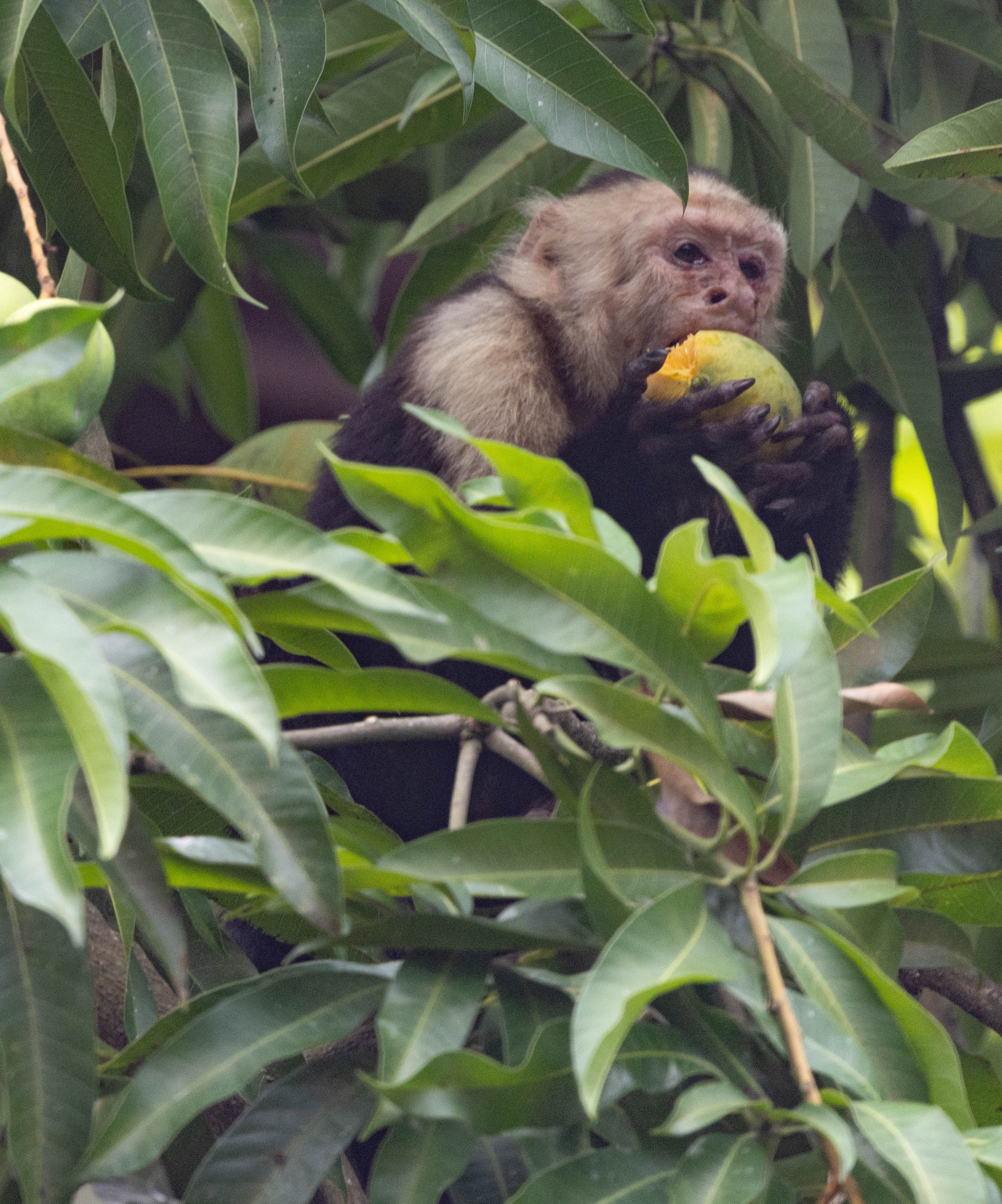
White-faced Capuchin eating a mango.
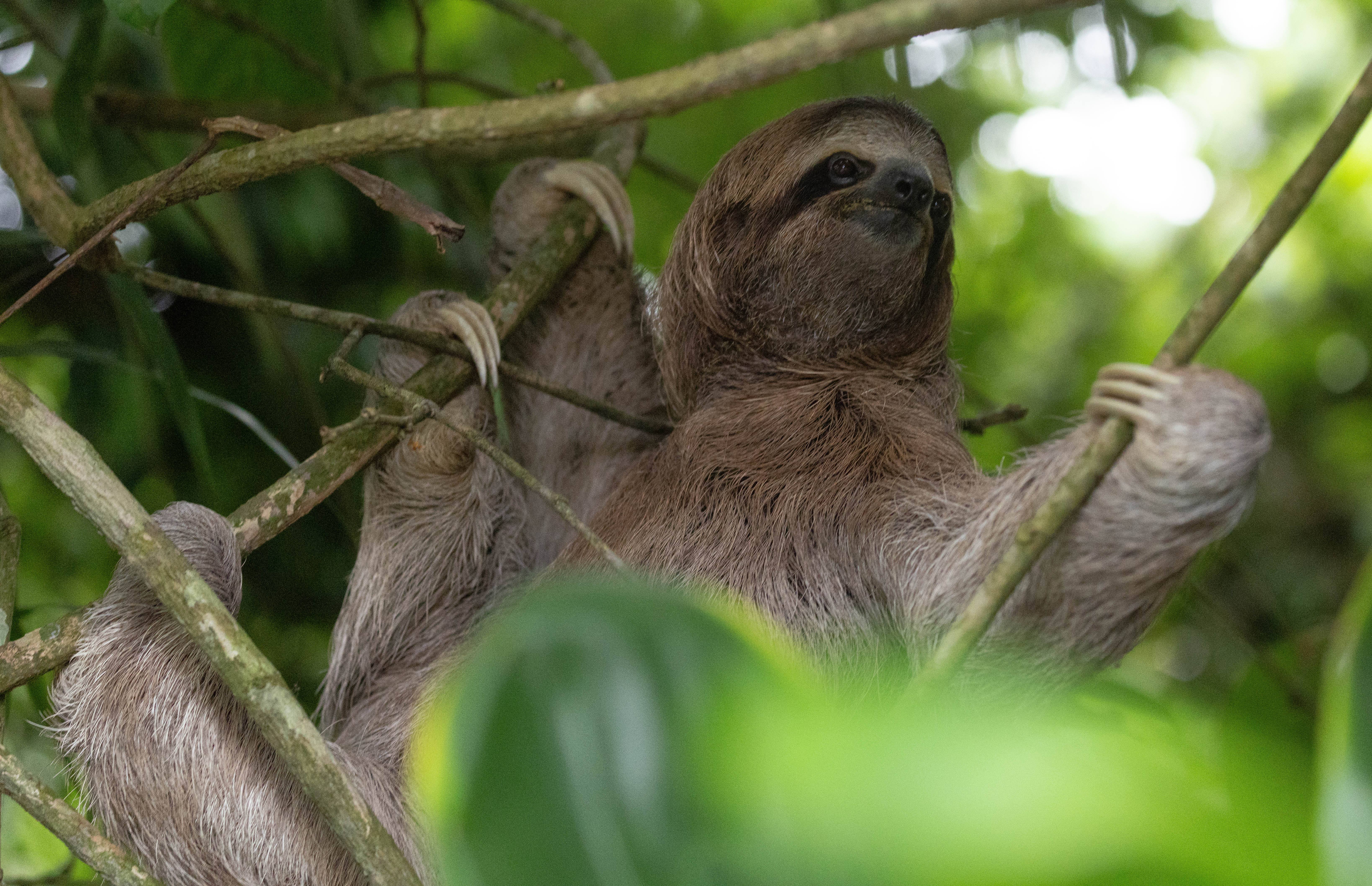
Three-toed Sloth
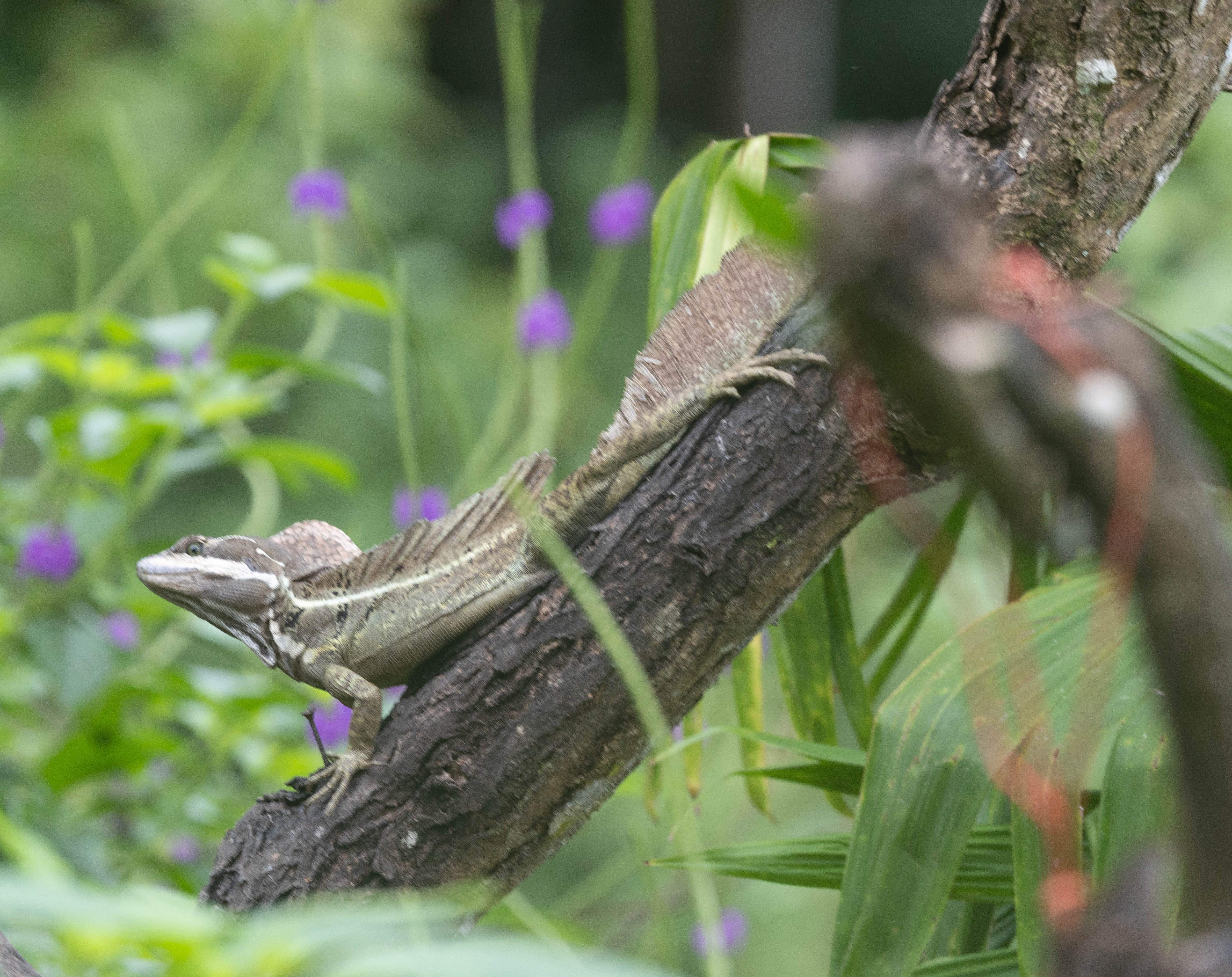
Common Basilisk, a lizard
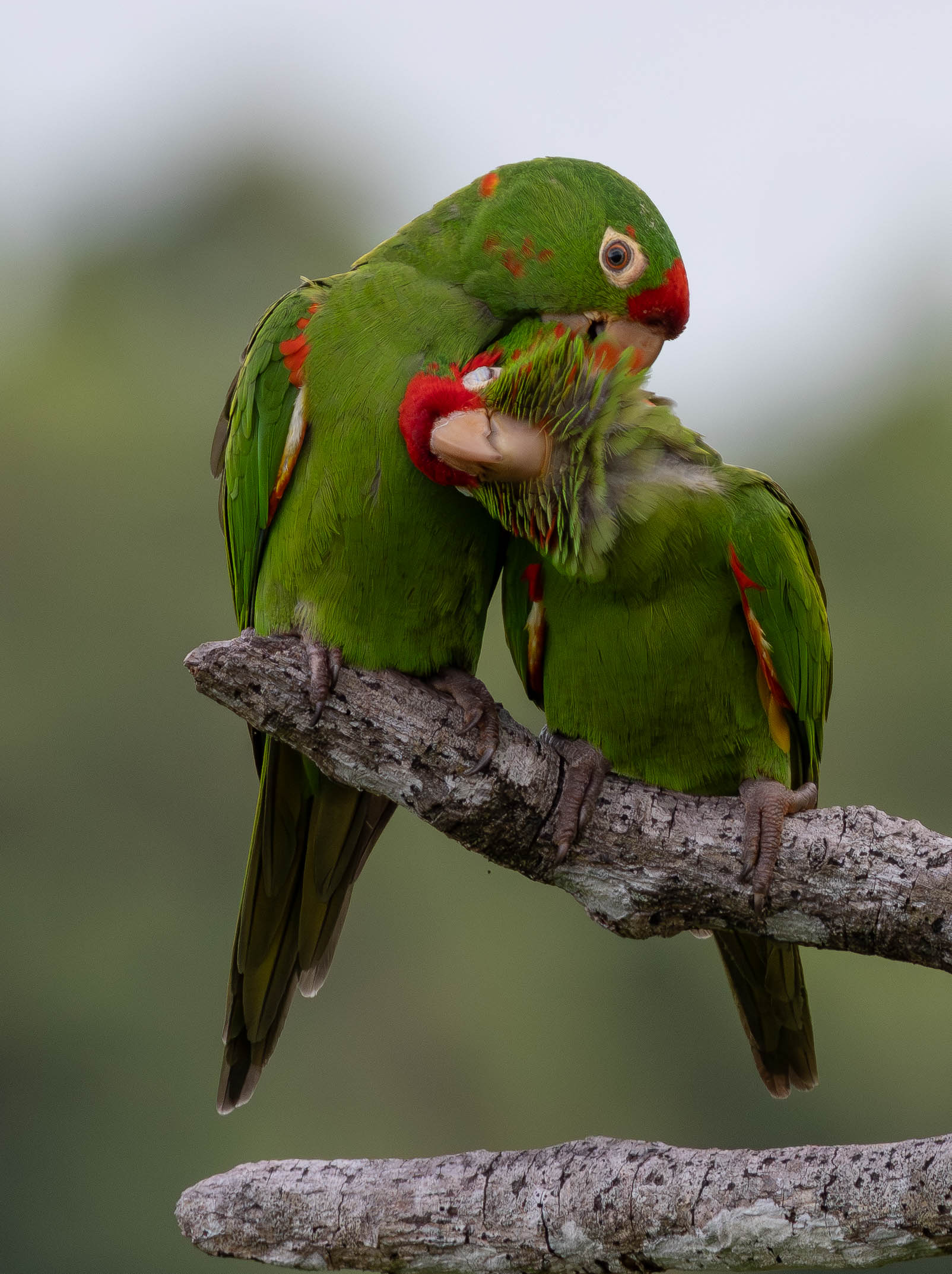
A moment of tenderness. Two Crimson-fronted Parakeets.
We loved this place, Si Como No, which was constructed to be close to the Manuel Antonio National Park. Unfortunately that park is so crowded with visitors that it has become really limited. Although it was the only place we saw an Anteater, that was because there are hundreds of guides, looking for wildlife, and many thousands of visitors. It is indeed beautiful, but many other national parks are better places to visit with a good guide, and much less crowded.
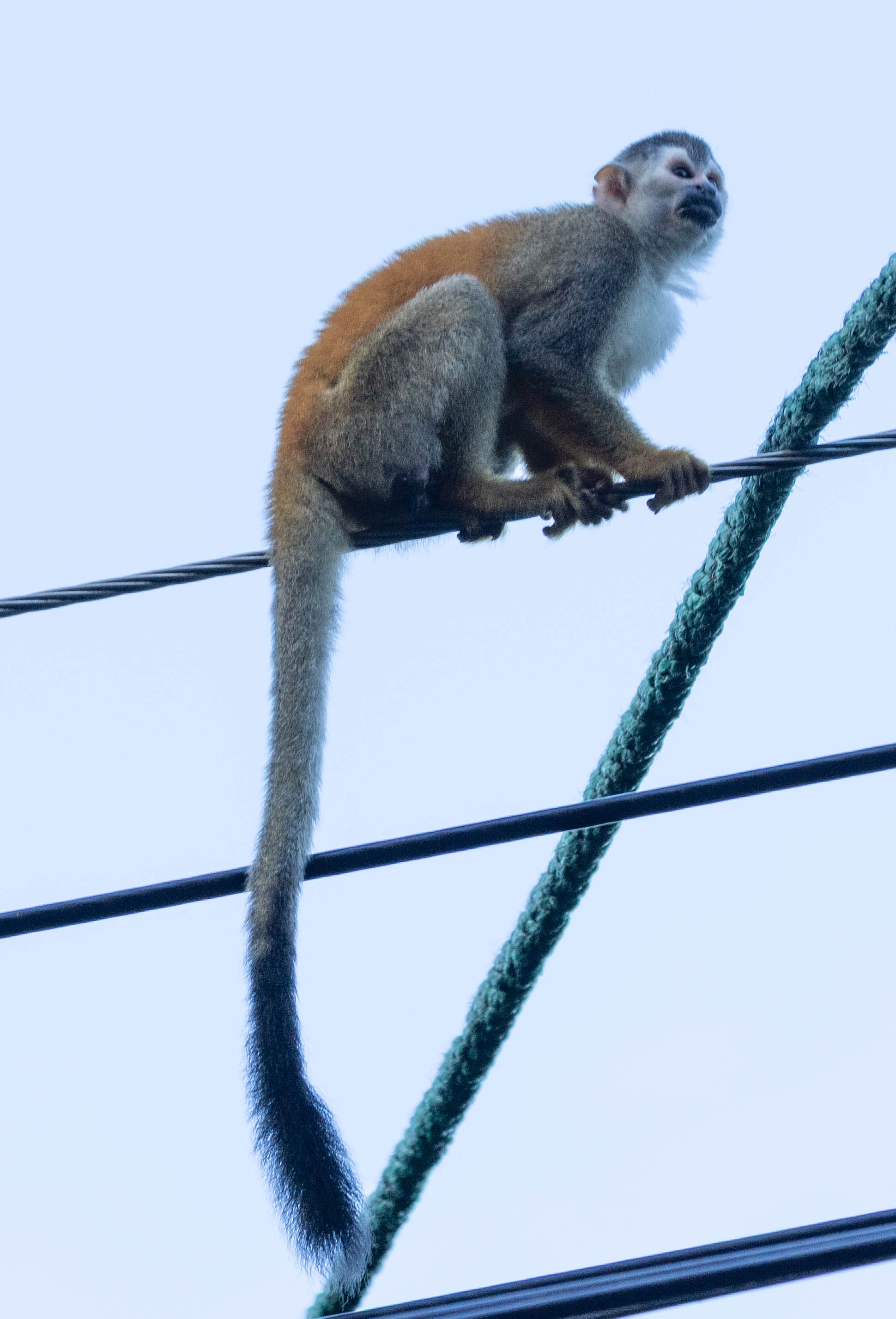

It was also the only place I saw Squirrel Monkeys, like this one, right outside the hotel.
Costa Rica. Day 1

I was very fortunate that we decided to take our family vacation to Costa Rica this year. The first week was just Annie and me, and we were helped enormously in organising everything by Rey Vargas (afriendnincostarica.com). He was extremely knowledgeable, has many contacts around the country, did all the driving (which is often said to be a big problem in this country), and, as an extra, is an enthusiastic and knowledgeable birder. He is also great company. The first place we went to was La Paz Waterfall gardens, a little north of San José, we arrived there after dark the first night, and stayed in the Peace Lodge associated with the gardens, wildlife park and rescue centre.

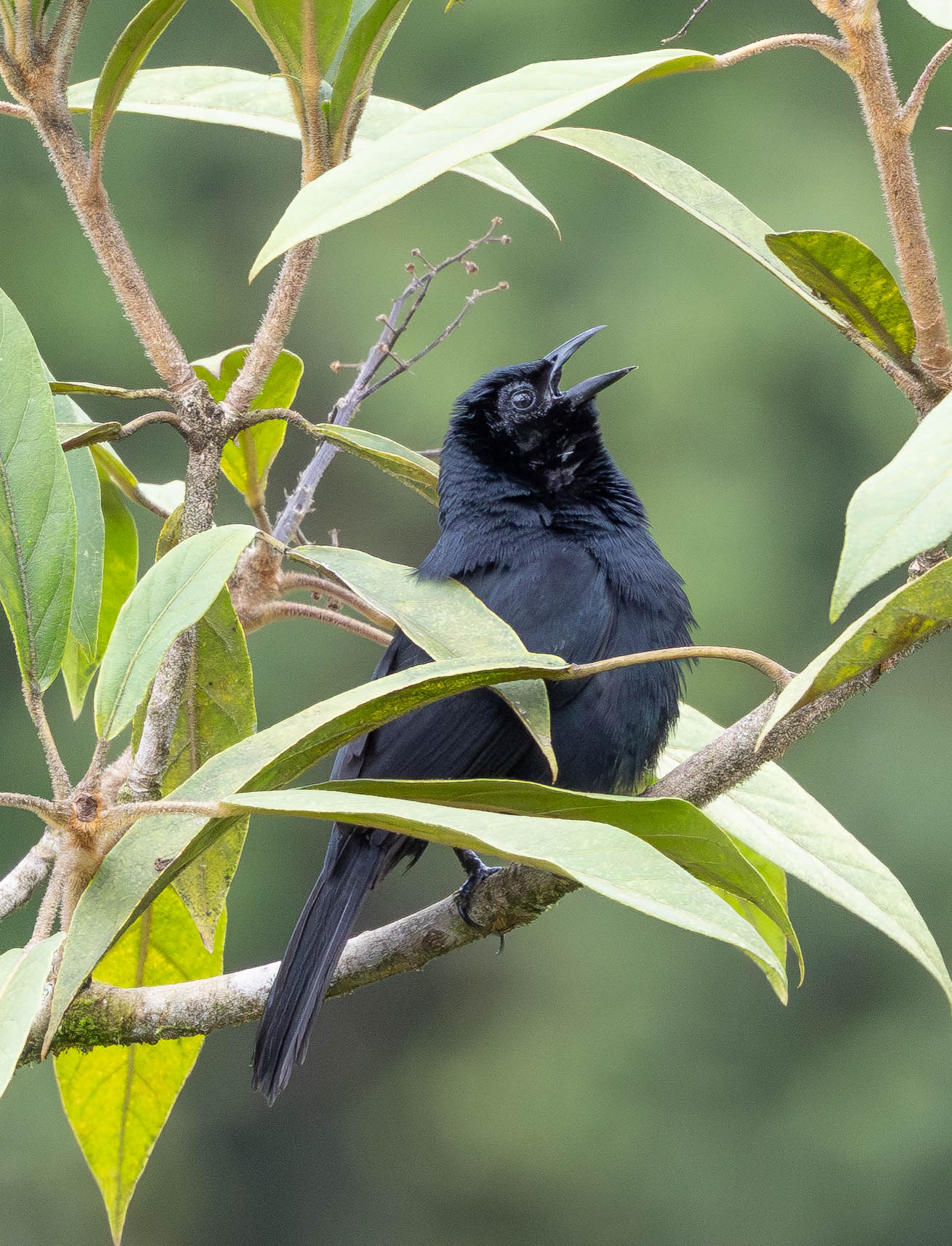
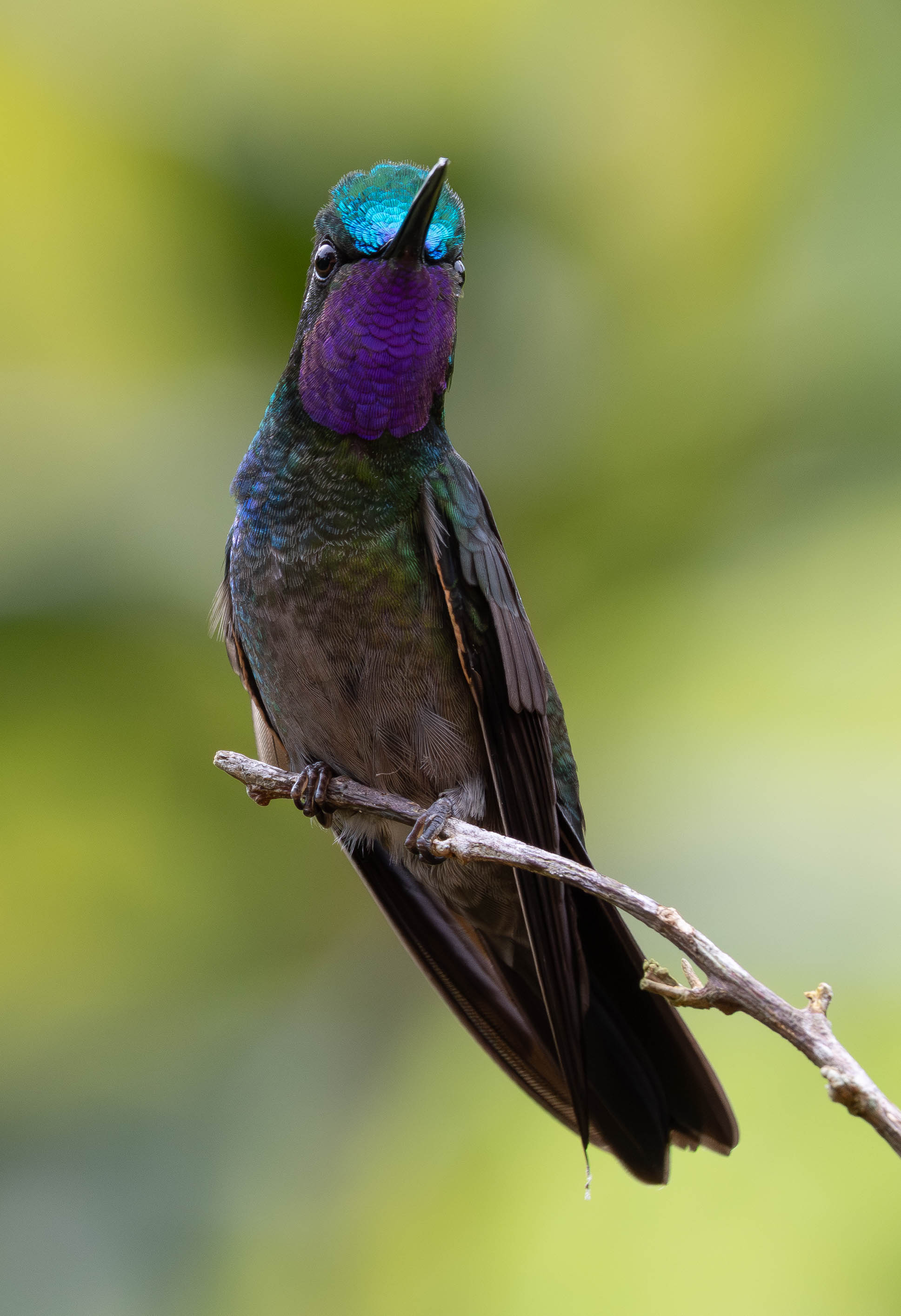
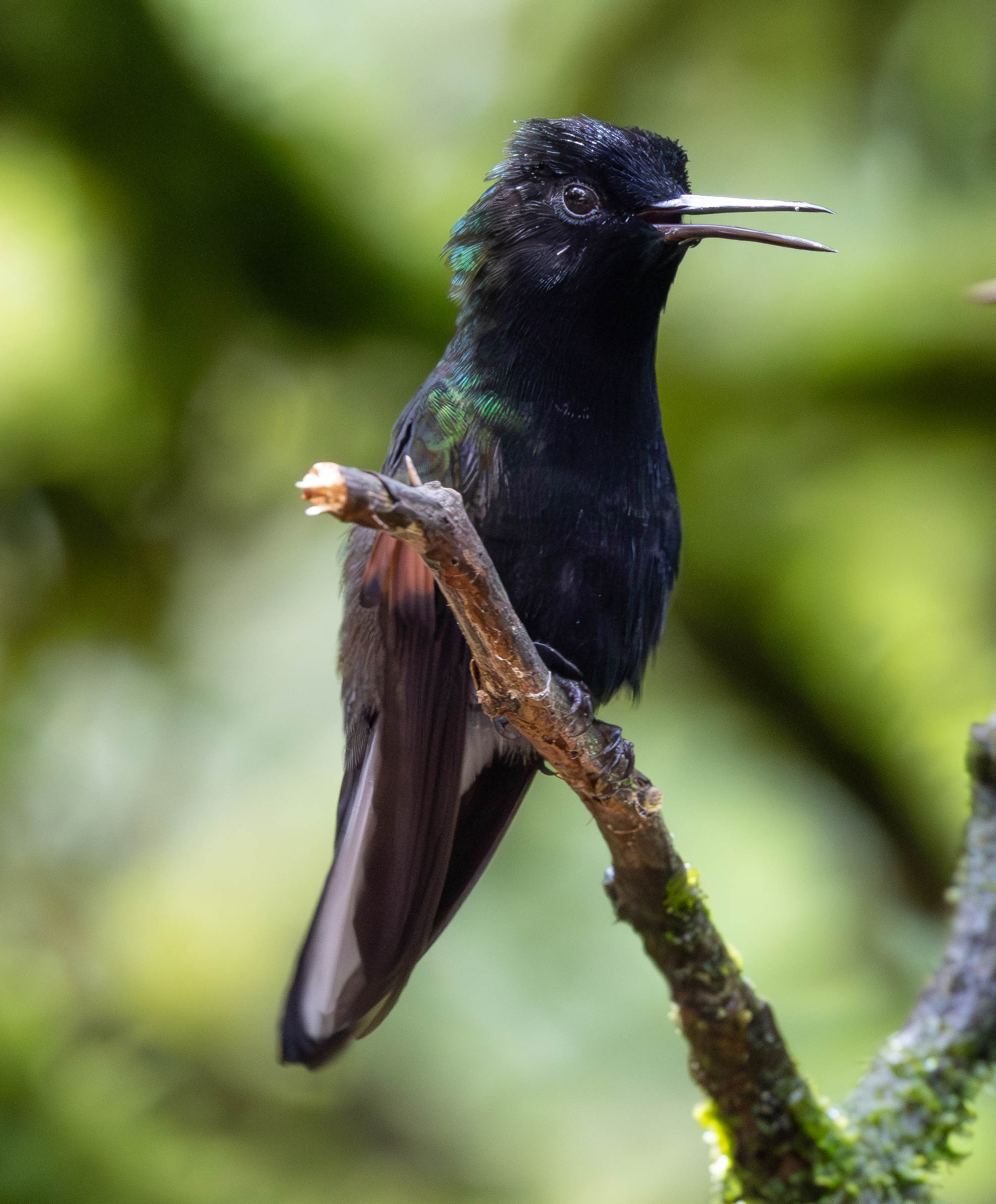
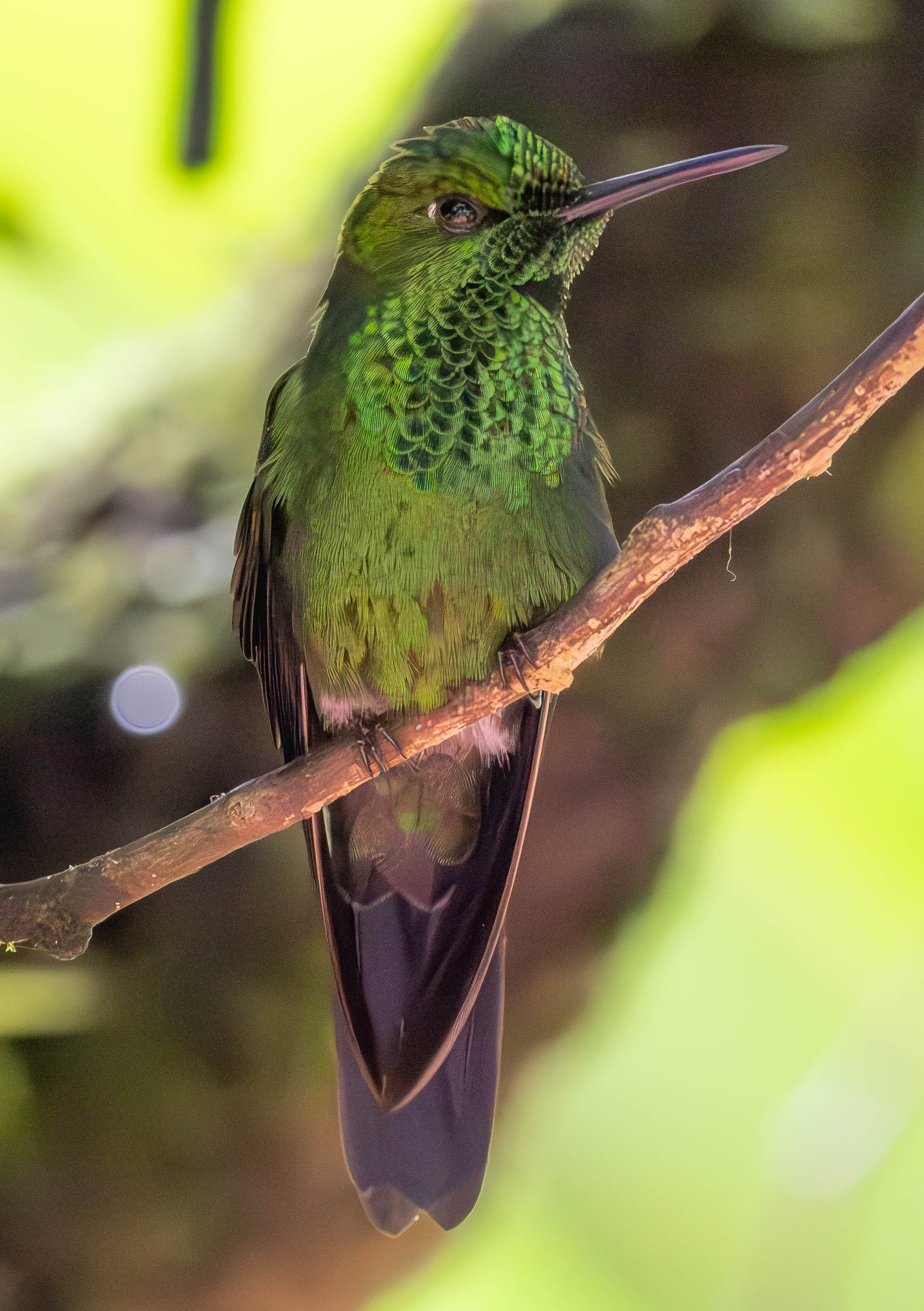
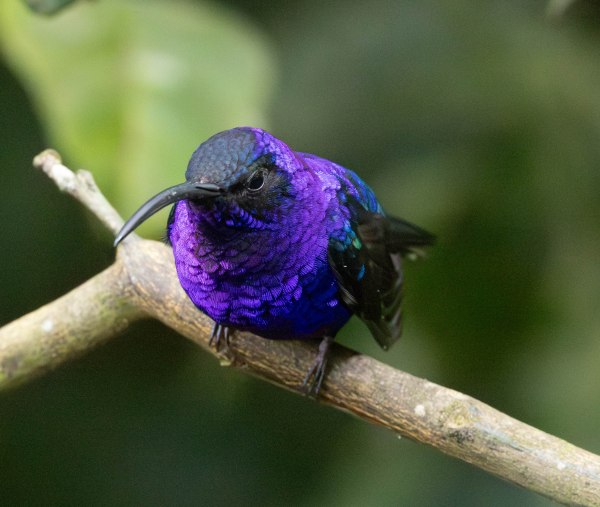
The next morning the first thing I heard was a new bird for me, the Melodious Blackbird. A walk around the gardens discovered, among other things, several new hummingbirds, including the Violet Sabrewing in the header image.

Melodious Blackbird, being melodious.

Purple-throated Mountain-Gem

Black-bellied Hummingbird

Green-crowned Brilliant.

Rey joined us at the La Paz park, where we had a delightful hike down the gorge with its 4 or 5 waterfalls, he then took us to our next stop, on the way there was an amazing cafe (the roadside cafés are known as Sodas, this one was the Galeria de Colibri y Soda Cinchona) with a feeding station and several birders with cameras at the ready!

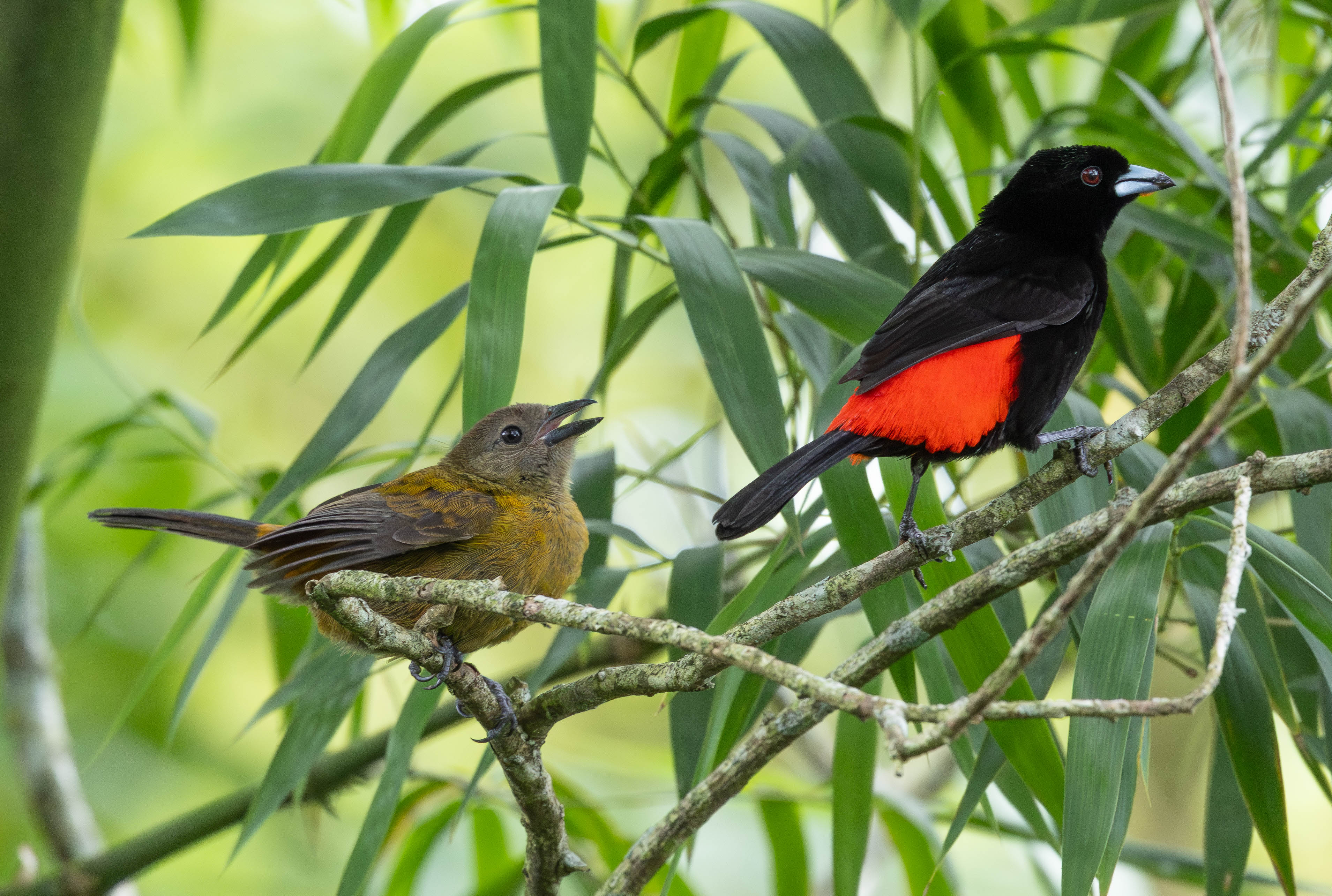
My first view of a Tanager that was to become a frequent sighting on the trip, the Scarlet-rumped Tanager, here accompanied by either a female or a juvenile. I think it was a juvenile as the male turned and gave some food to his companion just after this shot.

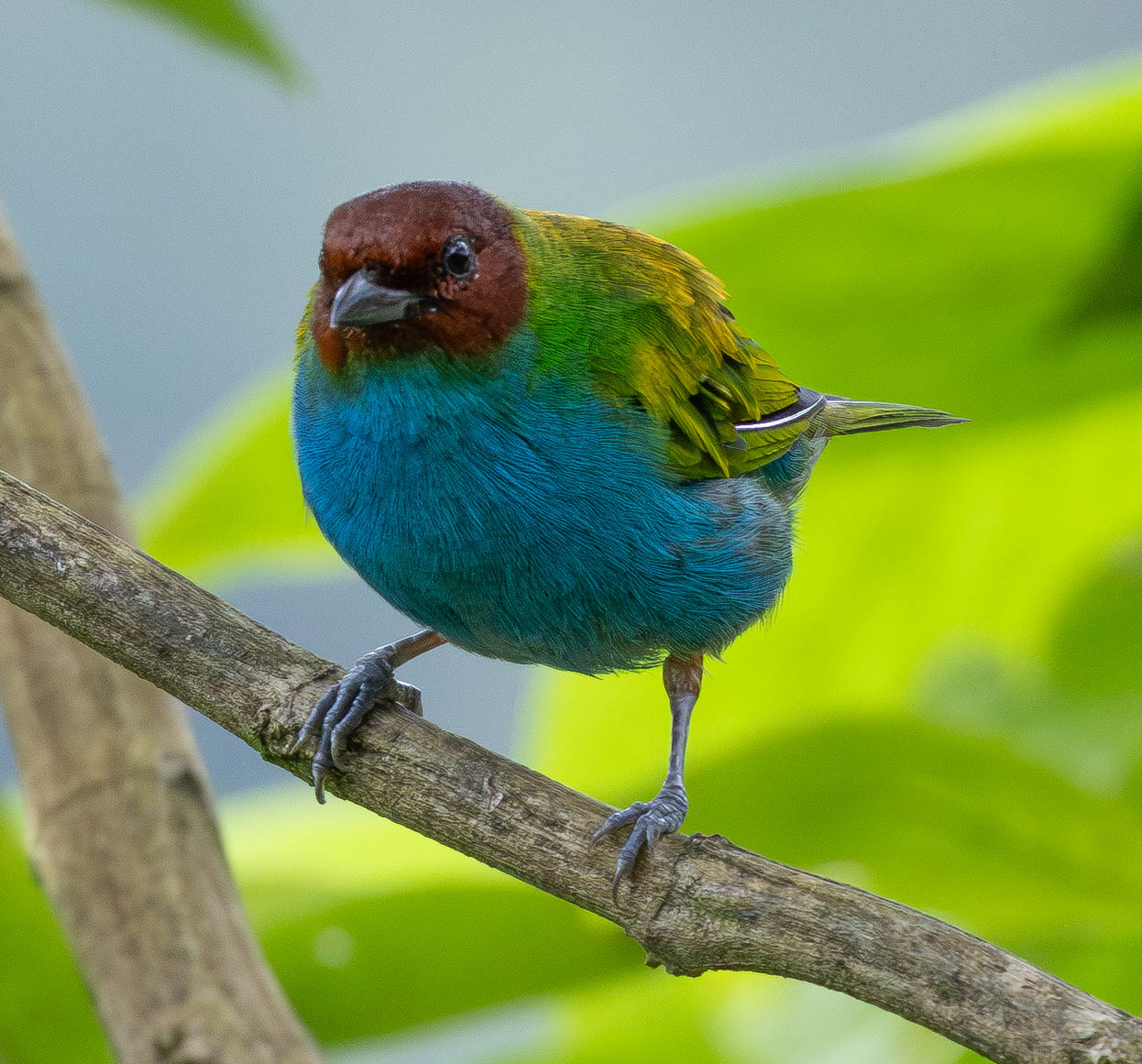
Another lifer for me, the Bay-headed Tanager

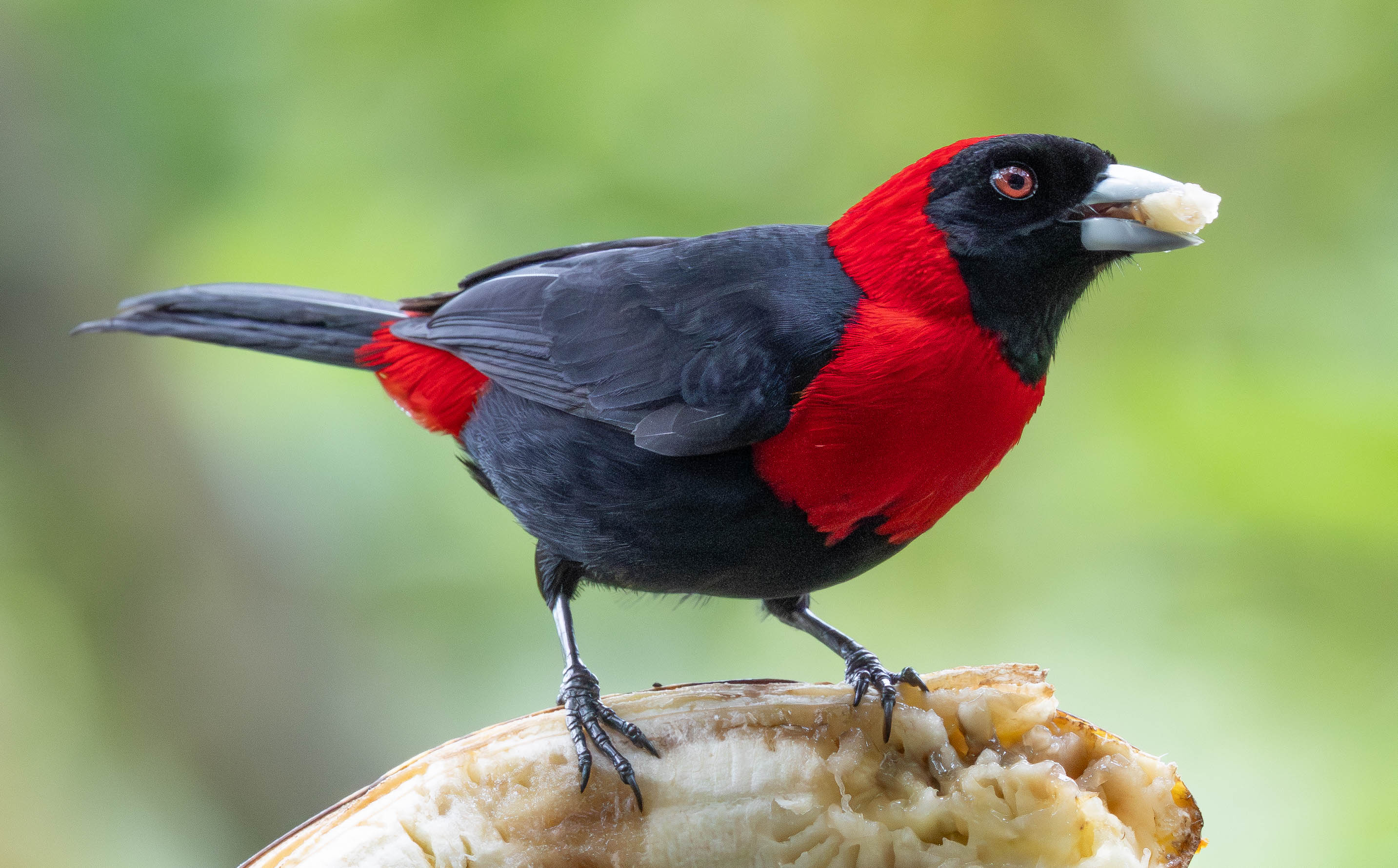
And another, a Crimson-collared Tanager, at the feeding station. We then headed on to what was to be our rental for the next 2 nights, at Orosi, in Cartago province, fairly high in the hills, with many birds, including even more lifers.

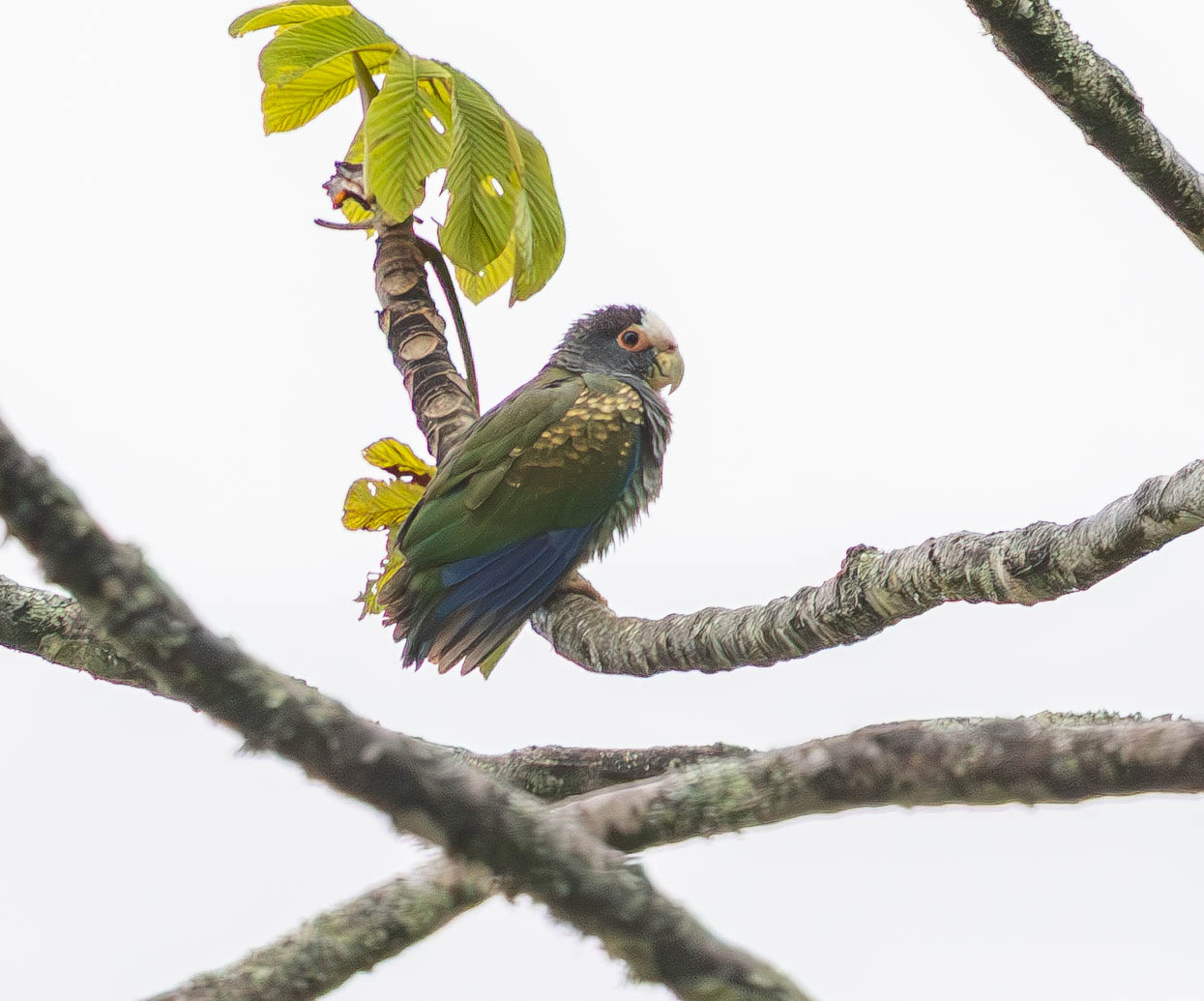
One of which was this White-crowned Parrot. A total of about 45 species in one day, with probably 11 life firsts.

Rwanda, day 1. Northwest Rwanda, Lake Bihinga and Musanze.

I was invited to Rwanda, to assist in teaching their fellows in their newly developed training program. I was delighted to try to help out, and in the days before my teaching commitments I decided to take a few days to tour Rwanda, to visit several national parks, and to do some serious birding.

On day 1 we left Kigali, went north west towards the Volcanoes national Park, stopping at a lake (lake Bihinga) on the way. After a couple of hours in various locations around the lake (over 55 species), we then set off for the lodge (Karisimbi Cave Resort) in a town called Musanze. I then settled into a lodge close to Volcanoes park, and looked around the grounds for some birds. I saw many birds on the way, and at the lake, almost all of which were entirely new to me, and then many more new species around the lodge.

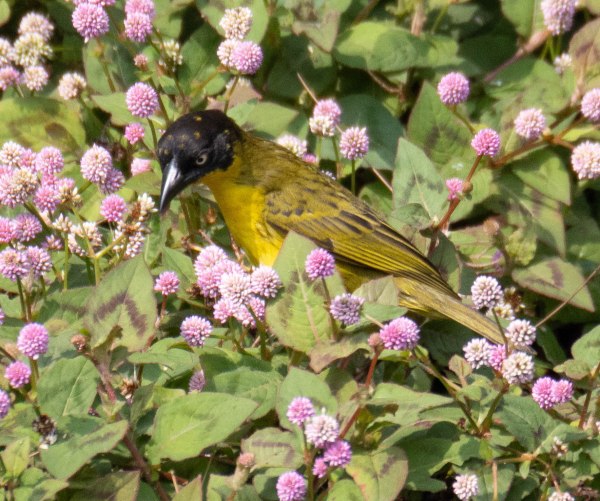
The header image is a Baglafecht Weaver, one of a large number of Weaver bird species, many of which are similar and difficult to separate for an amateur. I have no idea what “Baglafecht” means.

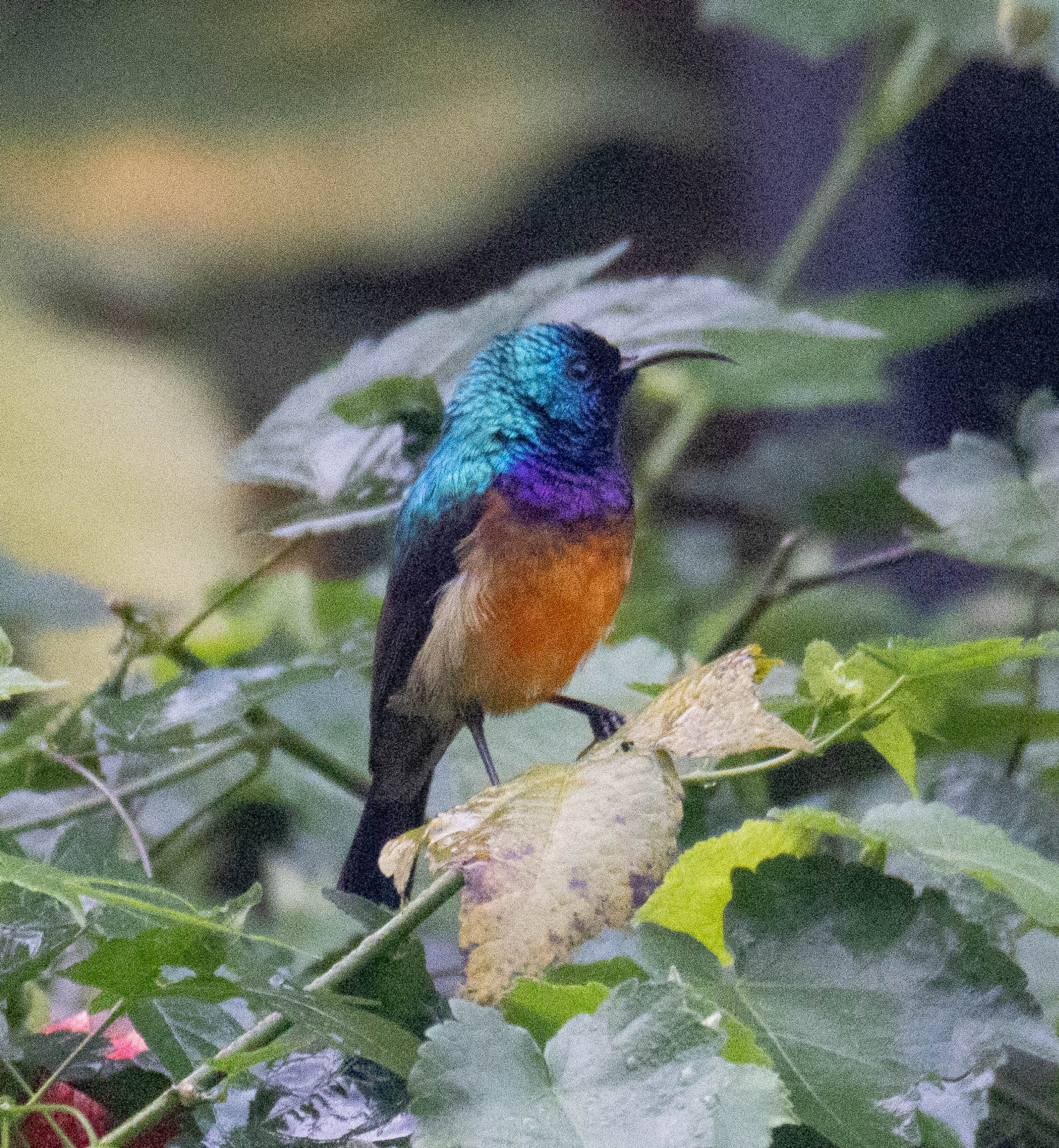
There are also a large variety of Sunbirds, which have long down-curved beaks, used to extract nectar from various flowers. This one is called the Variable Sunbird.

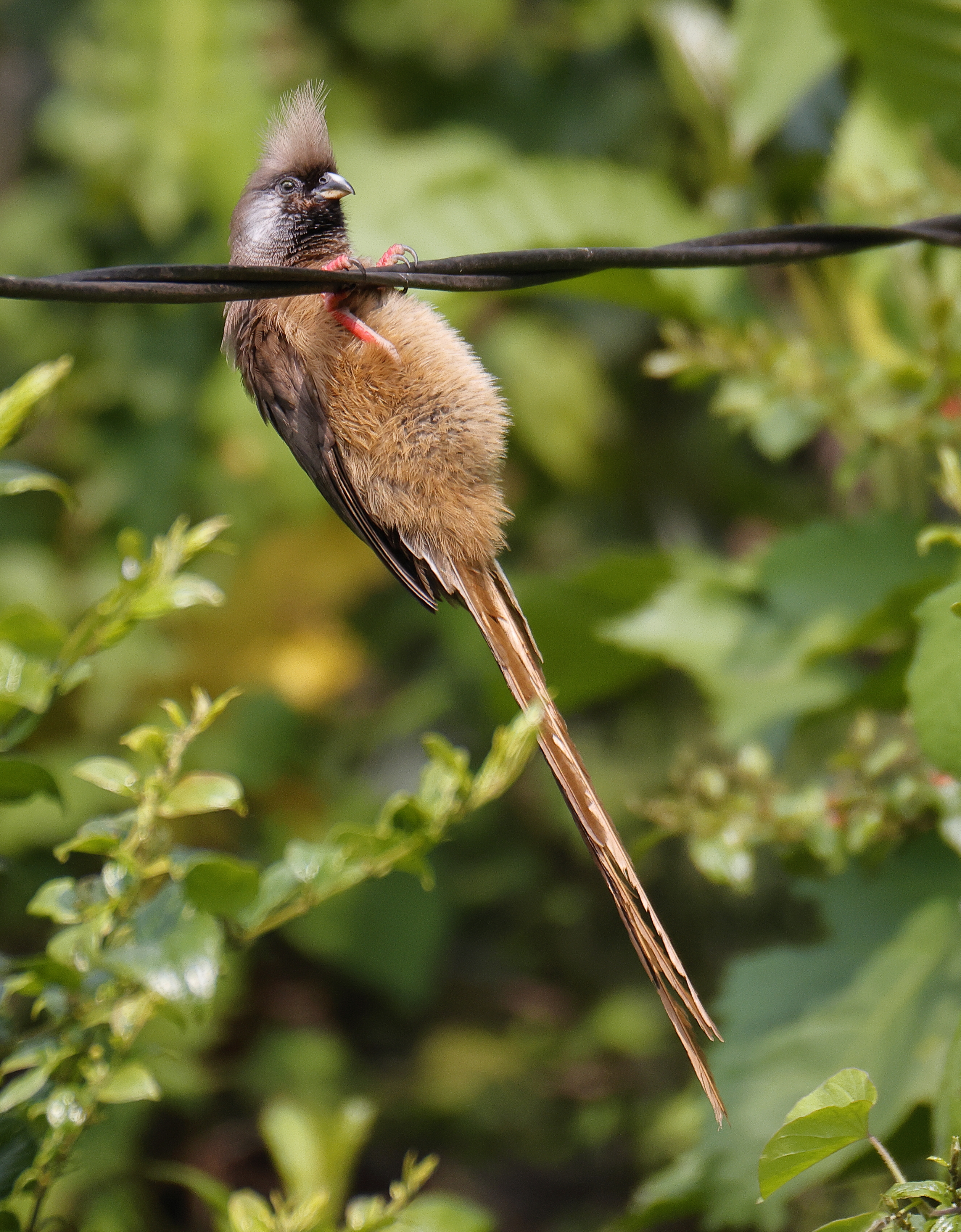
Speckled Mousebird.

According to some sources, they hang like this to get sunlight on their abdomens to increase intra-abdominal temperature and aid digestion. I think that is very suspect, and my guide did not think it was true. Indeed, if it were so, why wouldn’t many other birds (and other creatures) do this?

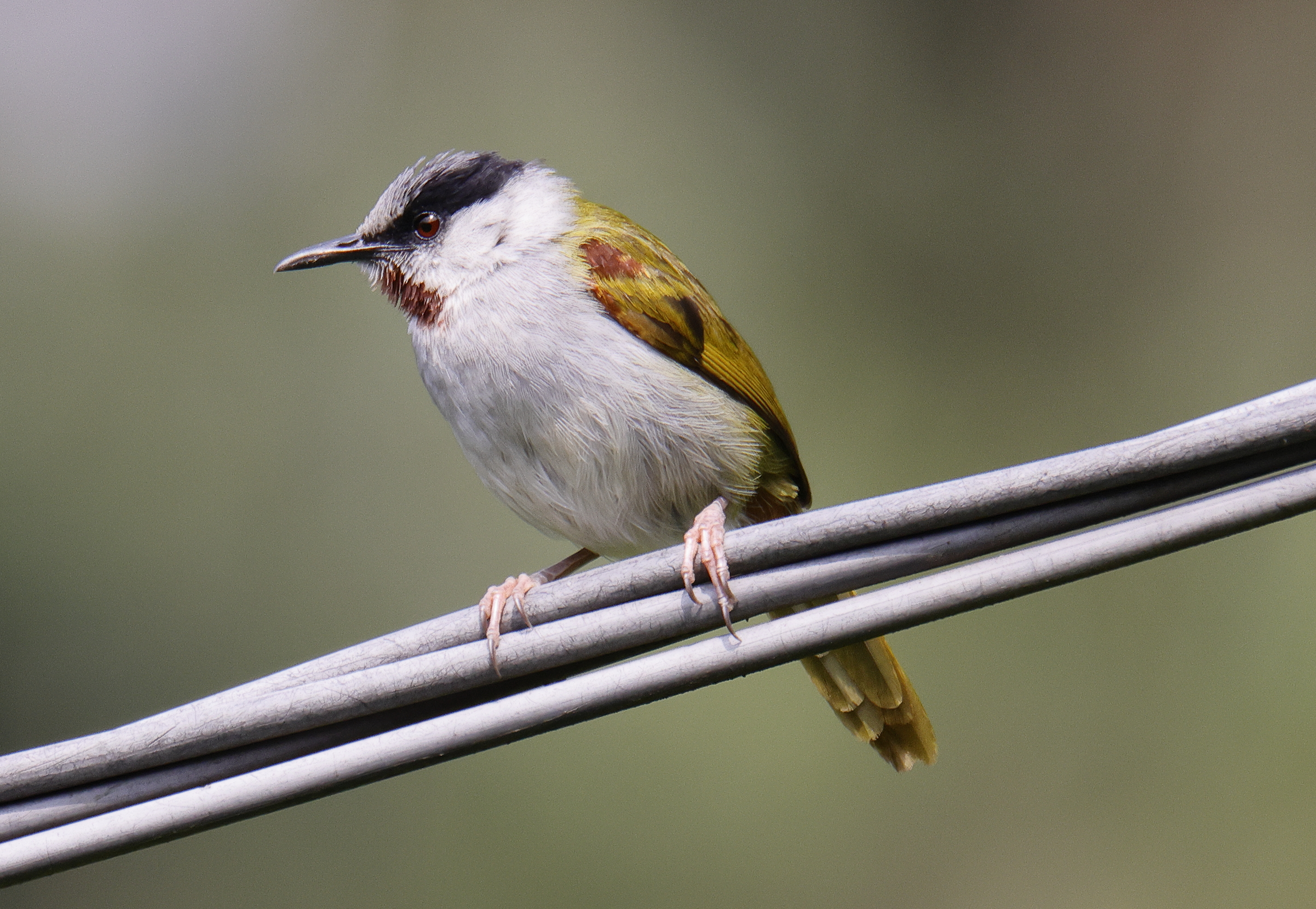
Gray-capped Warbler

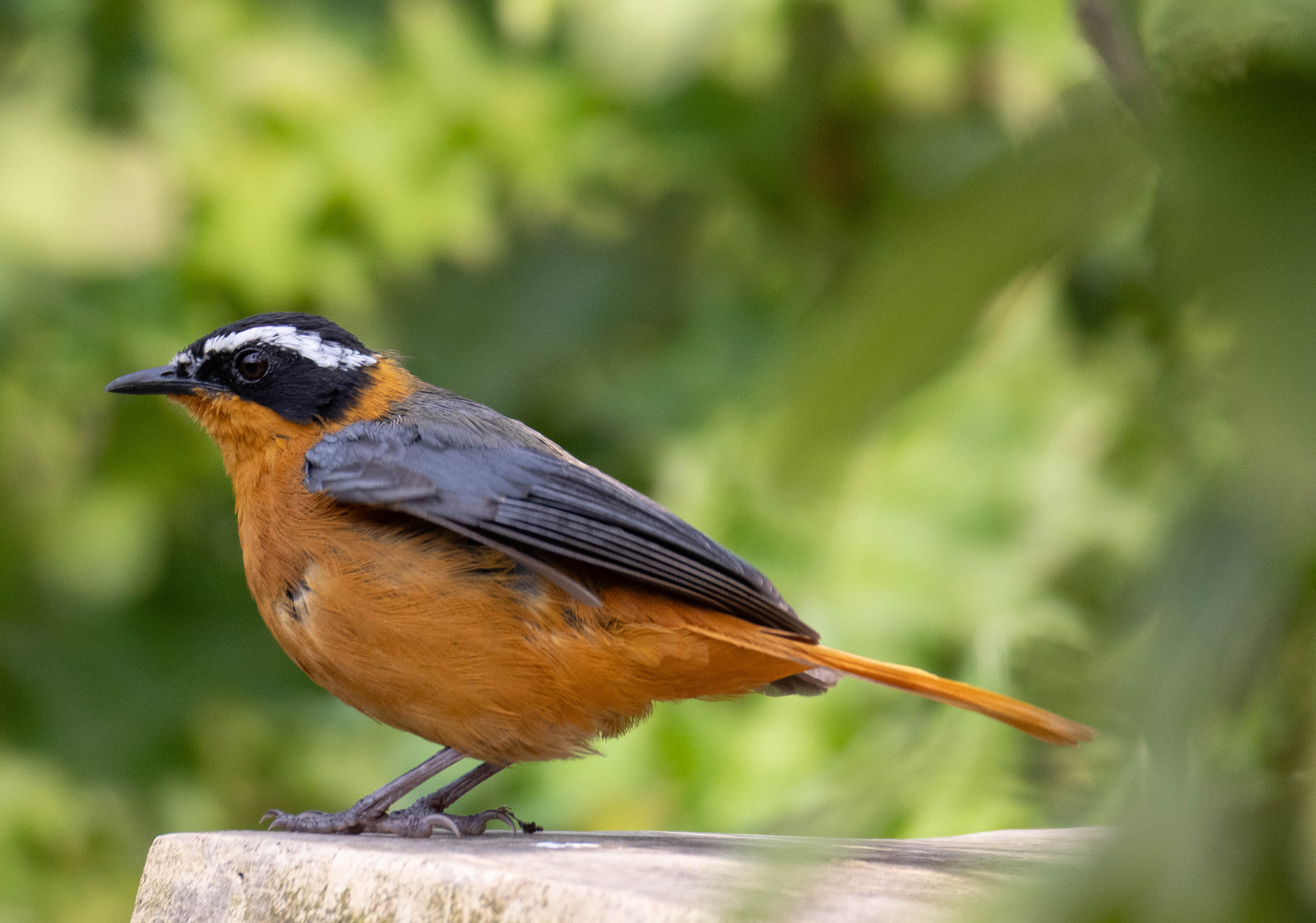
White-browed Robin-chat. This is a common bird, frequently seen around human habitations, it is quite noisy, sometimes even before dawn!

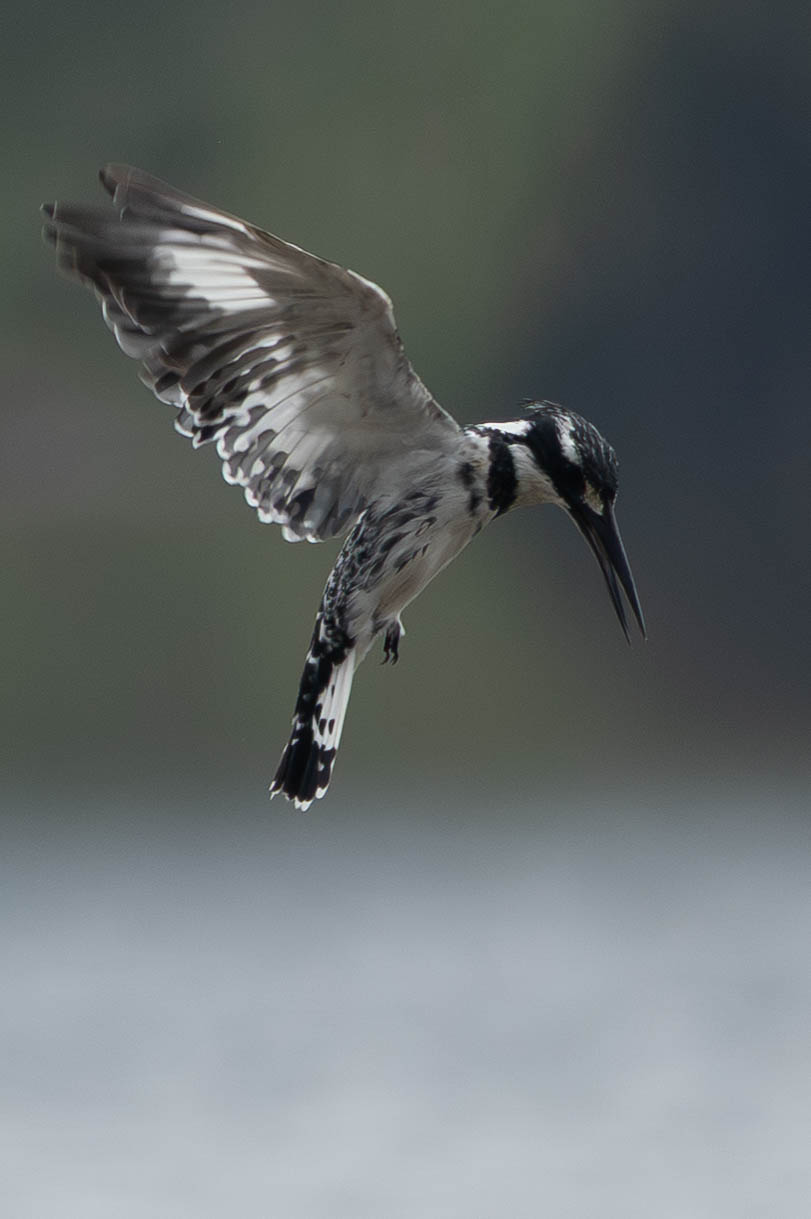
At the lake, there were several Pied Kingfishers, they can hover over the lake surface to detect prey, and then drop on their prey, usually small fish.

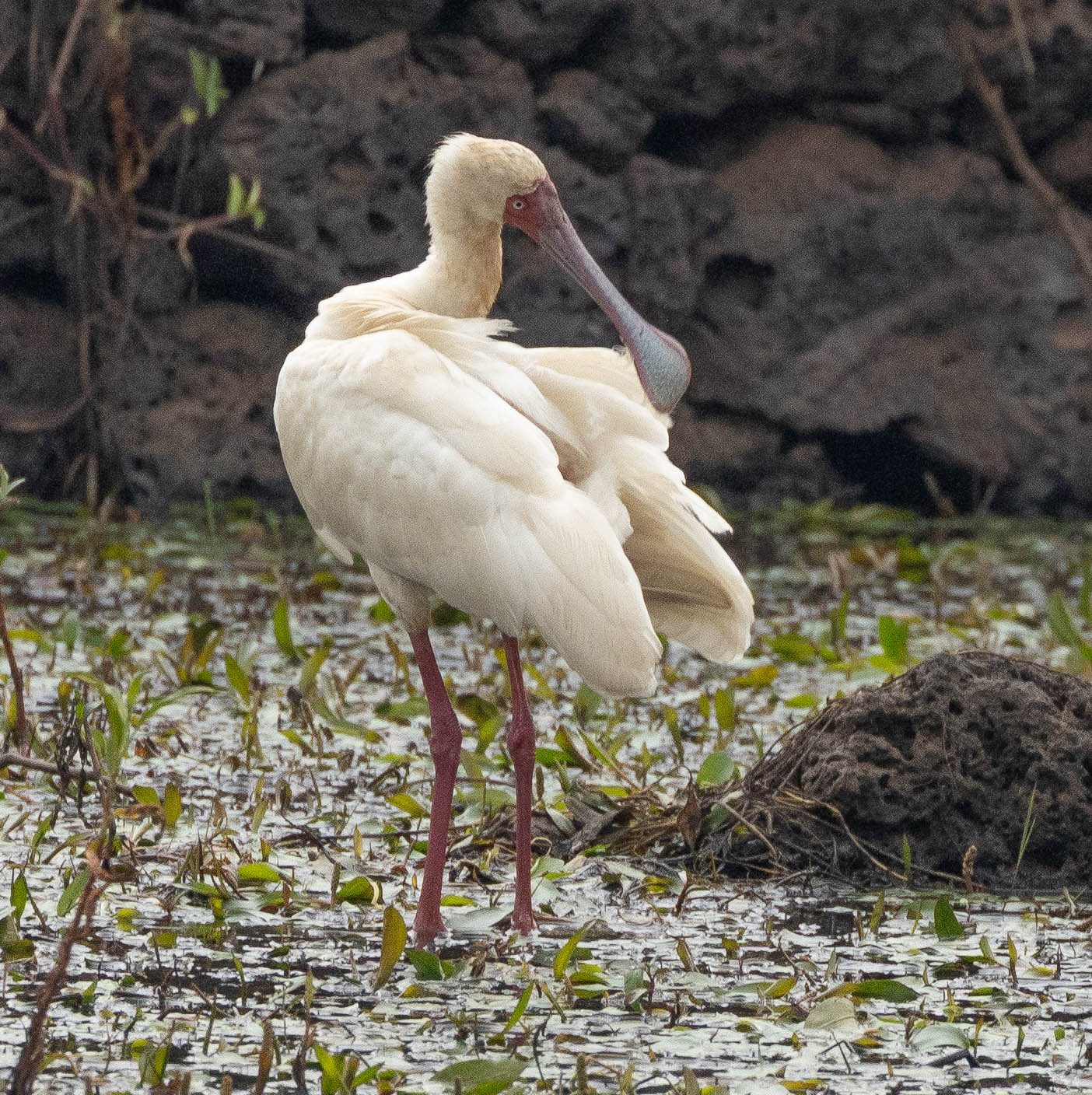
The African Spoonbill, is named for their most obvious feature.

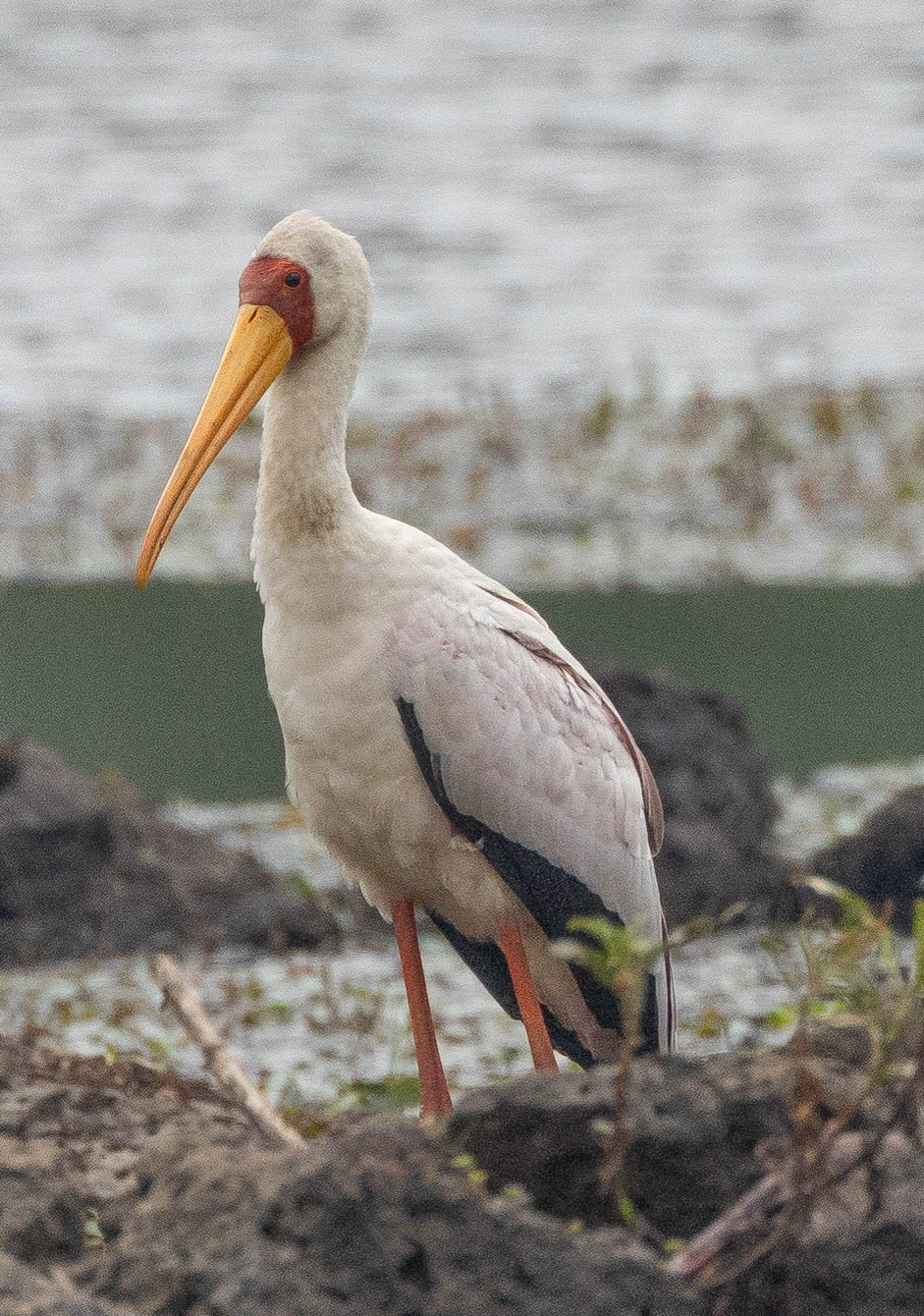
A similarly-sized, wading bird, is the Yellow-billed Stork.

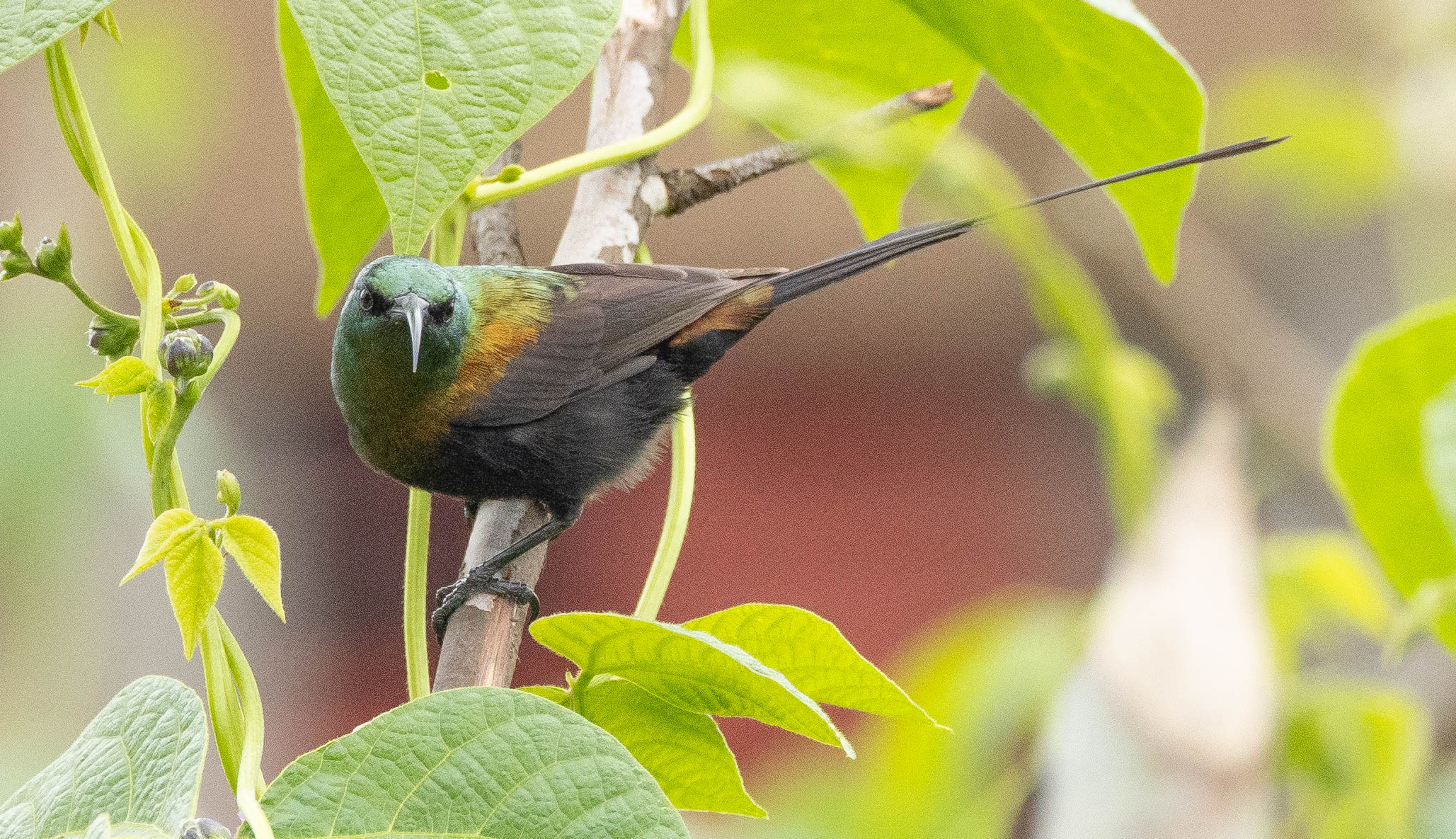
Another Sunbird, this is the Bronze Sunbird.

Panama, day 4. Expedition to find the Harpy Eagle

The group set off very early, breakfast at 4h30, to drive to the very end of the TransAmerica highway at Yaviza. From there we took a “lancha”, a motorized boat, travelling upstream on the Chucunaque river to a town called El Real.
Start of river trip in Yaviza
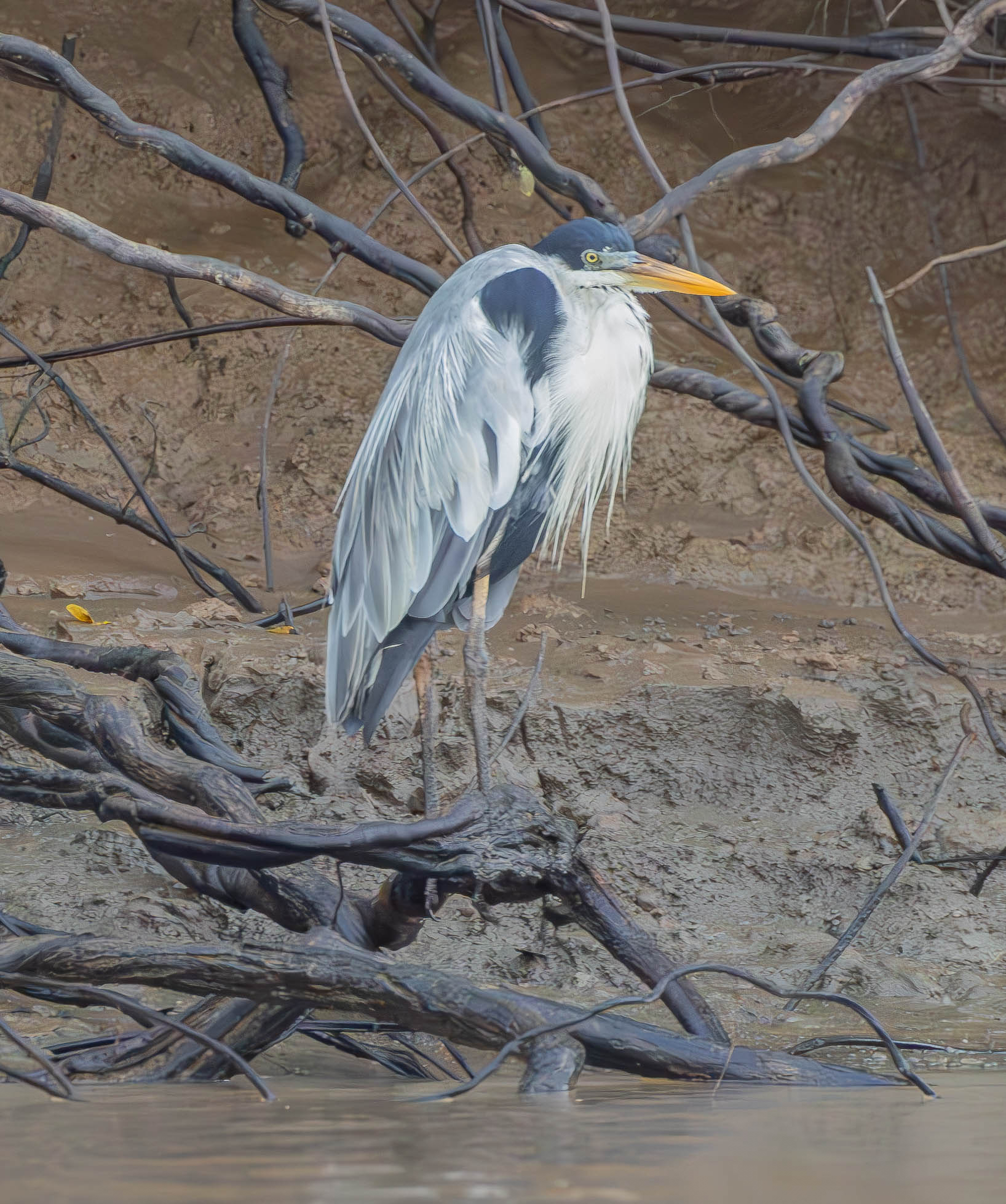
Cocoi Heron
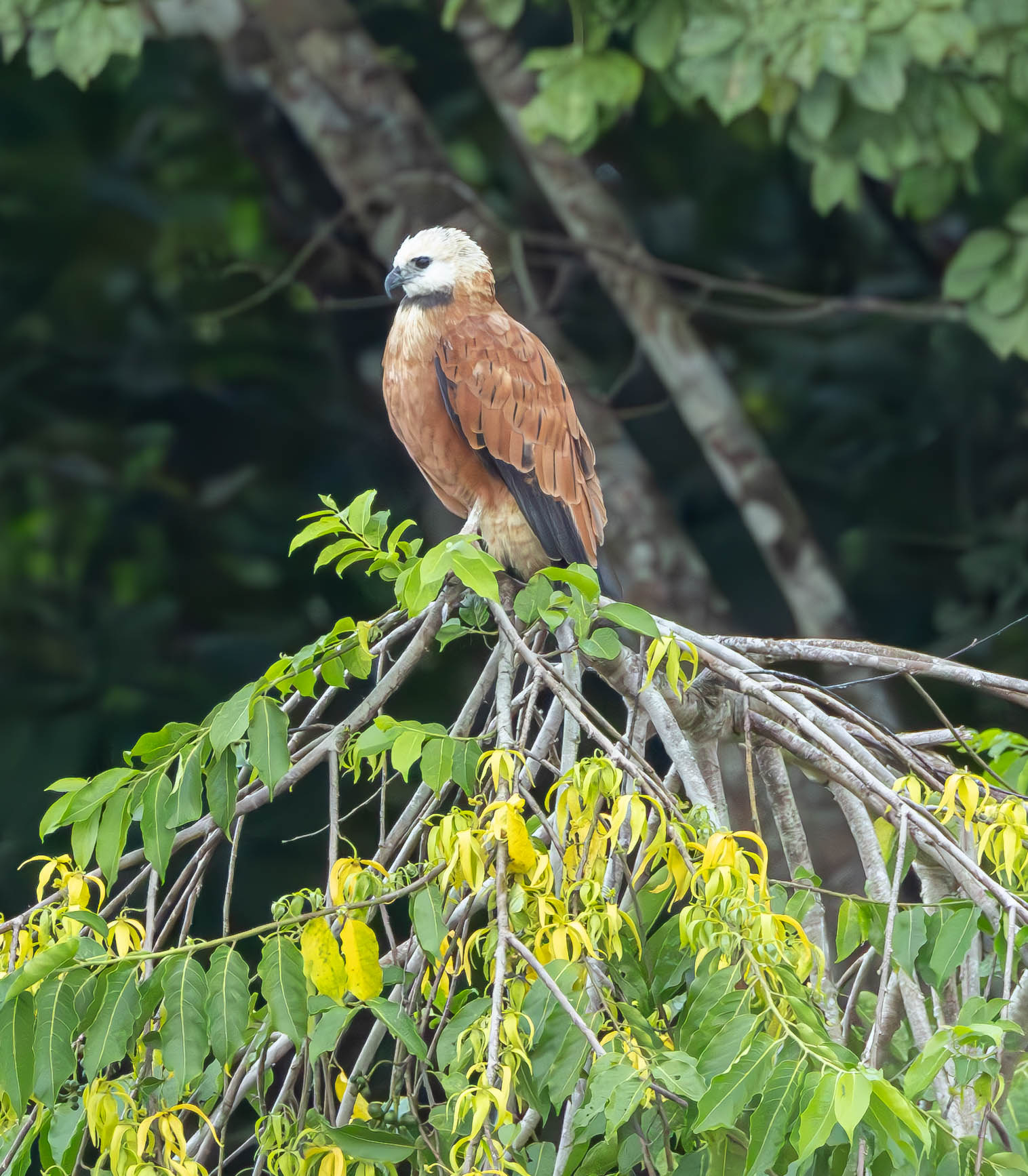
Black-collared Hawk
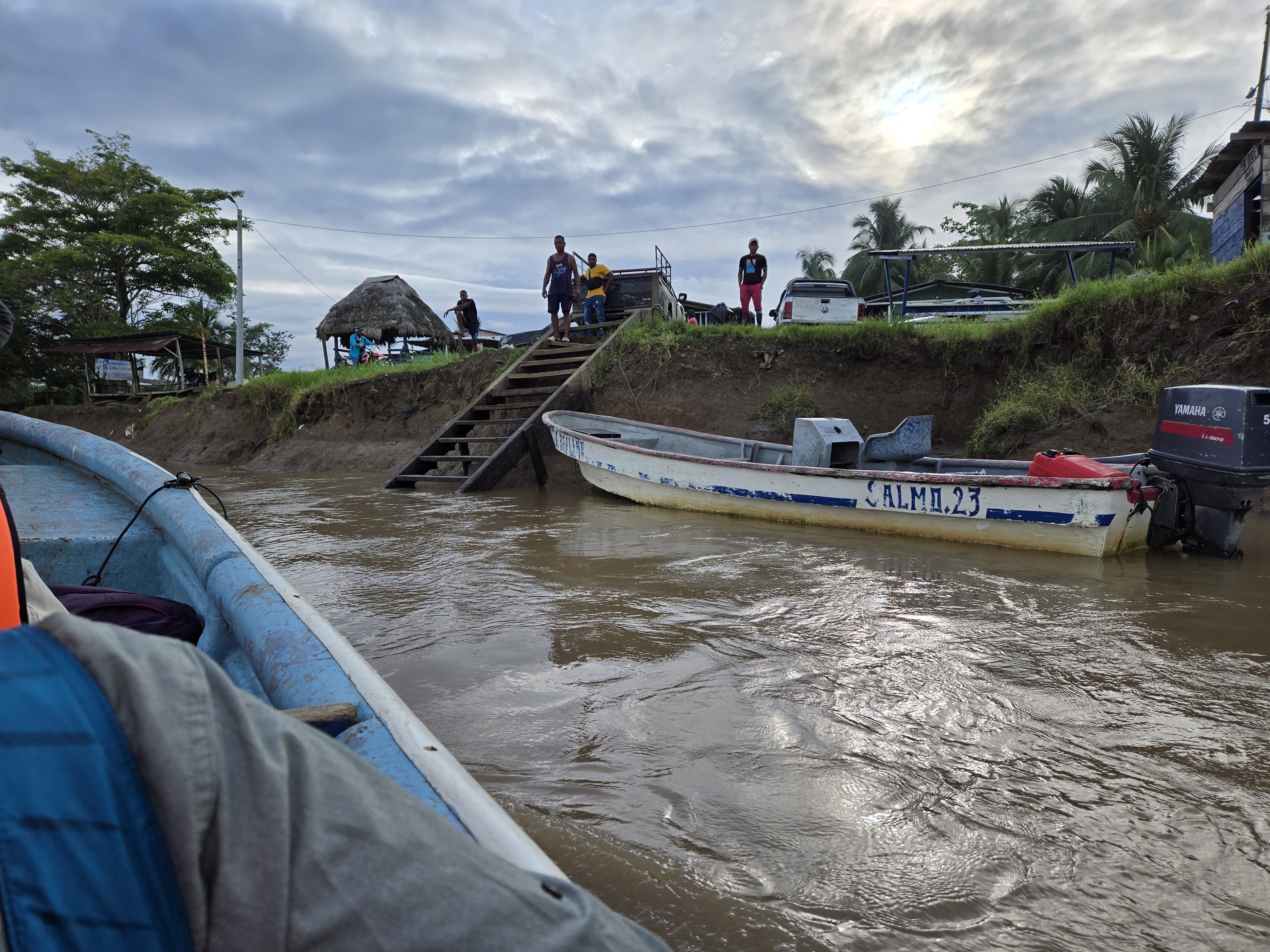
Arrival at El Real
Red-and-Green Macaw

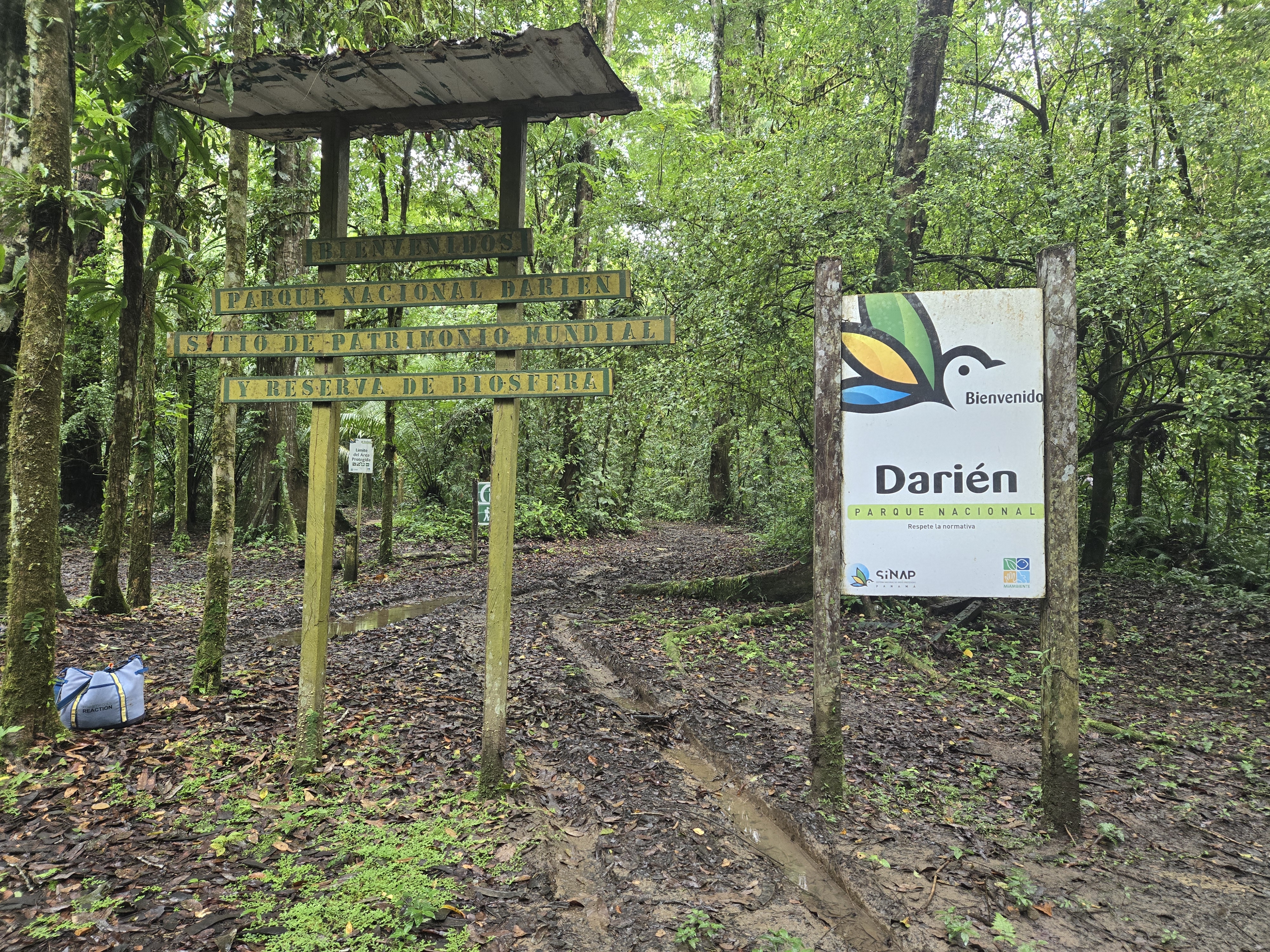
After the boat trip, there was a half hour or so in a 4-by-4, then another hour of walking, during which this magnificent Macaw was spotted, we entered the Darién national park, and finally arrived at the ironically named Rancho Frio.
Entrance to Darién national park
Offices of the Ministry of the Environment at Rancho Frio

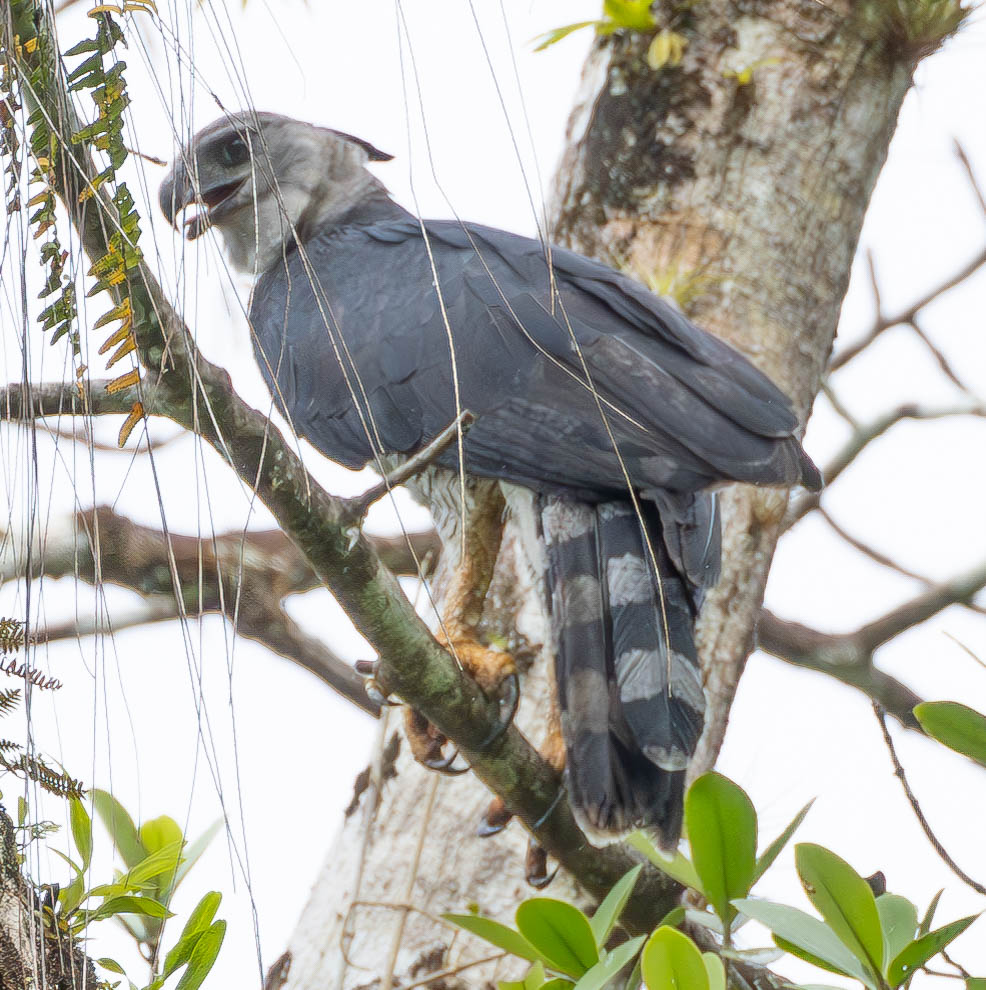
After lunch at Rancho Frio, the last 30 minutes walk took us to a nest of the Harpy Eagle, today’s goal. There was a female on the nest, with a chick of about 10 days of age (the top of whose head we occasionally glimpsed) and as we were watching, the male flew off in search of prey, which are mostly monkeys and sloths.

Harpy Eagle on nest
Harpy Eagle

The Harpy Eagle has little sexual dimorphism, the identification by our guides was based on their activity, usually the female stays on the nest with the chick, while the male is out hunting.

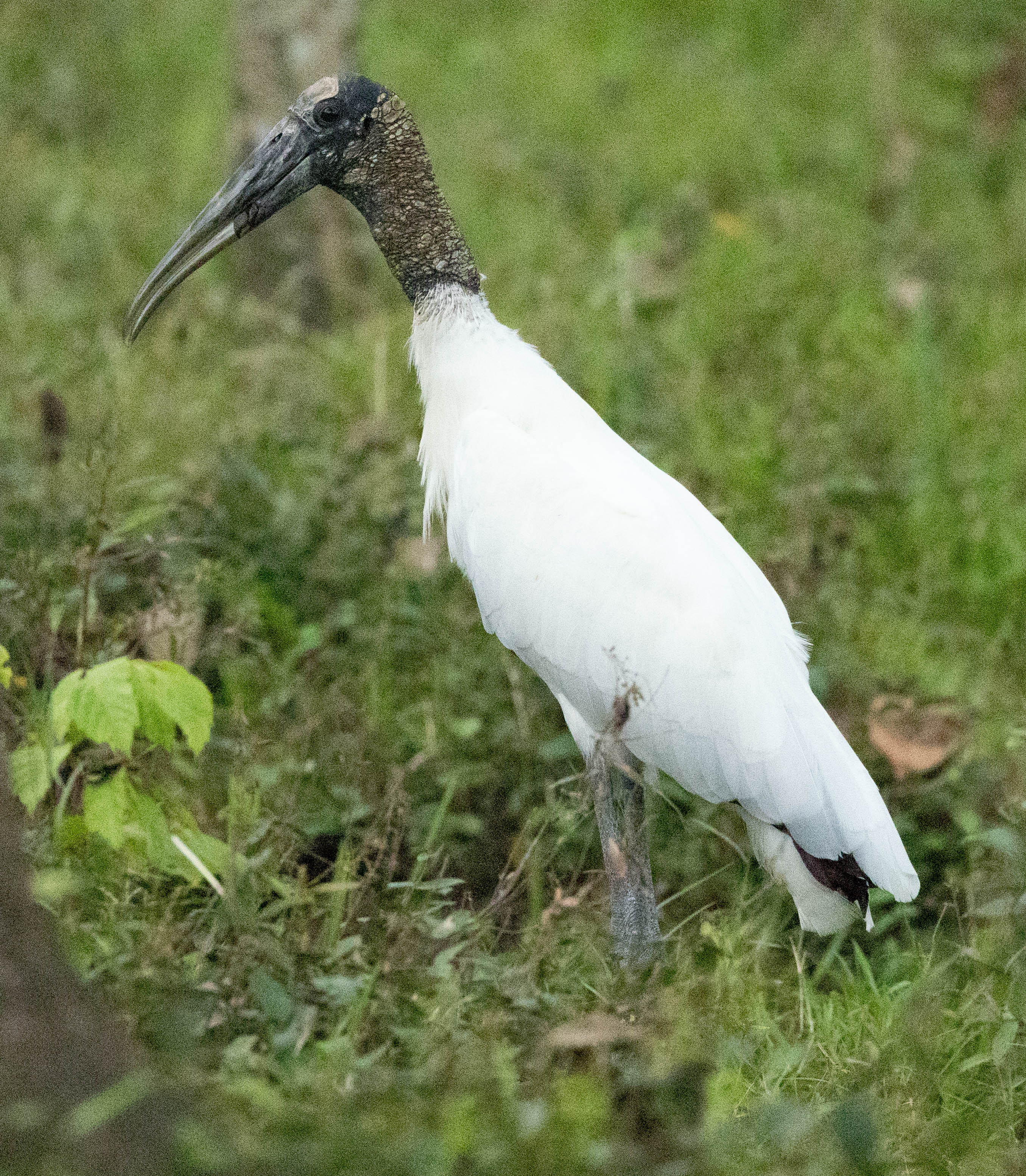
On the trip back there were very heavy showers; we were still able to see the Great Green Macaw, a real rarity, a Wood Stork (not rare at all), and a small flock of Brown-hooded Parrots. Despite arriving back soaked through, the day was a great success.

Great Green Macaw
Wood Stork
Brown-hooded Parrot

Panama, November 2024

I was fortunate to take a 1 week trip to Panama, with “Wings“, going east to the Darien region. The guide, Gavin Bieber, was amazing, the accommodation, in fancy tents, was excellent, and the birding was exceptional.

The first night was an extra, staying in a hotel right next to the canal, although the flight was delayed, and I arrived at the start of rush hour, so it took nearly 2 hours of taxi to the hotel, traffic in Panama city is horrendous.

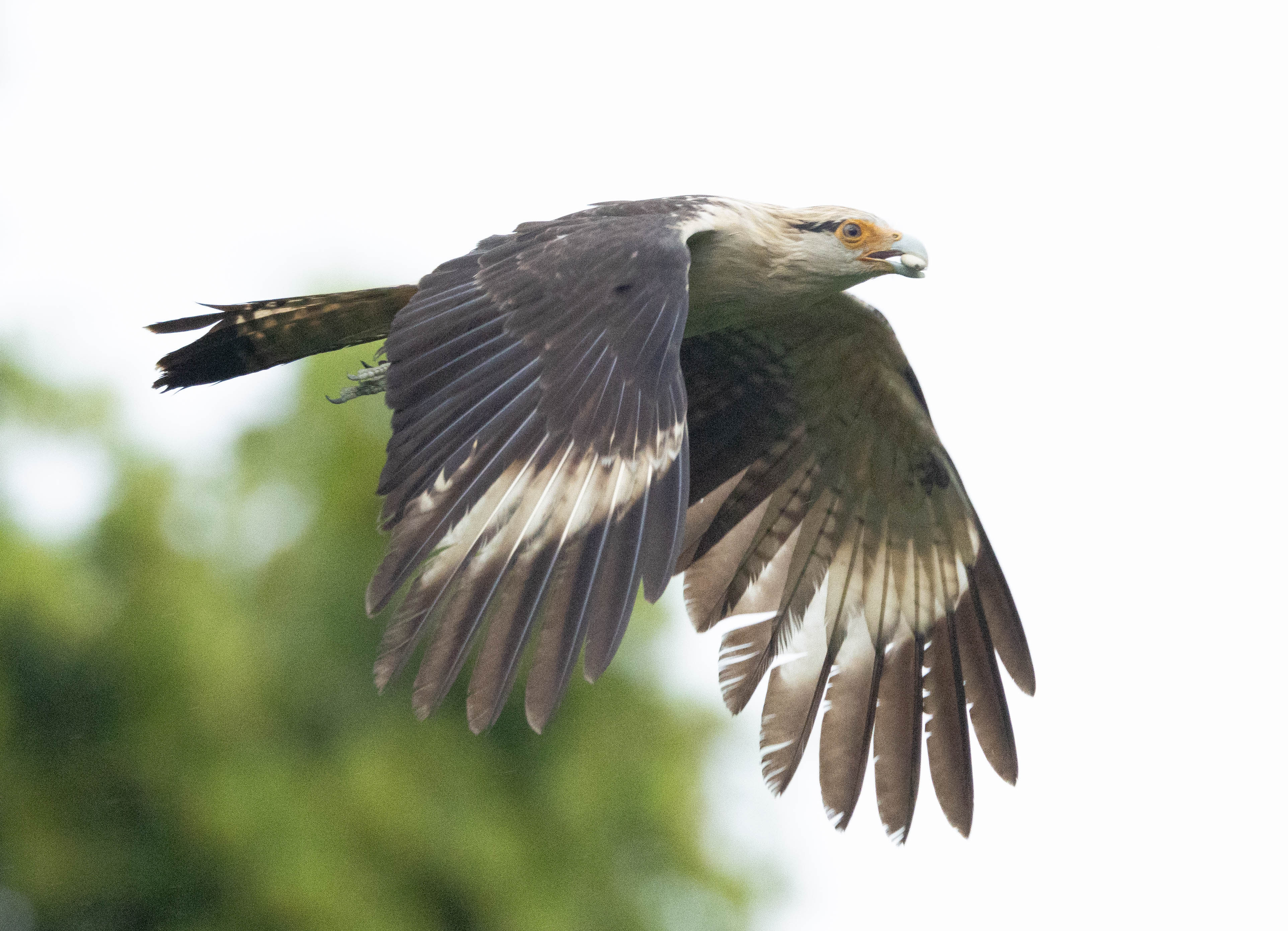
The next morning started well with several new birds before breakfast, including great views of the Yellow-headed Caracara

Yellow-headed Caracara

Also these other birds

Yellow-billed Cuckoo
Blue-headed Amazon
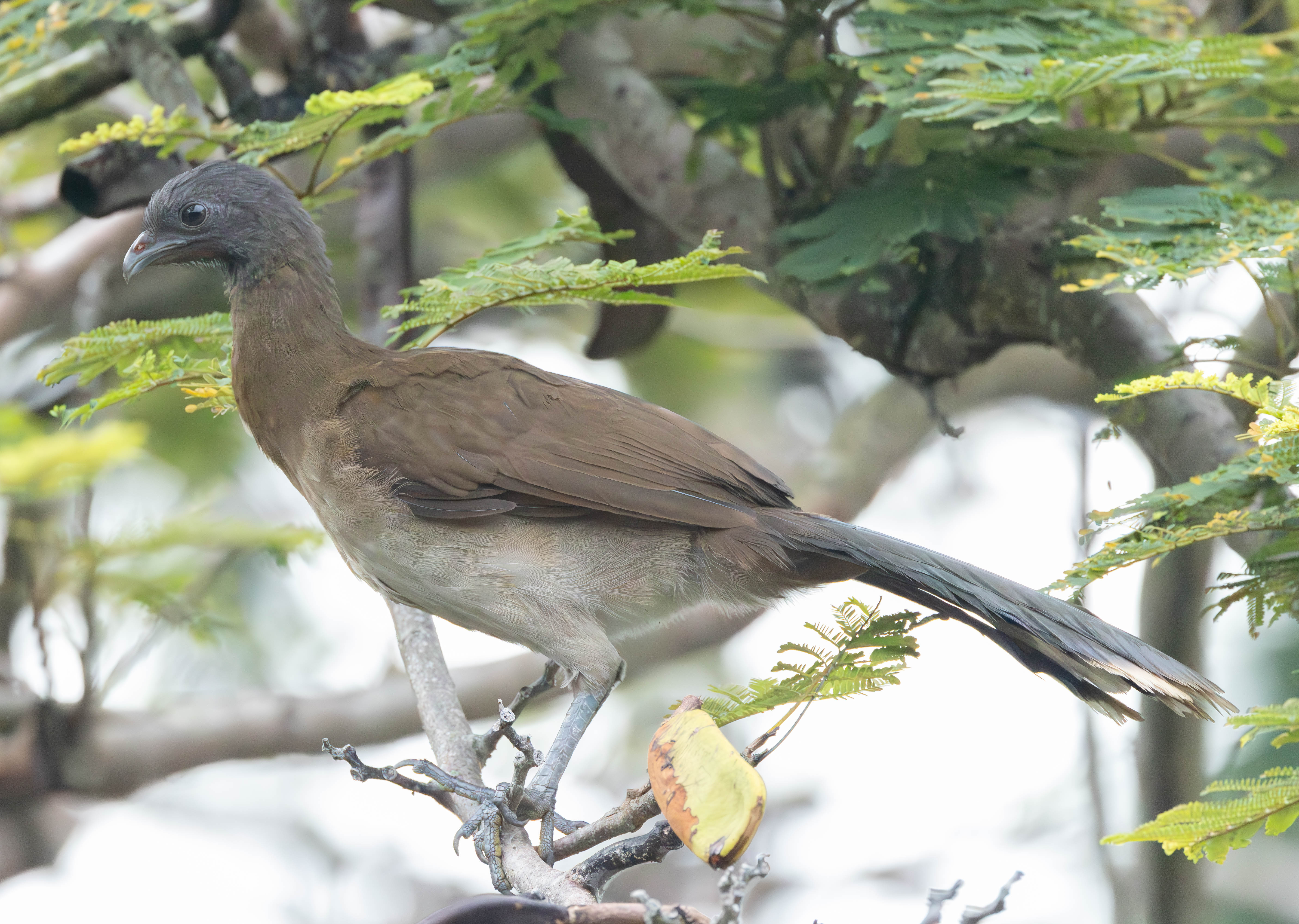
Gray-headed Chachalaca
Crimson-backed Tanager

I then walked down toward the Biomuseo, with many other avian encounters

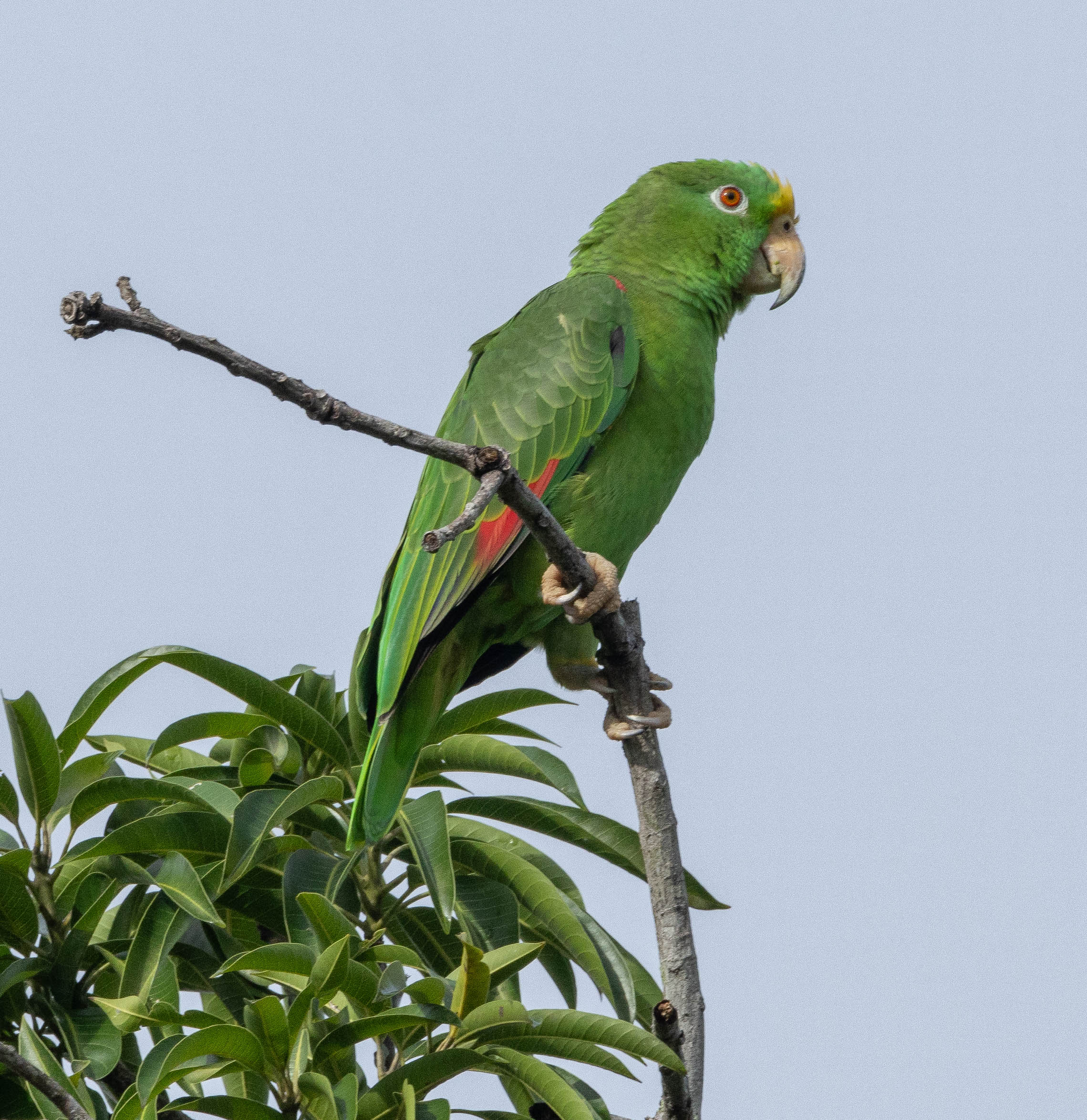
Yellow-crowned Amazon
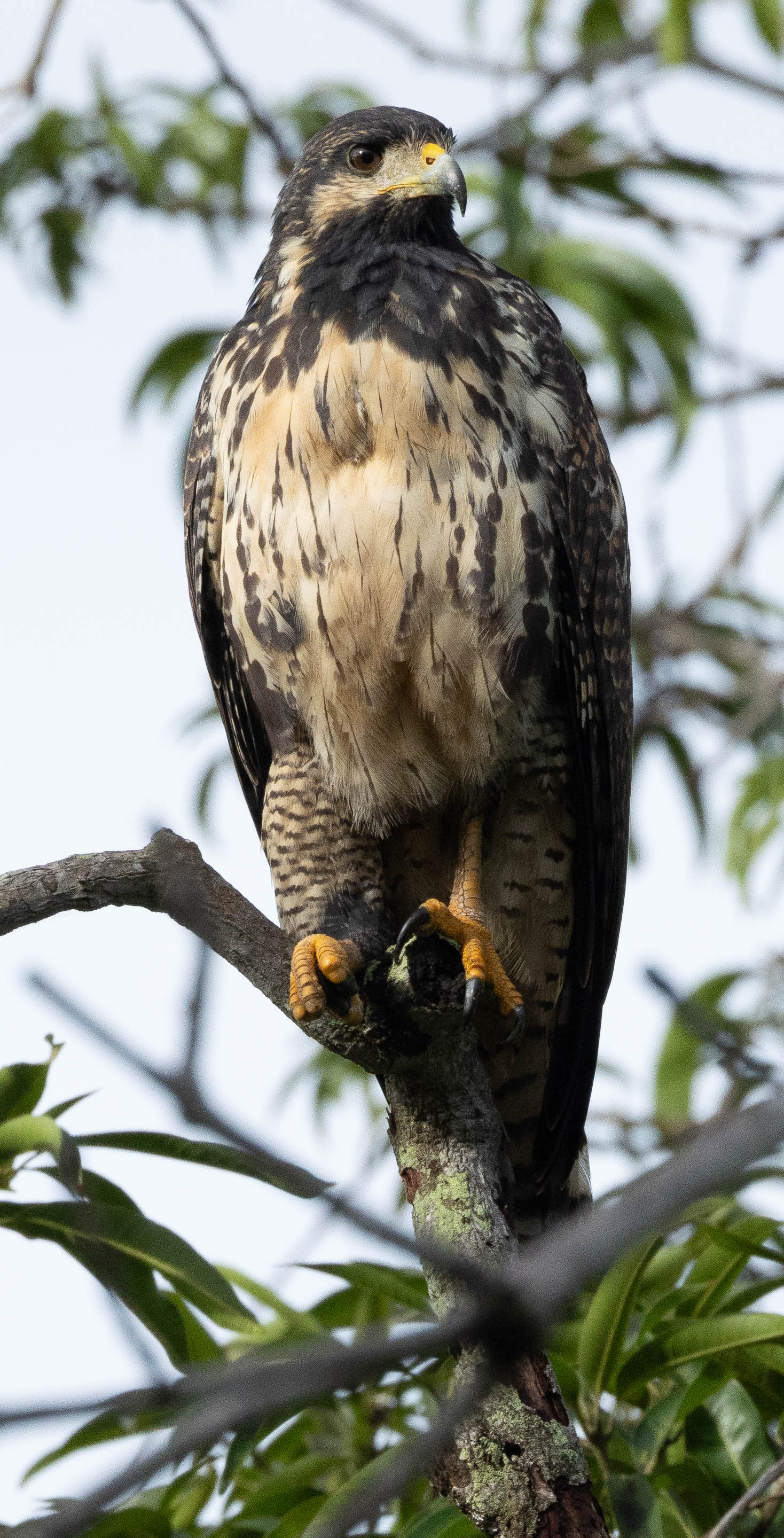
Common Black Hawk, immature (not yet all black)

There were many thousands of Black Vultures around, including this one

Black Vulture on Korean friendship monument
Red-crowned Woodpecker
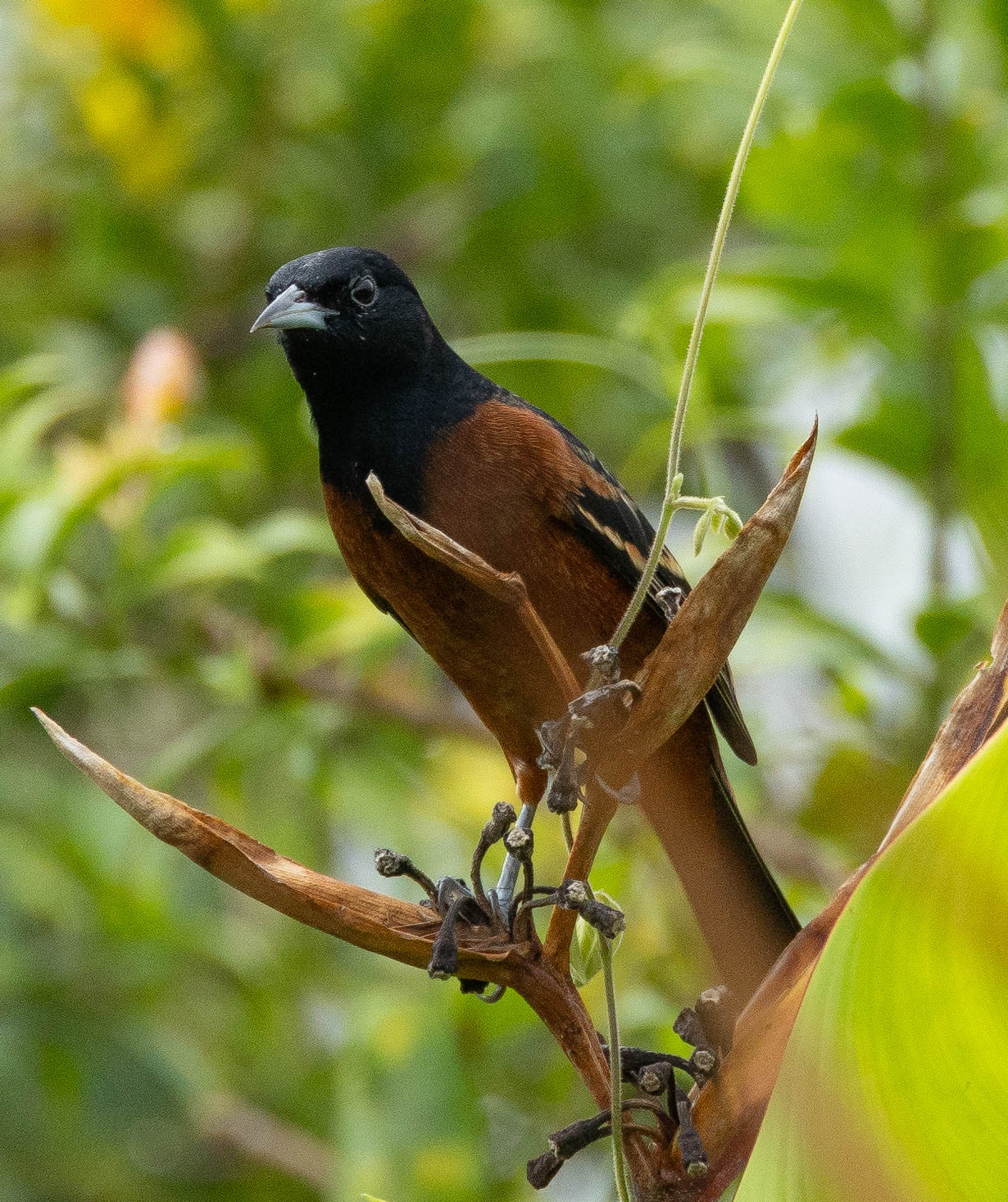
Orchard Oriole

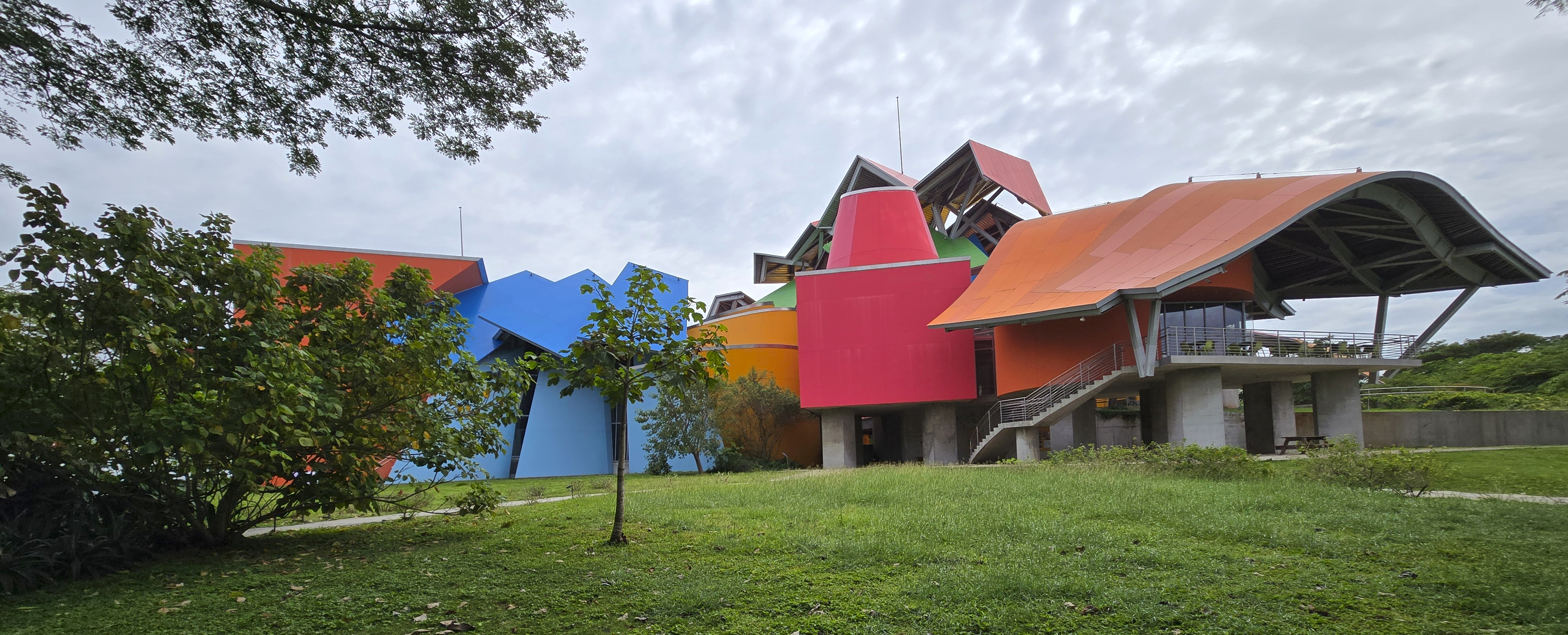
The Biomuseo was designed by Gehry, and is fascinating, with the geologic history of Panama well explained. The isthmus formed about 20 million years ago, followed by the Great Interamerican Biotic Interchange (apparently), with south american bids and animals heading north, and vice versa, which is what gives Panama its amazing biodiversity.

Right on the grounds of the Biomuseo were these 2 birds, one from a family originally south american, the second northern.

Barred Antshrike
Tropical Mockingbird

I then hired a bike to cycle down the Amador peninsula, constructed from rock that was excavated to build the canal, to a group of 3, what used to be, islands. On the first of which there is a Smithsonian research institute. On the way down there is a view of the city, and this sunken boat with a Brown Pelican perched.

At the research centre, just near the gate, a Hoffman’s two-toed Sloth was hanging out.

Hoffman’s Two-toed Sloth
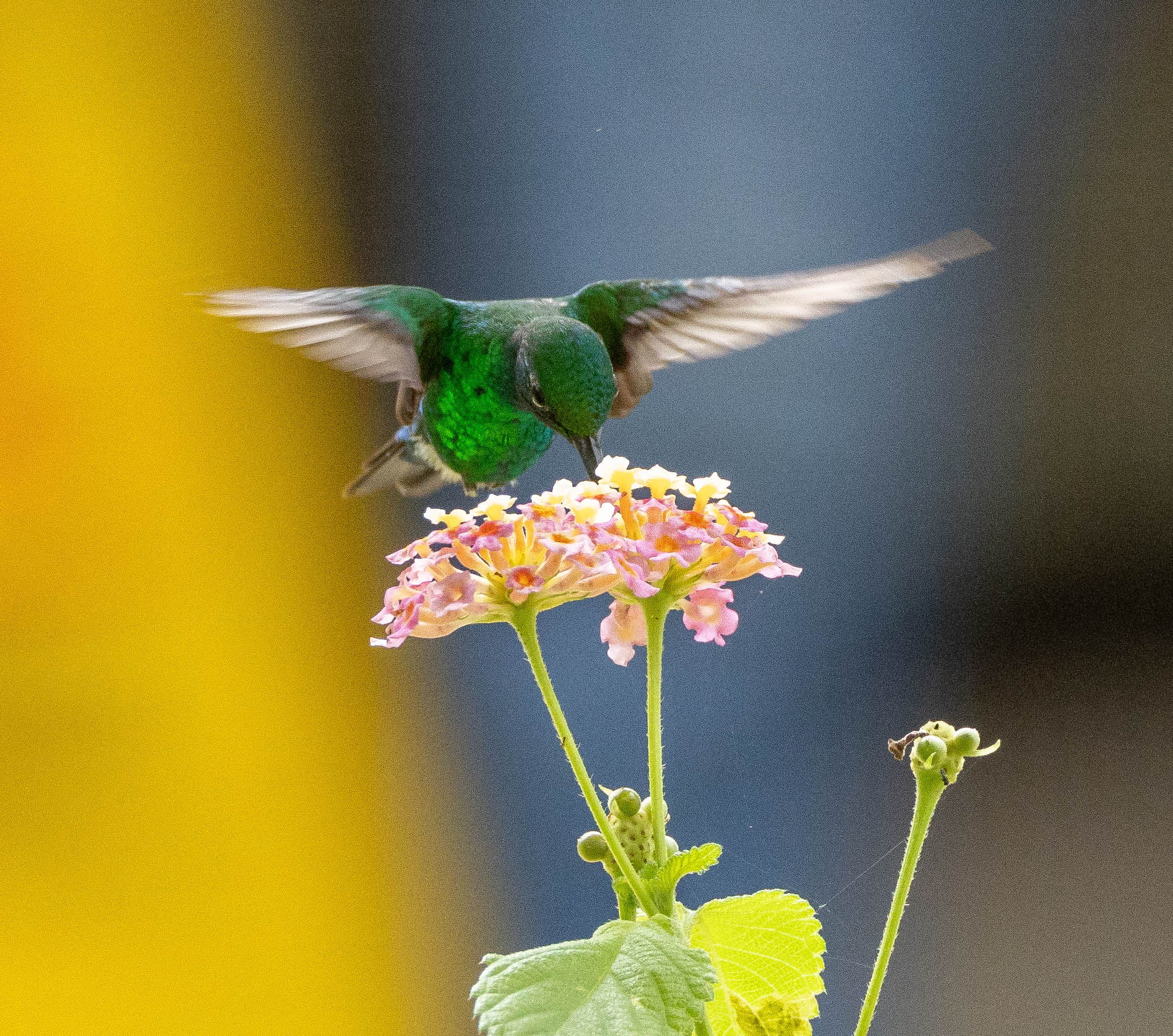
Garden Emerald
Black-throated Mango

I then took a trip to Panama city old town, which was interesting, but marked by a tropical downpour, so I got soaked cycling back to the hotel area. An amazing first day.

Blog at WordPress.com.

Up ↑