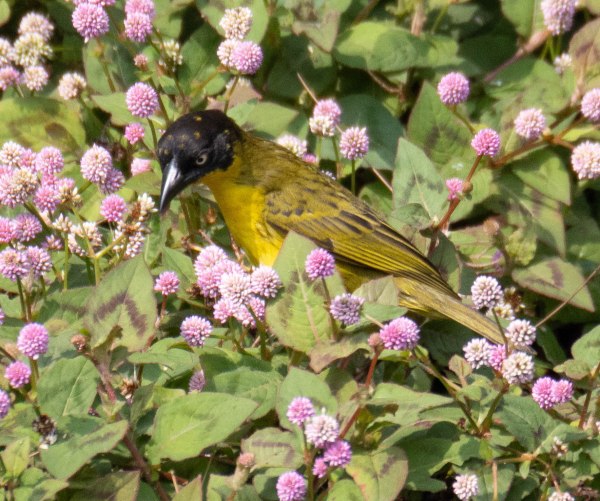
I was invited to Rwanda, to assist in teaching their fellows in their newly developed training program. I was delighted to try to help out, and in the days before my teaching commitments I decided to take a few days to tour Rwanda, to visit several national parks, and to do some serious birding.
On day 1 we left Kigali, went north west towards the Volcanoes national Park, stopping at a lake (lake Bihinga) on the way. After a couple of hours in various locations around the lake (over 55 species), we then set off for the lodge (Karisimbi Cave Resort) in a town called Musanze. I then settled into a lodge close to Volcanoes park, and looked around the grounds for some birds. I saw many birds on the way, and at the lake, almost all of which were entirely new to me, and then many more new species around the lodge.
The header image is a Baglafecht Weaver, one of a large number of Weaver bird species, many of which are similar and difficult to separate for an amateur. I have no idea what “Baglafecht” means.
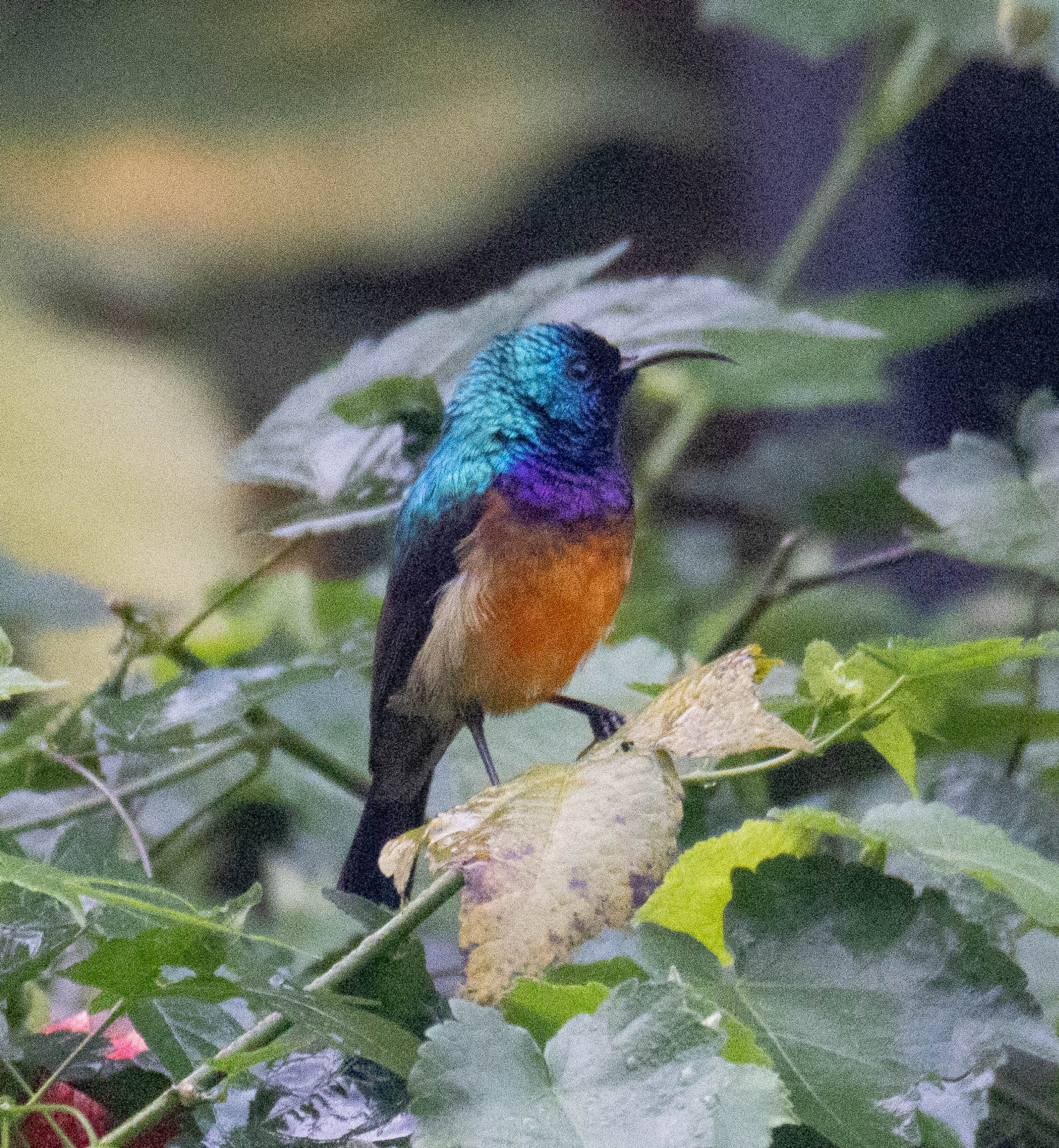
There are also a large variety of Sunbirds, which have long down-curved beaks, used to extract nectar from various flowers. This one is called the Variable Sunbird.
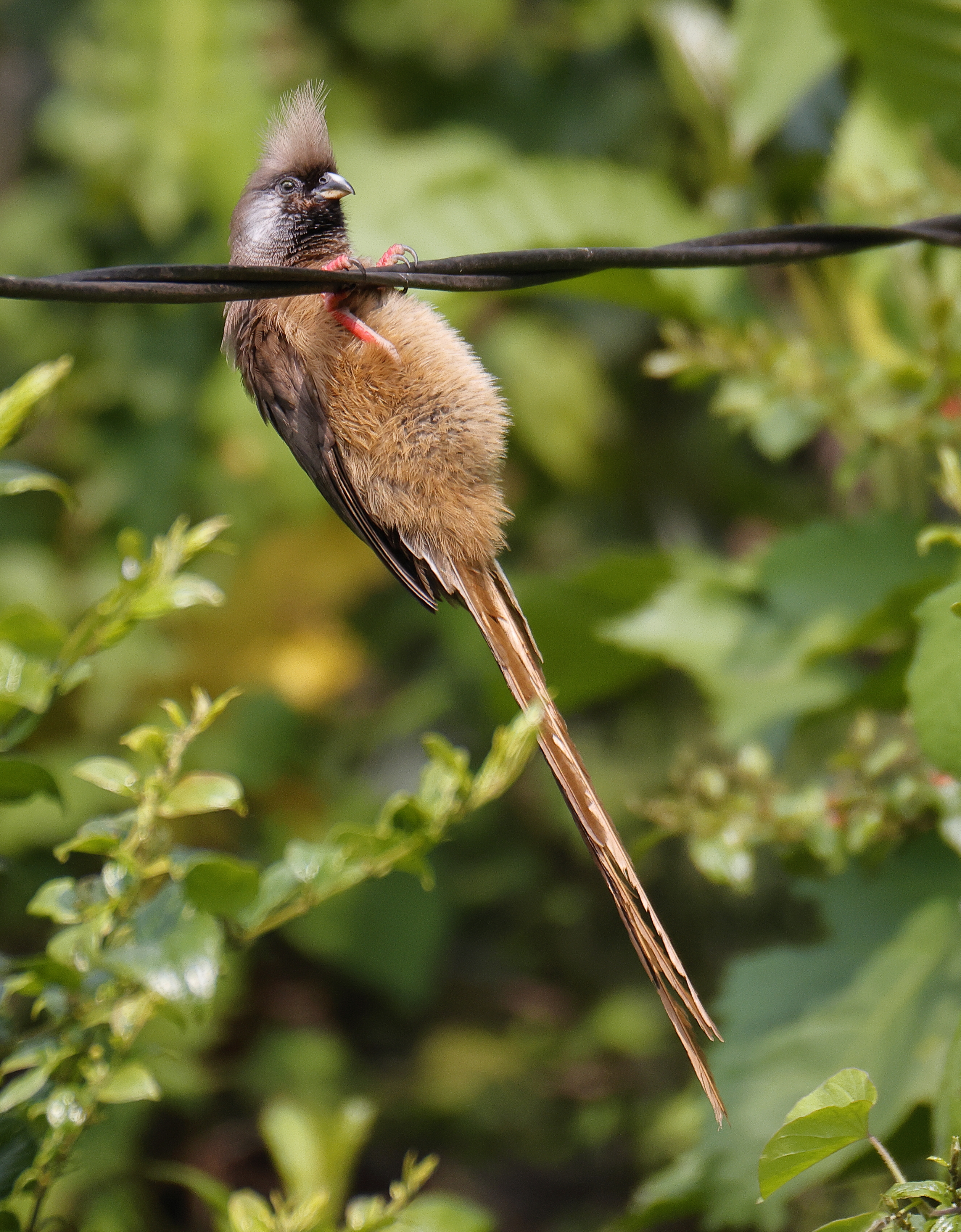
Speckled Mousebird.
According to some sources, they hang like this to get sunlight on their abdomens to increase intra-abdominal temperature and aid digestion. I think that is very suspect, and my guide did not think it was true. Indeed, if it were so, why wouldn’t many other birds (and other creatures) do this?
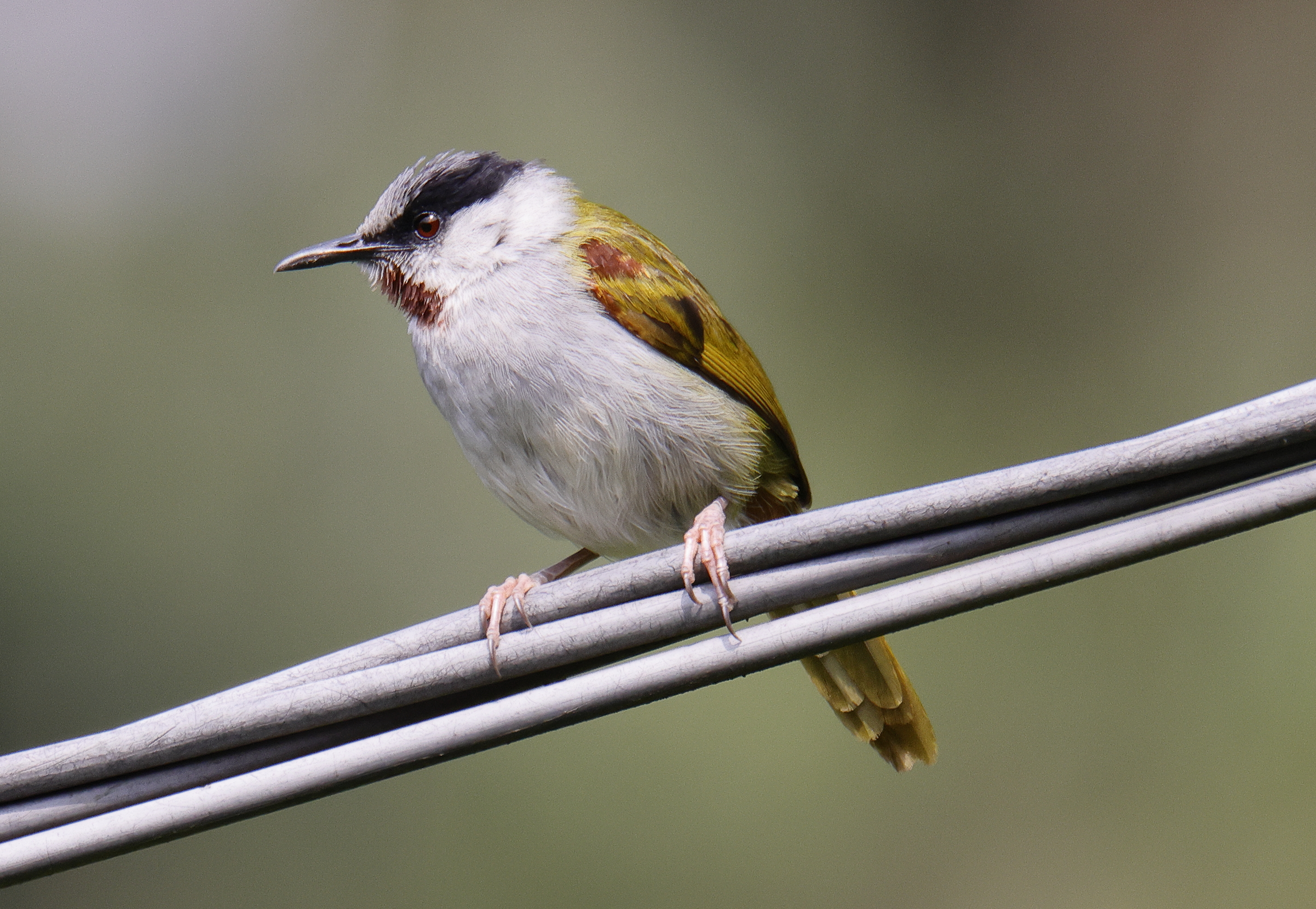
Gray-capped Warbler
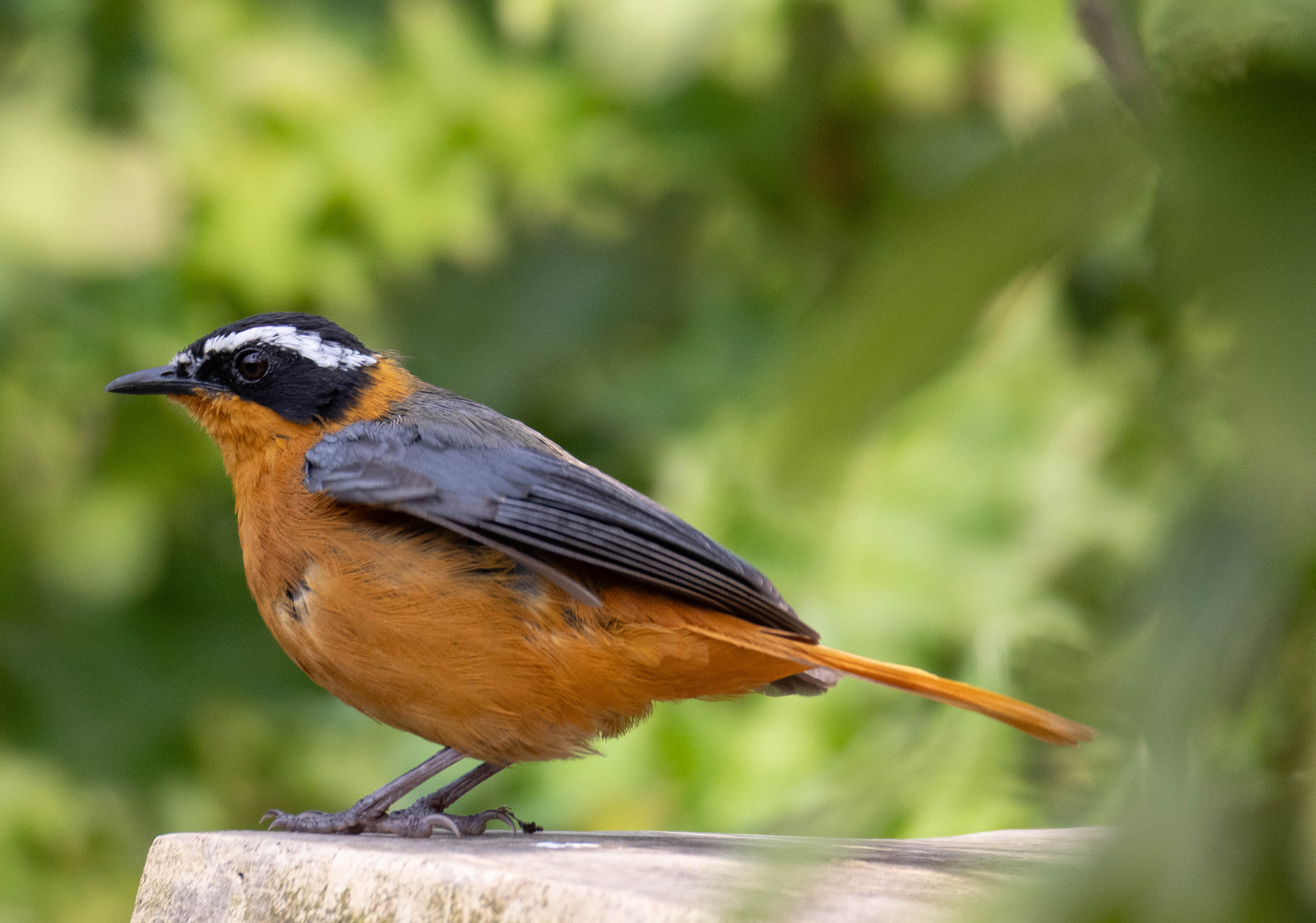
White-browed Robin-chat. This is a common bird, frequently seen around human habitations, it is quite noisy, sometimes even before dawn!
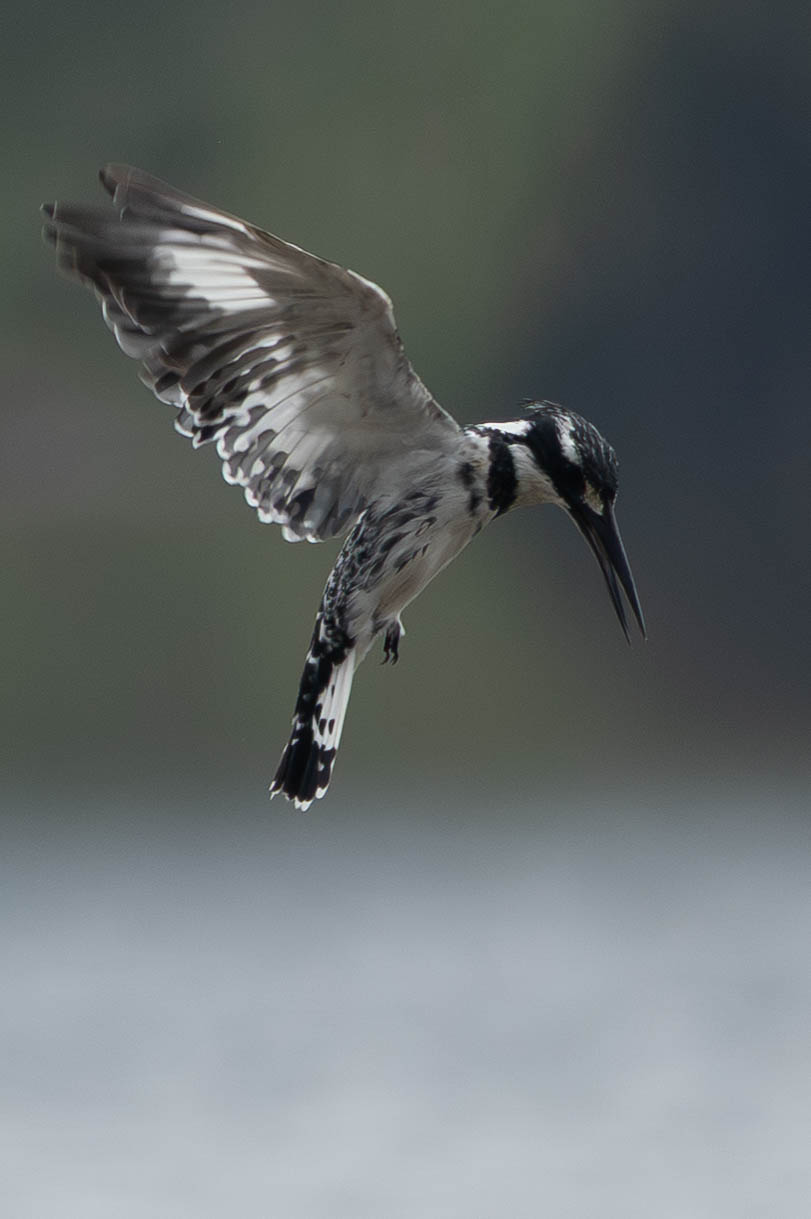
At the lake, there were several Pied Kingfishers, they can hover over the lake surface to detect prey, and then drop on their prey, usually small fish.
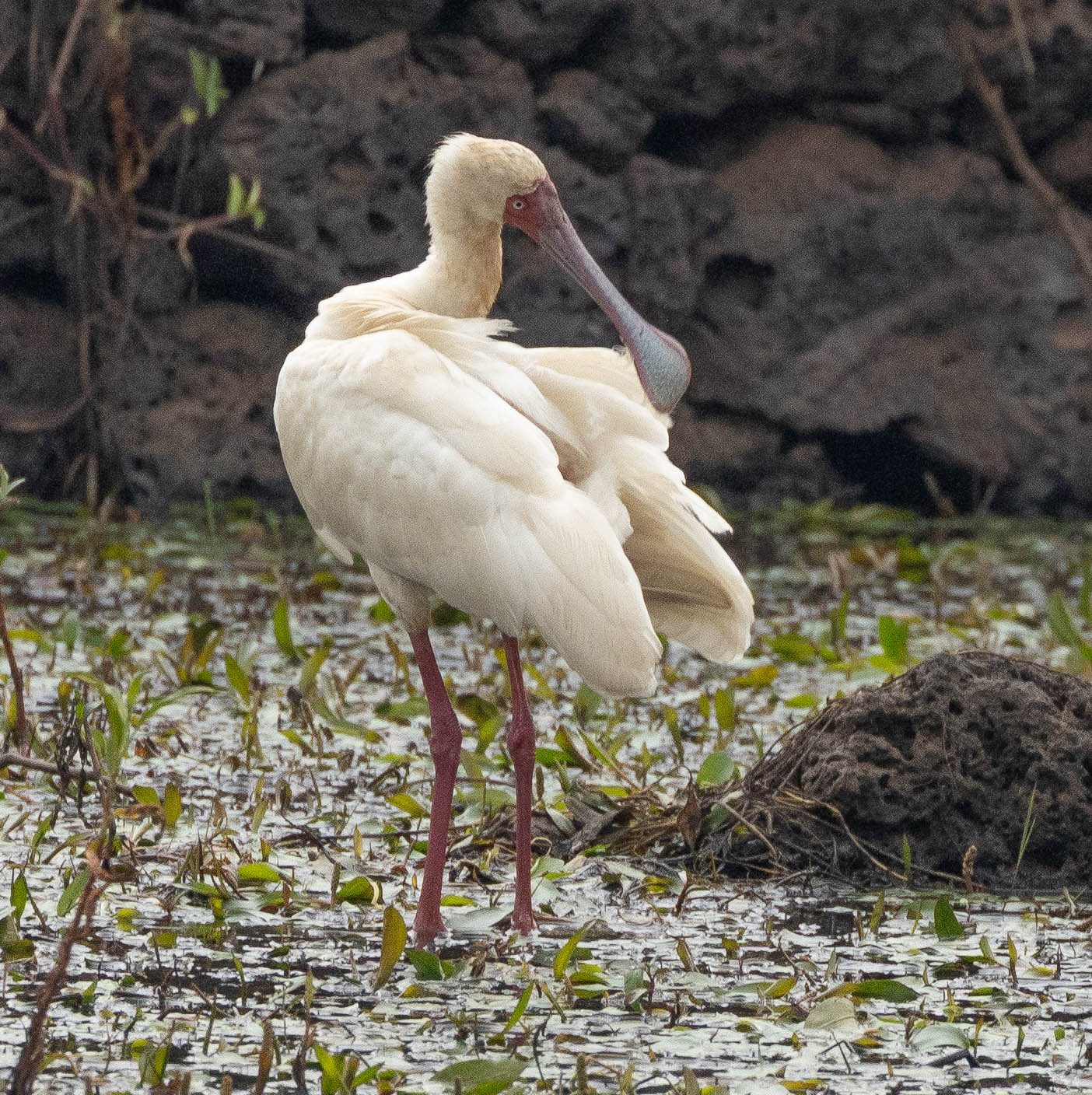
The African Spoonbill, is named for their most obvious feature.
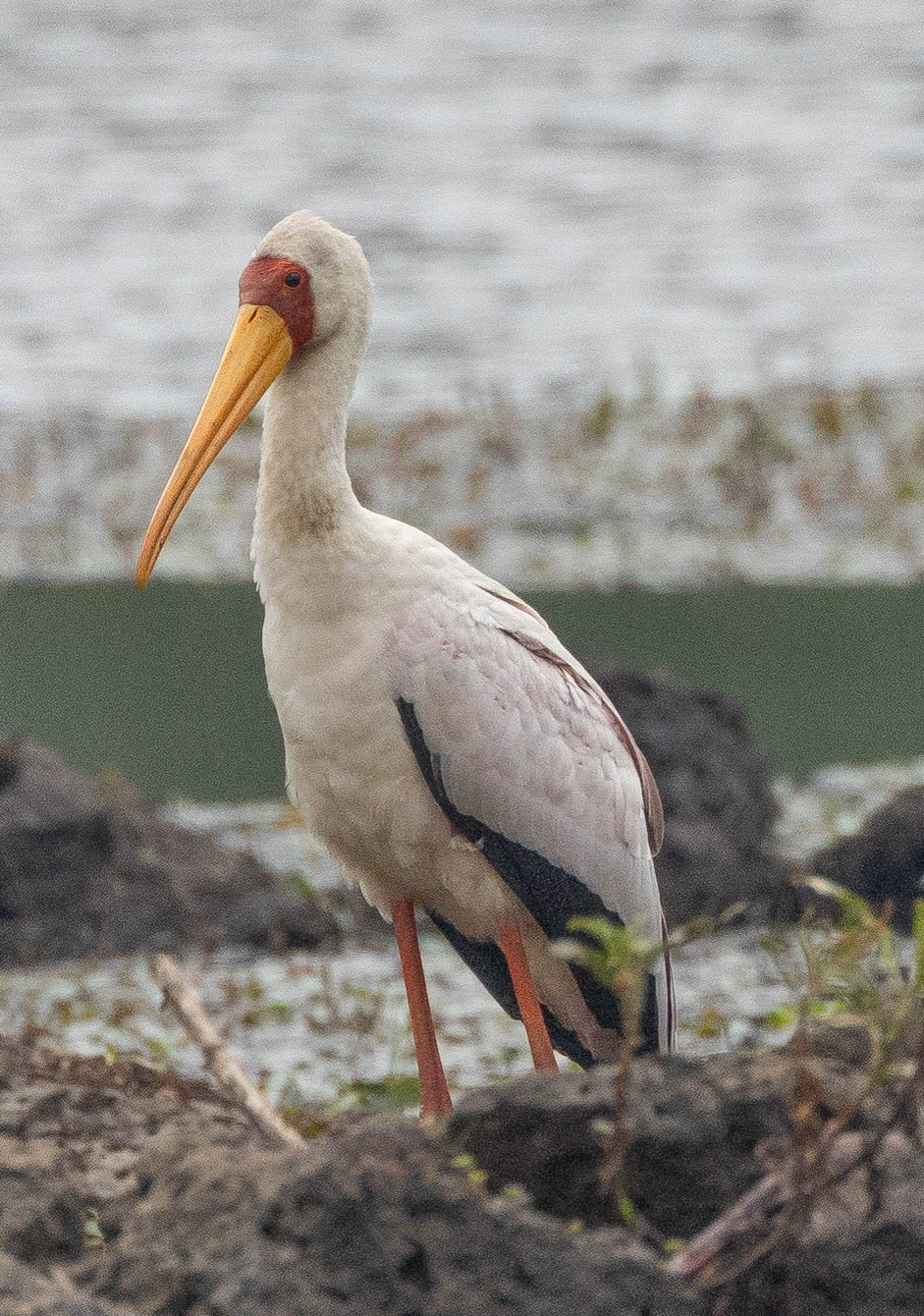
A similarly-sized, wading bird, is the Yellow-billed Stork.
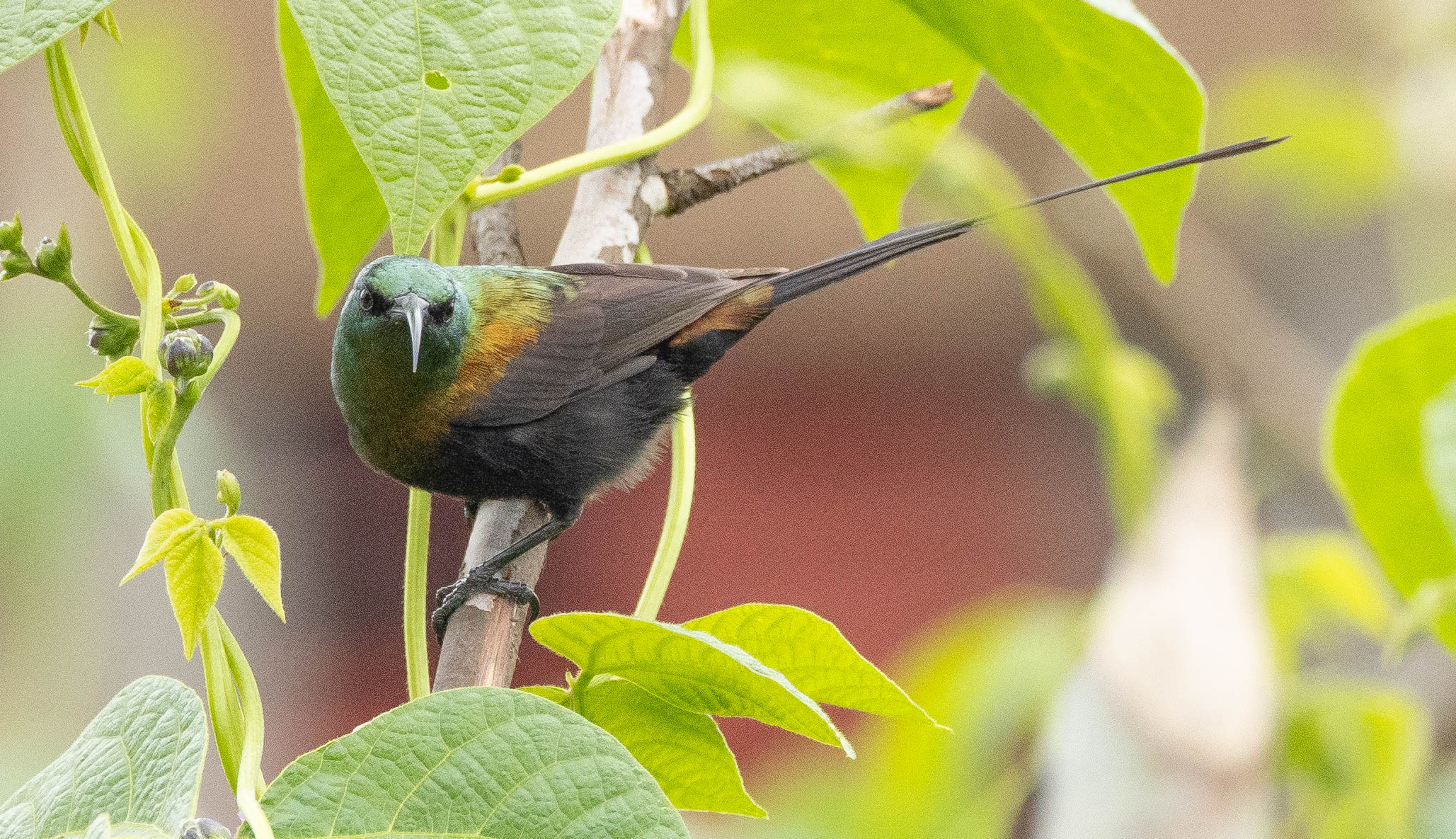
Another Sunbird, this is the Bronze Sunbird.


















 Keith Barrington's personal blog