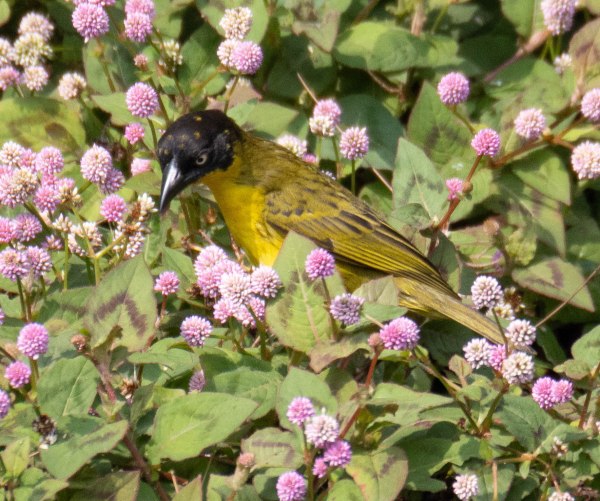
Bahamas

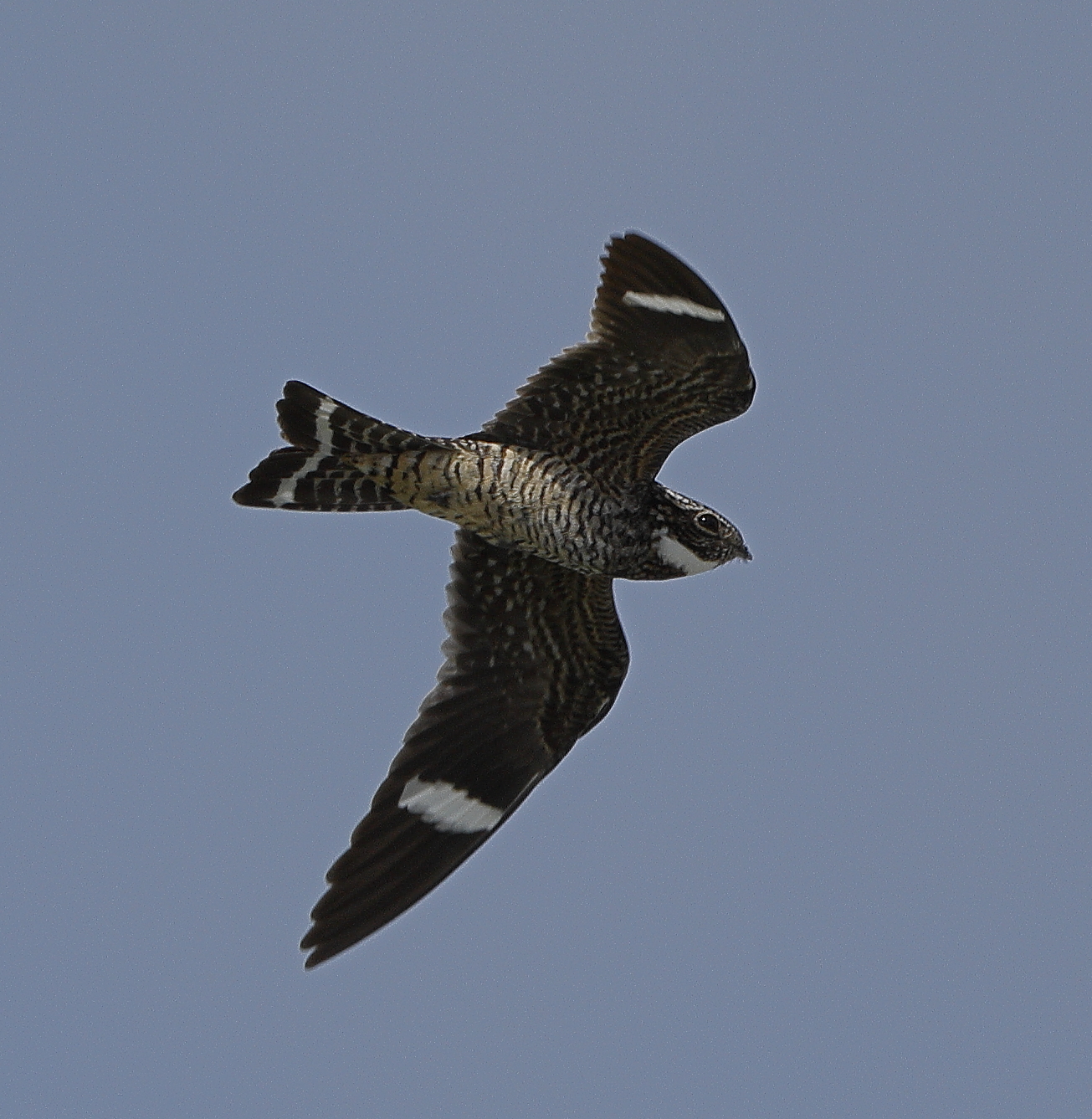
I have had little time for birding so far this year, so I took the opportunity to take some photos during a family vacation on Columbus Isle, a tiny island without a huge variety of bird life. The header image is of a bird from a family that I had never spotted before; they are usually nocturnal, but the Antillean nighthawks were very active where I was during the day, including, on one occasion, a huge flock of 40 to 50 birds hunting for insects for a couple of hours, including this one:

There were a couple of other new species for me, including this White-cheeked Pintail :

A least Grebe :

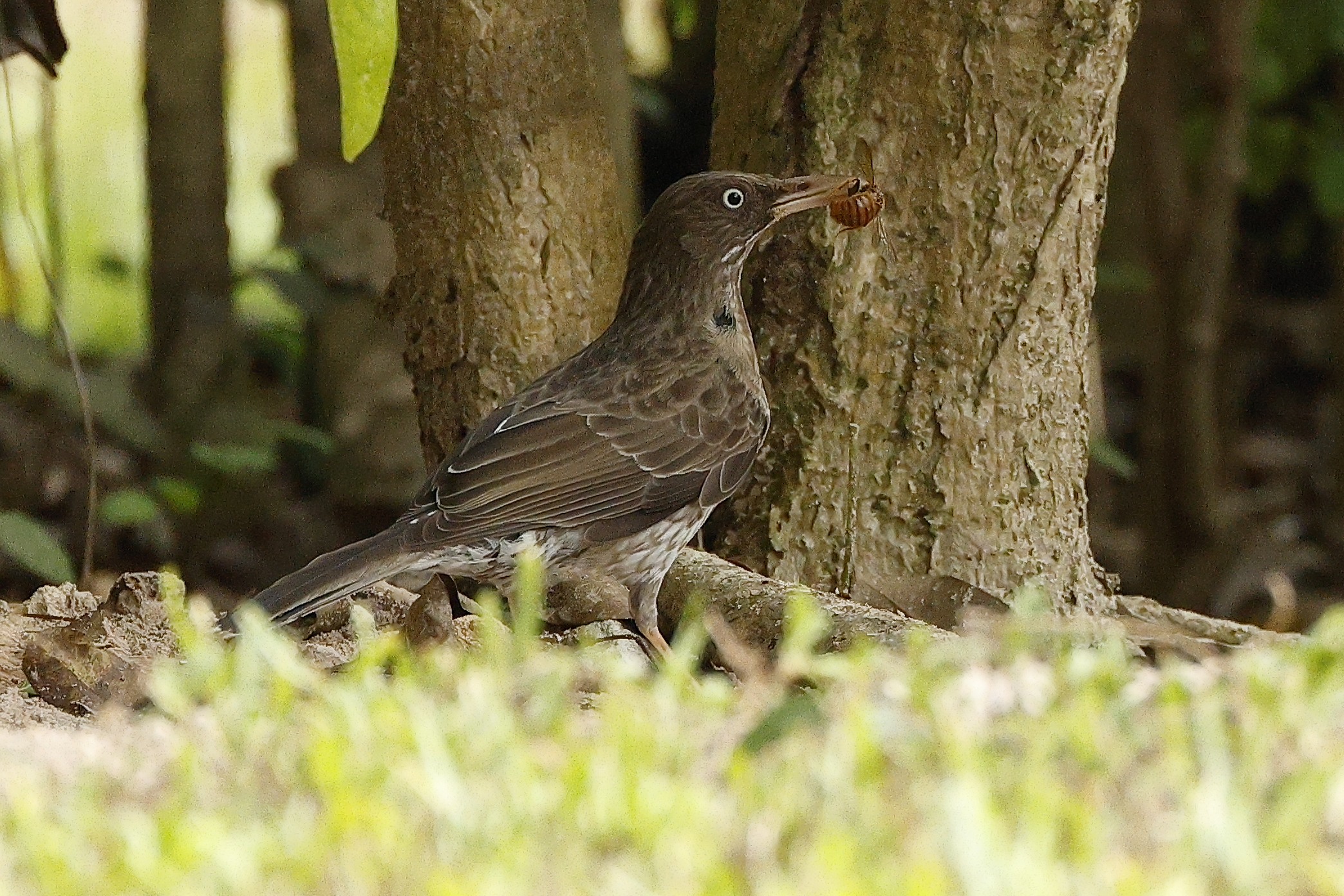
And a Pearly-eyed Thrasher :

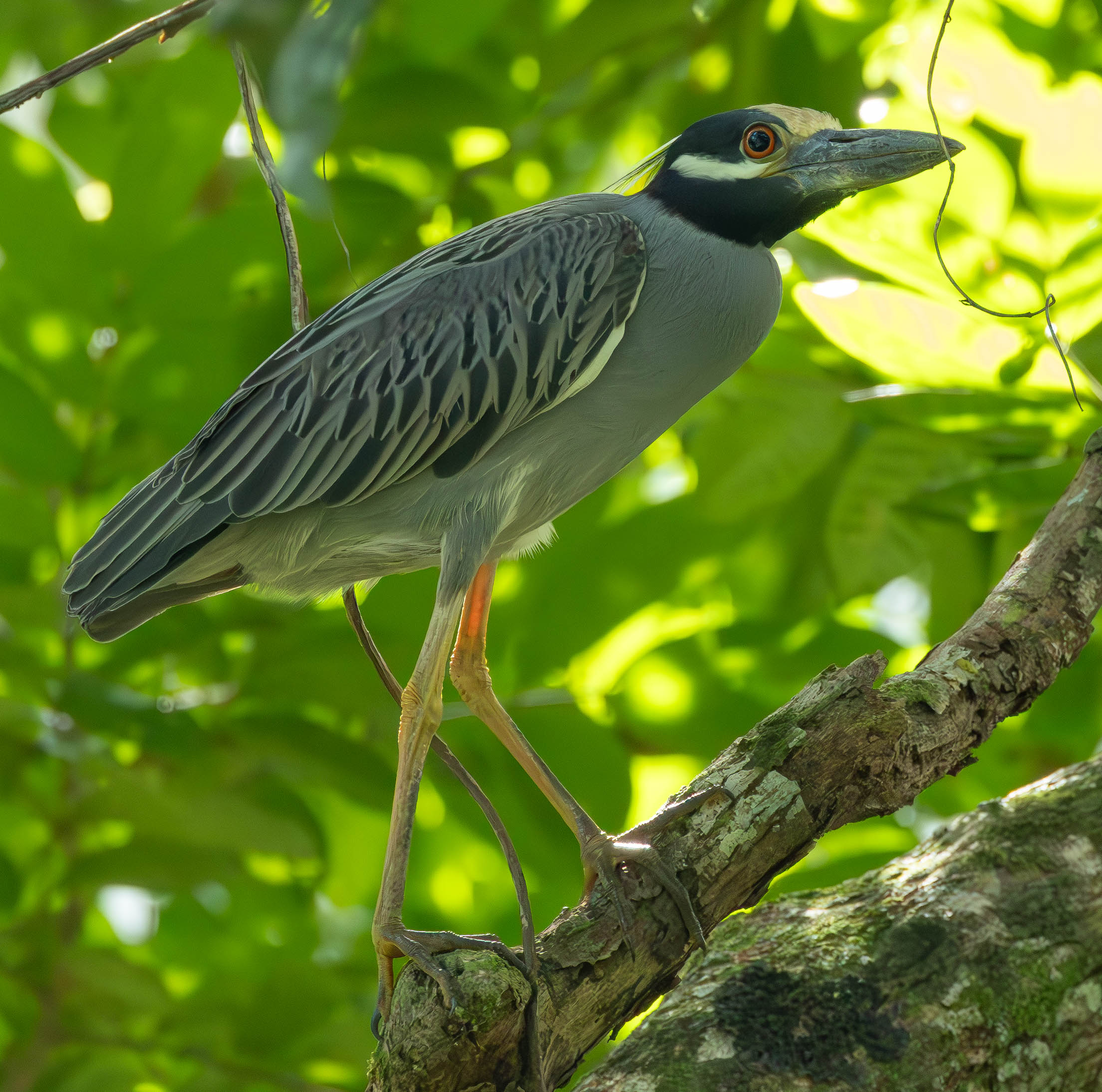
There were many Yellow-crowned Night Herons, that were almost tame :

And I found this American Kestrel to be particularly beautiful

There are a few endemics in these Islands, Wikipedia lists 8, 2 of which are extinct, and none of which I saw. One species which is quite local, but also found on a few other Caribbean Islands, was this Bahama Mockingbird :

There were also many White-crowned Pigeons, which I had only ever before seen at a distance, so I was pleased to be able to get close enough to get some good photos:

The Dominican Republic

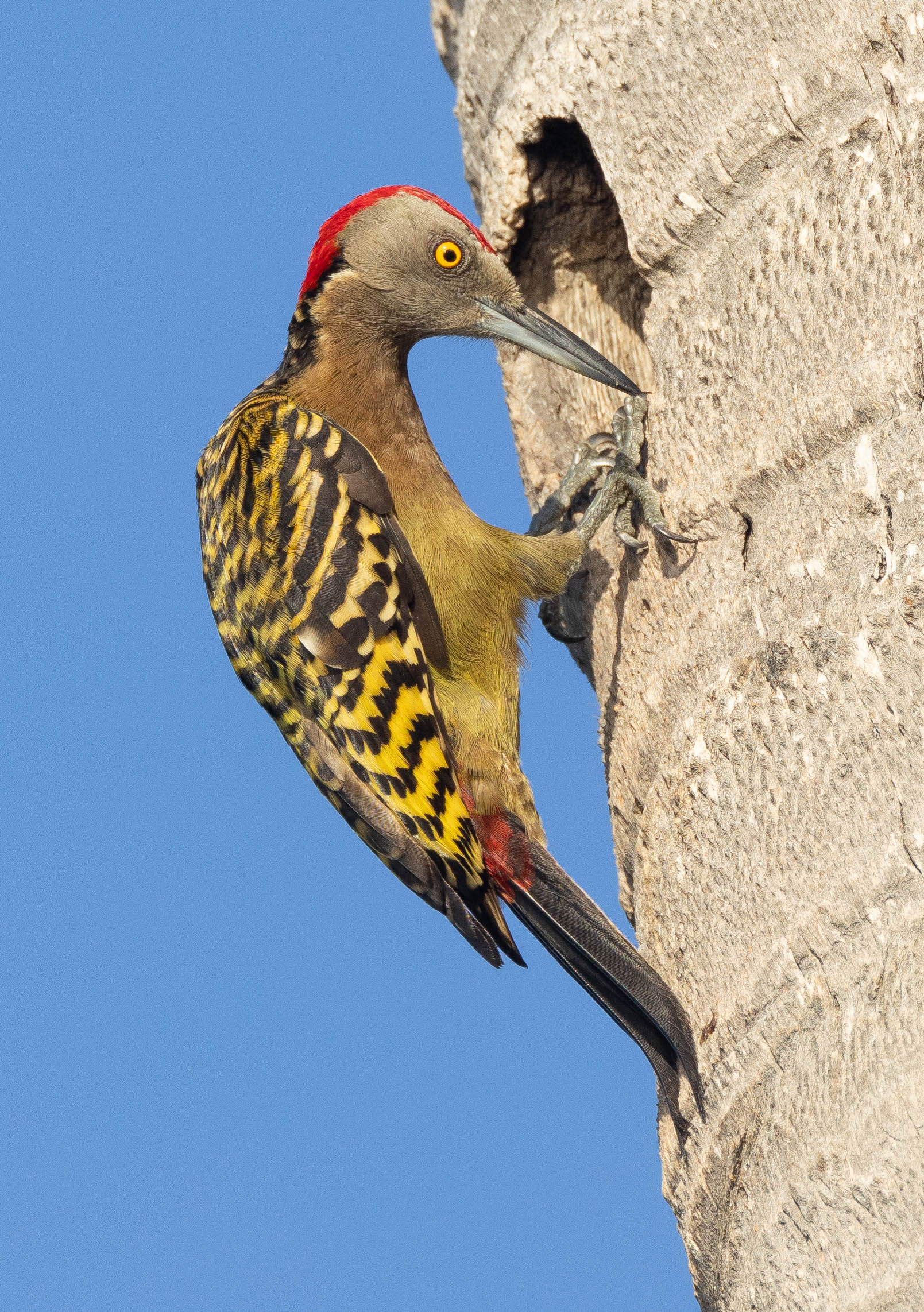
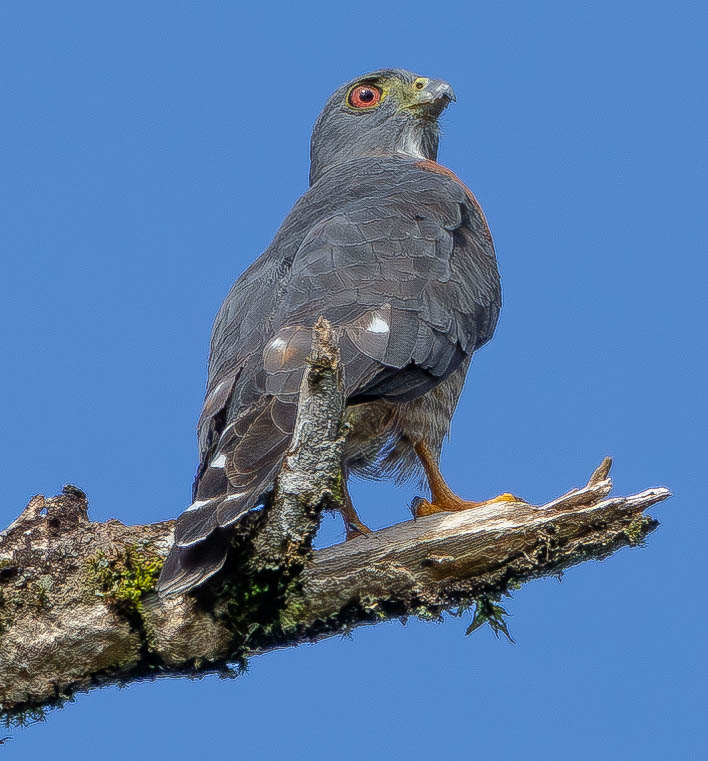
This was a family holiday in an all inclusive resort, which had a few native bird species on the property, including the endemic Hispaniolan Woodpecker below. Just before leaving I spotted the critically endangered Hawk, the Ridgway’s Hawk, which is the header image for this post.

Hispaniolan Woodpecker

There were many Palmchats, who build large communal nests.

Palmchat

I took the opportunity to have one day birding, which was actually not a success. The trip was advertised as being a 1 hour 45 minute drive from Punta Cana, where we were staying, to the Los Haitises National Park for a birding walk with a guide. It actually took nearly 4 hours to get there, and 3 hours to get back, for a 2 hour birding walk with a guide who had limited knowledge, and mis-identified some birds.

We did manage to see the following on the walk:

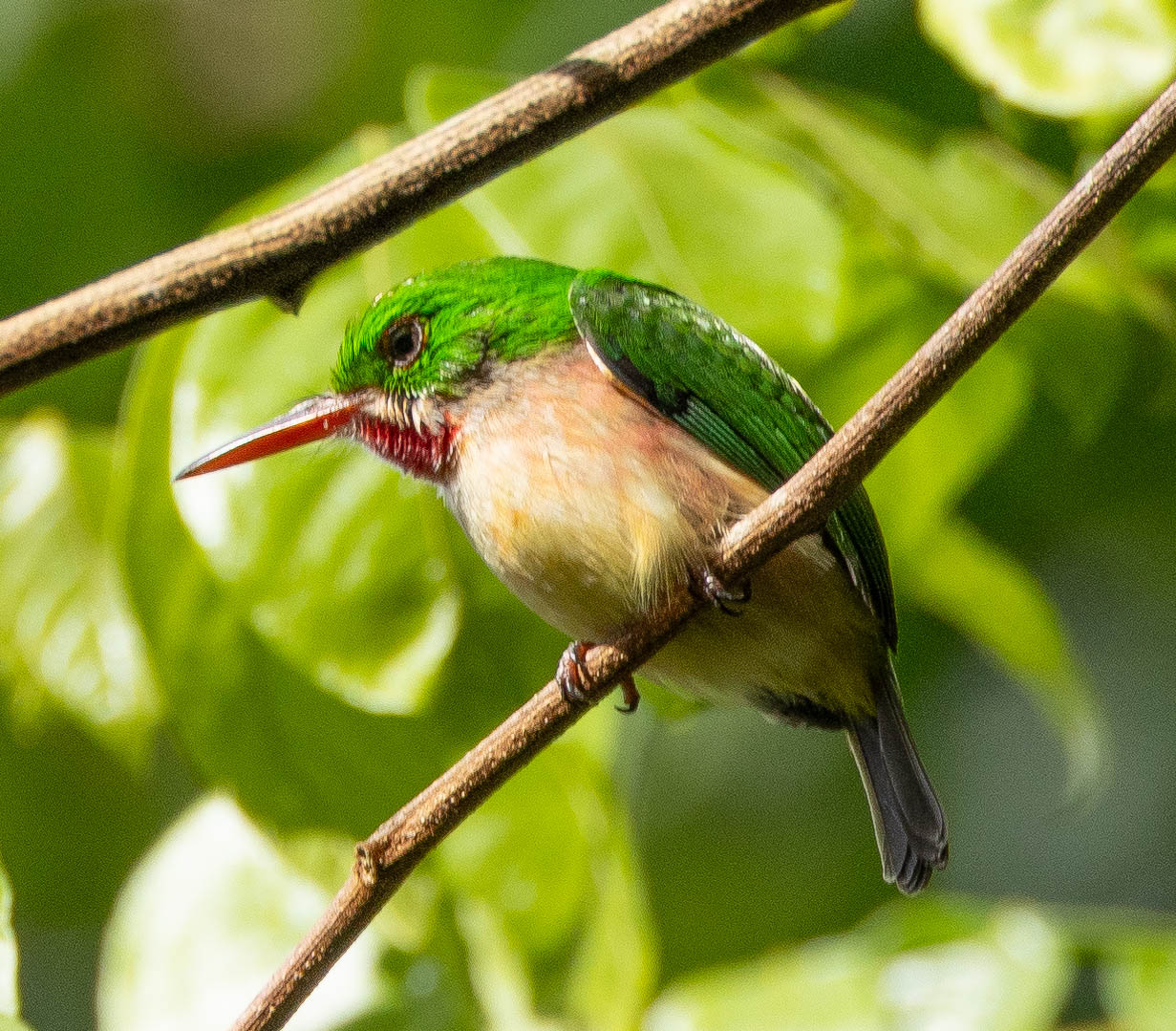
Broad-billed Tody
Yellow-faced Grassquit
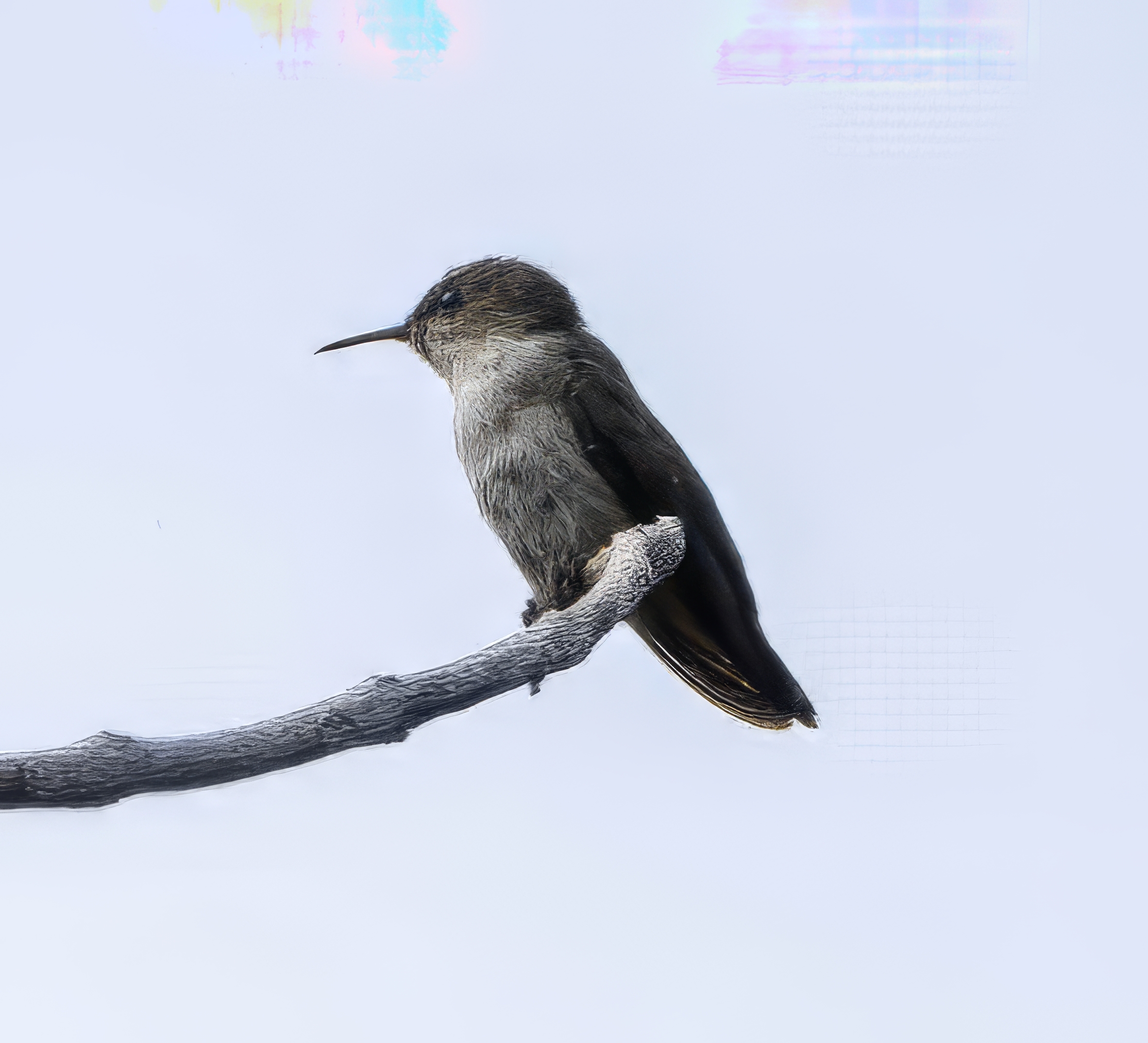
Verveine Hummingbird, the second smallest bird in the world!

Then we had a 1 hour boat ride to see a cave, travelling through the mangroves.

West Indian Whistling Ducks
Little Blue Herons, Adult and Immature (who is white!)
Yellow-crowned Night Heron

Back at the resort, there was a Kestrel frequently hunting on the property

American Kestrel

And many Ruddy Turnstones forming mixed flocks on the beach with Sanderlings

Ruddy Turnstones

The Ridgway’s Hawk was banded, as you can see, and probably came from “Reserva Ecologica Ojos Indigenas”, situated about 6 km away, and which has a rescue program.

Panama, day 8. Canopy Tower.

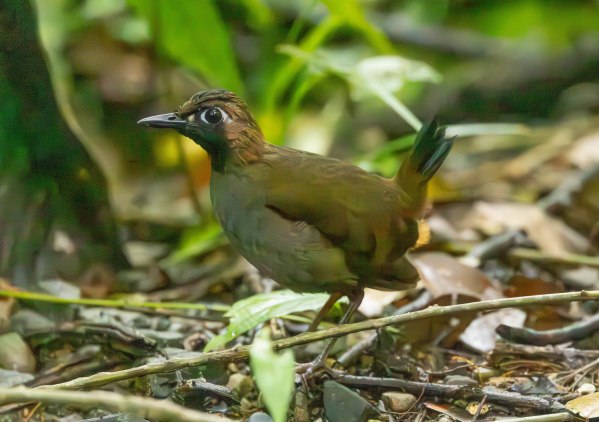
I was able to add an extra day at the end of the Wings tour, and organised an overnight at a place which is iconic for birdwatchers, indeed I had heard of the place years before I became a birder. The Canopy Tower is an old US military radar installation, on top of a hill, so the tower pierces the forest canopy, giving eye-level contact with canopy birds, as well as amazing views of the canal itself. From there I had a couple of outings, including to the Pipeline road. The header image is a Black-faced Antthrush, normally quite shy, this guy came right close to our feet as he was singing away.
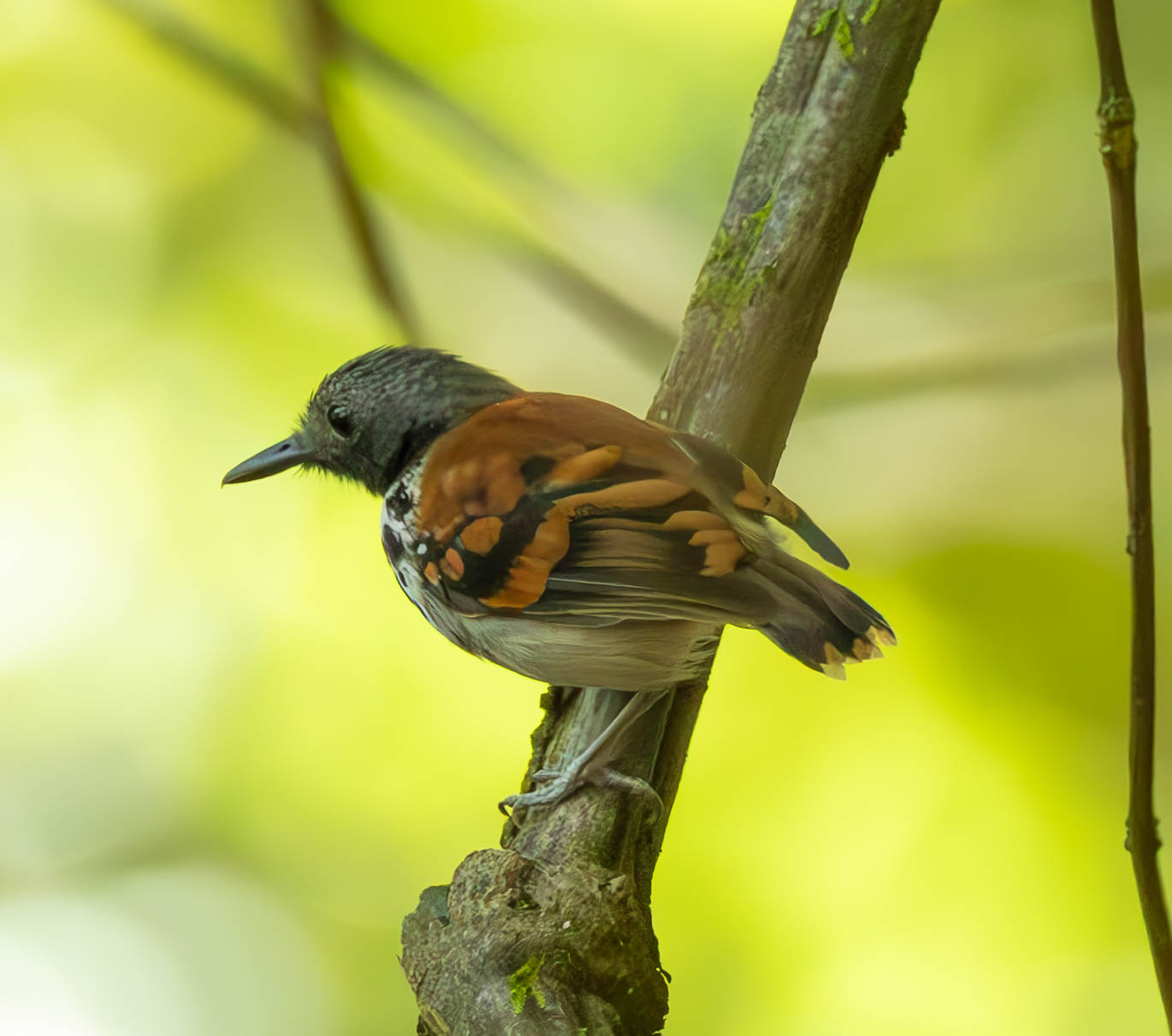
Black-faced Antthrush

Ringed Kingfisher

The largest of the new world Kingfishers.

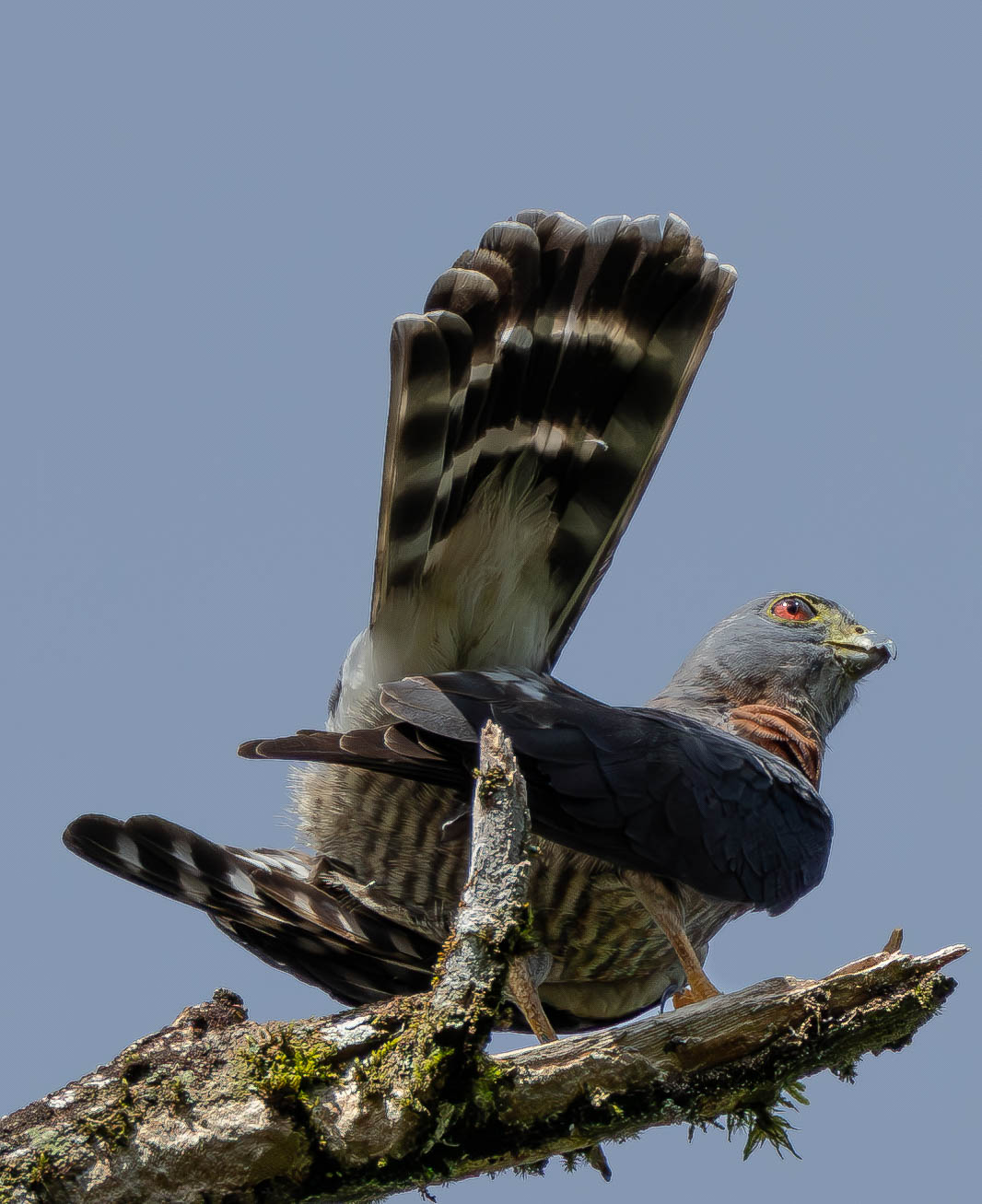
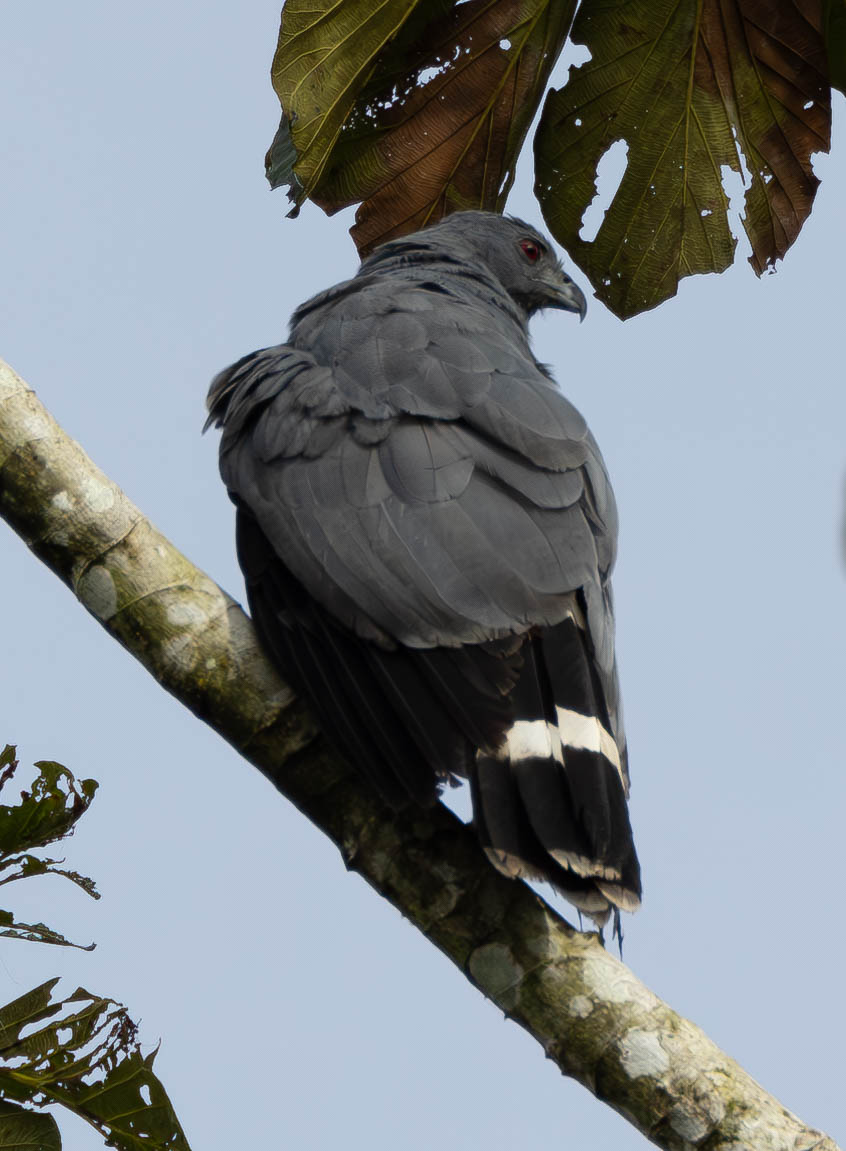
Double-toothed Kite
Double-toothed Kite

If you look carefully, you can see the notches on the bill of the kite that give it its name.

In the afternoon, after some photography at the hummingbird feeders, the trip was to the Gamboa rainforest reserve.

Long-billed Hermit
Snail Kite
Snail Kite

The bill of this kite is just as frightening as the Hook-billed Kite

Little Blue Heron

As you can see the immature Little Blue Heron isn’t blue, but snowy-white with as a bluish tinge to the beak and legs.

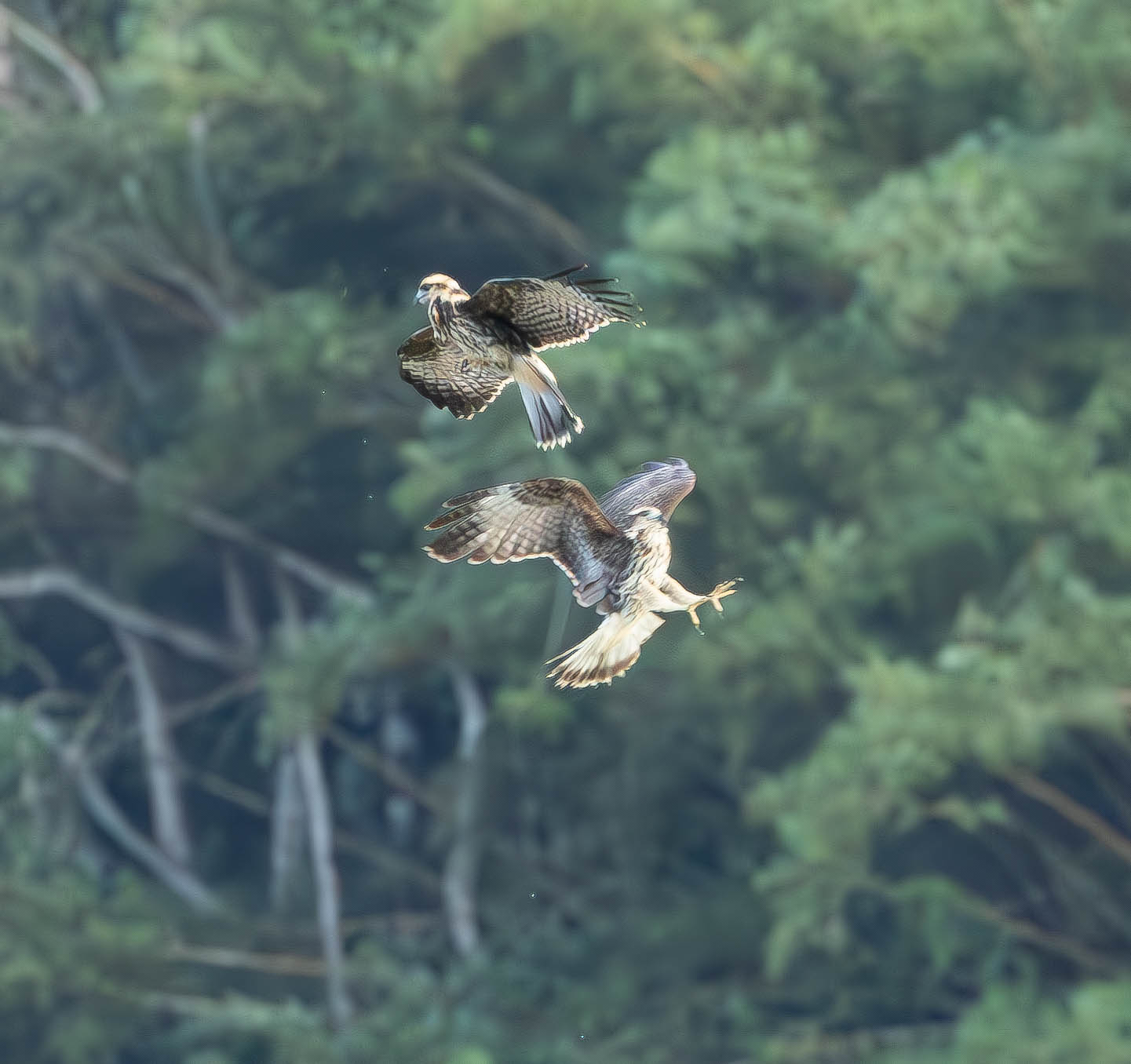
Yellow-headed Carcaras disputing

Panama, day 6. Yaviza forest and wetlands.

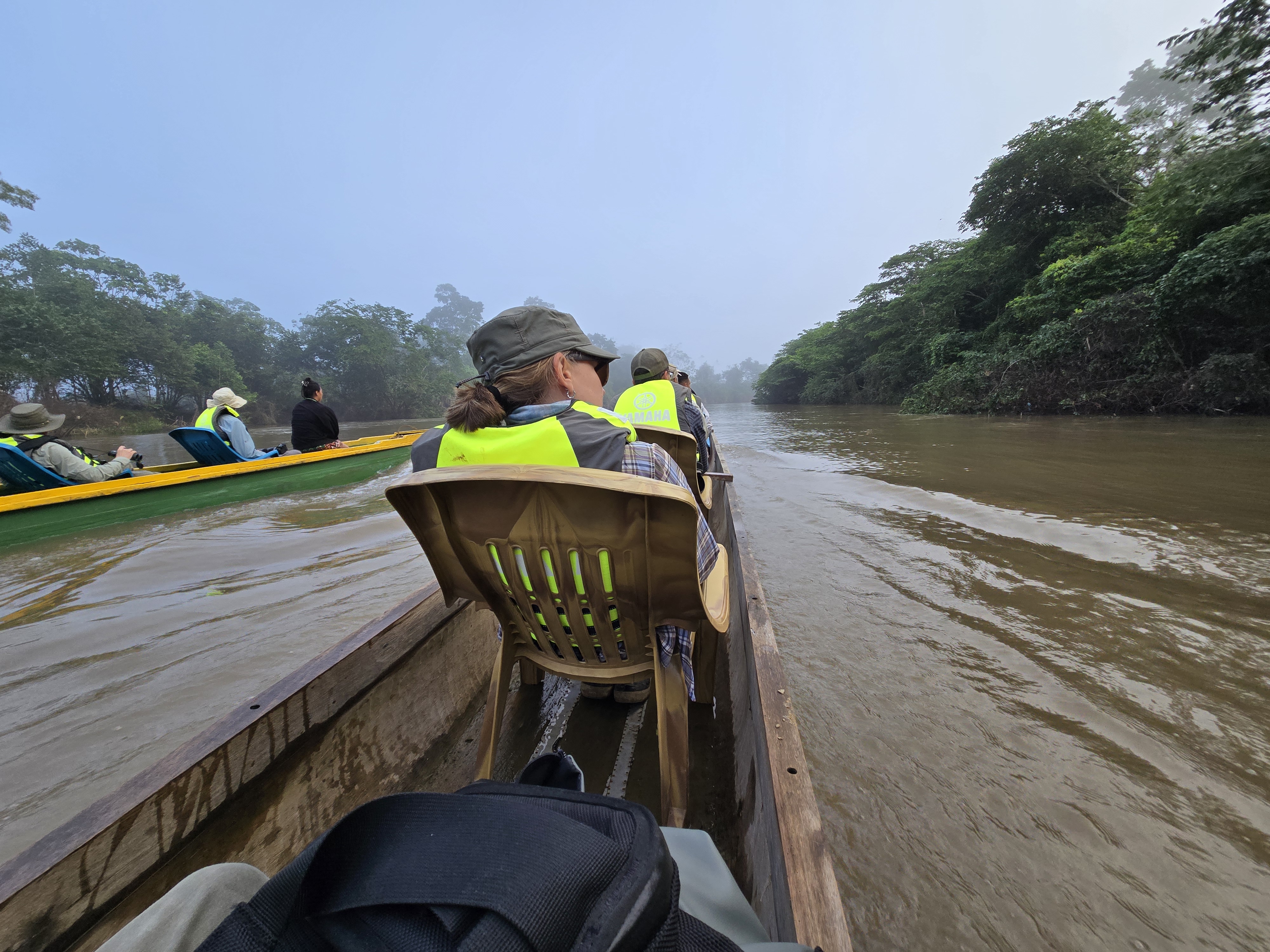
Another river trip, this time in smaller dug-out canoes (some were really dugouts, others looked similar but were made from separate pieces of wood). The seating was plastic garden chairs, with no attachments to the boat, we picked them up and moved them around in order to load the canoe. The tropical river, again the Chucunaque, was very calm, even when other boats passed in the other direction.

Most of them carried locals, who use the river as the main highway. In addition there were many canoes which were packed with adults wearing life-jackets, immigrant/refugees who had been processed further downstream, and were being transported for further processing. Apparently many of them were from Haiti, and in the short time we were on the river there were probably a couple of hundred. Probably thousands a day are arriving, on just one river.

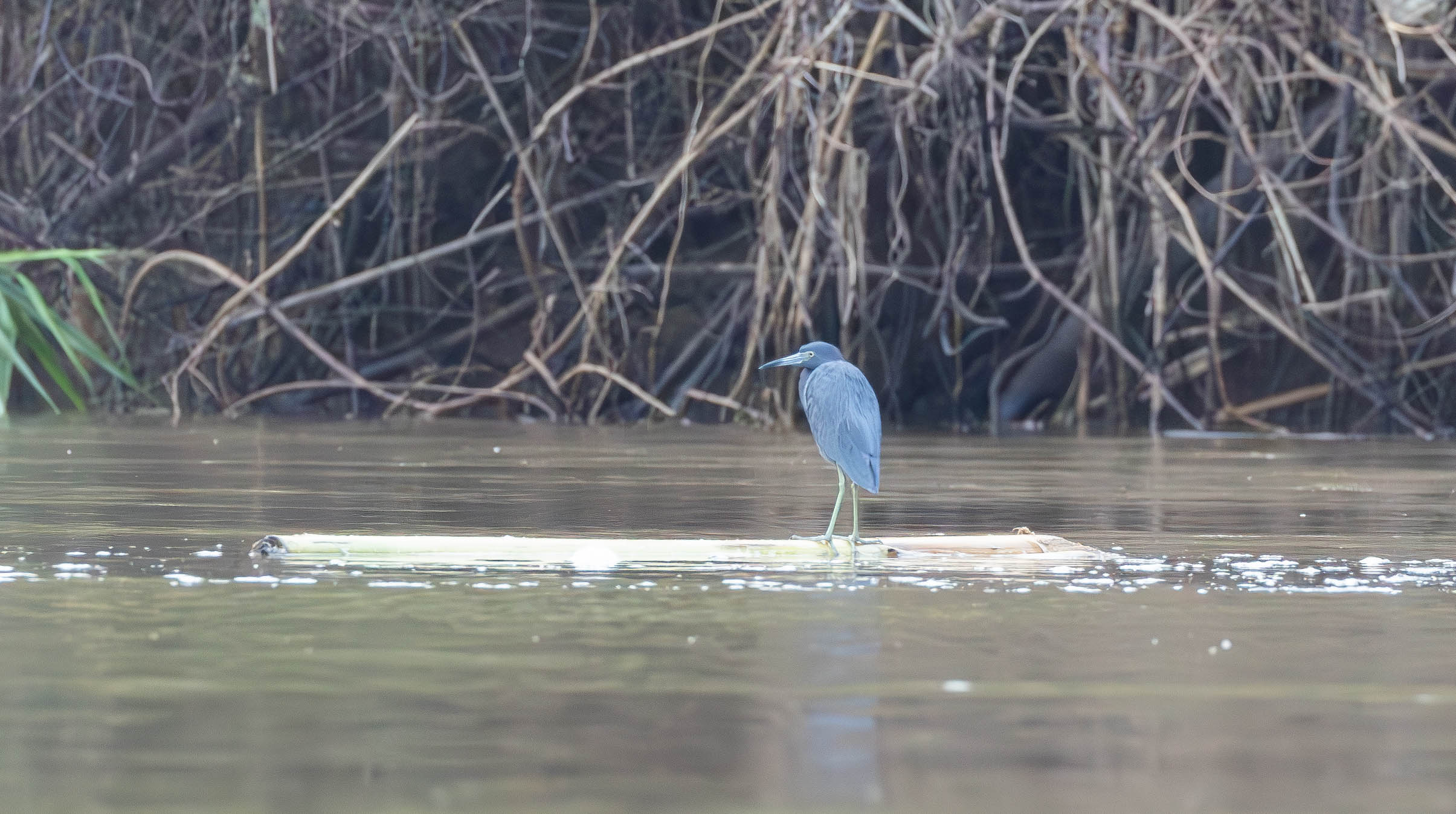
This innovative Little Blue Heron was using a floating log as his transport.

Little Blue Heron
Mangrove Swallows
Crane Hawk
Three-toed Sloth, aka Brown-throated Sloth

The first stop on the journey was to a site where the scarce Dusky-backed Jacamar had been seen. Expecting to have to search for a while, we disembarked and prepared for a walk, but the bird was waiting for us about 10 m from the landing spot!

Dusky-backed Jacamar

Then over to a village of the Embera People, Nuevo Vigia, and a walk to an Ox-bow lake.

Spotted Antbird
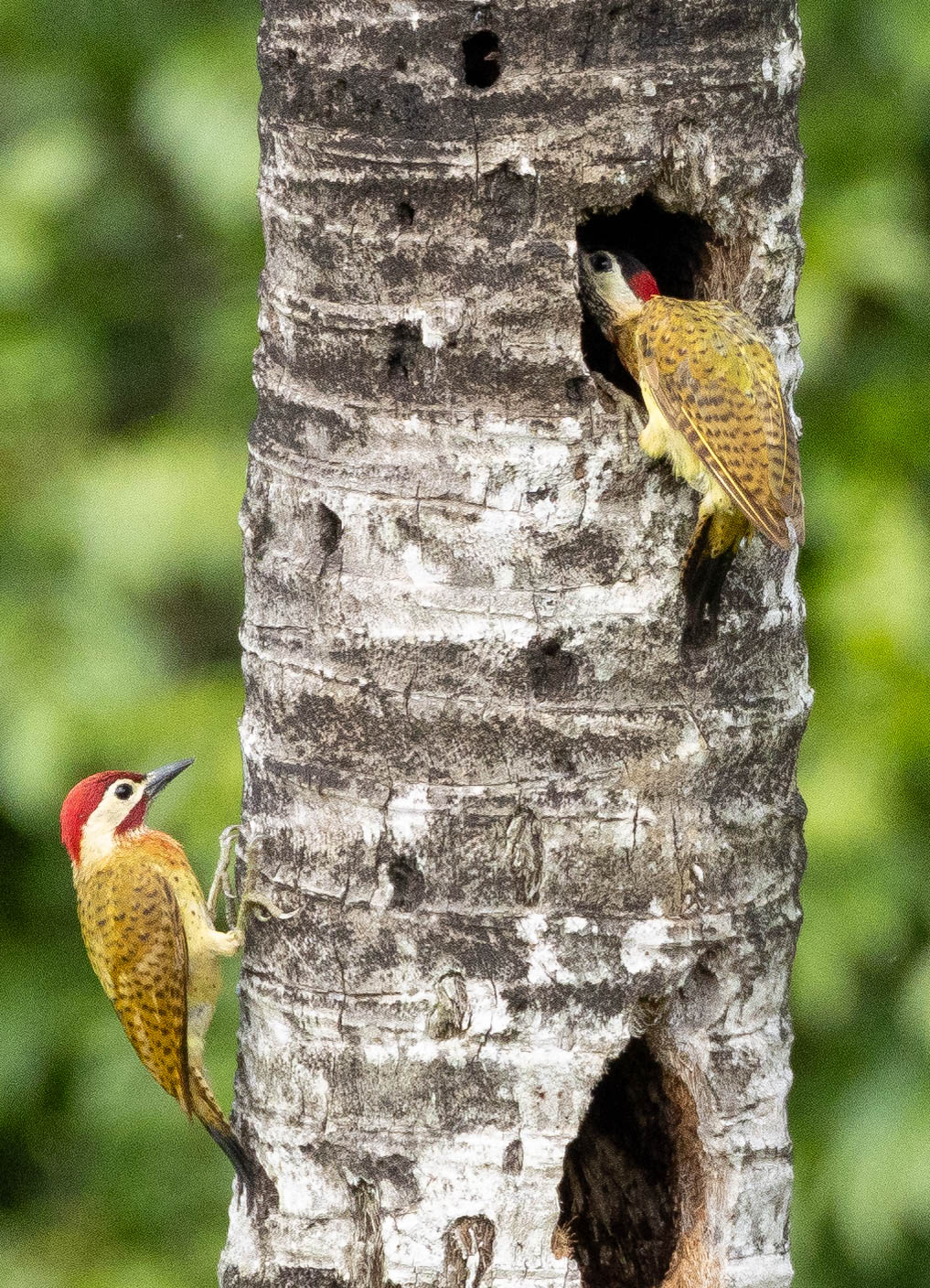
Spot-breasted Woodpeckers, m&f.

And at the oxbow lake, several new species

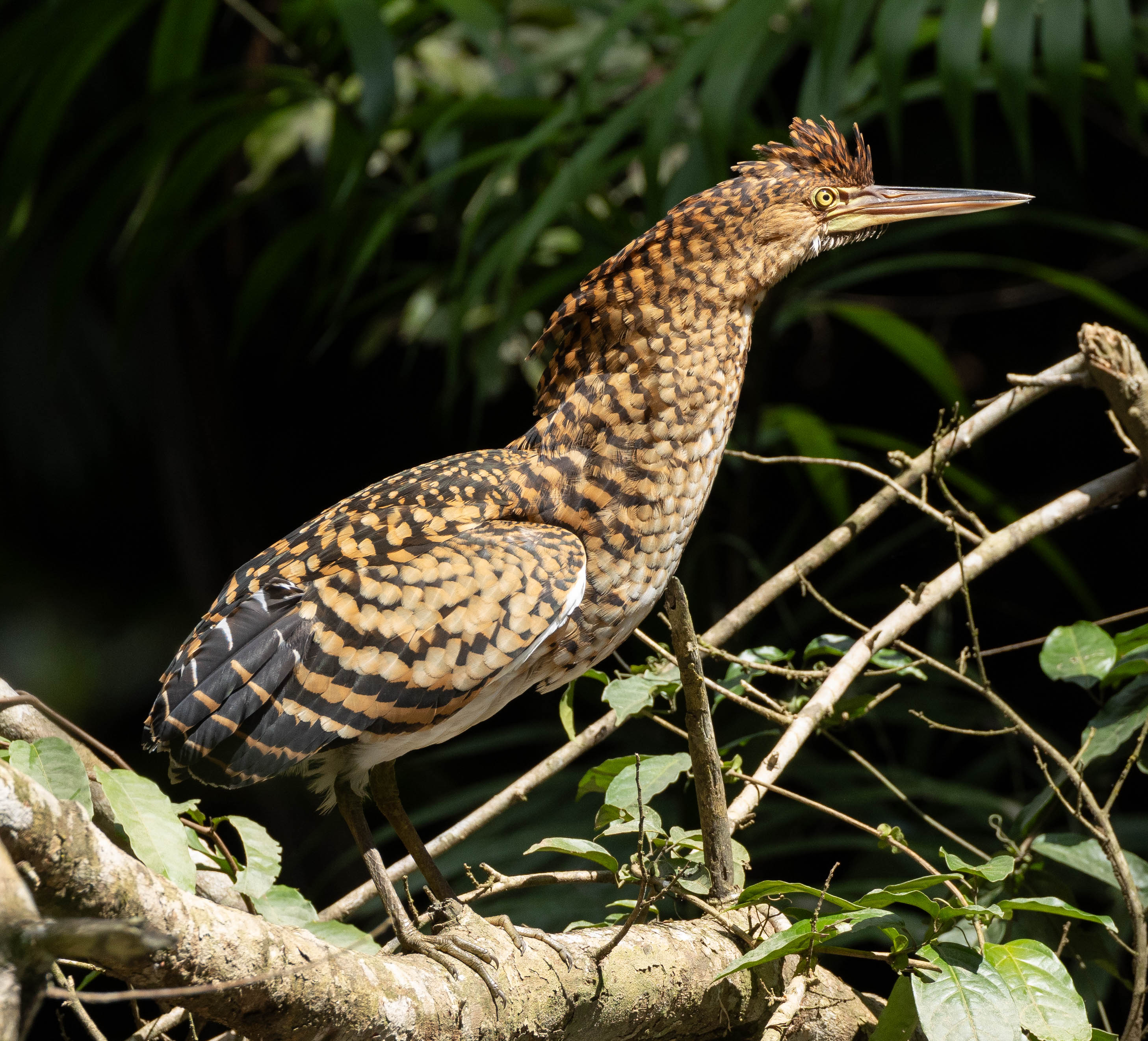
Rufescent Tiger-Heron
Spectacled Cayman
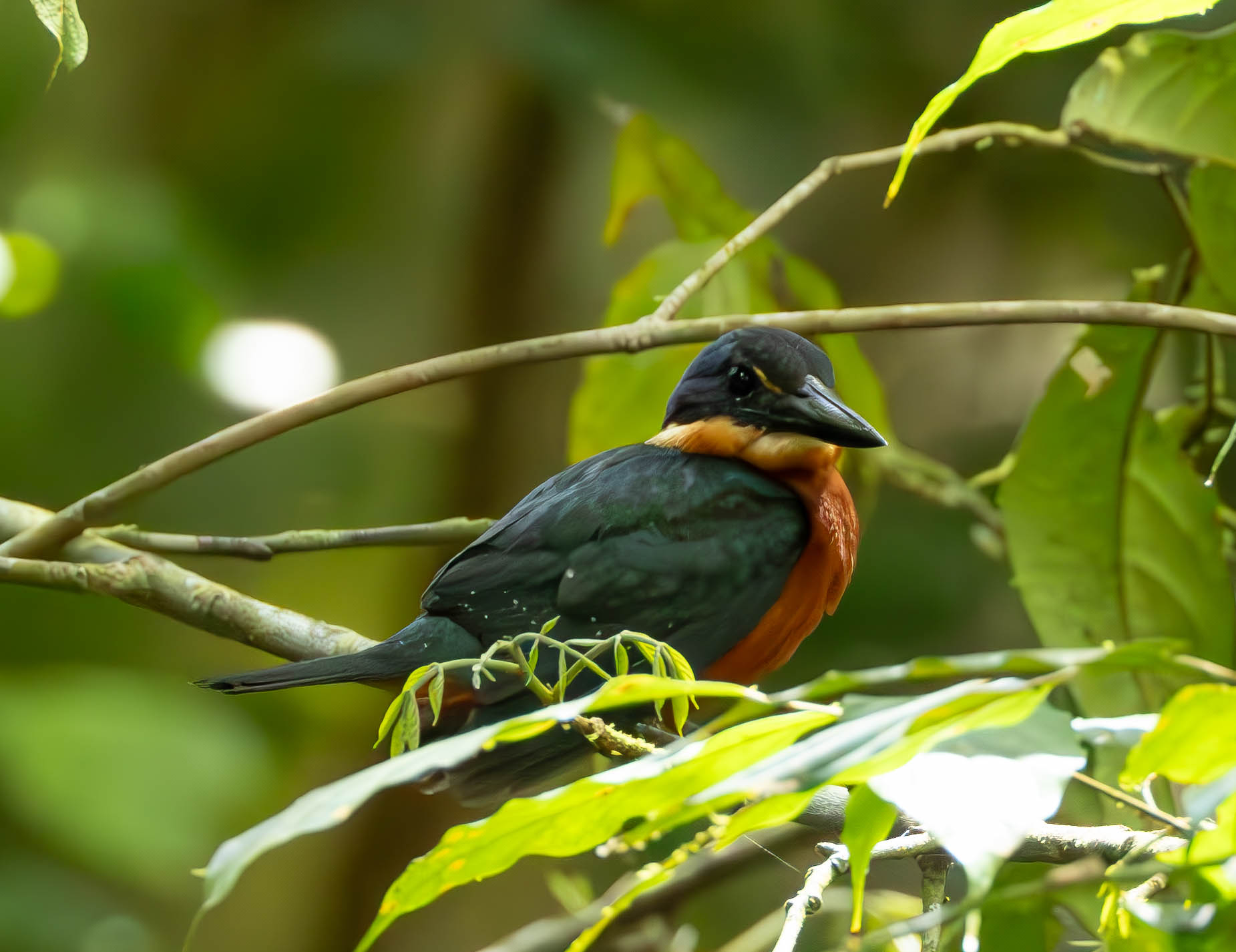
Green-and-Rufous Kingfisher
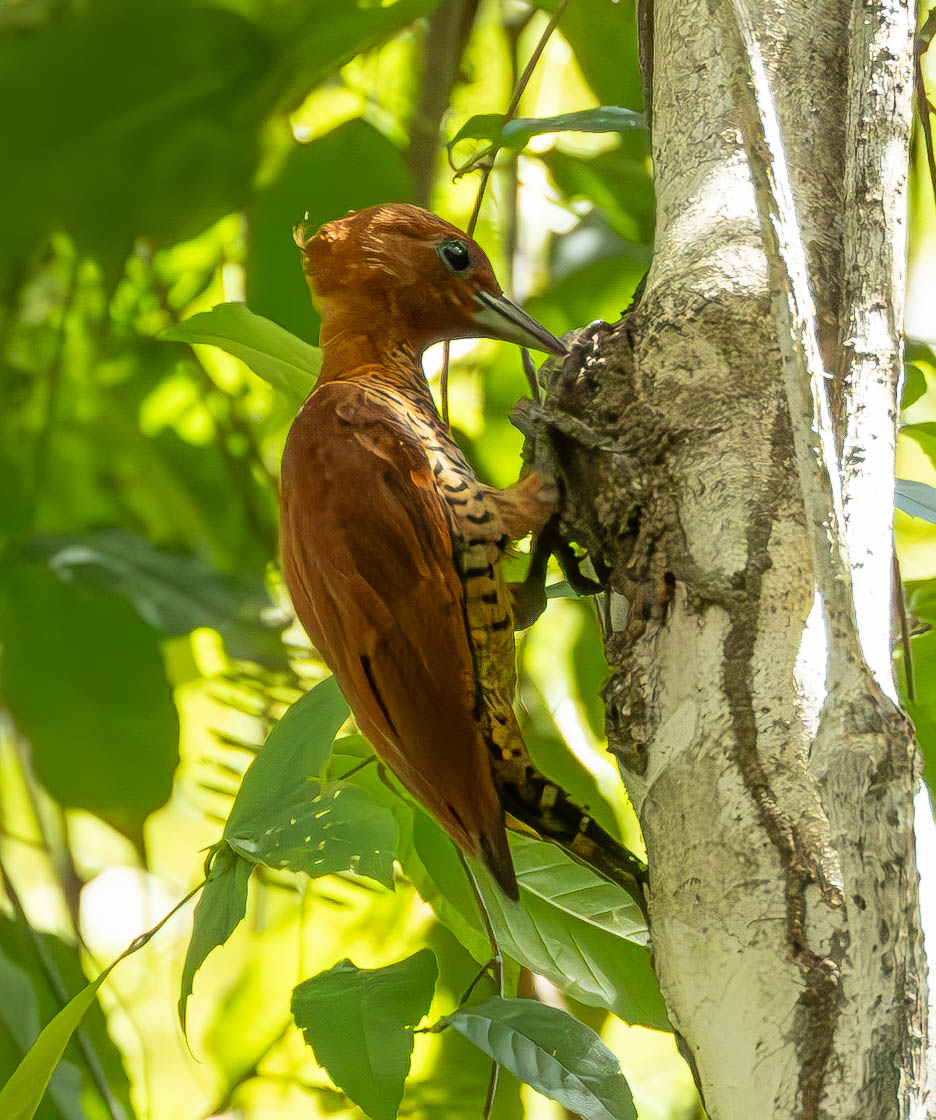
Cinnamon Woodpecker
Boat-billed Heron

Back to the village for lunch and a view of the “cutest” of all the birds we saw, the diminutive Spectacled Parrotlet, only 12 cm long from head to the end of the stumpy tail.

Spectacled Parrotlet, m&f

Blog at WordPress.com.

Up ↑