Rwanda, day 1. Northwest Rwanda, Lake Bihinga and Musanze.

I was invited to Rwanda, to assist in teaching their fellows in their newly developed training program. I was delighted to try to help out, and in the days before my teaching commitments I decided to take a few days to tour Rwanda, to visit several national parks, and to do some serious birding.

On day 1 we left Kigali, went north west towards the Volcanoes national Park, stopping at a lake (lake Bihinga) on the way. After a couple of hours in various locations around the lake (over 55 species), we then set off for the lodge (Karisimbi Cave Resort) in a town called Musanze. I then settled into a lodge close to Volcanoes park, and looked around the grounds for some birds. I saw many birds on the way, and at the lake, almost all of which were entirely new to me, and then many more new species around the lodge.

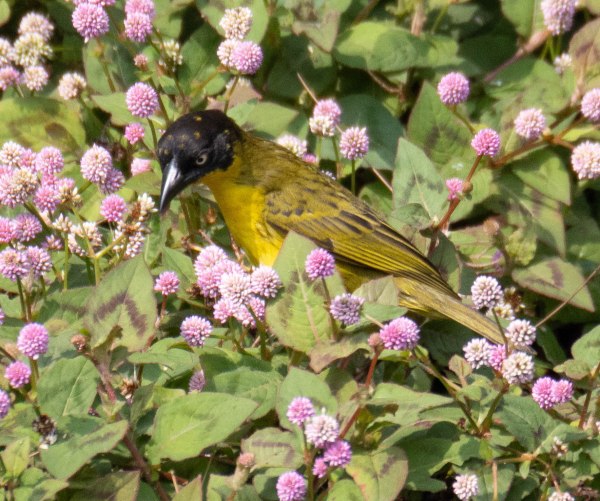
The header image is a Baglafecht Weaver, one of a large number of Weaver bird species, many of which are similar and difficult to separate for an amateur. I have no idea what “Baglafecht” means.
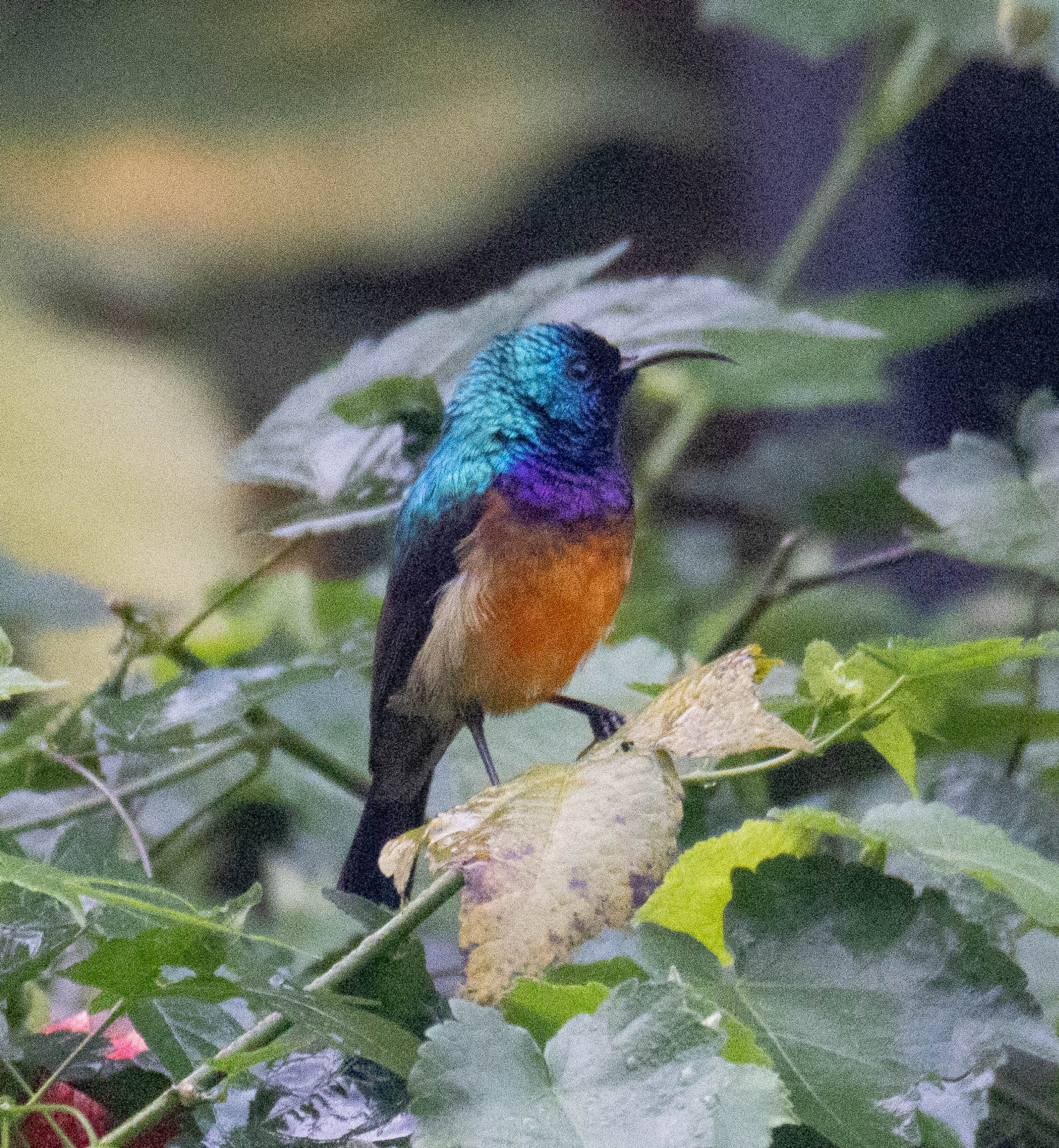
There are also a large variety of Sunbirds, which have long down-curved beaks, used to extract nectar from various flowers. This one is called the Variable Sunbird.
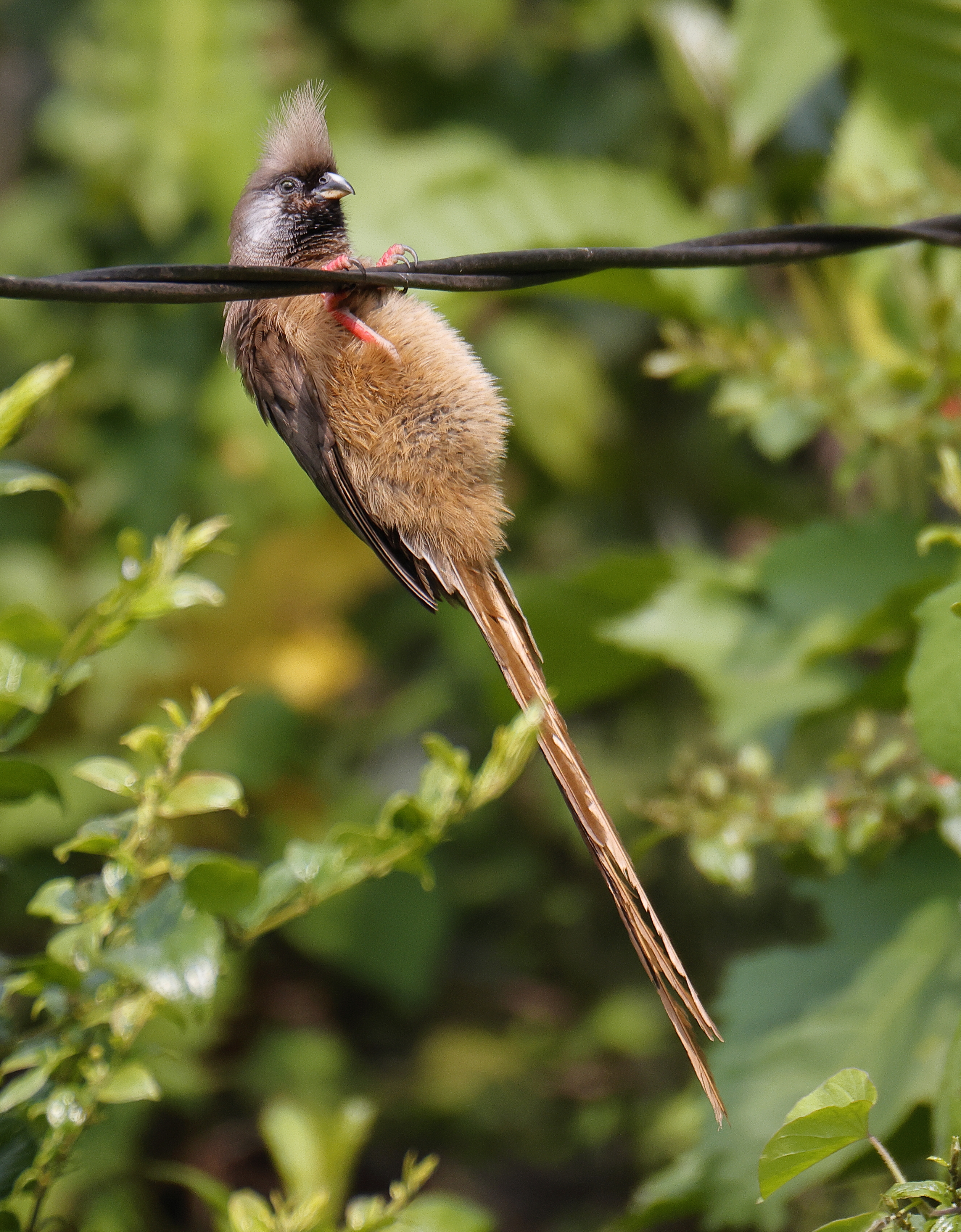
Speckled Mousebird.

According to some sources, they hang like this to get sunlight on their abdomens to increase intra-abdominal temperature and aid digestion. I think that is very suspect, and my guide did not think it was true. Indeed, if it were so, why wouldn’t many other birds (and other creatures) do this?
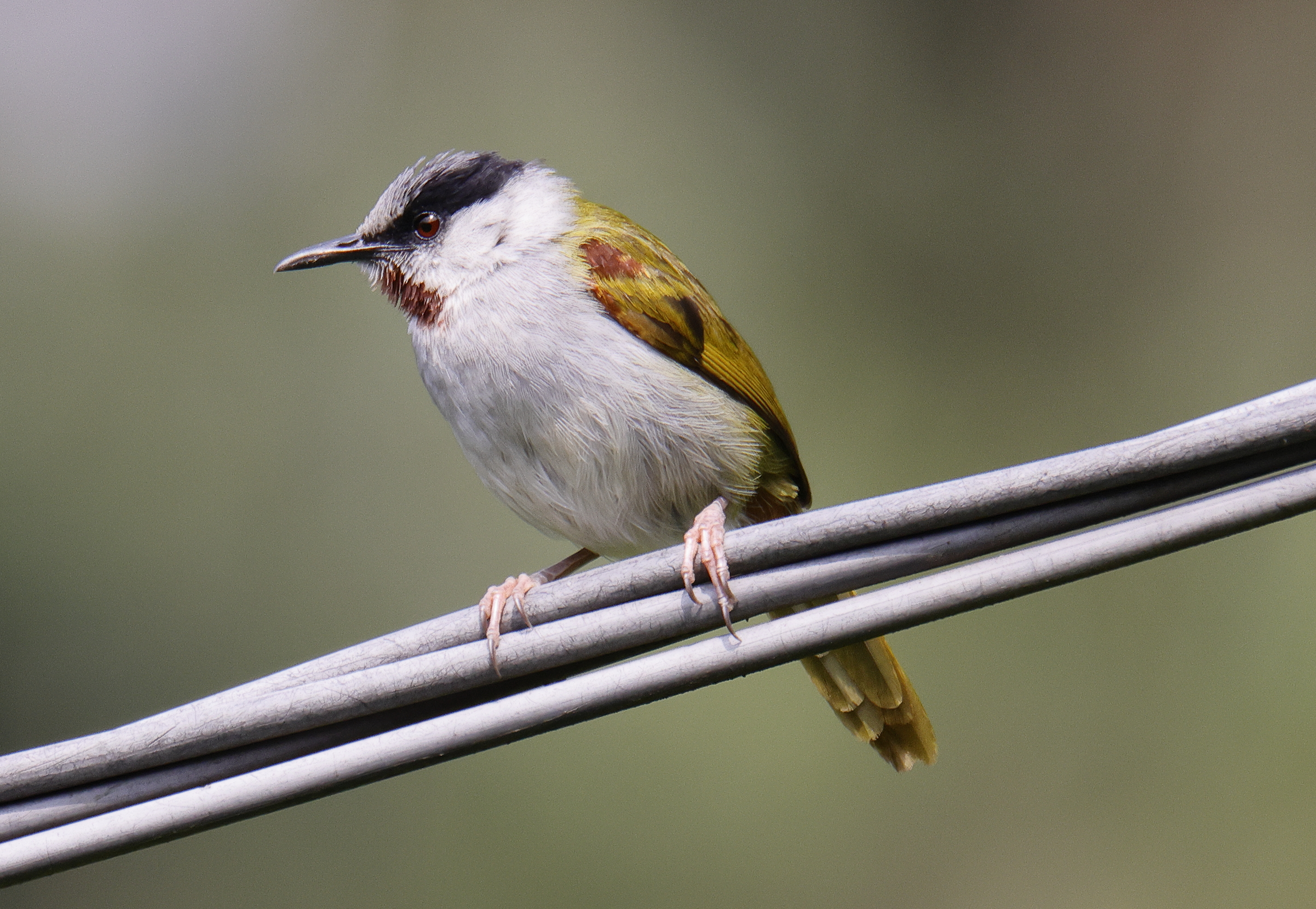
Gray-capped Warbler
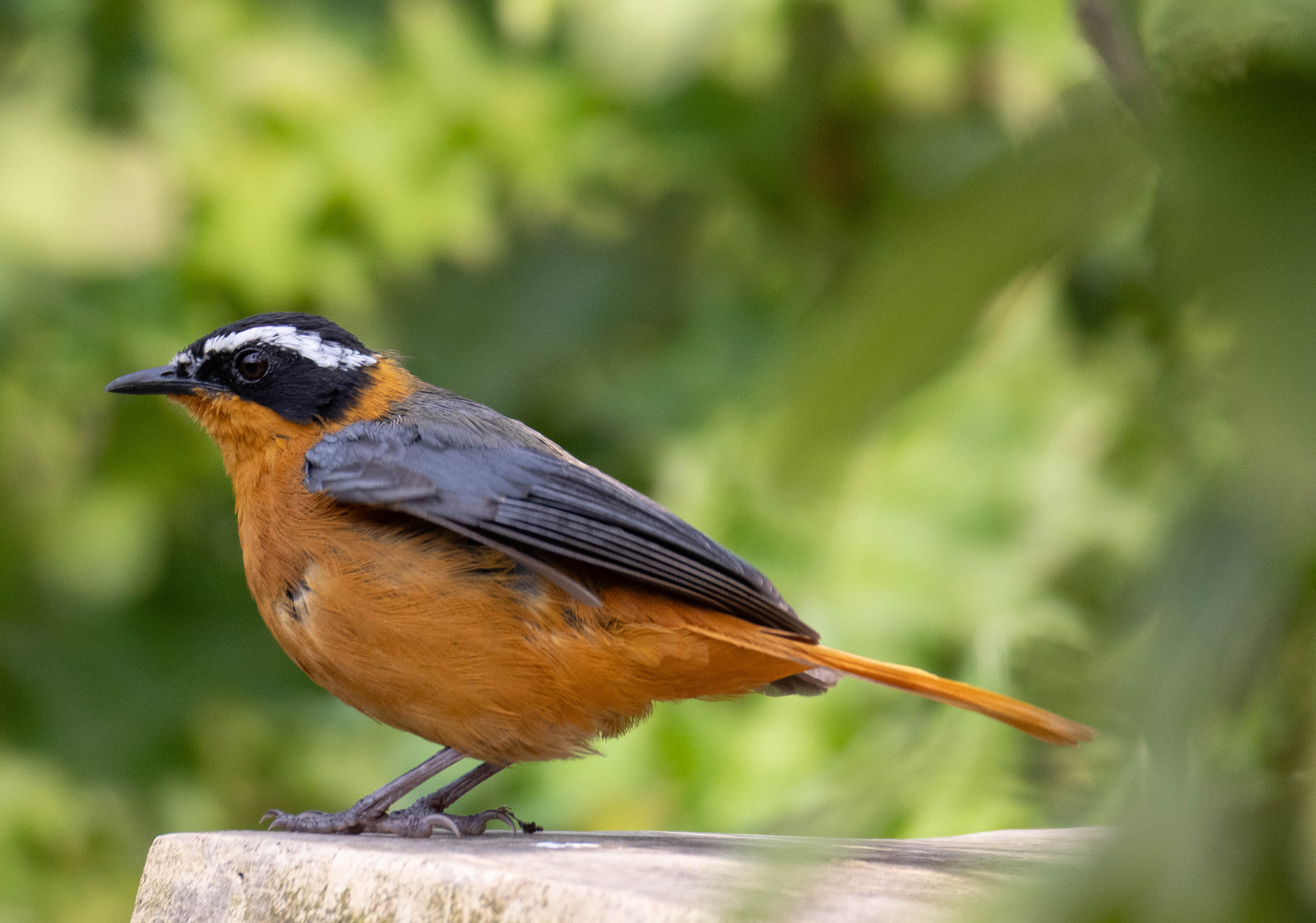
White-browed Robin-chat. This is a common bird, frequently seen around human habitations, it is quite noisy, sometimes even before dawn!
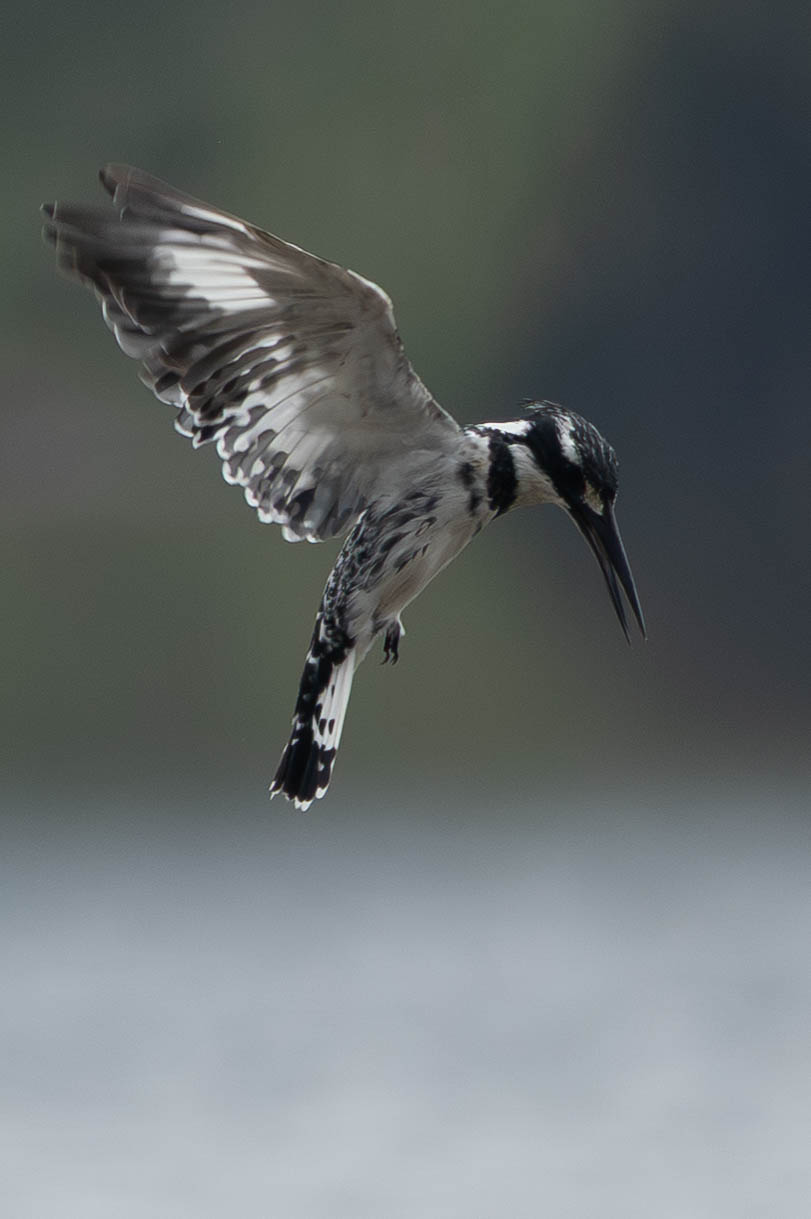
At the lake, there were several Pied Kingfishers, they can hover over the lake surface to detect prey, and then drop on their prey, usually small fish.
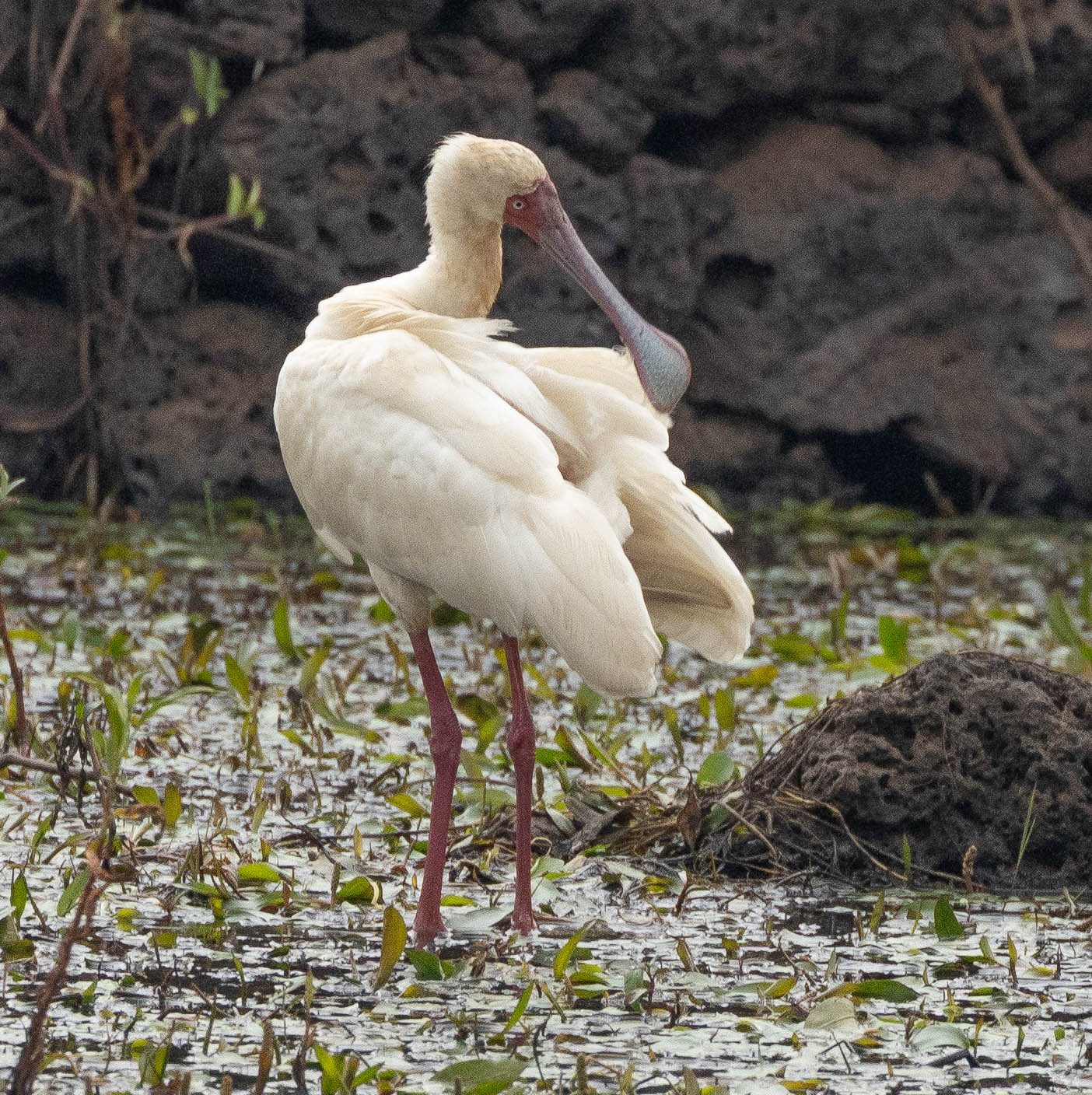
The African Spoonbill, is named for their most obvious feature.
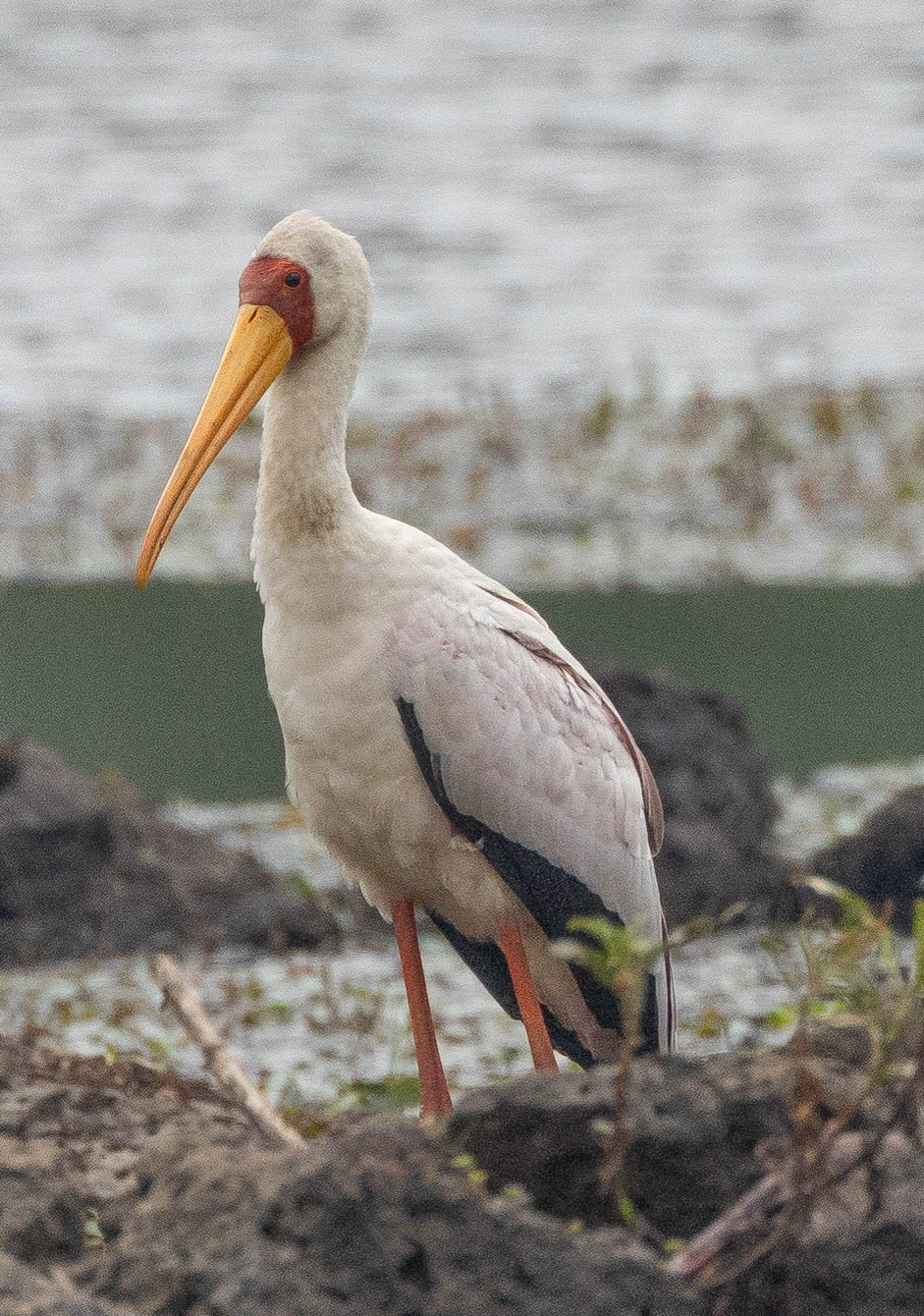
A similarly-sized, wading bird, is the Yellow-billed Stork.
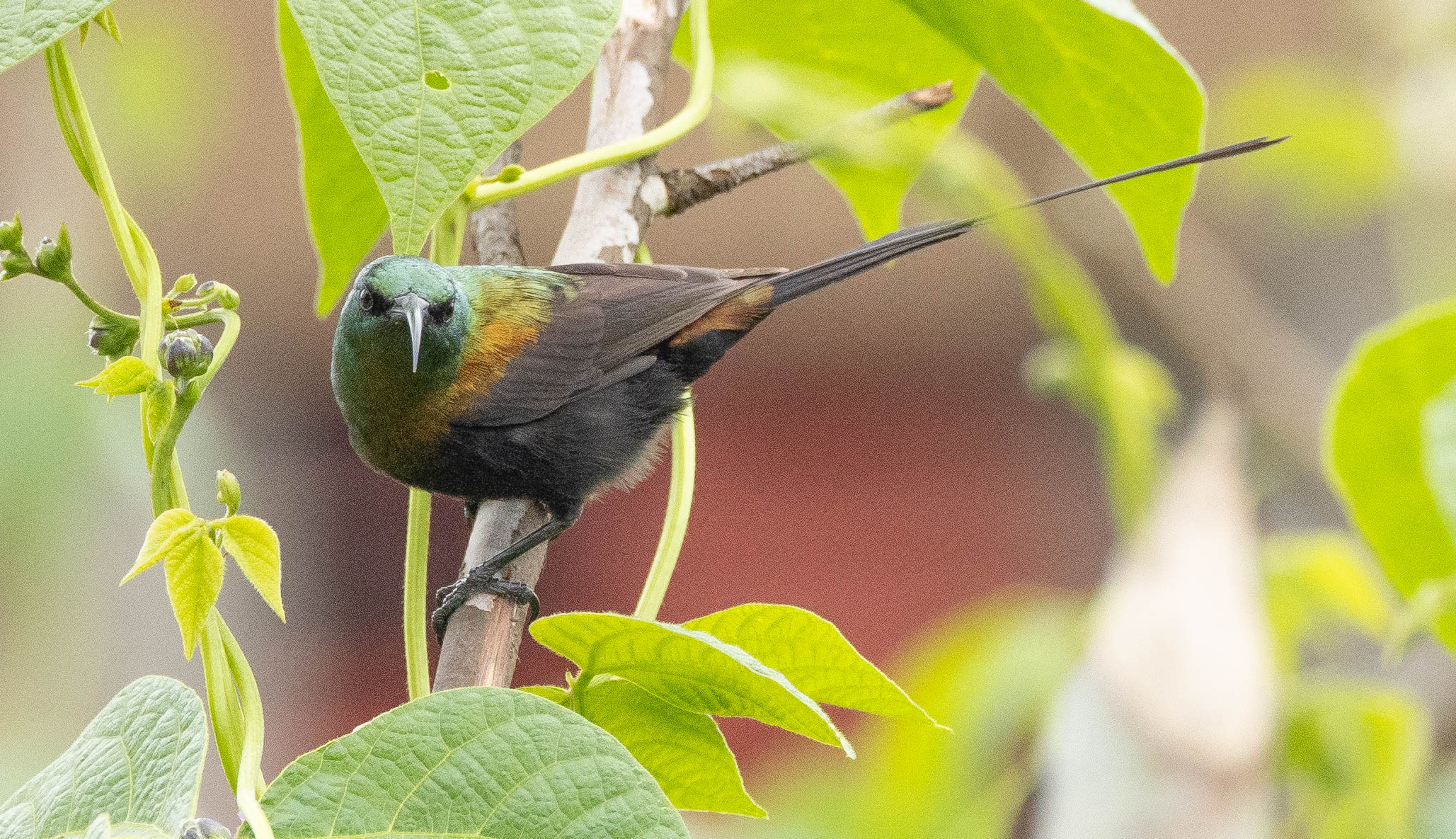
Another Sunbird, this is the Bronze Sunbird.

The Dominican Republic

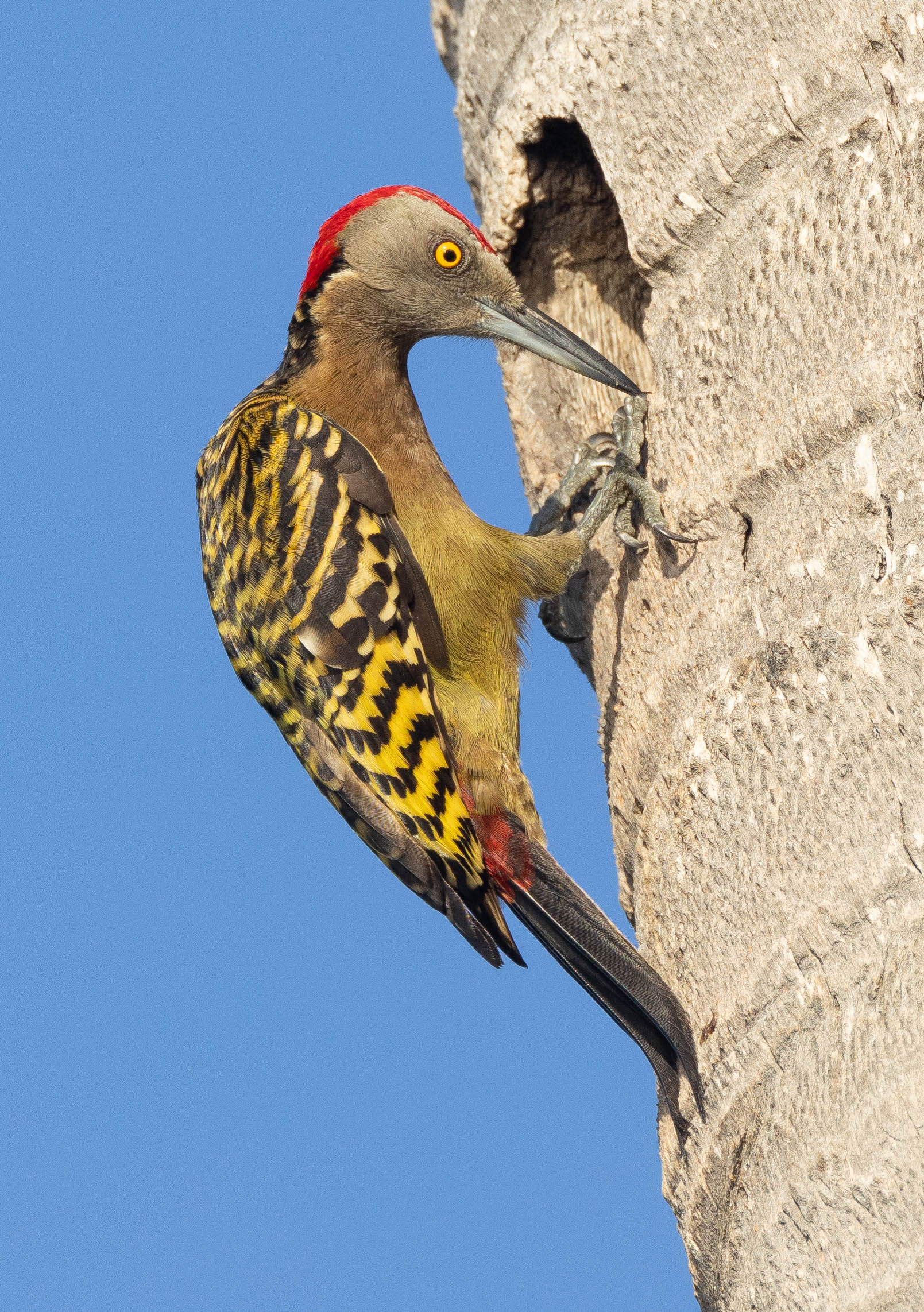
This was a family holiday in an all inclusive resort, which had a few native bird species on the property, including the endemic Hispaniolan Woodpecker below. Just before leaving I spotted the critically endangered Hawk, the Ridgway’s Hawk, which is the header image for this post.

Hispaniolan Woodpecker

There were many Palmchats, who build large communal nests.

Palmchat

I took the opportunity to have one day birding, which was actually not a success. The trip was advertised as being a 1 hour 45 minute drive from Punta Cana, where we were staying, to the Los Haitises National Park for a birding walk with a guide. It actually took nearly 4 hours to get there, and 3 hours to get back, for a 2 hour birding walk with a guide who had limited knowledge, and mis-identified some birds.

We did manage to see the following on the walk:

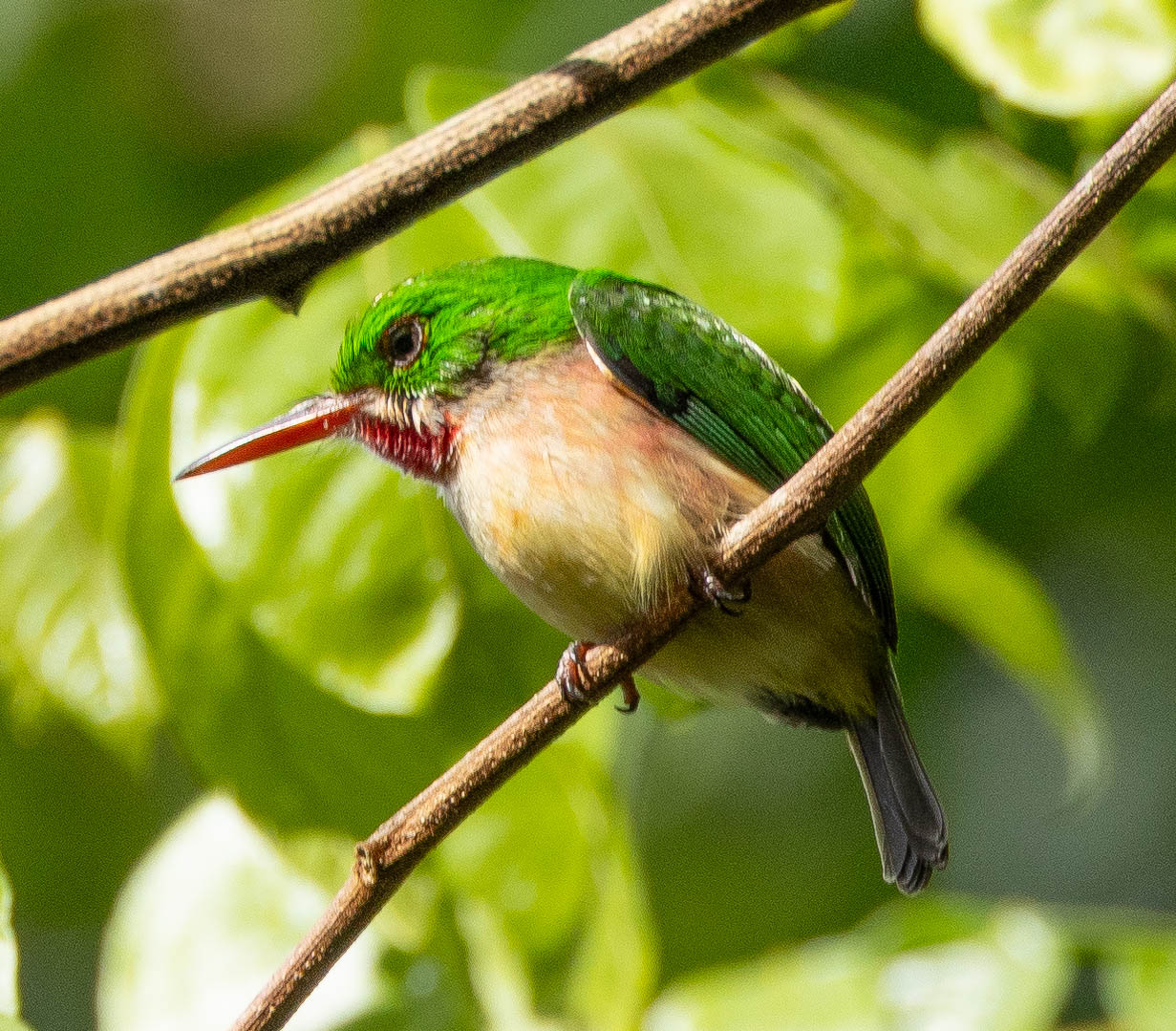
Broad-billed Tody
Yellow-faced Grassquit
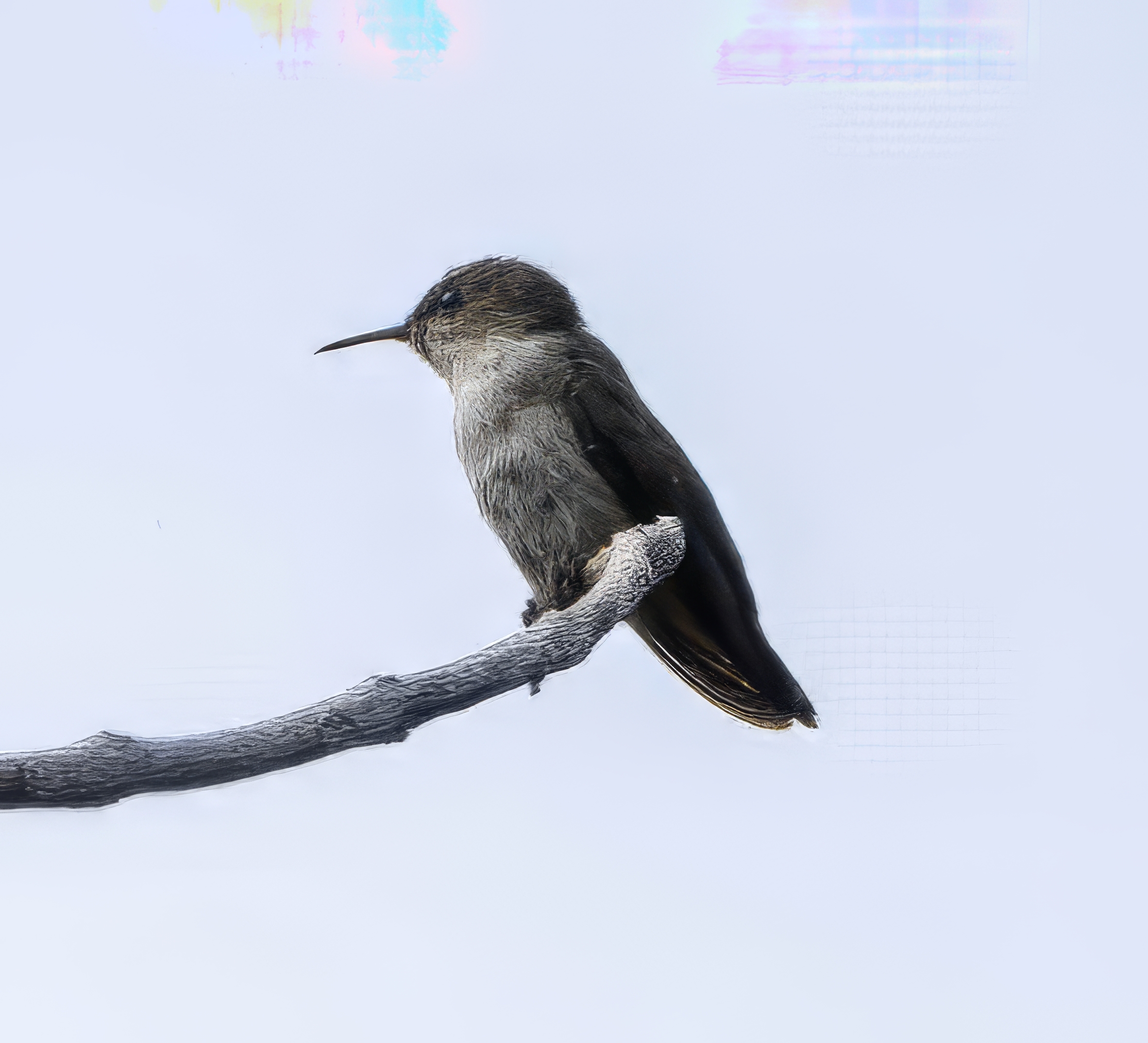
Verveine Hummingbird, the second smallest bird in the world!

Then we had a 1 hour boat ride to see a cave, travelling through the mangroves.

West Indian Whistling Ducks
Little Blue Herons, Adult and Immature (who is white!)
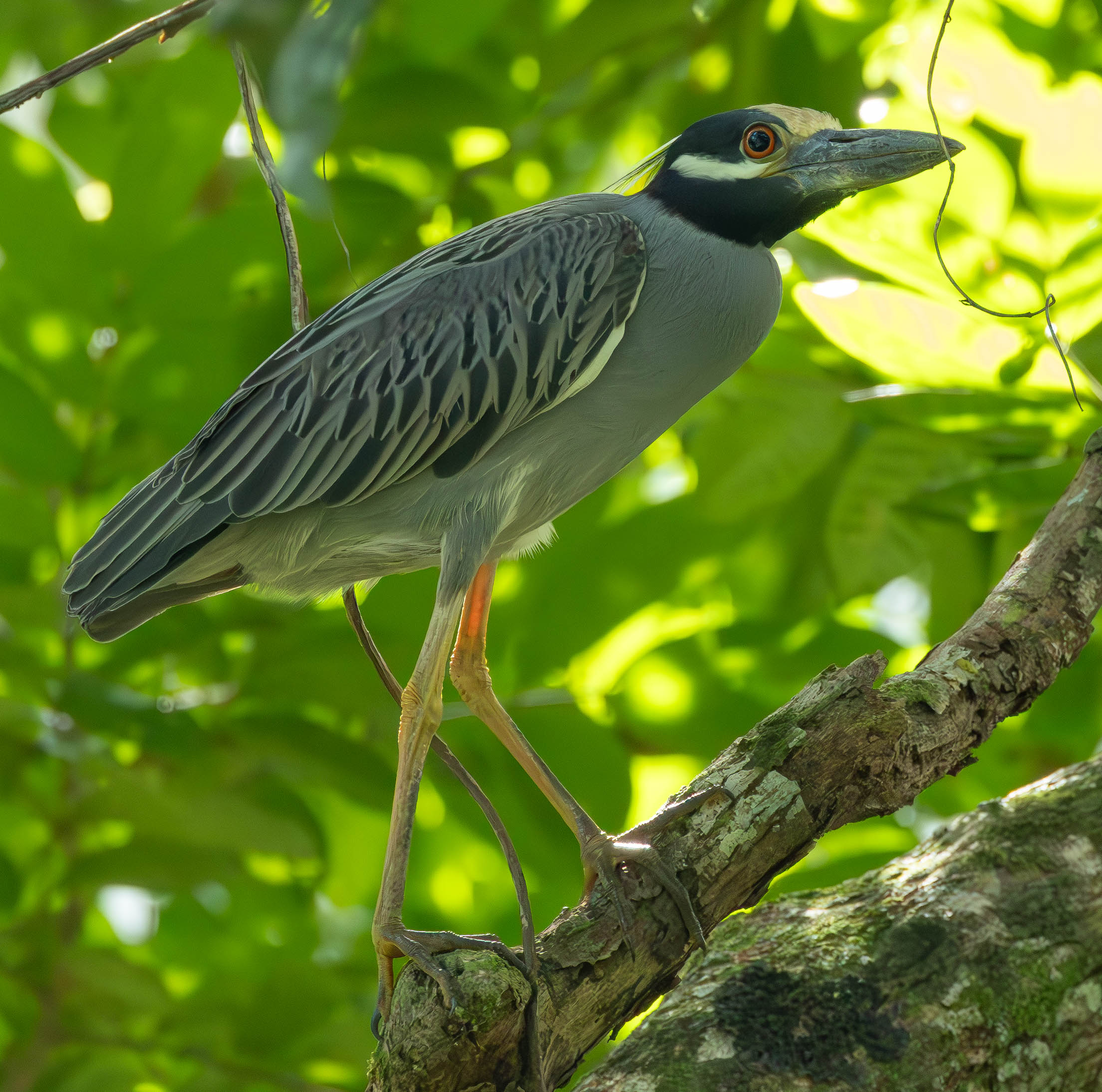
Yellow-crowned Night Heron

Back at the resort, there was a Kestrel frequently hunting on the property

American Kestrel

And many Ruddy Turnstones forming mixed flocks on the beach with Sanderlings

Ruddy Turnstones

The Ridgway’s Hawk was banded, as you can see, and probably came from “Reserva Ecologica Ojos Indigenas”, situated about 6 km away, and which has a rescue program.

Panama, day 4. Expedition to find the Harpy Eagle

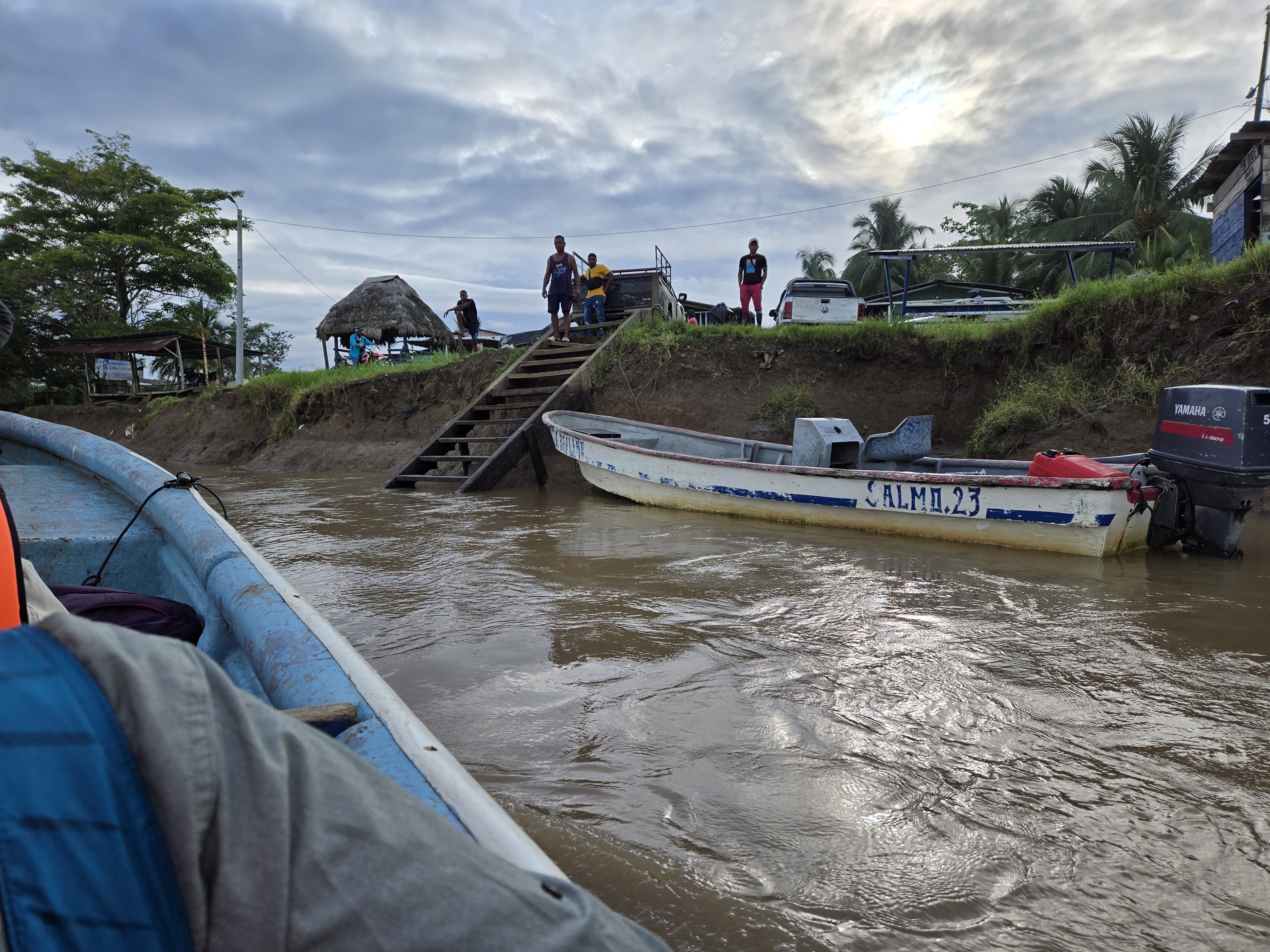
The group set off very early, breakfast at 4h30, to drive to the very end of the TransAmerica highway at Yaviza. From there we took a “lancha”, a motorized boat, travelling upstream on the Chucunaque river to a town called El Real.

Start of river trip in Yaviza
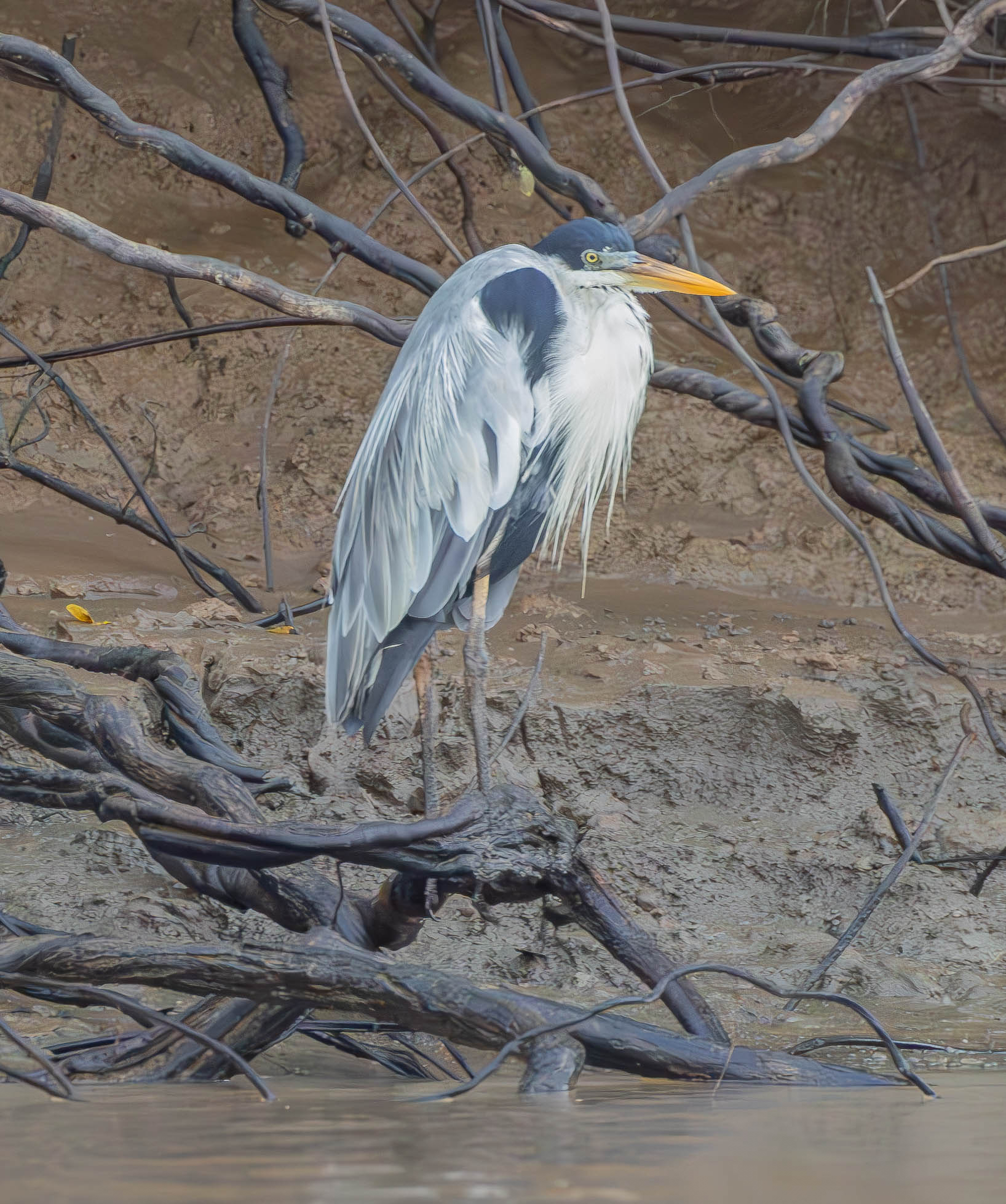
Cocoi Heron
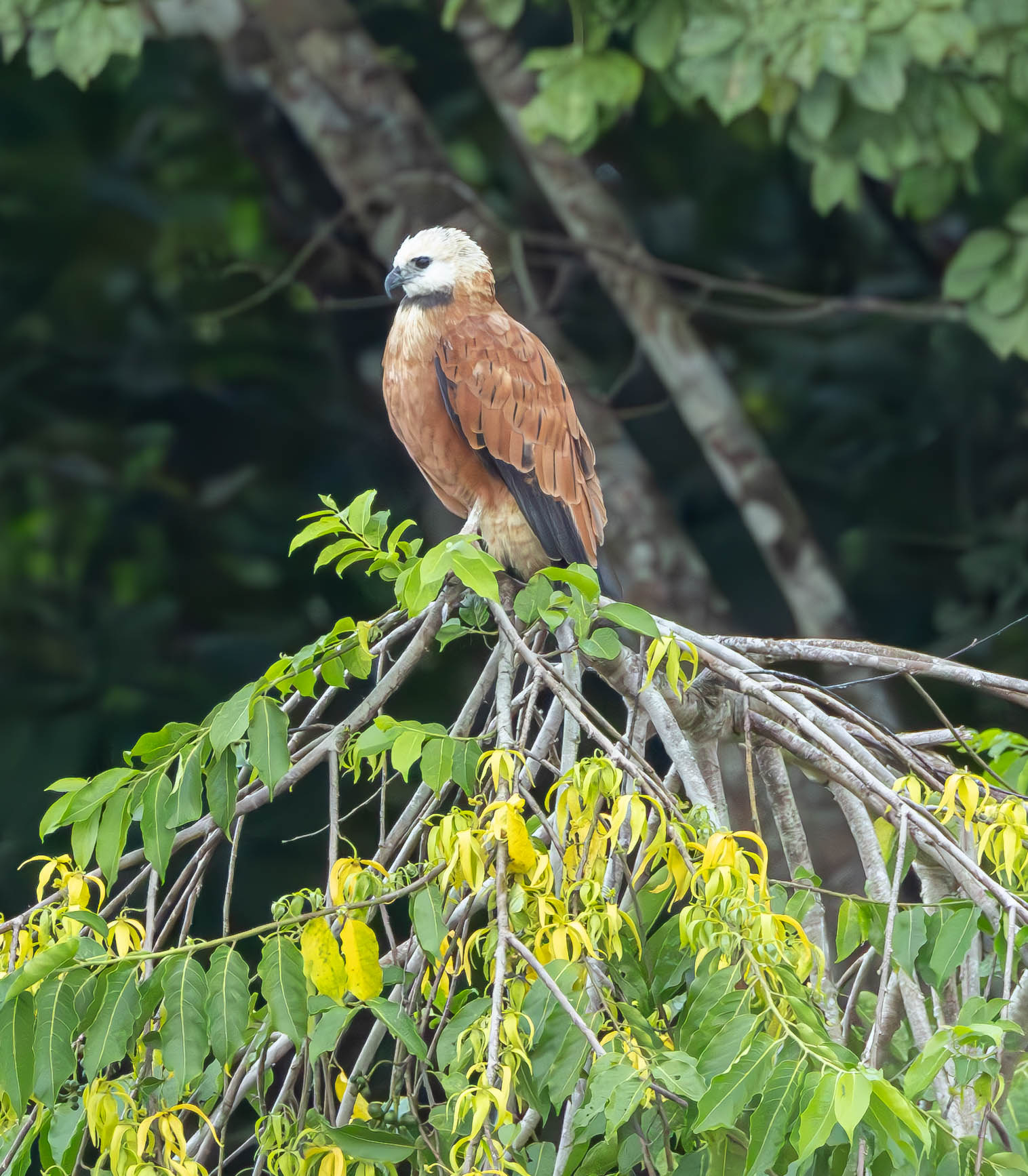
Black-collared Hawk
Arrival at El Real
Red-and-Green Macaw

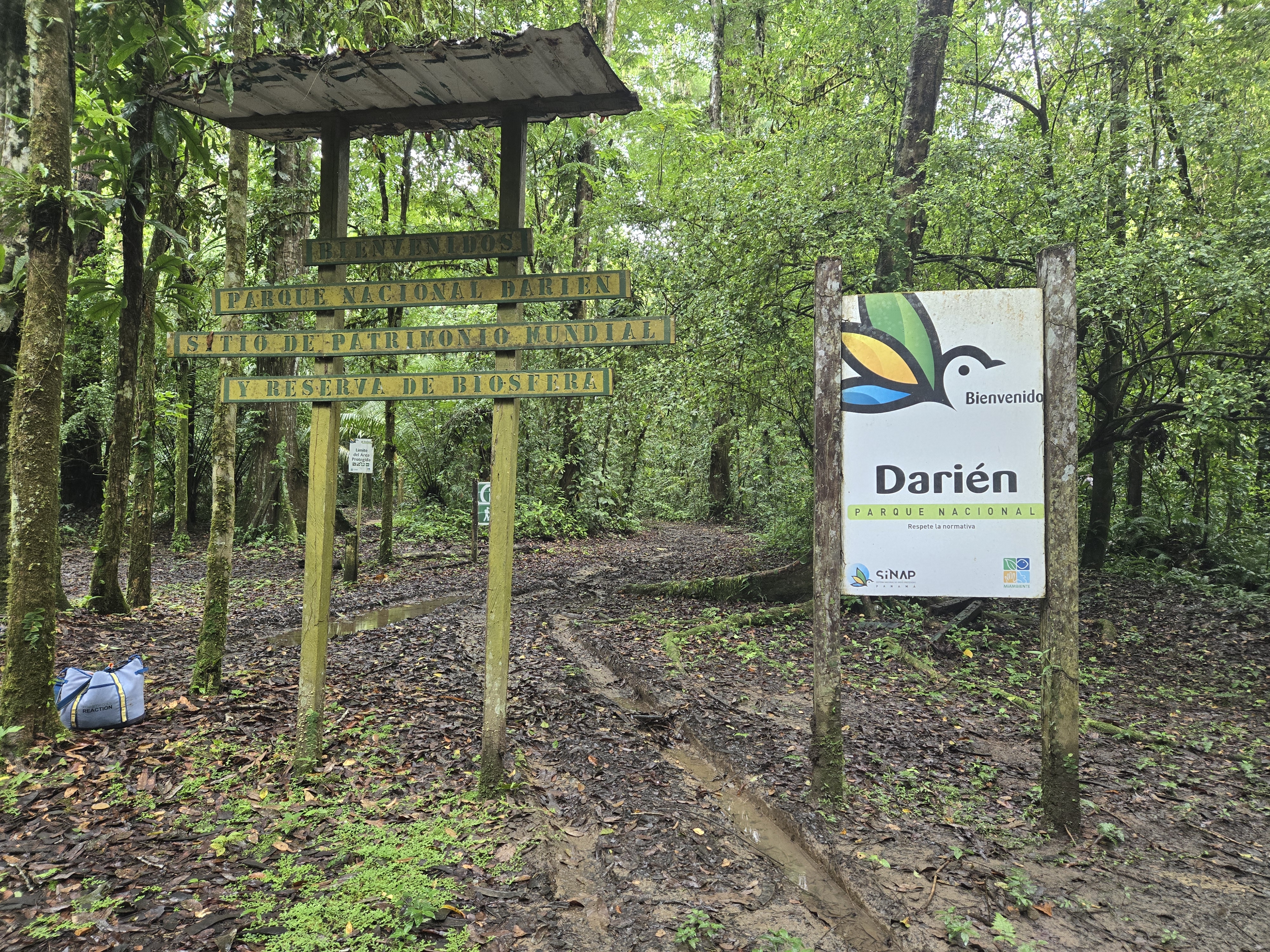
After the boat trip, there was a half hour or so in a 4-by-4, then another hour of walking, during which this magnificent Macaw was spotted, we entered the Darién national park, and finally arrived at the ironically named Rancho Frio.

Entrance to Darién national park
Offices of the Ministry of the Environment at Rancho Frio

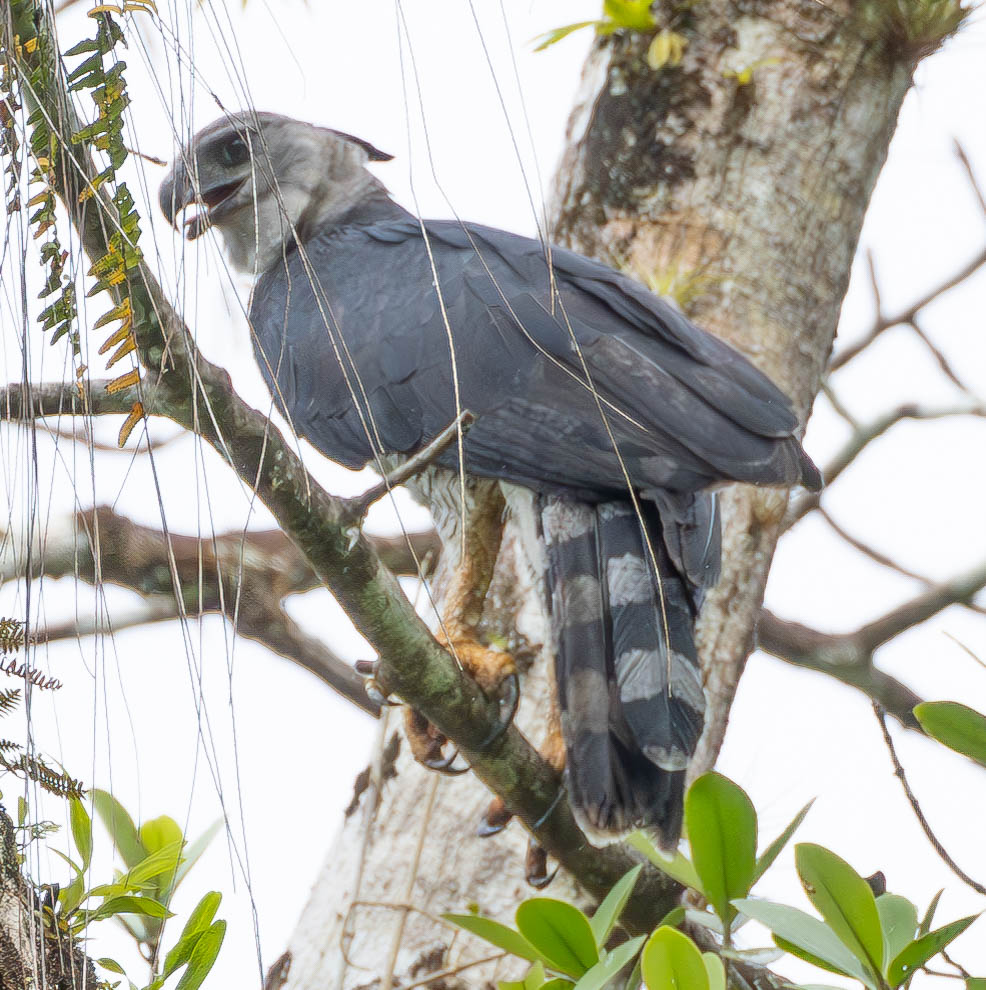
After lunch at Rancho Frio, the last 30 minutes walk took us to a nest of the Harpy Eagle, today’s goal. There was a female on the nest, with a chick of about 10 days of age (the top of whose head we occasionally glimpsed) and as we were watching, the male flew off in search of prey, which are mostly monkeys and sloths.

Harpy Eagle on nest
Harpy Eagle

The Harpy Eagle has little sexual dimorphism, the identification by our guides was based on their activity, usually the female stays on the nest with the chick, while the male is out hunting.

On the trip back there were very heavy showers; we were still able to see the Great Green Macaw, a real rarity, a Wood Stork (not rare at all), and a small flock of Brown-hooded Parrots. Despite arriving back soaked through, the day was a great success.

Great Green Macaw
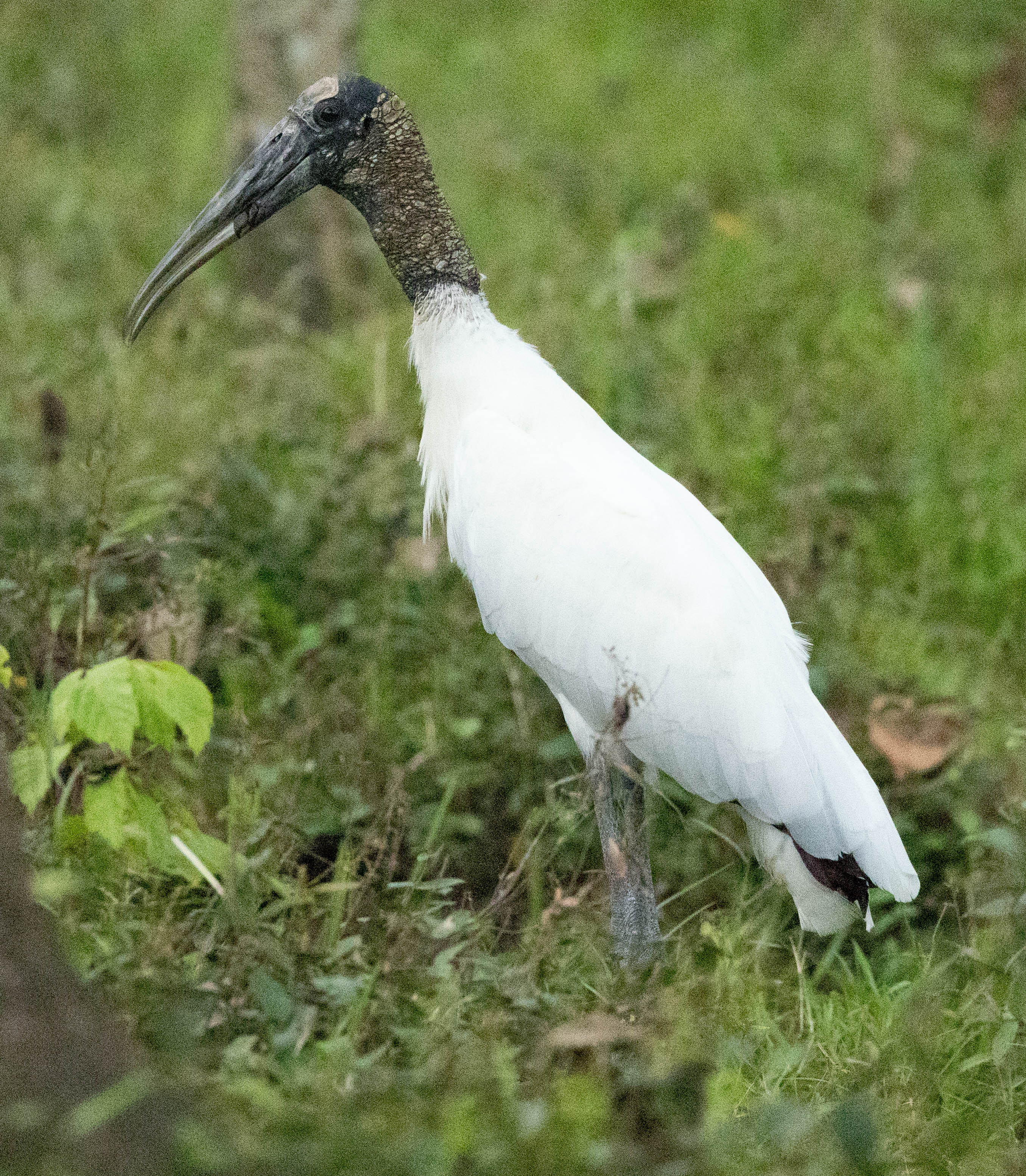
Wood Stork
Brown-hooded Parrot

Blog at WordPress.com.

Up ↑